Where Safety Meets Expert Tree Service.

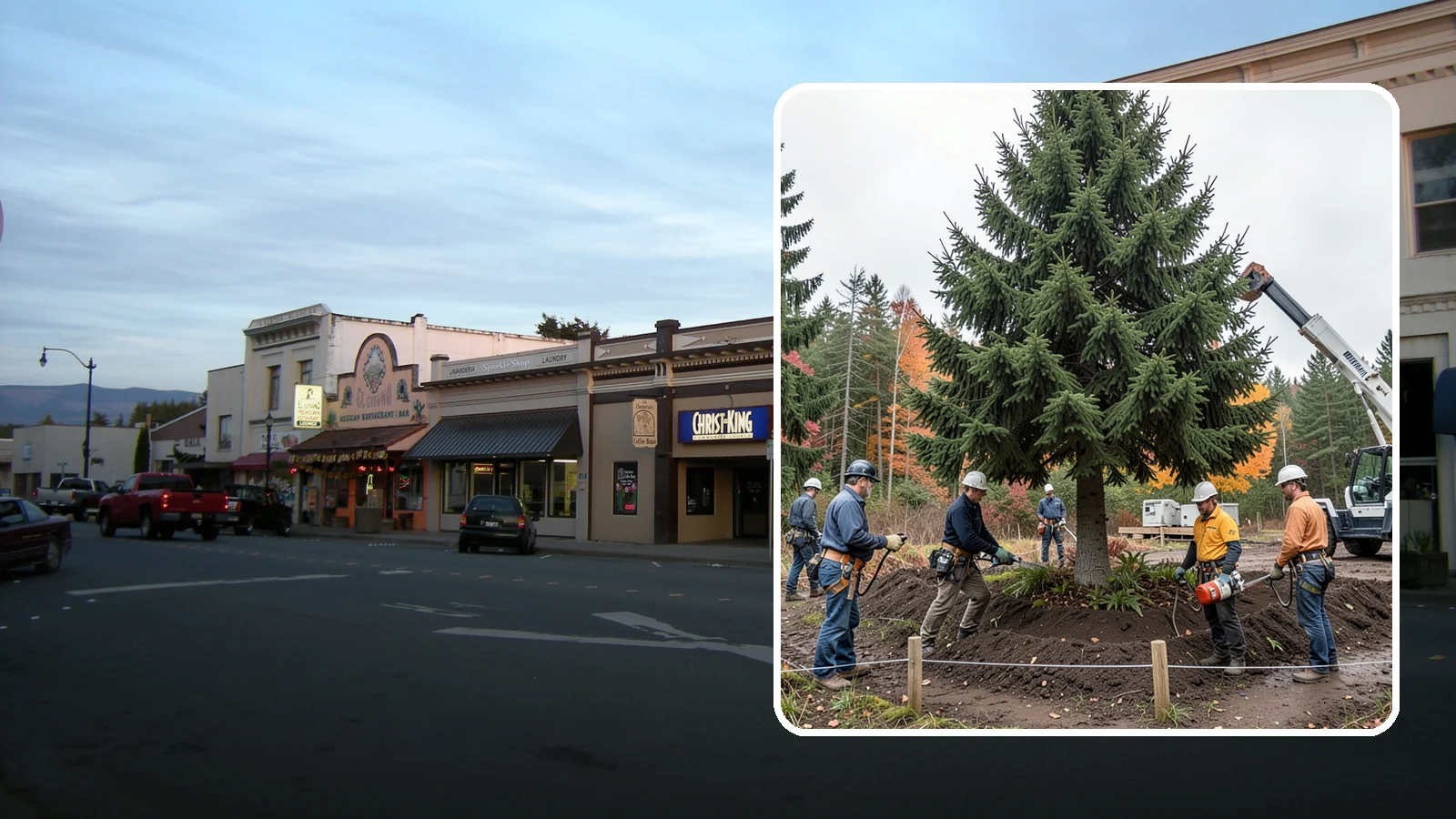
Burlington Tree Preservation During Construction
Measures to protect trees throughout construction.
This service is for Burlington owners who are building, adding on, regrading or trenching near trees they want to keep. It fits a new driveway, a utility line, a garage, or a full redevelopment where mature trees stand close to the work.
The most useful step is to involve an arborist before the site plan is final. Roots, trunks and crowns are easier to protect when fencing, trench routes and equipment paths are chosen early, not after the excavator arrives.
About Tree Preservation During Construction in Burlington
We help homeowners keep their valued trees healthy while building projects happen on their property. Our team takes care of tree preservation during construction so your landscape remains strong after the work is done. This service ensures that retained trees stay in good condition throughout the entire build process.
What Burlington Tree Preservation During Construction Includes
Tree preservation during construction involves specific measures designed to protect trees from damage caused by nearby building activities. We use methods matched to each tree species and site conditions to keep them healthy while you construct your home or addition. These steps help reduce the risk of decline that often comes with major landscaping changes.
Burlington Tree Preservation During Construction Process
The work begins by identifying which trees need protection and mapping out their specific zones before any digging starts. Our trained crews establish protective measures early on and monitor tree health throughout the construction timeline. If issues arise, we address impacts immediately and provide follow-up care to support recovery after the project ends.
Equipment We Use for Burlington Tree Preservation During Construction
We utilize protective fencing and signage to clearly mark areas where equipment must not enter. Ground protection materials like mulch are used to shield roots from compaction, while air excavation tools help us work carefully near sensitive root systems. Monitoring tools allow our team to track tree health closely without disturbing the soil unnecessarily.
Burlington Tree Preservation During Construction Safety & Best Practices
Keeping heavy machinery and traffic out of designated protection zones is a top priority for every job we complete. We avoid making grade changes or compacting soil over existing roots to maintain proper drainage and stability. Coordinating directly with your site crews ensures everyone follows safety protocols, and all measures are documented for compliance.
Signs You Need Tree Preservation During Construction in Burlington
You may need this service if you have plans that involve retaining mature trees while building a new structure. Signs include concerns about root-zone compaction from equipment or delayed decline appearing months after construction finishes. If encroachment by machinery threatens your landscape, our preservation plan helps mitigate those risks before they become permanent damage.
What Affects the Cost of Tree Preservation During Construction in Burlington
The price is influenced by the number of trees you want to keep and their individual size requirements. Species-specific protection needs vary, as do site access constraints that affect how easily equipment can reach certain areas. Additionally, the complexity of establishing root zones against active construction activities plays a role in determining the final cost.
Best Time of Year for Burlington Tree Preservation During Construction
This service can be performed year-round throughout our region, offering flexibility for your project schedule. However, careful monitoring is required during wetter seasons to prevent soil saturation issues that could worsen compaction risks around roots. Planning ahead allows us to adjust methods based on current weather conditions and site moisture levels.

Protecting Trees on a Burlington Building Site: Your Options
Owners usually choose among three approaches. Which one fits depends on how close the work is to the tree and what the ground is like.
Option 1: Fence off a protection zone
Fencing keeps equipment, soil piles and materials away from the roots. It works best when the tree is well outside the work area. Wider is better, because most feeding roots sit in the top layer of soil, well beyond the trunk.
Option 2: Adjust the design
Moving a footing, shifting a driveway, or boring a utility line under roots instead of trenching through them can save a tree that fencing alone cannot. This suits trees close to the build. Raise it before plans are final.
Option 3: Prune, support and care for the tree
Some trees need selective pruning to clear equipment, or added care to handle stress. Mulch helps hold soil moisture during drought, according to the Washington DNR Forest Health and Resiliency Division. Dry summers plus site disturbance can stress a tree further.
What Burlington conditions favor
- Soils: the NRCS soil survey says 4% of Burlington land has a hard or restrictive layer, such as glacial hardpan, within 40 inches of the surface. Where that layer is present, roots may stay shallow and spread wide, so fencing should be generous. This is a city-wide figure, not a reading for your lot.
- City rule: Burlington's code says significant trees may not be removed without prior authorization from the department. It also says those rules do not apply to trees inside an existing landscaped yard of a single dwelling, except redevelopment projects, nor to construction of a single detached dwelling or duplex. The regulated size is 6 inches DBH.
- Replacement: where the rules apply, the code requires 2 replacement trees per removed tree of 6 to 18 inches DBH, and 4 for trees over 18 inches. Saving a tree can avoid that.
The code language is detailed and has exceptions. We check with the city before work starts, so you know where your project stands.
Burlington tree conditions at a glance
| Slopes | Some steep slopes |
|---|---|
| Soils | 4% of land has hardpan or another restrictive layer within 40 in; most common series Field |
| High and strong wind episodes, 2005-2025 | 33 in the forecast zone |
| USDA hardiness zone | 8b |
Tree removal rules in Burlington
Significant trees may not be removed without prior authorization from the department, BUT the significant-tree rules do not apply to trees within the boundaries of an existing landscaped yard associated with an individual dwelling (except redevelopment projects), nor to construction of a single detached dwelling, duplex or small multiunit building or land divisions of four lots or less. So ordinary removal in an existing single-family yard needs no tree approval outside critical areas.
Regulated size: 6 inches DBH (multi-stem: any stem at least 4 in. measured 6 in. from the trunk joint).
Official city source. Rules change; we confirm with the city before work starts.
Sources: Daymet daily weather (NASA/ORNL), NOAA Storm Events, USDA plant hardiness map 2023, NRCS soil survey, USGS elevation, WA DNR landslide inventory, USDA Forest Service aerial survey, WSDA, city tree assessments and street-tree inventories, SILVIS Lab, Arbor Day Foundation, and official city and utility pages.
Tree Preservation During Construction Serving Burlington
Burlington
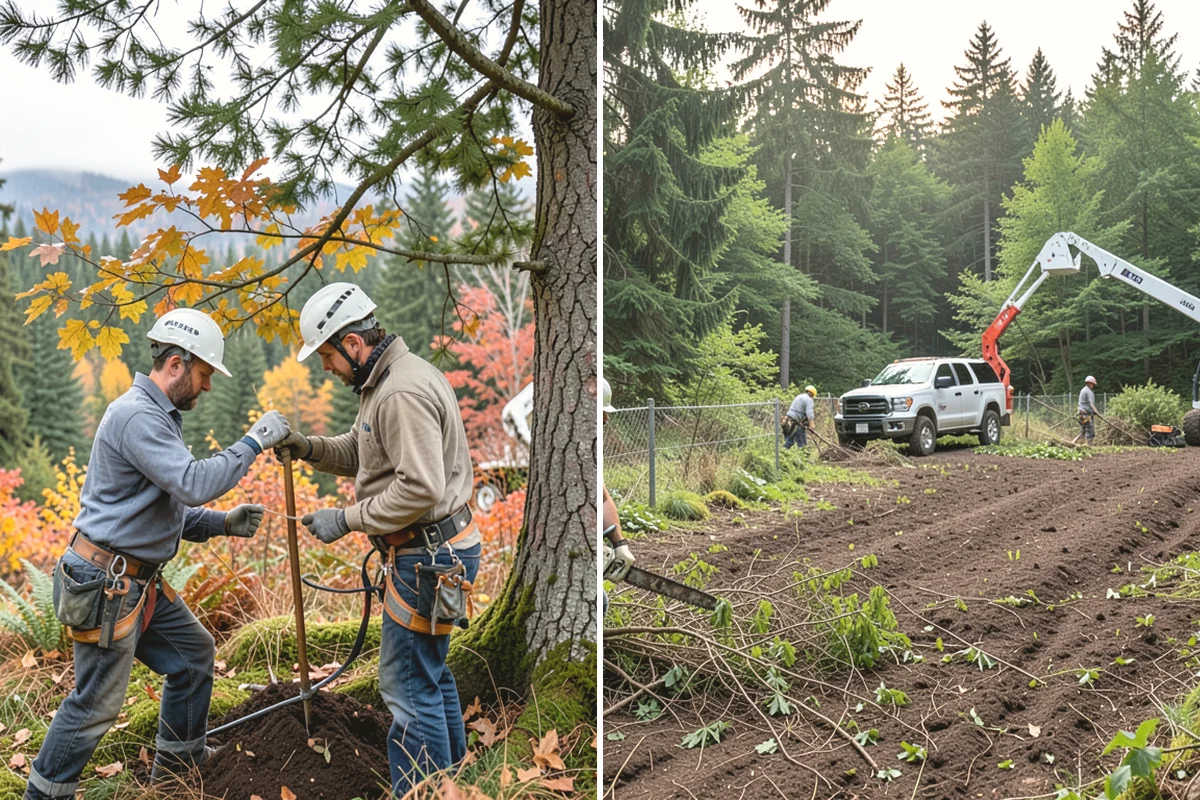
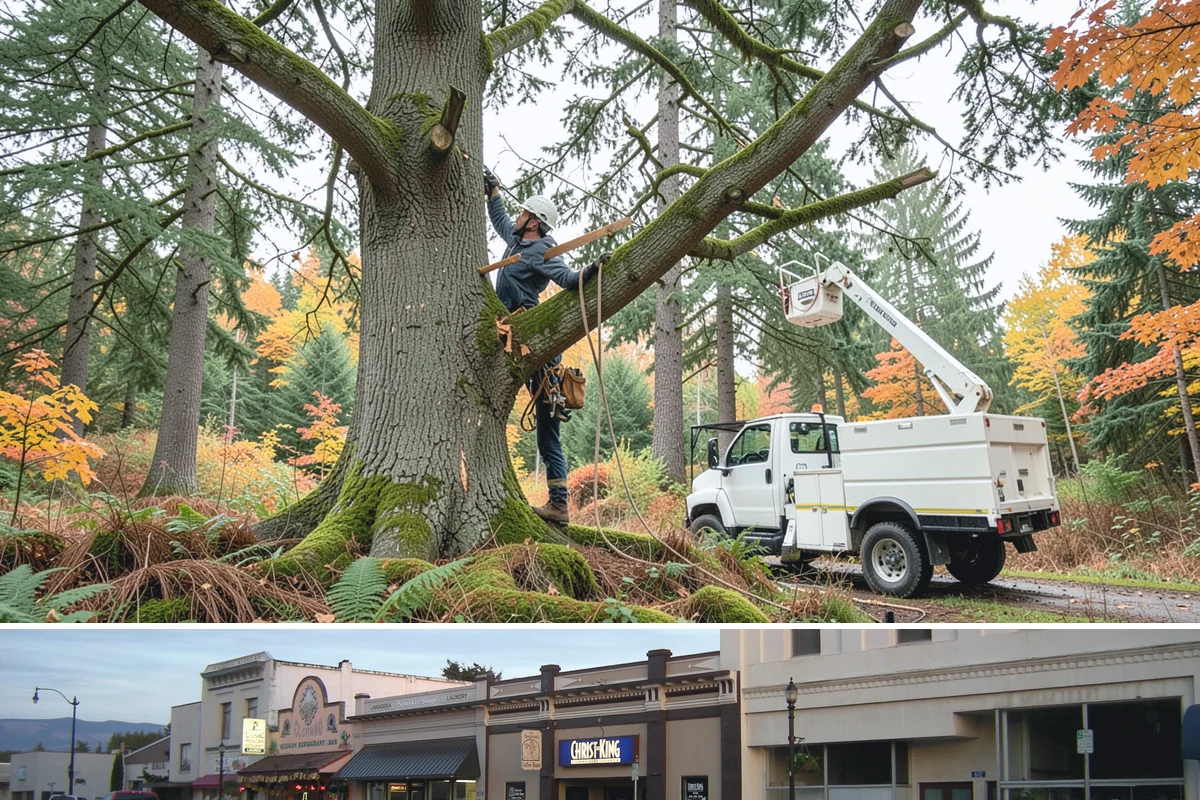
Tree preservation during construction in nearby areas
Also serving Burlington
- Garage Demolition in Burlingtonat Washington Construction
- Land Leveling in Burlingtonat Washington Landscaping
- Municipal Curb & Gutter in Burlingtonat Washington City Services