Protect your trees from pests and disease with proactive treatment and expert care designed to maintain long-term health and stability.

372

Stop Pests and Disease
Before They Spread

Pests and diseases can quickly weaken trees, leading to structural issues, decline, or even failure if left untreated. Early identification and proper treatment are key to protecting your landscape and preserving the health of your trees.

At Washington Tree Services, we diagnose and treat a wide range of pest and disease issues using targeted, effective methods. Our approach focuses on stopping the problem at its source while supporting long-term tree health and resilience.

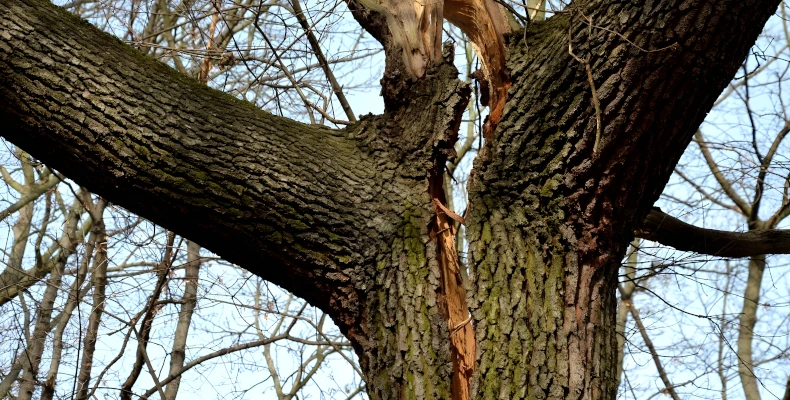
Storm Damaged Tree
Pest and Disease Management
372

Smart Treatment for
Long-Term Tree Health

Every tree is evaluated to determine the specific cause of stress, whether from insects, disease, or environmental factors. We apply the appropriate treatment strategy to control the issue and prevent it from spreading.

372

Key Benefits Of Our
Tree Pest & Disease Management

Healthier, Stronger Trees

Promotes long-term vitality by reducing stress factors and supporting natural growth, resilience, and overall tree health.

Protects Your Property

Prevents weakened or compromised trees from becoming hazards that could damage structures or nearby areas.

Extends Tree Lifespan

Proper care and targeted treatment allow trees to remain stable, healthy, and structurally sound for years to come.

Reduces Risk of Spread

Stops pests and disease from spreading to nearby trees, protecting the health of your entire landscape.

Minimizes Pest Activity

Reduces insect populations and helps prevent recurring infestations that can weaken trees over time.

Frequently Asked Questions

How do I know if my tree has a disease or pest problem?

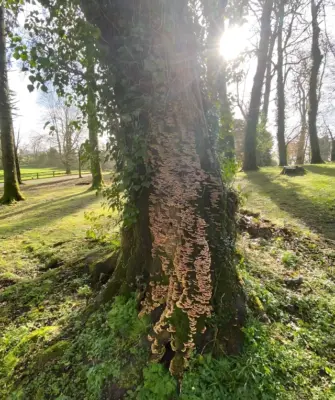
Common signs include discolored or spotted leaves, premature leaf drop, holes in bark, sawdust around the base, or visible insects. If something looks off, it’s best to have a professional take a look.

What are the most common tree diseases in the Pacific Northwest?

In the PNW, trees are often affected by root rot, fungal infections, anthracnose, and needle cast. Wet conditions make trees more vulnerable to these issues.

Can a diseased tree be saved, or does it need to be removed?

In many cases, a diseased tree can be saved with proper diagnosis and targeted treatment. Effective disease management focuses on identifying the root cause, applying the right treatments, and improving overall tree health to stop the spread and promote recovery. However, if a tree is severely compromised, structurally unsafe, or poses a risk to people or property, removal may be the safest option. Our team evaluates each situation carefully and recommends the best course of action to protect your landscape and surrounding trees.

What kinds of pests damage trees in this area?

Common pests include aphids, bark beetles, caterpillars, and borers. These insects can weaken trees and make them more susceptible to disease.

How do you treat tree diseases and pests?

Treatment may include pruning infected areas, improving soil conditions, applying treatments, or removing severely affected trees to prevent spread.

Can tree diseases spread to other trees on my property?

Yes, tree diseases can spread to other trees and plants on your property if not properly managed. Many fungal infections, pests, and pathogens can transfer through soil, air, water, or even contaminated tools, putting your entire landscape at risk.

That’s why early detection and proper management are critical. Our team takes a proactive approach to identify and contain issues before they spread. We also partner with Washington Landscaping to design landscapes that help prevent cross-contamination. This ensures your trees, plants, and overall property remain healthy, protected, and well-maintained.

Is it safe to treat tree pests and diseases around my home?

Yes, we use safe, professional methods and apply treatments carefully as part of our disease management approach to protect your home, pets, and surrounding landscape.

Can trimming help prevent disease?

Yes, proper trimming plays an important role in disease management. Removing dead, damaged, or overcrowded branches improves air circulation and sunlight penetration, which helps reduce moisture buildup where pests and diseases thrive. Strategic pruning also prevents the spread of infection by eliminating affected areas before they impact the rest of the tree. When done correctly, trimming is a proactive form of disease management that supports overall tree health and long-term resilience.

372

Get Started on Your
Project Today

Fill out the form and let’s talk about your next project we’re ready to guide you through every step.

Request a Free Consultation

Start by filling out our online form or giving us a call to schedule a free consultation

Receive a Customized Proposal

We’ll prepare a detailed proposal tailored to your needs, including project scope

Start Building with Confidence

Once you approve the proposal, we’ll begin the work, keeping you updated every step