Where Safety Meets Expert Tree Service.

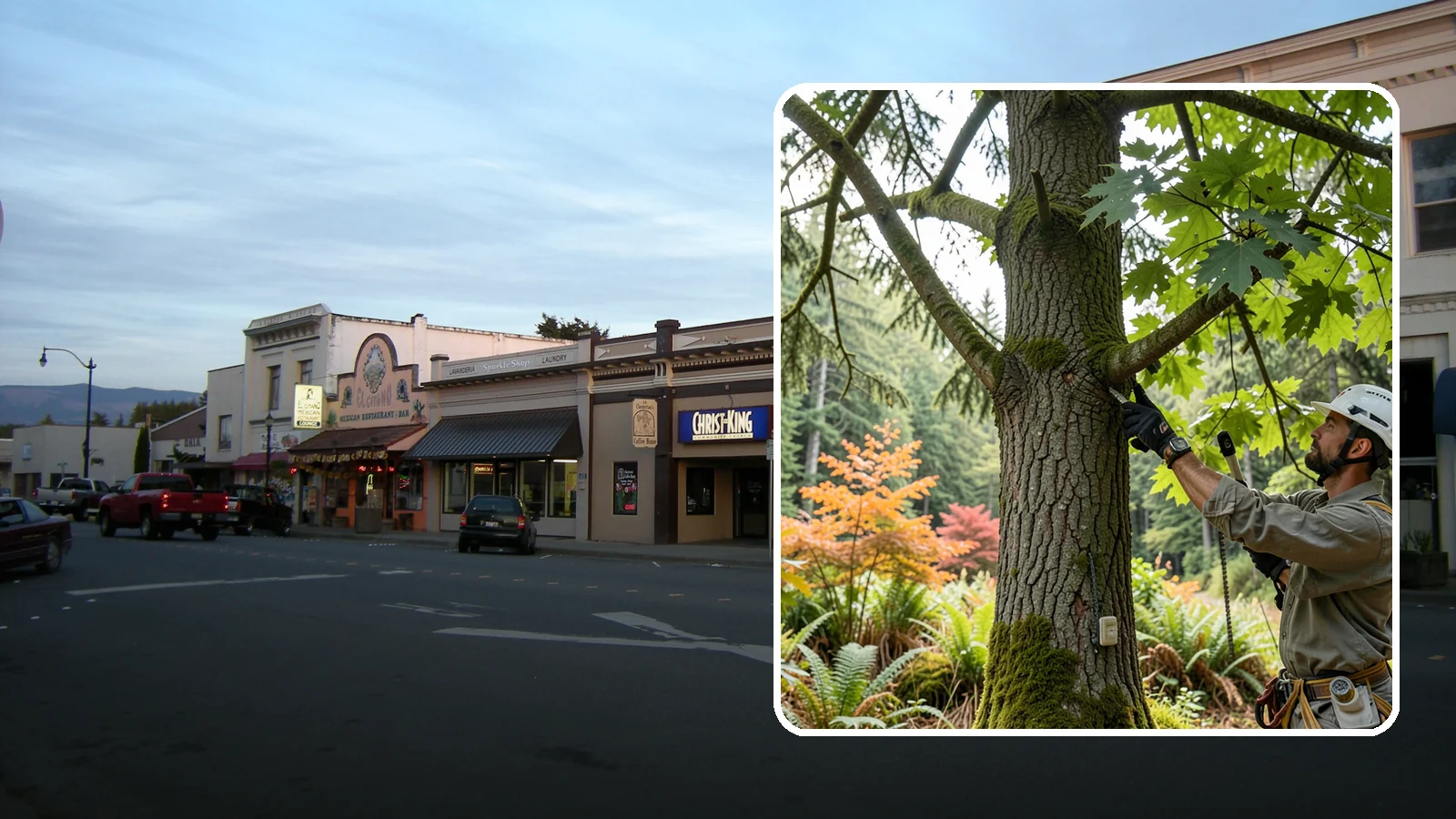
Burlington Tree Health Inspection
A professional evaluation of a tree’s overall condition.
In Burlington, the best time to look closely at a tree is late spring through early fall, when leaves are fully out and show their true condition. Thin crowns, small or off-color leaves and dead branches are easier to spot then. About 78% of the year's rain and snow falls from October to April (Daymet, 2005-2025), so wet-season problems often show up as symptoms by summer.
A tree health inspection is a careful look at a tree's roots, trunk, branches and crown to find signs of disease, decay, insects or structural weakness. It helps you decide whether to monitor, treat, prune or plan for removal.
About Tree Health Inspection in Burlington
A tree health inspection offers a professional look at your trees’ overall condition to help keep them safe and strong for years to come. This valuable check-up is designed specifically for homeowners who want to catch potential issues before they become serious problems. It serves as the first step in creating a customized care plan that supports long-term stability and life extension for valued specimens.
What Burlington Tree Health Inspection Includes
Tree health inspection provides an expert evaluation of your trees’ current status, focusing on identifying early warning signs of trouble. Our trained crews follow recognized arboricultural standards to assess soil quality, root structure, pest presence, and disease indicators while matching methods to each tree’s specific species and site conditions. The goal is to clearly identify contributing factors like compacted soils or girdling roots so you can guide an effective care plan forward.
Burlington Tree Health Inspection Process
Our team begins by carefully inspecting the tree within its surrounding environment to understand how soil, pests, or past construction might be affecting it. Once we have identified these issues, we recommend and apply appropriate treatments while documenting our findings for your records. We ensure that follow-up care is planned based on accurate documentation of conditions found during the initial visit.
Equipment We Use for Burlington Tree Health Inspection
To get a complete picture, we utilize diagnostic tools along with soil probes and sampling kits to examine what lies beneath the surface. Depending on access needs or wet season conditions, our crews may bring air excavation tools to gently assess root zones without causing damage. We also use specialized injection equipment for treatments while wearing necessary personal protective gear throughout the workday.
Burlington Tree Health Inspection Safety & Best Practices
During any inspection involving products, we strictly follow label instructions and application guidelines to ensure everyone remains safe. Our methods are designed to protect your soil and surrounding plantings while avoiding accidental damage to roots or trunks during our visit. We take great care to document all conditions accurately so that future treatments remain effective without risking the tree’s health.
Signs You Need Tree Health Inspection in Burlington
You may need this service if you notice signs of decline caused by poor soils, pests, disease, or changes in ground grade from past construction. Girdling roots and other hidden issues often go unnoticed until a professional evaluation reveals them early enough to prevent escalation. If your trees have experienced stress from environmental shifts or nearby development, an inspection can help determine the best path forward for their recovery.
What Affects the Cost of Tree Health Inspection in Burlington
The investment for this service varies based on several factors including the specific species of tree being evaluated and the complexity of diagnosing soil issues. Site conditions such as difficult access requirements will also influence how much time and resources are needed to complete a thorough assessment. Additionally, identifying pests or diseases requires specialized attention that impacts the overall cost structure of your care plan.
Best Time of Year for Burlington Tree Health Inspection
In our Puget Sound climate, you can schedule this inspection at any point throughout the year since trees remain active in most seasons. However, during wetter periods, we may need to use air excavation tools specifically to effectively assess root zones without getting bogged down by mud or water. Planning your visit allows us to choose the right timing and equipment for clear results regardless of current weather patterns.
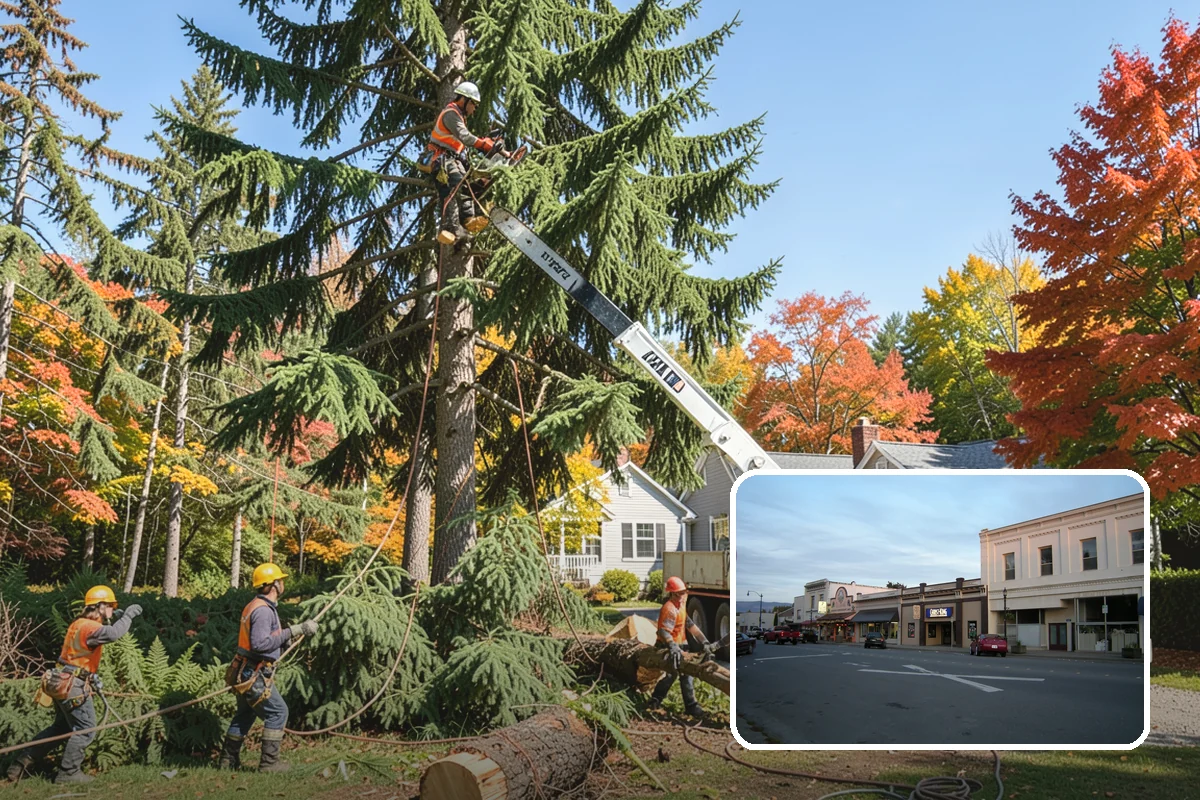
Planning a tree health inspection in Burlington
Start by noting what you see. Write down dead twigs, mushrooms at the base, cracks, oozing sap, leaning, or leaves that drop early. Photos taken a few weeks apart show whether something is changing. Bring these notes to the visit.
Local context helps, with limits. A federal aerial survey (USDA Forest Service and WA DNR, 2021-2025) mapped damage in forest within 10 km of Burlington. This is forest land, not street or yard trees. The largest category was 3,555 acres of decline with no cause identified, meaning dieback where no single cause was found. It listed bigleaf maple and western redcedar among the affected trees. That tells us dieback is worth taking seriously, but it says nothing about the trees on your property. Only a look at the tree can do that.
Species matters for Douglas-fir. WSU HortSense says trees infected with laminated root rot are considered hazardous and extremely prone to wind damage. So a Douglas-fir with thinning crown or signs at the roots deserves a closer look, especially if it stands near a house, driveway or play area.
Scope depends on the number of trees, their size and access, and what questions you have. A single concern, such as one leaning maple, is a smaller job than a review of every tree on a lot. Targets also shape the work. A tree over a roof calls for more attention than one in a back corner.
On the day, the ISA Certified Arborist looks at the whole tree from the ground up. That usually means checking the root flare and soil, walking around the trunk, looking for wounds or fungal growth, and studying the crown for dieback and weak unions. We may probe or tap suspect areas. Afterward, we explain what we found and what options make sense. If a tree may need removal, we check city rules with Burlington before any work starts.
Practical tip: don't pile mulch against the trunk. Keep it a few inches back so the root flare stays visible for inspection.
Burlington tree conditions at a glance
| USDA hardiness zone | 8b |
|---|---|
| Soils | 4% of land has hardpan or another restrictive layer within 40 in; most common series Field |
| Rain and snow falling October to April | 78% of the year’s total |
| Days with 0.1 in or more of rain | 107 a year |
| Days that freeze at night and thaw by day | 35 a year |
Tree health near Burlington
- Decline, cause not identified3,555 ac
- Western tent caterpillar433 ac
- Bears244 ac
Forest damage mapped from the air within 10 km of Burlington, 2021-2025 (USDA Forest Service and WA DNR). This covers forest land, not street or yard trees. “Decline, cause not identified” is dieback with no single cause found.
Sources: Daymet daily weather (NASA/ORNL), NOAA Storm Events, USDA plant hardiness map 2023, NRCS soil survey, USGS elevation, WA DNR landslide inventory, USDA Forest Service aerial survey, WSDA, city tree assessments and street-tree inventories, SILVIS Lab, Arbor Day Foundation, and official city and utility pages.
Tree Health Inspection Serving Burlington
Burlington
Tree health inspection in nearby areas
Also serving Burlington
- Tree Transplanting in Burlingtonat Washington Landscaping
- Right-of-Way Maintenance in Burlingtonat Washington City Services