Where Safety Meets Expert Tree Service.

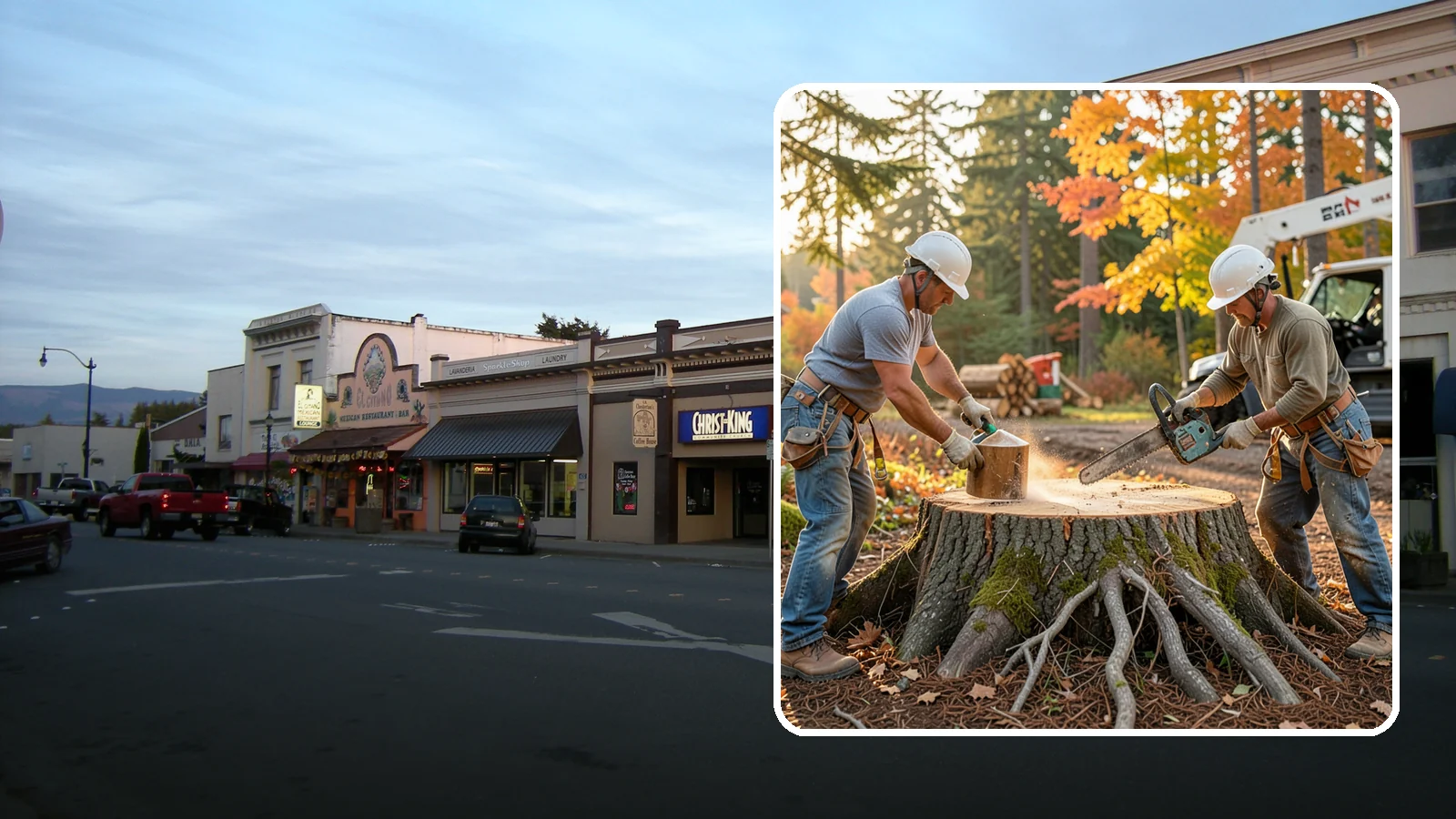
Burlington Stump Chemical Treatment
The application of approved products to speed stump breakdown or prevent resprouting.
The best time to start a stump chemical treatment in Burlington is early in the wet season, once the stump has been cut fresh and the ground is soaking up water. About 78% of the city's yearly rain and snow falls from October to April (Daymet, 2005-2025). Moisture helps a treated stump stay damp, which is the condition that fungi and microbes need to break wood down.
Chemical treatment does not remove a stump overnight. It speeds up decay so the wood softens over months, and it suits owners who are not in a hurry to replant or build on the spot.
About Stump Chemical Treatment in Burlington
If you have stubborn stumps that won’t go away or are sprouting new growth after removal, our stump chemical treatment can help clear the space safely. This solution is ideal for homeowners who need to remove tripping hazards without using a grinder on difficult sites. We work with your property’s specific conditions to get your ground ready again.
What Burlington Stump Chemical Treatment Includes
Our team applies approved products designed to speed up natural breakdown or stop unwanted regrowth from remaining stumps. This approach allows us to reclaim usable land and discourage pests while preparing the area for future planting or surface use. It is a practical choice when grinding simply isn’t possible due to access issues or other site constraints.
Burlington Stump Chemical Treatment Process
We begin by locating underground utilities and marking them clearly before starting any work in your yard. After clearing debris around the stump, we apply the necessary treatment methods matched to your specific tree species and soil conditions. Once applied, we monitor progress until the chemicals have effectively done their job according to recognized standards.
Equipment We Use for Burlington Stump Chemical Treatment
Trained crews use specialized application tools along with excavation equipment to manage the site carefully during this process. We also bring wheelbarrows for debris removal and wear full personal protective gear while working near your home. All methods are selected based on how much access we have to reach each stump safely.
Burlington Stump Chemical Treatment Safety & Best Practices
Before any work begins, our crew confirms that all underground utilities are located to prevent accidental damage during treatment application. We keep bystanders away from the area and ensure everyone wears eye and hearing protection while handling chemicals or equipment. Our team also takes extra care when working near buried obstructions or uneven ground around your property lines.
Signs You Need Stump Chemical Treatment in Burlington
You may need this service if you have stumps that continue to sprout new shoots despite previous removal attempts. It is especially useful where a grinder cannot reach the stump due to tight spaces, rocks in the soil, or limited yard access. If you want to eliminate tripping hazards and reclaim your lawn without heavy machinery, chemical treatment might be right for you.
What Affects the Cost of Stump Chemical Treatment in Burlington
The final cost depends on how many stumps need treating and their individual sizes across your property. We also consider the specific chemical products required, whether multiple applications are needed over time, and how long it takes for each stump to fully break down. These factors help us determine a fair price tailored to your unique situation rather than using one-size-fits-all pricing.
Best Time of Year for Burlington Stump Chemical Treatment
This treatment can generally be performed year-round in our local weather patterns as long as conditions remain dry enough for proper application. To effectively prevent new growth from emerging, we recommend scheduling the service before spring shoots start appearing on nearby trees or shrubs. Planning ahead ensures the chemicals work best without being washed away by heavy rain too soon after treatment.
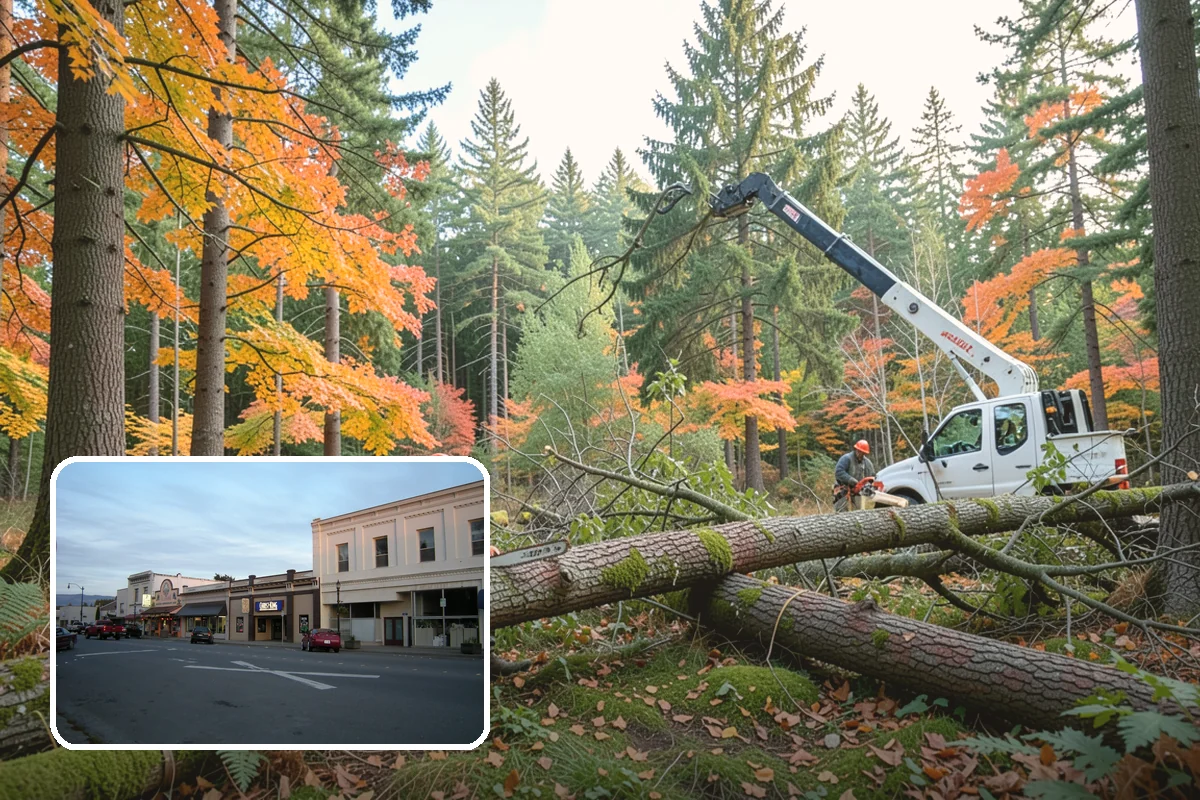
Planning stump treatment in Burlington
Start by deciding what you want the spot to become. If you plan to plant or lay a patio soon, grinding is usually the faster route. Chemical treatment fits when you can wait and want to avoid heavy machinery on the lawn.
What affects the scope
Stump size and age matter most. A fresh, large stump takes more product and more time to soften than a small, dried-out one. Drilled holes in the top and sides let the treatment reach deeper wood, so the number of holes depends on the stump's width. Roots that run close to the surface may need attention too.
Soil can also play a part. The NRCS soil survey shows that only 4% of Burlington's land has a hard or restrictive layer, such as glacial hardpan, within 40 inches of the surface, and the most common soil series is Field. That is a citywide figure, not a reading for your yard. It suggests drainage is not usually blocked by hardpan, but we look at how water behaves around your stump before we decide how to apply the product.
Nearby plants are another factor. Treatment products can affect roots of other plants, so we consider what is growing close by. We also ask whether the stump is near a vegetable bed, a well, or a spot where children or pets play.
What to expect on the day
The work itself is short. We clear loose debris, drill holes, apply the treatment, and explain how to care for the stump afterward. Decay then happens gradually. Expect the wood to soften over several months, not days, and plan on breaking down or removing what remains once it is spongy.
Practical tip: keep the stump damp and covered with a tarp or a layer of mulch through the wet months. That keeps the wood moist and slows evaporation, and it keeps people and pets off the treated surface. If you want a free estimate, call or text 425-484-4442.
Burlington tree conditions at a glance
| Soils | 4% of land has hardpan or another restrictive layer within 40 in; most common series Field |
|---|---|
| Rain and snow falling October to April | 78% of the year’s total |
| Days that freeze at night and thaw by day | 35 a year |
Tree removal rules in Burlington
Significant trees may not be removed without prior authorization from the department, BUT the significant-tree rules do not apply to trees within the boundaries of an existing landscaped yard associated with an individual dwelling (except redevelopment projects), nor to construction of a single detached dwelling, duplex or small multiunit building or land divisions of four lots or less. So ordinary removal in an existing single-family yard needs no tree approval outside critical areas.
Regulated size: 6 inches DBH (multi-stem: any stem at least 4 in. measured 6 in. from the trunk joint).
Official city source. Rules change; we confirm with the city before work starts.
Sources: Daymet daily weather (NASA/ORNL), NOAA Storm Events, USDA plant hardiness map 2023, NRCS soil survey, USGS elevation, WA DNR landslide inventory, USDA Forest Service aerial survey, WSDA, city tree assessments and street-tree inventories, SILVIS Lab, Arbor Day Foundation, and official city and utility pages.
Stump Chemical Treatment Serving Burlington
Burlington

Stump chemical treatment in nearby areas
Also serving Burlington
- New Lawn Installation in Burlingtonat Washington Landscaping
- Park Tree Maintenance in Burlingtonat Washington City Services