Where Safety Meets Expert Tree Service.

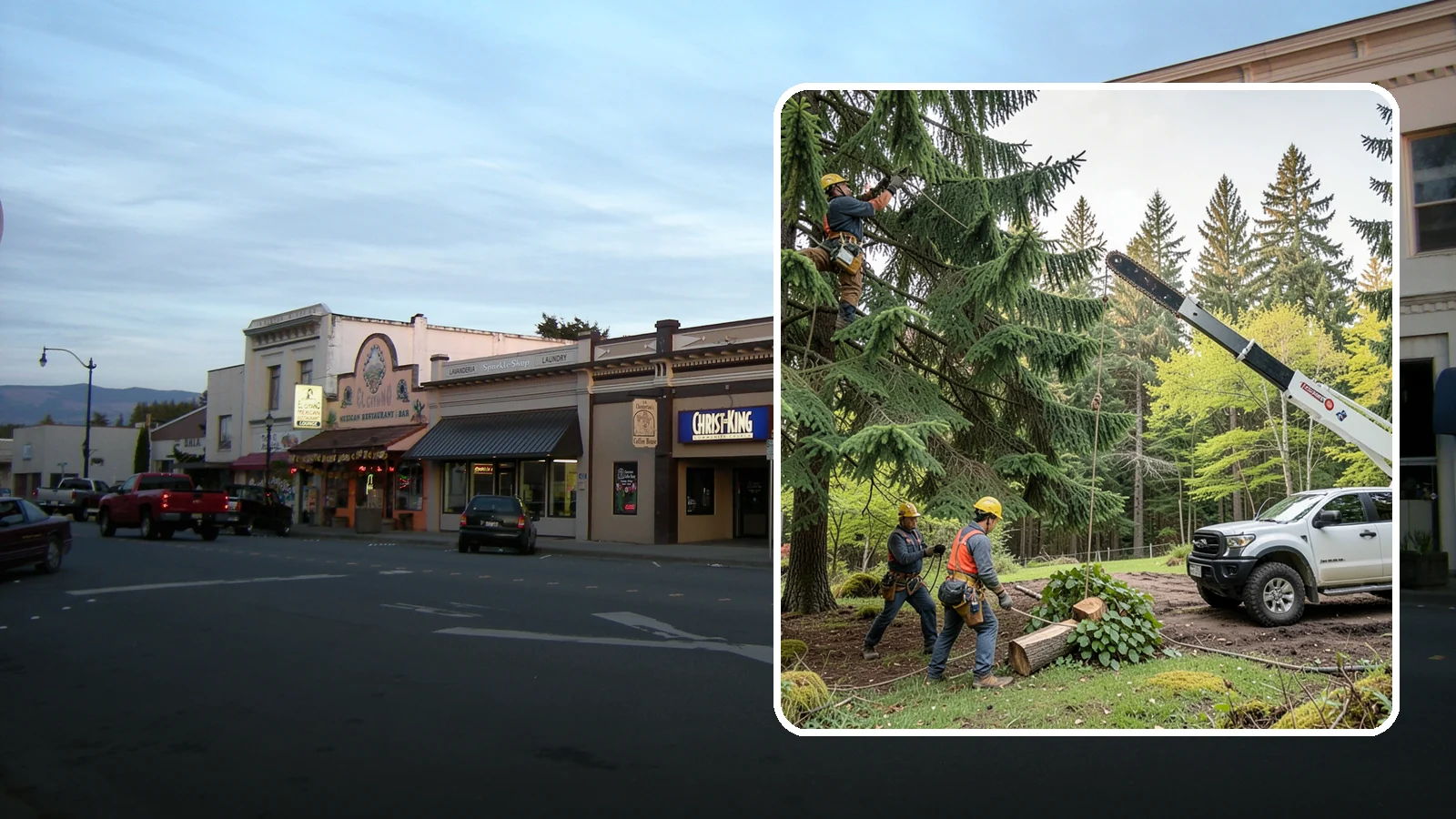
Burlington Small Tree Removal
The removal of small or young trees.
Can I just cut down a small tree in my Burlington yard? Sometimes, but the answer depends on where the tree stands and how big it is. Start by measuring the trunk diameter at breast height (DBH), and note whether the tree sits inside a landscaped yard around a house.
Small removals are often simple jobs. Still, a tree that leans over a roof, a line or a fence needs a plan for where each piece will fall. Look at the trunk base, the lean and any dead wood before you decide what to do.
About Small Tree Removal in Burlington
We specialize in taking down small or young trees that may be causing trouble on your property. Our trained crews work efficiently to clear these compact trees while keeping your home and landscape safe. This service is perfect for homeowners who need space opened up without the complexity of larger removal jobs.
What Burlington Small Tree Removal Includes
Small tree removal focuses specifically on removing smaller, younger specimens from your yard or garden. The process includes carefully taking down limbs or felling the stem in a controlled sequence to ensure safety. We handle everything from rigging and lowering branches to processing wood and clearing debris so you are left with a clean site.
Burlington Small Tree Removal Process
Our team starts by assessing hazards and establishing clear drop zones around your property before beginning work. Once safe access is confirmed, we use specific methods matched to the tree species and current ground conditions. After the tree comes down, we process the wood, haul away debris, and perform final cleanup to restore your area.
Equipment We Use for Burlington Small Tree Removal
We utilize chainsaws and climbing gear to safely reach and remove branches from these smaller trees. Depending on site access needs, an aerial lift or crane may be brought in to assist with lowering limbs or stems. Additional tools like a wood chipper and ground protection mats help us work efficiently while protecting your landscaping.
Burlington Small Tree Removal Safety & Best Practices
Safety is our priority as we maintain clear drop zones and identify any overhead utility lines before starting. We inspect every tree for hidden decay or structural defects that could change how it needs to be taken down. Our crew uses fall protection gear and maintains constant communication between climbers and ground workers throughout the job.
Signs You Need Small Tree Removal in Burlington
You might need this service if a young tree is leaning unpredictably toward your house, fence, or power lines. Signs of hidden internal decay or limited space for equipment often indicate that professional removal is necessary to prevent accidents. If you notice pests spreading from one small tree to others nearby, removing the source can help protect your entire grove.
What Affects the Cost of Small Tree Removal in Burlington
The price depends on factors like the specific size of the tree and how difficult it will be to access the site. Hidden issues such as internal decay or proximity to power lines may require specialized rigging techniques that affect pricing. Additionally, the complexity of processing and hauling away the debris plays a significant role in determining the final cost.
Best Time of Year for Burlington Small Tree Removal
In our local climate, this work can generally be done at any time during the year for small trees. However, we exercise extra caution during wet seasons when soft ground makes equipment access harder and increases fall hazards. Planning your project outside of heavy rain periods ensures a safer environment for both our crew and your property.

Small tree removal in Burlington: size, yard and timing
Check the size and the rule first
Burlington's city code (Title 17, on the city's website) says significant trees may not be removed without prior authorization from the department. The regulated size is 6 inches DBH. For a multi-stem tree, the rule counts any stem of at least 4 inches, measured 6 inches from the trunk joint. So measure each stem, not just the biggest one.
The same code says the significant-tree rules do not apply to trees within the boundaries of an existing landscaped yard associated with an individual dwelling, except redevelopment projects. The text continues with other exceptions that I won't summarize here. That rule covers removal only. It does not speak to pruning or other work. If your site is unclear, for example part yard and part wooded lot, we check with the city before any work starts.
How a small removal is done
Standard practice is to look over the tree first: lean, decay, nearby structures and where the ground is clear. Small trees are often taken down in sections, with the crew controlling each piece rather than dropping the whole tree. Stump grinding is a separate step, so say whether you want the stump left or ground out.
Plan around the wet season
Daymet data for 2005 to 2025 shows that 78% of Burlington's yearly rain and snow falls from October to April. Wet soil is softer, and heavy equipment can rut a lawn. Drier months usually make access easier and leave less mess. If a tree is hazardous, though, do not wait for dry weather.
Burlington is in USDA hardiness zone 8b (USDA map, 2023). If you plan to replant, that zone helps you choose species that handle local winters. Our ISA Certified Arborist can talk through options, and estimates are free at 425-484-4442.
Burlington tree conditions at a glance
| USDA hardiness zone | 8b |
|---|---|
| Slopes | Some steep slopes |
| Soils | 4% of land has hardpan or another restrictive layer within 40 in; most common series Field |
| High and strong wind episodes, 2005-2025 | 33 in the forecast zone |
| Electric utility | Puget Sound Energy (PSE) |
Tree removal rules in Burlington
Significant trees may not be removed without prior authorization from the department, BUT the significant-tree rules do not apply to trees within the boundaries of an existing landscaped yard associated with an individual dwelling (except redevelopment projects), nor to construction of a single detached dwelling, duplex or small multiunit building or land divisions of four lots or less. So ordinary removal in an existing single-family yard needs no tree approval outside critical areas.
Regulated size: 6 inches DBH (multi-stem: any stem at least 4 in. measured 6 in. from the trunk joint).
Official city source. Rules change; we confirm with the city before work starts.
Trees near the power line to your house
Puget Sound Energy (PSE): Service line (wire from PSE pole to home or meter pole): PSE does not trim it; homeowner/private arborist trims.
PSE performs a safety disconnection so the homeowner or private tree trimmer/arborist can work; Call at least 5 business days ahead to check crew availability and potential charges.
Safety disconnect: 1-888-321-7779 (5+ business days ahead). Utility page.
Any fee for a disconnect is set by the utility.
Strongest wind events near Burlington
- Dec 14, 2006: gusts to 85 mph
- Feb 3, 2006: gusts to 78 mph
- Nov 15, 2006: gusts to 74 mph
NOAA Storm Events, forecast zone that includes Burlington, 2005-2025.
Sources: Daymet daily weather (NASA/ORNL), NOAA Storm Events, USDA plant hardiness map 2023, NRCS soil survey, USGS elevation, WA DNR landslide inventory, USDA Forest Service aerial survey, WSDA, city tree assessments and street-tree inventories, SILVIS Lab, Arbor Day Foundation, and official city and utility pages.
Small Tree Removal Serving Burlington
Burlington
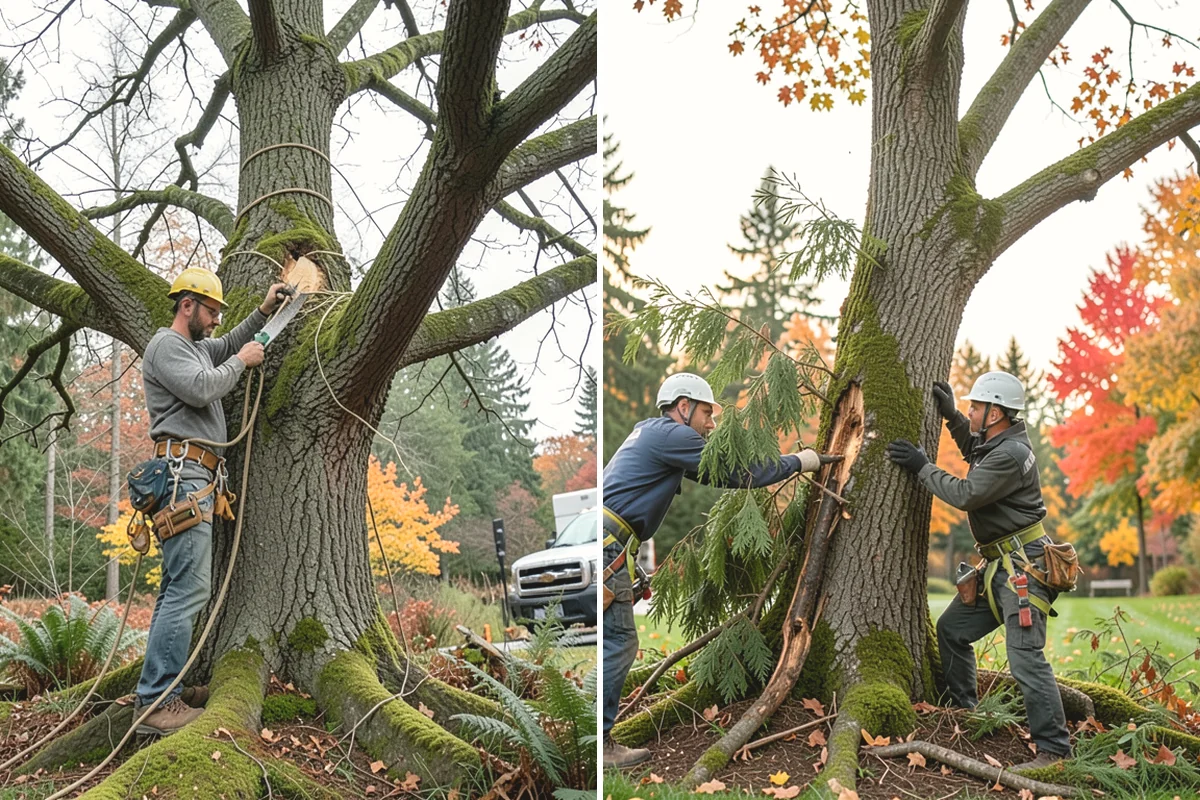

Small tree removal in nearby areas
Also serving Burlington
- Seasonal Color Rotation in Burlingtonat Washington Landscaping
- Brush Clearing in Burlingtonat Washington City Services
- Customer Tree Processing in Burlingtonat Washington Firewood