Where Safety Meets Expert Tree Service.

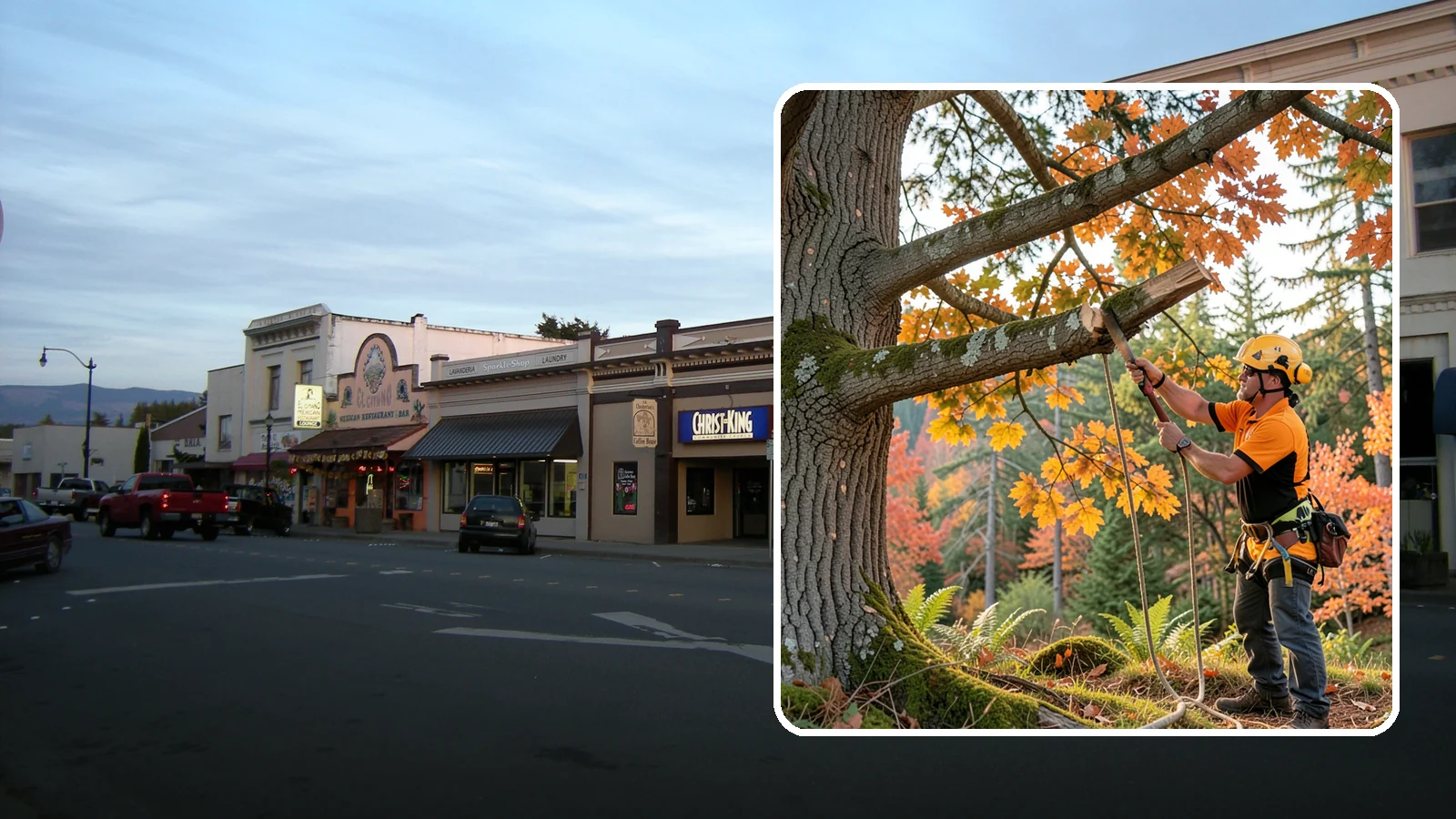
Burlington Ornamental Tree Pruning
The detailed pruning of ornamental and specimen trees.
When should I prune my ornamental tree in Burlington? Start by deciding what the cut is for. Remove dead, broken or crossing branches, and keep the cuts small. Ornamental trees such as flowering cherry, dogwood and Japanese maple show their structure well, so a few careful cuts usually do more than heavy trimming.
Look at the tree from a distance first. Note any branches rubbing together, shoots crowding the center, or limbs hanging toward the roof or walkway. Those are good targets for a first pass.
About Ornamental Tree Pruning in Burlington
We provide detailed pruning specifically designed for ornamental and specimen trees that add beauty to your home landscape. This careful attention helps maintain the unique form and flowering habits of these special plants while keeping them healthy. Our trained crews work with you to ensure every cut supports long-term vigor without stressing the tree.
What Burlington Ornamental Tree Pruning Includes
Ornamental tree pruning is a specialized service focused on maintaining the structure, health, and appearance of your prized trees. We select methods that match each specific species and site condition to improve clearance and reduce the risk of branch failure. The goal is always to enhance overall form while avoiding harmful over-pruning or improper cuts.
Burlington Ornamental Tree Pruning Process
Our work begins with an assessment of canopy conditions and clear discussions about your pruning objectives for each tree. Crews then select the correct cuts based on species needs, making clean incisions at proper points without removing too much live tissue. Finally, we lower cut material safely, process it efficiently, and leave your property completely cleaned up after completion.
Equipment We Use for Burlington Ornamental Tree Pruning
To perform this work accurately, our teams use hand saws, pole saws, chainsaws, and climbing gear suited to the tree’s height. We bring aerial lifts when necessary for safe access and utilize wood chippers to manage the volume of cut material effectively. All crew members wear personal protective equipment throughout the job to ensure a secure environment for everyone involved.
Burlington Ornamental Tree Pruning Safety & Best Practices
Safety is central to our approach, so we follow recognized standards that avoid harmful cuts while limiting removal to healthy amounts of live tissue. Our crews stay alert for overhead power lines and unstable limbs before making any incisions or working aloft. When climbing trees, every team member uses proper fall protection to prevent accidents during the pruning process.
Signs You Need Ornamental Tree Pruning in Burlington
You may need this service when you notice deadwood, weak unions, or branches interfering with structures and utility lines. If your ornamental tree is losing its desired shape or flowering potential due to neglect, it could be time for a professional evaluation. Signs of stress from previous improper cuts often indicate that corrective pruning is needed to restore the tree’s natural balance.
What Affects the Cost of Ornamental Tree Pruning in Burlington
The investment varies based on factors such as the size and canopy complexity of your specific trees. Site access challenges like overhead lines or nearby structures can also influence how much time and effort are required for disposal. Additionally, the volume of cut material that needs processing plays a role in determining the overall cost of the project.
Best Time of Year for Burlington Ornamental Tree Pruning
Pruning schedules should be timed according to species-specific sensitivities within our local Puget Sound climate rather than following a generic calendar. For flowering trees that bloom early, we typically avoid dormant seasons to protect their ability to produce blossoms next year. We also account for wet winter conditions when planning the best time to perform cuts on your ornamental specimens.
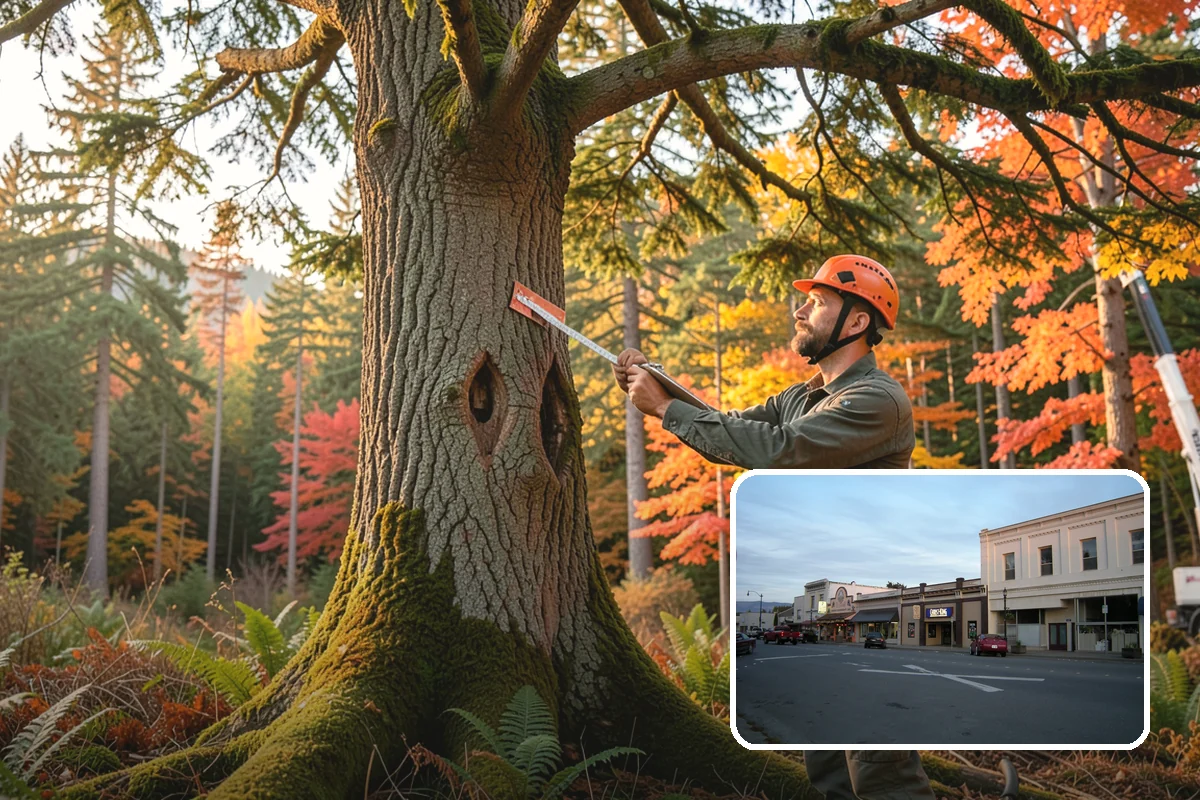
Pruning ornamental trees in Burlington: what to plan for
Take only what the goal requires
The WSU Extension Pacific Northwest Gardener's Handbook says a tree's tolerance for pruning ranges from zero to 25% of its live canopy. It advises taking the least live tissue that accomplishes the goal. For an ornamental, that means we name the goal first: clearance, removing a damaged limb, or reducing crowding. Then we make only the cuts that serve it. Small trees have little canopy to spare, and heavy cuts can leave them stressed and sprouting weak shoots. We do not recommend topping.
Wet months shape the schedule
Daymet weather data for 2005 to 2025 shows that 78% of Burlington's yearly rain and snow falls from October to April. Pruning wounds sit open to that moisture for much of the year, so the timing of each job deserves thought. Many fungi that infect cuts are more active in wet weather, which is one reason owners often plan routine work for drier months. Some species have their own timing needs, such as flowering trees where cutting at the wrong time removes next season's blooms. We can talk through your species when we look at the tree.
Wind and weak branches
The National Weather Service forecast zone that includes Burlington recorded 33 high and strong wind episodes from 2005 to 2025. That is a zone-wide figure, not a reading for your yard. It is still a reason to deal with split unions, cracked limbs and heavy branches over a house or driveway before a storm tests them. Thinning a little weight from a long limb can also reduce strain on it.
If you are unsure what a tree needs, call or text 425-484-4442 for a free estimate. Our ISA Certified Arborist can walk through the options with you.
Burlington tree conditions at a glance
| USDA hardiness zone | 8b |
|---|---|
| Rain and snow falling October to April | 78% of the year’s total |
| Days that freeze at night and thaw by day | 35 a year |
| Electric utility | Puget Sound Energy (PSE) |
Trees near the power line to your house
Puget Sound Energy (PSE): Service line (wire from PSE pole to home or meter pole): PSE does not trim it; homeowner/private arborist trims.
PSE performs a safety disconnection so the homeowner or private tree trimmer/arborist can work; Call at least 5 business days ahead to check crew availability and potential charges.
Safety disconnect: 1-888-321-7779 (5+ business days ahead). Utility page.
Any fee for a disconnect is set by the utility.
Sources: Daymet daily weather (NASA/ORNL), NOAA Storm Events, USDA plant hardiness map 2023, NRCS soil survey, USGS elevation, WA DNR landslide inventory, USDA Forest Service aerial survey, WSDA, city tree assessments and street-tree inventories, SILVIS Lab, Arbor Day Foundation, and official city and utility pages.
Ornamental Tree Pruning Serving Burlington
Burlington
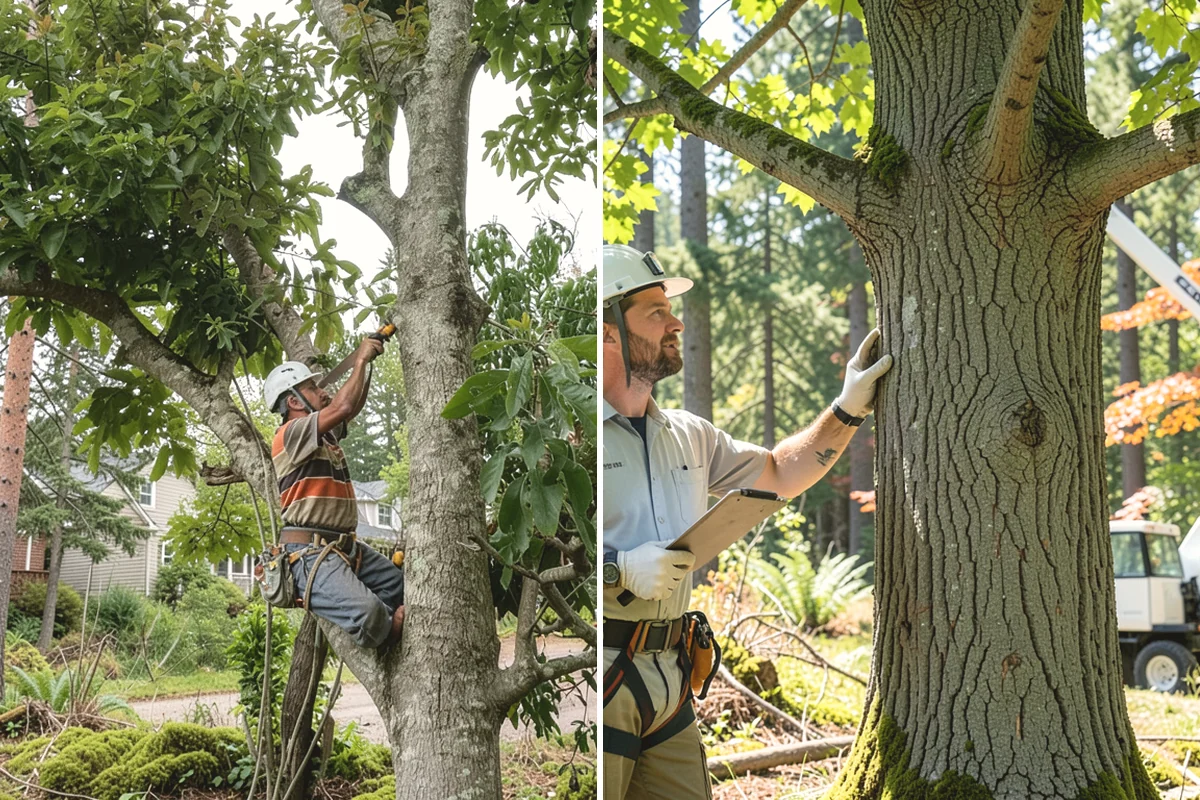
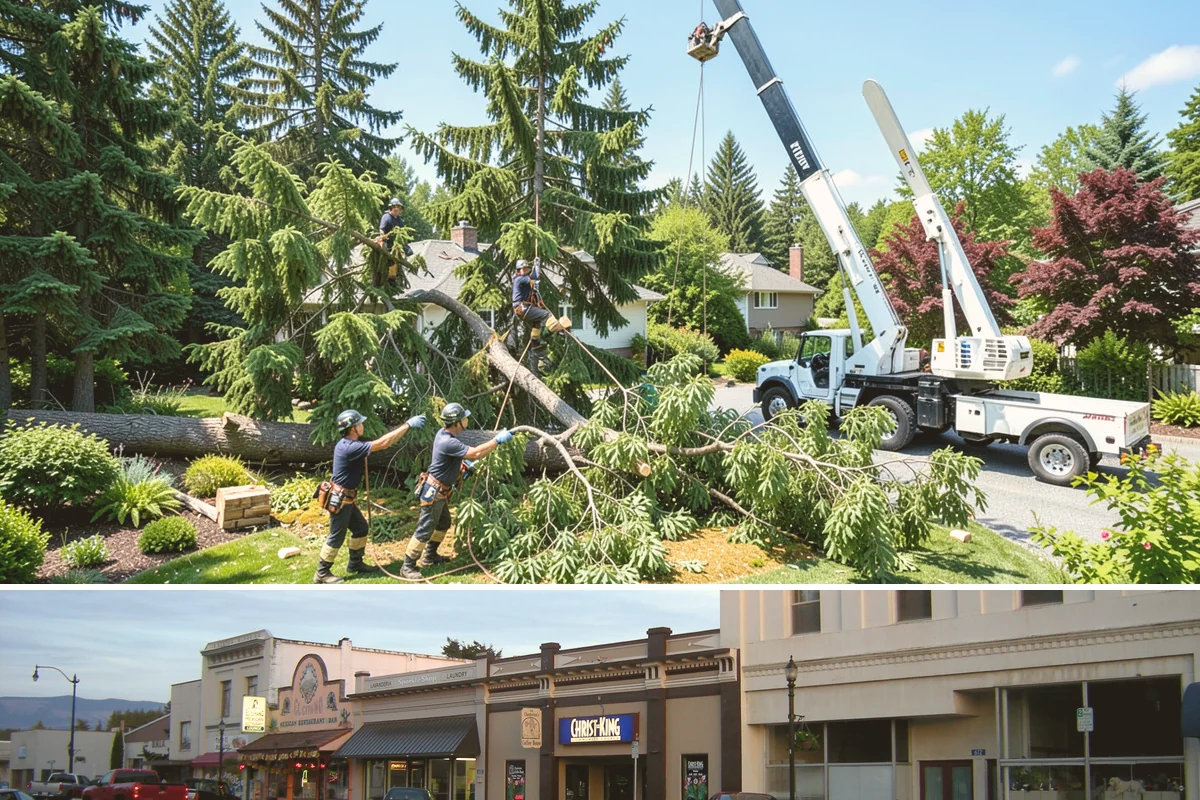
Ornamental tree pruning in nearby areas
Also serving Burlington
- Fruit Tree Pruning in Burlingtonat Washington Landscaping
- Roof Tune-Up in Burlingtonat Washington Roofing
- Storm Cleanup in Burlingtonat Washington City Services