Where Safety Meets Expert Tree Service.


Burlington Deep Root Fertilization
The injection of nutrients into the root zone.
In Burlington, the wet months are when the soil holds the most water, and that is a good time to plan deep root fertilization. About 78% of the city's yearly rain and snow falls from October to April, based on Daymet data for 2005 to 2025. Moist soil lets liquid fertilizer move down into the root zone instead of sitting at the surface.
If you are thinking about it, start by walking your yard. Note trees with thin canopies, small or pale leaves, or little new growth. Those notes help decide whether feeding is worth doing at all.
About Deep Root Fertilization in Burlington
Deep root fertilization is a targeted approach to tree health care that delivers essential nutrients directly into your landscape’s foundation. This service helps valued trees thrive by addressing issues like nutrient-poor or compacted soils before they become serious problems. It is designed for homeowners who want long-term stability and vitality in their existing canopy.
What Burlington Deep Root Fertilization Includes
The core of this treatment involves injecting specialized nutrients deep into the root zone where your tree can access them most effectively. Our trained crews match specific methods to the unique species, site conditions, and access points around each individual tree. This process supports overall health by improving soil quality while catching early signs of decline before they escalate.
Burlington Deep Root Fertilization Process
We begin with a thorough inspection of the tree and its surrounding environment to identify contributing factors such as pests or disease history. Based on these findings, we recommend and apply appropriate treatments tailored to your specific site conditions. Every step is documented carefully so you can track progress and plan for necessary follow-up care later on.
Equipment We Use for Burlington Deep Root Fertilization
Our crews utilize diagnostic tools and soil probes to assess the condition of the ground before starting work. We bring along injection equipment designed to deliver nutrients without damaging roots or trunks, alongside air excavation tools when needed for access. All team members wear personal protective equipment to ensure a safe environment during application.
Burlington Deep Root Fertilization Safety & Best Practices
Safety is paramount as we strictly follow label guidelines and application instructions for any products used on your property. We take extra care to protect surrounding plantings and the soil structure while avoiding damage to roots or trunks during injection. Accurate documentation of site conditions ensures that our work remains safe and effective throughout the entire process.
Signs You Need Deep Root Fertilization in Burlington
You may need this service if you notice trees struggling in areas where the ground has become compacted over time. Other indicators include decline caused by past construction, grade changes, girdling roots, or an inability to support healthy growth due to poor soil quality. Recognizing these issues early allows us to intervene and restore your landscape’s natural balance effectively.
What Affects the Cost of Deep Root Fertilization in Burlington
The investment for deep root fertilization varies based on the size of each tree requiring treatment. Accessibility matters significantly, as difficult-to-reach injection points or complex site conditions like steep grades can influence pricing. Ultimately, we tailor our approach to ensure you receive fair value that matches your specific landscape needs and budget constraints.
Best Time of Year for Burlington Deep Root Fertilization
While this service is available year-round in the Puget Sound region, weather patterns do affect how quickly we can complete certain tasks. During wetter seasons, we may need to use air excavation tools first to clear access before injecting nutrients into the root zone. Planning your project outside of heavy rain periods often allows for smoother execution and better results without delays.
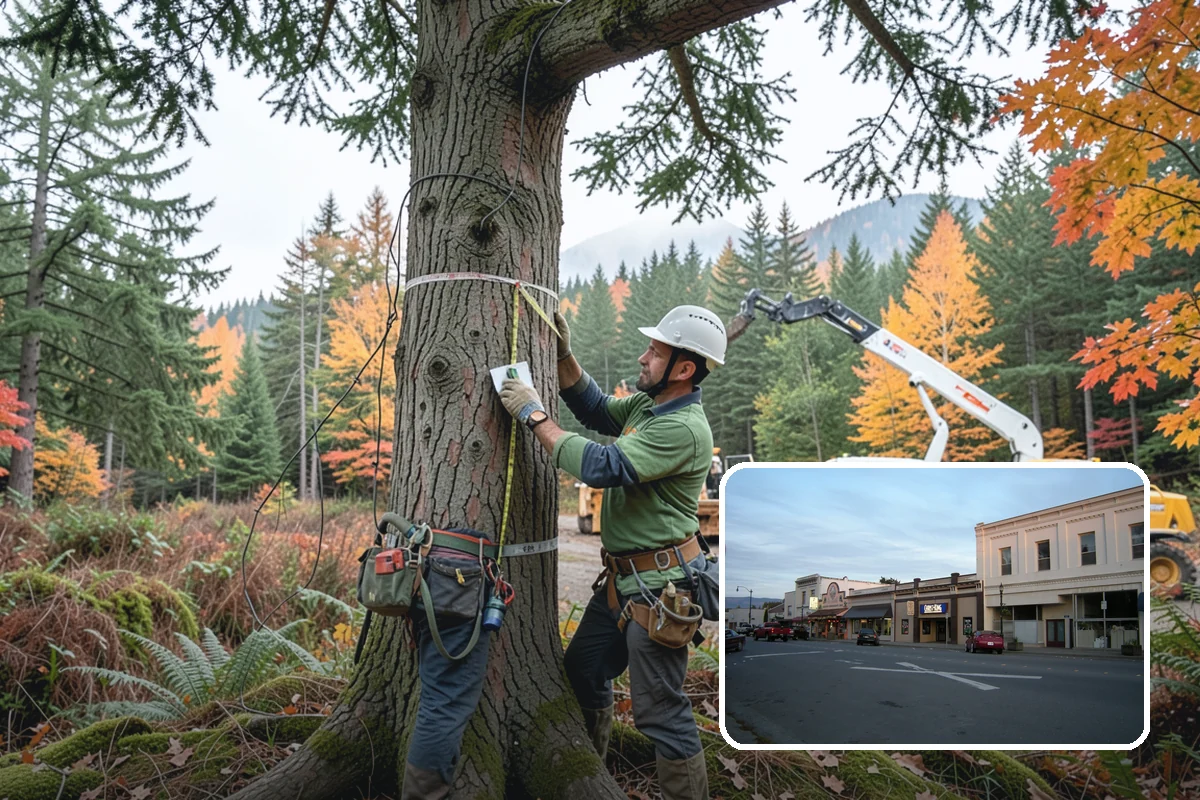
Planning deep root fertilization in Burlington
Deep root fertilization places liquid nutrients into the soil a few inches down, where fine feeding roots are active. It is not a cure for every struggling tree. Before anyone injects anything, the first question is why the tree looks the way it does. Compaction, root damage, drought stress, and pests can all cause thin foliage, and fertilizer will not fix those on its own.
What affects the scope
Tree size and the area under the canopy set how much ground we treat. Pavement, buildings, and slopes change where we can place the injection points. Soil matters too. The NRCS soil survey lists Field as the most common soil series in Burlington, and it shows that 4% of the land has a hard or restrictive layer, such as glacial hardpan, within 40 inches of the surface. That is a small share of the city, but if your lot sits on one, water and nutrients may not drain well below it. We would look at the site before deciding how deep and how heavily to apply.
Fertilizer is only worth applying if the tree needs it. A soil test can show whether a nutrient is actually low. Applying more than a tree needs wastes product and can harm roots.
What to expect on the day
A technician walks the site with you and confirms which trees are being treated. Then they push a probe into the soil in a pattern across the root zone and release the solution at low pressure. For most yards the work is quiet and takes a short visit. The soil is not dug up, and you can usually use the lawn right afterward.
If you have questions about the tree's health beforehand, our ISA Certified Arborist can look at it during a free estimate. Call or text 425-484-4442.
One practical tip: water matters as much as fertilizer. WSU HortSense advises that, to prevent leaf scorch, you should irrigate during dry periods and wet the entire root zone without overwatering. In Burlington's dry summer stretches, a slow soak under the canopy helps the tree use what we applied.
Burlington tree conditions at a glance
| USDA hardiness zone | 8b |
|---|---|
| Soils | 4% of land has hardpan or another restrictive layer within 40 in; most common series Field |
| Rain and snow falling October to April | 78% of the year’s total |
| Days with 0.1 in or more of rain | 107 a year |
| Days that freeze at night and thaw by day | 35 a year |
Tree health near Burlington
- Decline, cause not identified3,555 ac
- Western tent caterpillar433 ac
- Bears244 ac
Forest damage mapped from the air within 10 km of Burlington, 2021-2025 (USDA Forest Service and WA DNR). This covers forest land, not street or yard trees. “Decline, cause not identified” is dieback with no single cause found.
Sources: Daymet daily weather (NASA/ORNL), NOAA Storm Events, USDA plant hardiness map 2023, NRCS soil survey, USGS elevation, WA DNR landslide inventory, USDA Forest Service aerial survey, WSDA, city tree assessments and street-tree inventories, SILVIS Lab, Arbor Day Foundation, and official city and utility pages.
Deep Root Fertilization Serving Burlington
Burlington

Deep root fertilization in nearby areas
Also serving Burlington
- Ornamental Grass Cutting in Burlingtonat Washington Landscaping
- Weed Control in Burlingtonat Washington City Services