Where Safety Meets Expert Tree Service.

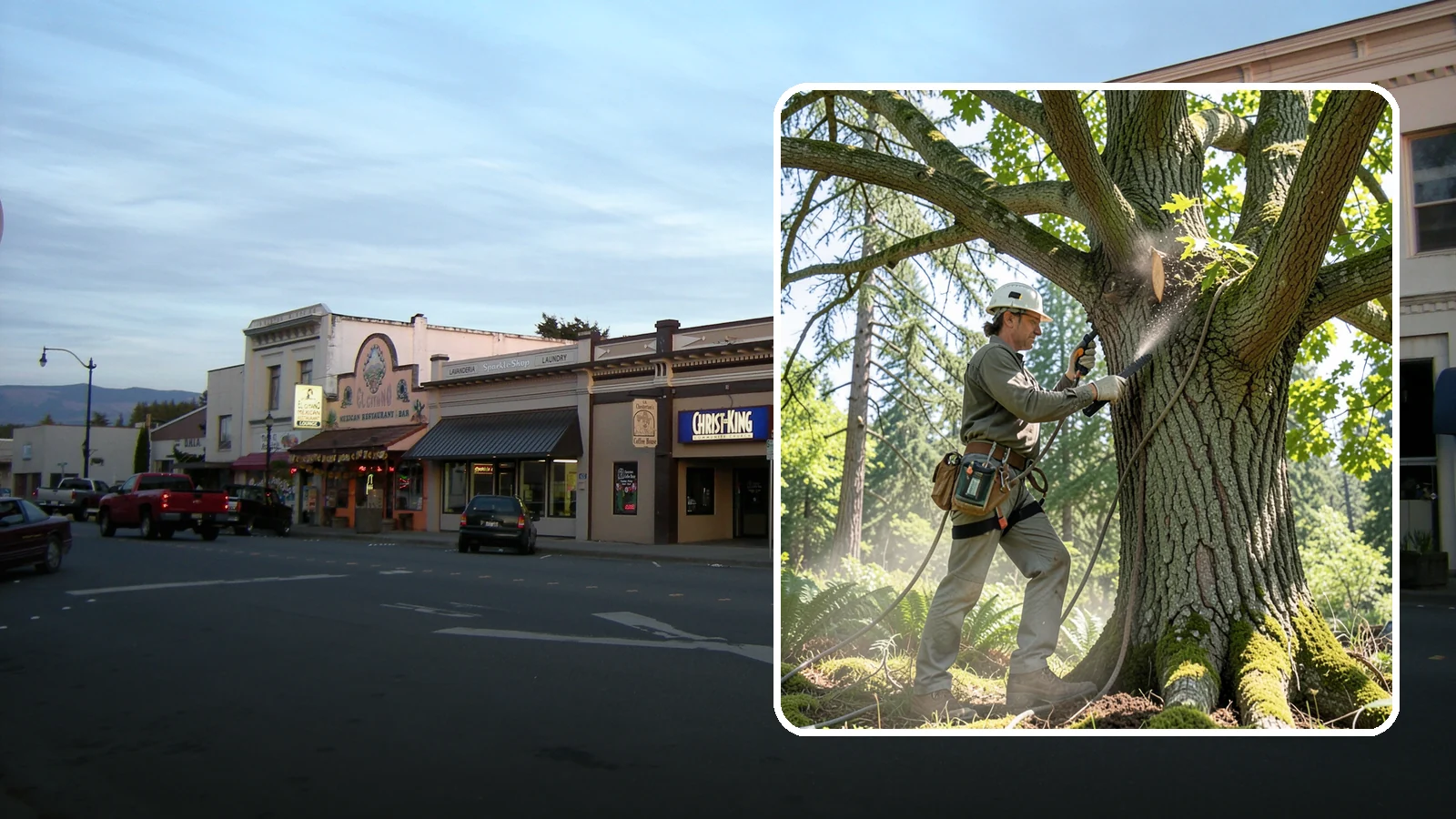
Burlington Air Spading
The use of compressed air to excavate soil without harming roots.
What is air spading, and when would you use it in Burlington? It is a way to remove soil from around tree roots using a fast jet of compressed air instead of a shovel or machine. The air loosens the soil and leaves the roots in place, so you can see what is going on below the surface.
People use it to find girdling roots, check for root damage before construction, or relieve compacted soil around a tree. If a tree is leaning, declining, or has a root flare buried under soil, this is a good first step.
About Air Spading in Burlington
Air spading is a gentle tree health care method that uses compressed air to carefully excavate soil without harming roots. This approach helps homeowners protect their valued trees by addressing hidden issues beneath the surface before they become serious problems. It supports long-term stability and extends the useful life of your landscape’s most important plants.
What Burlington Air Spading Includes
Our trained crews use this technique to inspect root systems, relieve compacted soils, and correct specific root conditions tailored to each tree species. The work is matched carefully to site conditions and access points to ensure effective treatment without unnecessary disturbance. By focusing on the soil environment around your trees, we help improve overall health and prevent future decline from past construction or grade changes.
Burlington Air Spading Process
We begin by inspecting the tree and its surrounding area to identify contributing factors like pests, disease, or poor soil structure. Once issues are identified, our team recommends and applies appropriate treatments while documenting findings for follow-up care. This step-by-step approach ensures that every treatment addresses the specific needs of your unique site conditions.
Equipment We Use for Burlington Air Spading
The job relies on specialized diagnostic tools, soil probes, sampling kits, and air excavation equipment as needed for each situation. We also use injection or application gear to deliver treatments safely while wearing full personal protective equipment throughout the work. These tools allow us to see what is happening underground without damaging sensitive root systems or surrounding plantings.
Burlington Air Spading Safety & Best Practices
Our crews follow strict label guidelines when applying any products and take steps to protect both soil quality and nearby vegetation. We avoid damage to roots and trunks during excavation by using methods that match the specific tree species at hand. Accurate documentation of site conditions helps ensure safe practices are maintained from start to finish on every job we complete.
Signs You Need Air Spading in Burlington
You might need air spading if your trees show signs of decline caused by compacted soil, girdling roots, or past construction damage. This service is especially useful when you suspect pests or disease are affecting root health but cannot be seen easily without excavation. Catching these problems early helps prevent them from escalating into major threats to tree stability and longevity.
What Affects the Cost of Air Spading in Burlington
The investment for this work depends on the size of your trees, how difficult it is to access their roots, and the complexity of the inspection required. Different species may need specific approaches that influence the overall scope of care needed at a particular site. We consider all these variables when determining what level of service best fits your property’s unique challenges.
Best Time of Year for Burlington Air Spading
In our local Puget Sound climate, air spading can generally be performed year-round to address ongoing tree health needs. However, during wetter seasons we may take special precautions to ensure soil stability while using compressed air for excavation. Planning the work around these conditions helps maintain safety and effectiveness regardless of when you choose to schedule a visit.
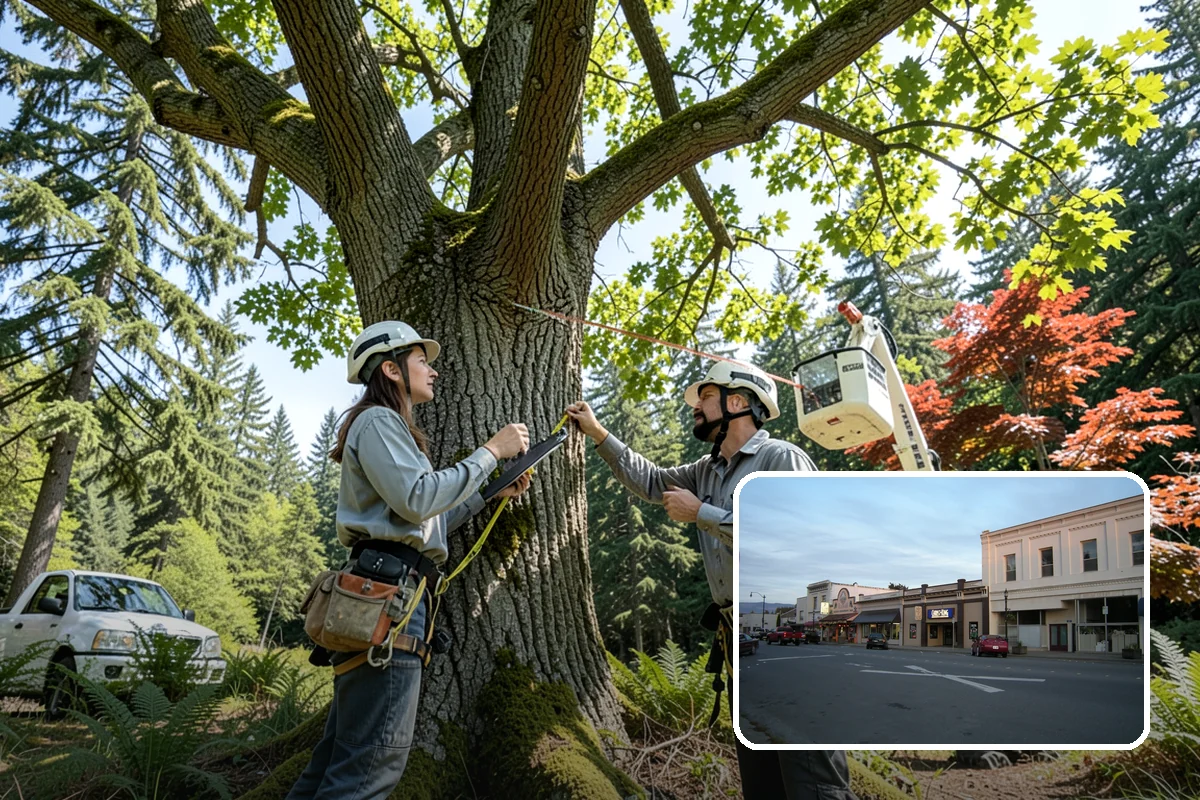
Air spading for Burlington trees and soils
What the work looks like
An air spade clears soil away in a controlled area around the trunk and roots. Once the roots are exposed, the arborist can look for circling or girdling roots, decay, cut or crushed roots, and soil piled too high against the trunk. Standard practice under ANSI A300 guidance is to correct what is found, such as cutting a girdling root, and then to put the soil or a better mix back carefully. We describe what we see, but we cannot promise a tree will recover.
Why the soil here matters
The NRCS soil survey shows that about 4% of the land in Burlington has a hard or restrictive layer, such as glacial hardpan, within 40 inches of the surface. The most common soil series is Field. That is a citywide figure, not a reading for your yard. It does tell us that most sites probably lack a shallow hardpan, but some do. If roots on your tree seem to spread sideways and stay shallow, that can be a clue. Exposing the roots shows us what is really there.
Timing and aftercare
Burlington gets 78% of its yearly rain and snow from October to April, based on Daymet data for 2005 to 2025. Soil is often wet through that stretch, and wet soil is easy to compact again once it is back around the roots. Work in drier months lets the soil go back in loose, and exposed roots should not sit dry for long. Roots should be covered or kept moist during the job.
After the work, a layer of arborist wood chips is a good mulch. WSU King County Master Gardeners recommend it in their tip sheet for western Washington gardeners. Keep the mulch a few inches back from the trunk. Burlington is in USDA zone 8b, so most common landscape trees are suited to the winter lows, and mulch mainly helps with moisture and soil health.
If you want a root check, call or text 425-484-4442 for a free estimate.
Burlington tree conditions at a glance
| USDA hardiness zone | 8b |
|---|---|
| Soils | 4% of land has hardpan or another restrictive layer within 40 in; most common series Field |
| Rain and snow falling October to April | 78% of the year’s total |
| Days with 0.1 in or more of rain | 107 a year |
| Days that freeze at night and thaw by day | 35 a year |
Tree health near Burlington
- Decline, cause not identified3,555 ac
- Western tent caterpillar433 ac
- Bears244 ac
Forest damage mapped from the air within 10 km of Burlington, 2021-2025 (USDA Forest Service and WA DNR). This covers forest land, not street or yard trees. “Decline, cause not identified” is dieback with no single cause found.
Sources: Daymet daily weather (NASA/ORNL), NOAA Storm Events, USDA plant hardiness map 2023, NRCS soil survey, USGS elevation, WA DNR landslide inventory, USDA Forest Service aerial survey, WSDA, city tree assessments and street-tree inventories, SILVIS Lab, Arbor Day Foundation, and official city and utility pages.
Air Spading Serving Burlington
Burlington

Air spading in nearby areas
Also serving Burlington
- Topiary Pruning in Burlingtonat Washington Landscaping
- Landscape Renovations in Burlingtonat Washington City Services