Where Safety Meets Expert Tree Service.

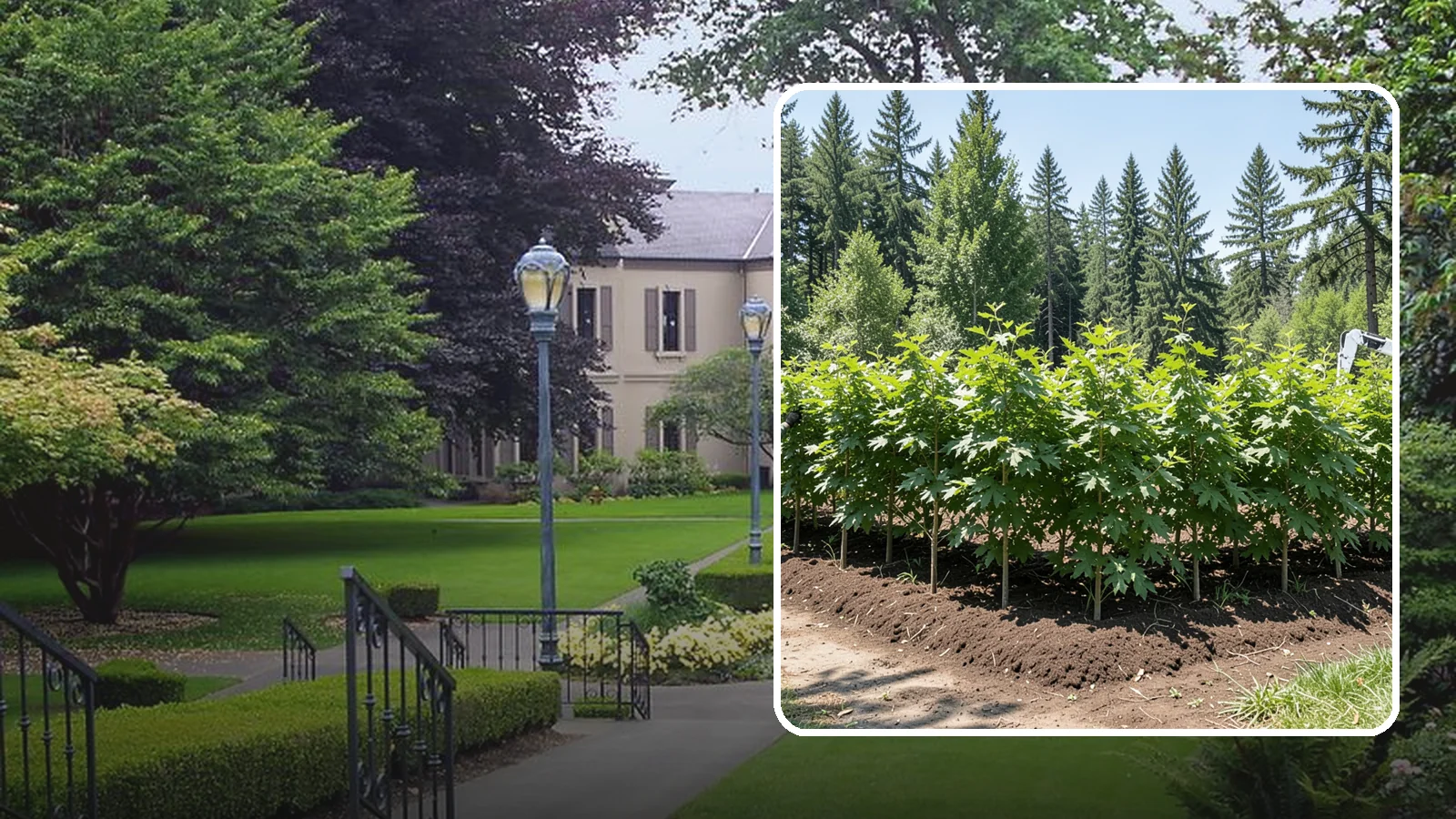
Woodinville Privacy Screen Planting
The planting of trees to form a living screen.
Privacy screen planting suits Woodinville properties where a neighbor's windows, a road, or an open back fence line looks onto your yard or deck. It also fits new builds with bare lot edges and older yards where an overgrown hedge has thinned out.
Before you pick plants, decide how tall the screen should be, how fast you need it, and how much room it has. Those three answers narrow the choices quickly, and the soil under the planting strip narrows them further.
About Privacy Screen Planting in Woodinville
We help homeowners create a natural barrier that brings peace and quiet back to their outdoor spaces. Our team specializes in planting trees specifically designed to form a living screen for your property. This approach restores tree cover while supporting the local ecology right where you live.
What Woodinville Privacy Screen Planting Includes
Privacy screen planting involves placing trees strategically to block views, reduce noise, and shield against wind. We match our methods carefully to the specific species chosen and the unique conditions of your site. The goal is to establish a healthy, durable living wall that grows with your needs over time.
Woodinville Privacy Screen Planting Process
Our trained crews begin by assessing your yard to select suitable tree species for the location. They prepare the soil and planting area before placing each tree at the correct depth and spacing. Afterward, we mulch around the base, water in the new plants, and provide guidance to help them get established.
Equipment We Use for Woodinville Privacy Screen Planting
The work utilizes digging tools, watering equipment, and materials like soil amendments and mulch to support growth. We also bring staking supplies when necessary to keep young trees stable during their first growing season. All crew members wear personal protective gear while handling these specialized planting tools safely.
Woodinville Privacy Screen Planting Safety & Best Practices
Before any digging begins, we take steps to locate underground utilities to ensure everyone stays safe. Our crews select species suited to the site to prevent future conflicts with structures or other plants. We also plant at the proper depth and handle roots carefully to avoid damage during installation.
Signs You Need Privacy Screen Planting in Woodinville
You might need this service if you are looking for a natural way to screen your yard from neighbors or passersby. If noise or wind is currently making your outdoor space uncomfortable, a living screen can provide relief. This project also helps when you want to expand existing tree cover in an area that needs it most.
What Affects the Cost of Privacy Screen Planting in Woodinville
The final price depends on how easily equipment can reach the planting site and whether soil amendments are required. Different species have specific spacing requirements that influence the overall layout of your new screen. These factors, along with local conditions, determine the investment needed for a successful installation.
Best Time of Year for Woodinville Privacy Screen Planting
For the best results in our region, we recommend scheduling this work during dormant seasons or early spring. This timing allows tree roots to establish themselves firmly before the intense summer heat arrives. Waiting until these cooler periods ensures your new trees have the strongest possible start.
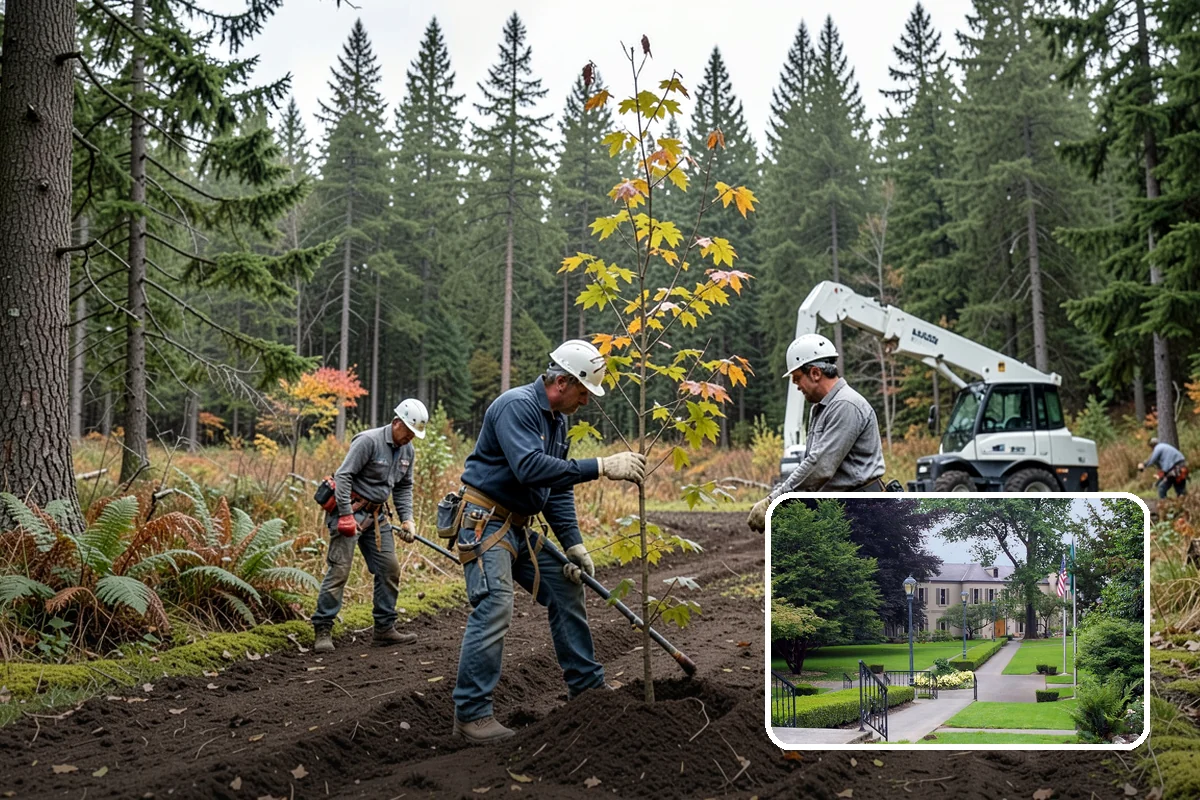
Choosing a privacy screen for Woodinville soils and rain
Most owners choose between three approaches. Each one behaves differently on local ground.
- Evergreen trees in a single or staggered row. These give year-round cover and the most height. They need the most room and the most patience.
- Large evergreen shrubs. These fill in sooner and suit narrower strips, but they usually top out lower.
- A mixed planting. Trees, shrubs and some deciduous plants give layered cover and spread the risk if one species struggles.
What local conditions favor
The NRCS soil survey shows that 55% of Woodinville's land has a hard or restrictive layer, such as glacial hardpan, within 40 inches of the surface. Alderwood is the most common soil series. That survey covers the city as a whole, not your lot, but it is a good reason to check drainage before choosing. Where water sits above a hard layer, shallow-rooted or wet-tolerant plants do better than species that want deep, dry soil. A staggered row also keeps roots from competing in one narrow trench.
Rain timing matters too. Daymet data for 2005 to 2025 shows about 80% of Woodinville's yearly rain and snow falls from October to April. Fall planting lets roots settle in during the wet months. The dry summer is when new plants need regular watering, so plan for that in the first seasons.
The USDA lists Woodinville in hardiness zone 8b, with parts of the city from 8b to 9a. That range is wide enough for most common screening evergreens, so site conditions and mature size usually decide the choice more than cold hardiness.
Planting approach
Washington State University Extension advises backfilling with unamended native soil and adding no fertilizer at planting. Amended pockets can hold water and discourage roots from moving into the surrounding ground. We follow that guidance and set spacing by each plant's mature width, not by how quickly you want a solid wall. If you want help matching a plan to your property line, call or text 425-484-4442 for a free estimate.
Woodinville tree conditions at a glance
| USDA hardiness zone | 8b (8b to 9a across the city) |
|---|---|
| Soils | 55% of land has hardpan or another restrictive layer within 40 in; most common series Alderwood |
| Rain and snow falling October to April | 80% of the year’s total |
| Days that freeze at night and thaw by day | 32 a year |
| Tree City USA | 30 years |
Tree removal rules in Woodinville
Woodinville’s published rules don’t spell out clearly which removals need city approval. We check with the city before work starts.
Sources: Daymet daily weather (NASA/ORNL), NOAA Storm Events, USDA plant hardiness map 2023, NRCS soil survey, USGS elevation, WA DNR landslide inventory, USDA Forest Service aerial survey, WSDA, city tree assessments and street-tree inventories, SILVIS Lab, Arbor Day Foundation, and official city and utility pages.
Privacy Screen Planting Serving Woodinville
Woodinville


Also serving Woodinville
- Evergreen Tree Planting in Woodinvilleat Washington Landscaping
- Municipal Grounds Maintenance in Woodinvilleat Washington City Services