Where Safety Meets Expert Tree Service.

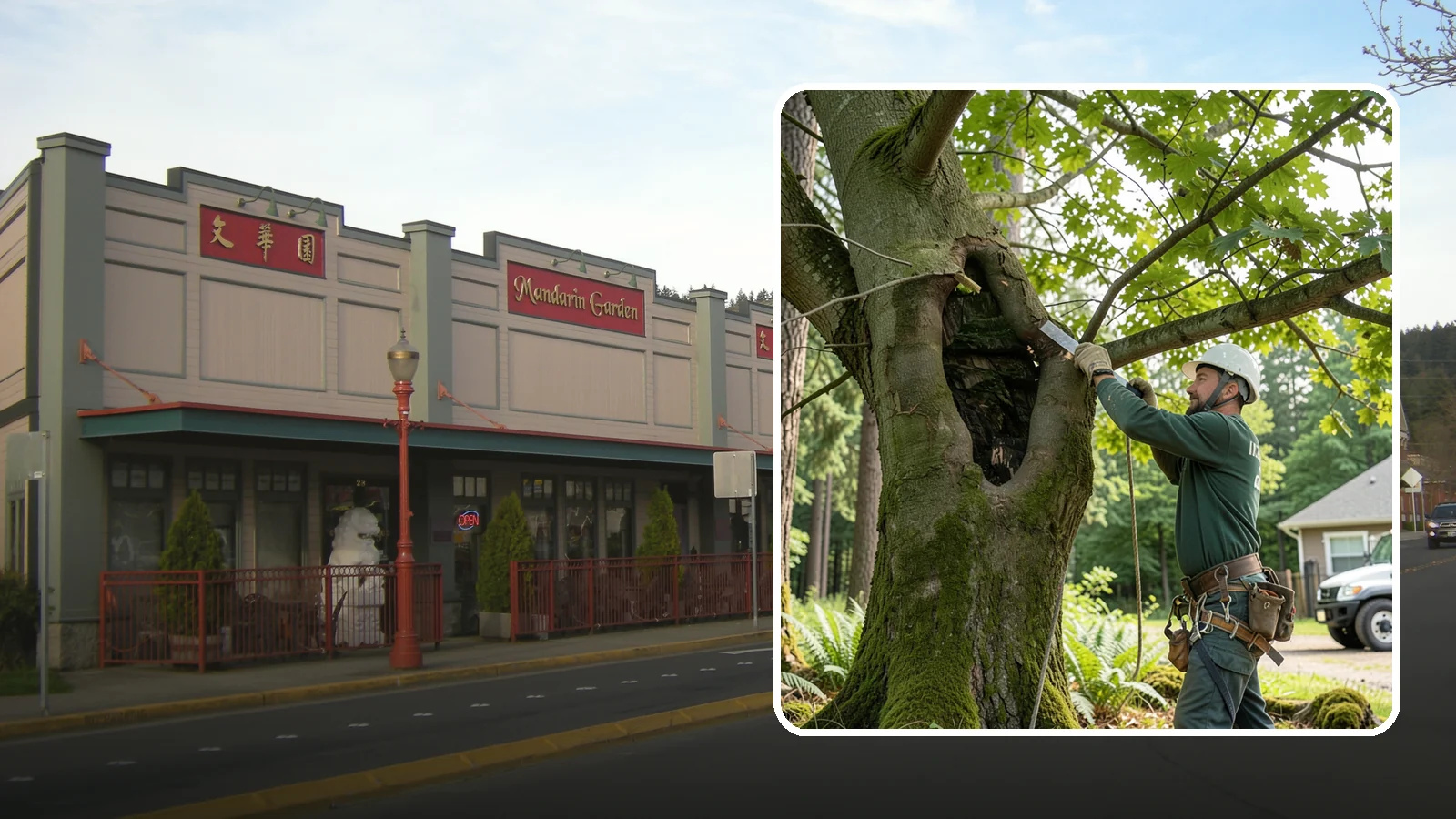
Issaquah Structural Pruning
Pruning that develops or corrects a tree’s branch architecture.
Issaquah sees 81% of its yearly rain and snow between October and April, according to Daymet data for 2005-2025. That means the wet season is when branches carry the most weight and the soil is softest. Structural pruning works best when you plan it ahead of that stretch, while you can still see the whole shape of the tree.
Structural pruning is aimed at young and maturing trees. The goal is one dominant leader, well-spaced branches, and fewer weak attachments. Walk around your tree and look for two trunks competing at the top, branches crowded on one side, or limbs rubbing each other.
About Structural Pruning in Issaquah
Structural pruning helps shape young trees into strong specimens while correcting defects in those that are maturing. This specialized care is designed for homeowners who want their landscape trees to remain healthy and safe over the long term. We work with your specific site conditions to ensure every cut supports the tree’s natural growth patterns.
What Issaquah Structural Pruning Includes
This service focuses on developing or correcting a tree’s branch architecture through careful, strategic cuts. Our trained crews follow recognized arboricultural standards to match methods for each species and location. The goal is always to build resilience in young trees while fixing structural weaknesses before they become serious issues.
Issaquah Structural Pruning Process
We begin by assessing the current canopy condition and defining clear pruning objectives for your specific tree. Crews select precise cuts suited to the season and species, ensuring clean removal without over-pruning live tissue. After making these strategic incisions, we lower branches safely and process the wood before cleaning up the entire work area.
Equipment We Use for Issaquah Structural Pruning
Our teams use a range of tools including hand saws, pole saws, chainsaws, and personal protective equipment to handle every job carefully. Depending on access needs, we may bring climbing gear, rigging systems, or an aerial lift to reach higher branches safely. A wood chipper is also used to process cut material efficiently once the work is complete.
Issaquah Structural Pruning Safety & Best Practices
We adhere strictly to recognized pruning standards to avoid making harmful cuts that could stress your tree. Our crews watch carefully for overhead power lines and unstable limbs while using fall protection whenever working at height. By limiting removal to healthy amounts of live tissue, we minimize risk without compromising the tree’s overall health.
Signs You Need Structural Pruning in Issaquah
You may need structural pruning if you notice deadwood, weak branch unions, or branches interfering with nearby structures. Over-pruning from past DIY attempts can cause stress, so professional assessment is needed when unsure about timing for your species. If sightlines are blocked or clearance under limbs needs improvement, this service helps restore balance and safety to your landscape.
What Affects the Cost of Structural Pruning in Issaquah
The final cost depends on the size of each tree and how difficult it is to access them with our equipment. Complexities involved in correcting branch architecture defects also influence pricing, as does any fee for processing and disposing of wood material. We provide a clear estimate based on these specific factors before work begins so there are no surprises later.
Best Time of Year for Issaquah Structural Pruning
In the Puget Sound climate, we time structural pruning according to species-specific sensitivities to avoid stressing maturing trees. Our crews schedule cuts during seasons that reduce disease risk from improper wounds while respecting natural dormancy periods for your local plants. This careful approach ensures your tree heals properly and maintains long-term vigor throughout its life cycle.
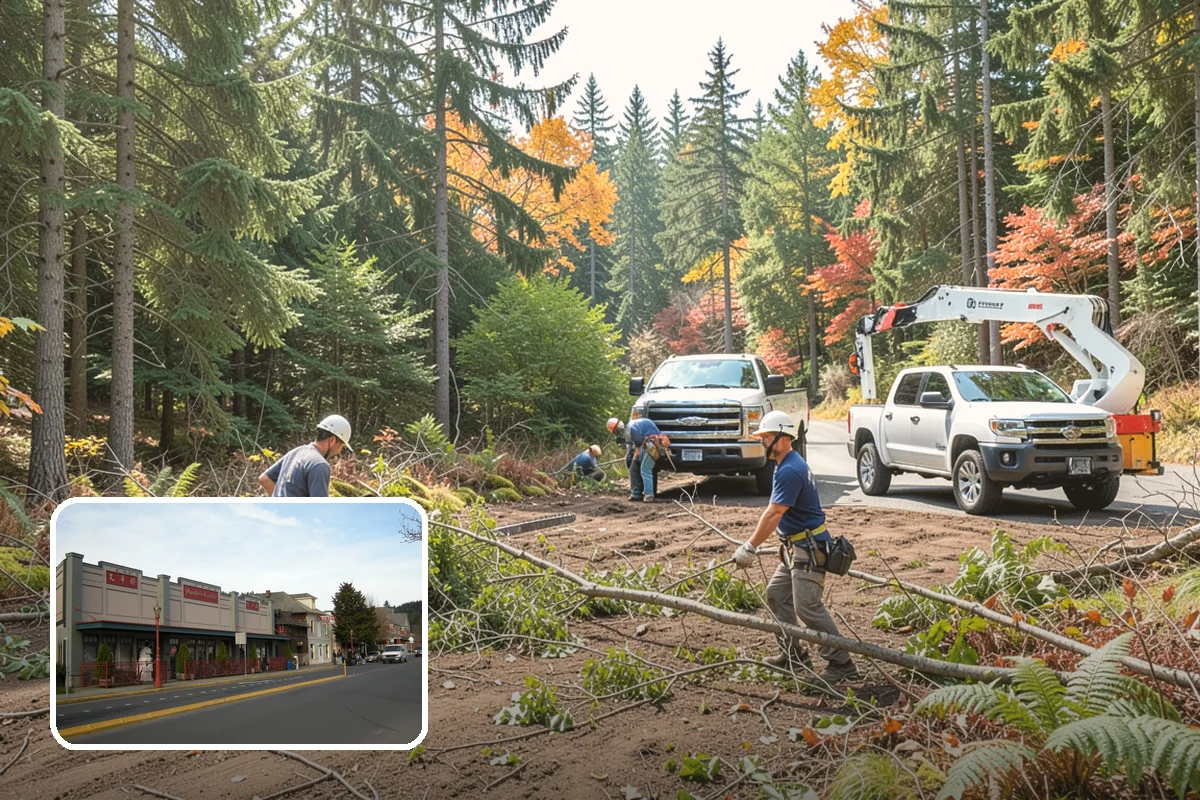
How structural pruning works for Issaquah trees
Structural pruning is done in small, deliberate steps. It follows standard practice such as the ANSI A300 pruning standards. Here is how the work usually goes.
- Look over the whole tree and choose the central leader or the main framework.
- Reduce or remove competing stems that could split away later.
- Space the main branches along the trunk so no single limb carries too much load.
- Take out dead, crossing or rubbing branches.
- Stop before removing too much. Heavy cuts stress a tree and can lead to weak regrowth.
Why wind and rain matter here
The forecast zone that includes Issaquah recorded 33 high and strong wind episodes from 2005 to 2025. That figure covers the whole zone, not your yard. Still, it is a fair reminder that trees here get tested by wind, and codominant stems with included bark are the usual weak spots. Fixing them while the tree is young takes smaller cuts than fixing them later.
Wet soil from the long rainy season adds to the load. A tree with a lopsided crown and saturated roots has less margin in a storm. Balanced branching helps spread that weight.
Cuts and wound care
Each cut is made just outside the branch collar so the tree can seal the wound itself. The WSU Extension Pacific Northwest Gardener's Handbook, Chapter 23, says wound paint or tar is largely unnecessary and can be damaging, so we leave it off.
Your climate zone
The USDA map from 2023 places Issaquah in zone 8b, with parts of the city running 8b to 9a. That range suits a wide mix of species, so the right pruning plan depends on the tree you have, not just the zone. If you are unsure what you have or whether a city rule applies to your tree, we check with the city before any work starts. Call or text 425-484-4442 to set up a free estimate with an ISA Certified Arborist.
Issaquah tree conditions at a glance
| USDA hardiness zone | 8b (8b to 9a across the city) |
|---|---|
| Rain and snow falling October to April | 81% of the year’s total |
| Tree canopy | Among the most heavily treed Puget Sound cities (satellite data) |
| Days that freeze at night and thaw by day | 33 a year |
| Tree City USA | 33 years |
| Electric utility | Puget Sound Energy (PSE) |
Trees near the power line to your house
Puget Sound Energy (PSE): Service line (wire from PSE pole to home or meter pole): PSE does not trim it; homeowner/private arborist trims.
PSE performs a safety disconnection so the homeowner or private tree trimmer/arborist can work; Call at least 5 business days ahead to check crew availability and potential charges.
Safety disconnect: 1-888-321-7779 (5+ business days ahead). Utility page.
Any fee for a disconnect is set by the utility.
Sources: Daymet daily weather (NASA/ORNL), NOAA Storm Events, USDA plant hardiness map 2023, NRCS soil survey, USGS elevation, WA DNR landslide inventory, USDA Forest Service aerial survey, WSDA, city tree assessments and street-tree inventories, SILVIS Lab, Arbor Day Foundation, and official city and utility pages.
Structural Pruning Serving Issaquah
Issaquah

Structural pruning in nearby areas
Also serving Issaquah
- Crape Myrtle Pruning in Issaquahat Washington Landscaping
- Roof Debris Removal in Issaquahat Washington Roofing
- Vegetation Management in Issaquahat Washington City Services