Where Safety Meets Expert Tree Service.


Issaquah Tree Trimming
The selective trimming of branches to maintain a tree’s size, shape, and clearance.
About 81% of Issaquah's yearly rain and snow falls between October and April, according to Daymet data for 2005 to 2025. That makes late summer and early fall a practical time to plan trimming, before the wet months add weight to branches and soften the ground.
Start by walking your property and noting limbs that rub, hang over the roof, or crowd power lines. Mark what bothers you with tape or photos. That list lets any arborist give you a clear plan and a clear estimate for the work you actually need.
About Tree Trimming in Issaquah
We offer professional tree trimming services designed to help you maintain healthy trees around your home or property. Our trained crews work carefully to keep branches at a safe distance from structures while supporting the long-term strength of each tree. Whether you have large specimens in an open yard or smaller trees near walkways, we are here to assist with selective branch management.
What Issaquah Tree Trimming Includes
This service involves selectively trimming branches to maintain your tree’s size, shape, and clearance around buildings and power lines. We focus on improving overall structure and appearance while reducing the risk of failing limbs during storms. The work is tailored to each specific species and site condition to ensure a well-kept canopy that looks great year-round.
Issaquah Tree Trimming Process
Our team begins by assessing your tree’s current health and defining clear pruning objectives for the job. We select precise cuts suited to the season and species, ensuring we remove only healthy amounts of live tissue without causing stress. After making clean incisions at proper points, our crew lowers branches safely, processes the wood material, and leaves your work area completely clean.
Equipment We Use for Issaquah Tree Trimming
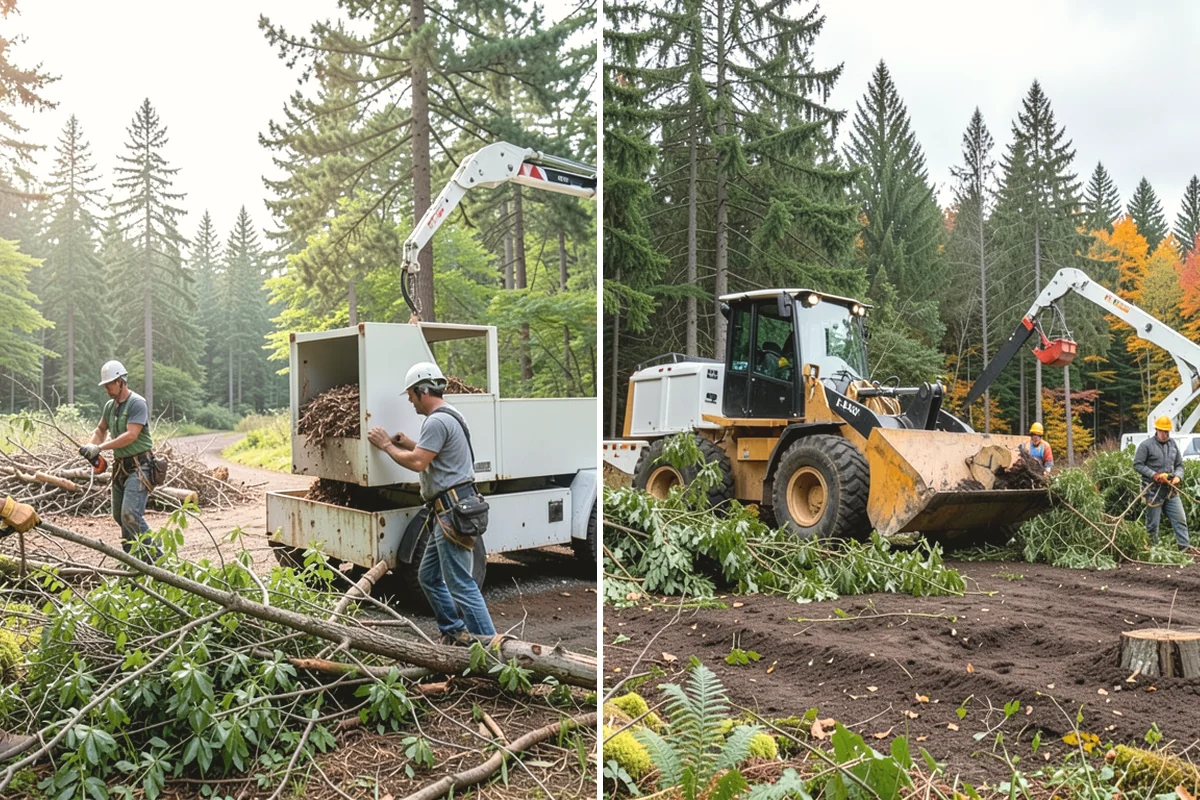
To complete this service efficiently, we utilize hand saws, pole saws, chainsaws, and climbing gear matched to the specific task. Depending on access needs, aerial lifts may be deployed alongside personal protective equipment for everyone involved. A dedicated wood chipper is also used to process cut material quickly so your property remains tidy throughout the project.
Issaquah Tree Trimming Safety & Best Practices
We strictly follow recognized pruning standards to avoid making harmful cuts that could weaken a tree’s structure or health. Our crews stay alert to overhead power lines and unstable limbs, using fall protection whenever anyone works aloft. By limiting removal to appropriate amounts of live tissue, we ensure your trees remain vigorous while keeping your home safe from falling branches.
Signs You Need Tree Trimming in Issaquah
You may need this service if you notice deadwood in the canopy or weak unions that could lead to branch failure. Overgrown limbs interfering with structures, sightlines, or utility lines are also clear indicators that trimming is required. If a tree’s growth pattern threatens clearance near your driveway or windows, professional selective trimming can restore balance and safety.
What Affects the Cost of Tree Trimming in Issaquah
The investment for this work depends on the specific species of trees you have and how complex their canopy structure becomes during assessment. Factors such as difficult site access conditions and the volume of material that needs to be processed for disposal will also influence the final price. We provide transparent estimates based on these real-world variables rather than fixed rates or percentages.
Best Time of Year for Issaquah Tree Trimming
Work is scheduled according to seasonal timing sensitivities inherent to each tree species in our local Puget Sound region. Our crews follow recognized arboricultural standards that match pruning activities to the natural growth cycles of your specific trees. This approach ensures minimal stress on the plants while allowing them to heal effectively before winter or peak growing seasons arrive.
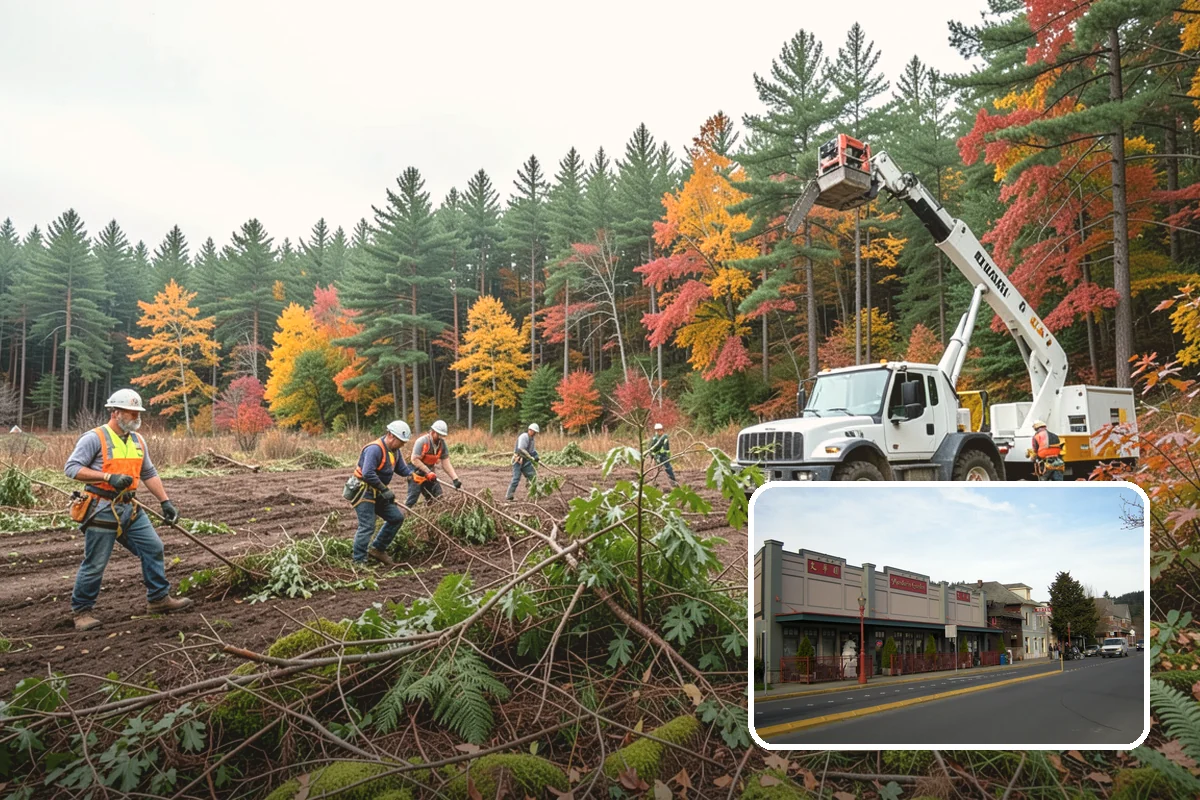
How tree trimming works on Issaquah properties
Good trimming follows a plan. It is not a haircut for the tree. The standard approach, in line with ISA and ANSI A300 practice, is to decide what the tree needs, then remove only that.
Steps we follow
- Look over the whole tree for dead, cracked, crossing or rubbing branches, and for weak attachments.
- Set the goal: clearance from the roof, a safer canopy, better light, or a cleaner shape.
- Make cuts just outside the branch collar, so the tree can seal the wound on its own.
- Take off small amounts at a time instead of stripping large parts of the crown.
Why local details matter
Satellite canopy data from USFS and NLCD 2025 puts Issaquah among the most heavily treed Puget Sound cities we compared. That is a city-wide picture, not a statement about your trees. It does suggest that overlapping canopies and neighbors' branches are common, so it is worth checking where a limb crosses a property line before work starts.
The 81% cool-season precipitation figure also affects timing. Heavy, wet months are when weak or overextended limbs are most stressed. Having them reduced or removed beforehand is more useful than waiting for a storm to show the problem.
The USDA lists Issaquah in hardiness zone 8b, with parts of the city running 8b to 9a (2023 map). That tells you which plants survive winter cold. It does not dictate pruning dates, so timing for a specific species is something we sort out when we see the tree.
A note on topping
We do not recommend topping. Linda Chalker-Scott of the WSU Puyallup Research and Extension Center writes that a topped tree needs constant maintenance and is more likely to become hazardous. If a tree is too tall for its spot, selective reduction cuts to a suitable lateral branch are the better path.
If you are unsure whether a tree falls under a city rule, we check with Issaquah before work starts. For a free estimate, call or text 425-484-4442.
Issaquah tree conditions at a glance
| USDA hardiness zone | 8b (8b to 9a across the city) |
|---|---|
| Rain and snow falling October to April | 81% of the year’s total |
| Tree canopy | Among the most heavily treed Puget Sound cities (satellite data) |
| Days that freeze at night and thaw by day | 33 a year |
| Tree City USA | 33 years |
| Electric utility | Puget Sound Energy (PSE) |
Trees near the power line to your house
Puget Sound Energy (PSE): Service line (wire from PSE pole to home or meter pole): PSE does not trim it; homeowner/private arborist trims.
PSE performs a safety disconnection so the homeowner or private tree trimmer/arborist can work; Call at least 5 business days ahead to check crew availability and potential charges.
Safety disconnect: 1-888-321-7779 (5+ business days ahead). Utility page.
Any fee for a disconnect is set by the utility.
Sources: Daymet daily weather (NASA/ORNL), NOAA Storm Events, USDA plant hardiness map 2023, NRCS soil survey, USGS elevation, WA DNR landslide inventory, USDA Forest Service aerial survey, WSDA, city tree assessments and street-tree inventories, SILVIS Lab, Arbor Day Foundation, and official city and utility pages.
Tree Trimming Serving Issaquah
Issaquah
Tree Trimming in nearby areas
Also serving Issaquah
- Japanese Maple Pruning in Issaquahat Washington Landscaping
- Preventive Roof Maintenance in Issaquahat Washington Roofing
- Street Tree Pruning in Issaquahat Washington City Services