Where Safety Meets Expert Tree Service.

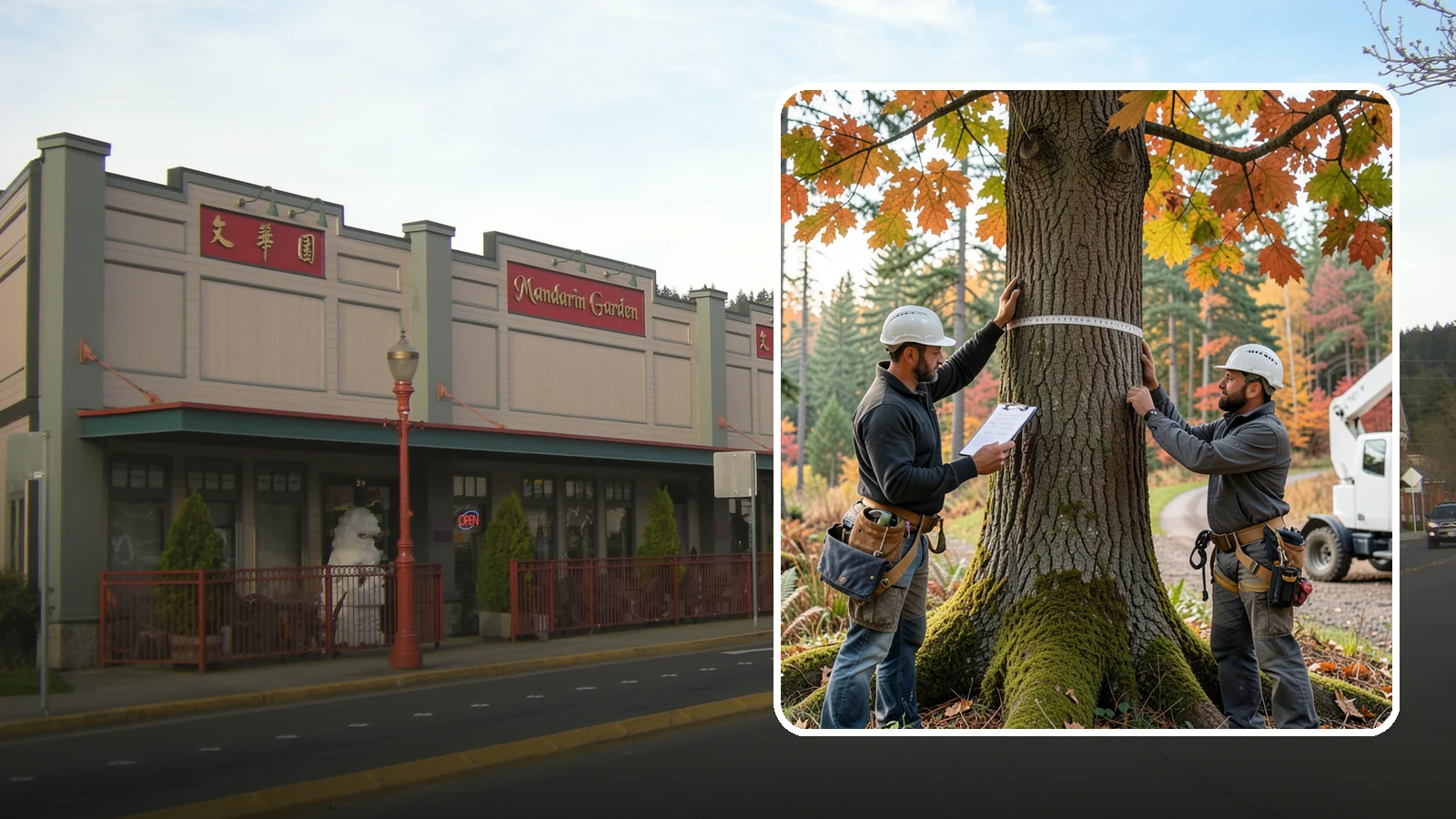
Issaquah Permit Assistance
Assistance preparing and submitting tree-work permits.
You have a tree that leans toward the house, drops limbs, or crowds the roof, and you want it gone. Then you read that Issaquah may require a permit first. That can stall a project before it starts, and it is easy to get wrong.
Permit assistance means we help sort out whether your tree is regulated, what the city will ask for, and how to put the application together. Knowing this before anyone picks up a saw saves you from guessing about the paperwork.
About Permit Assistance in Issaquah
Navigating local rules for tree work can feel overwhelming without clear guidance on what approvals are needed. Our permit assistance helps homeowners understand these requirements so they can move forward confidently before any cutting begins. We provide the support you need to ensure your project stays compliant with regulations while protecting your property’s trees.
What Issaquah Permit Assistance Includes
This service focuses specifically on preparing and submitting tree-work permits where local rules demand approval first. It includes gathering necessary site details, analyzing conditions against recognized standards, and creating clear documentation for your records or insurance needs. By handling these administrative steps, we help you prioritize care plans that fit both your budget and safety goals.
Issaquah Permit Assistance Process
We start by collecting information about your specific site and the trees in question to build a complete picture of their health. Our trained crews then inspect conditions carefully before analyzing findings against established objectives and arboricultural standards. Finally, we review our clear recommendations or reports with you to ensure every decision is informed and aligned with local rules.
Equipment We Use for Issaquah Permit Assistance
To assess your site accurately, we use diagnostic tools that measure tree structure along with mapping equipment for precise documentation. Our team also utilizes specialized imaging software to visualize complex conditions before submitting any permit applications. All work is conducted using proper personal protective gear while adhering to recognized industry standards throughout the evaluation process.
Issaquah Permit Assistance Safety & Best Practices
We base all our findings on observed evidence and established safety standards rather than assumptions or guesswork. If there are limitations in what an assessment can reveal, we disclose them clearly so you understand where follow-up visits might be needed. Accurate documentation of current conditions ensures that any permit application reflects the true state of your trees and site access constraints.
Signs You Need Permit Assistance in Issaquah
You likely need this service when local regulations require official approval before any tree work or removal takes place. Situations often arise where incomplete site history or hidden defects make it risky to proceed without a professional review first. Competing objectives for land use or varying regulatory requirements across different jurisdictions also signal that expert guidance is necessary.
What Affects the Cost of Permit Assistance in Issaquah
The investment for this service depends on how complex your specific site layout and access challenges become during the assessment. Projects requiring specialized diagnostic tools to evaluate conditions against unique local rules may involve additional considerations in pricing. Ultimately, costs are influenced by the depth of analysis needed to produce documentation that satisfies both you and the relevant authorities.
Best Time of Year for Issaquah Permit Assistance
While we can assist with permit preparation year-round, this service often aligns best with your project planning phases before active tree work begins. In our region, many homeowners schedule these consultations during quieter months to finalize plans for spring or summer maintenance seasons. Aligning now ensures that all necessary approvals are in hand when weather conditions allow you to start the actual work safely.
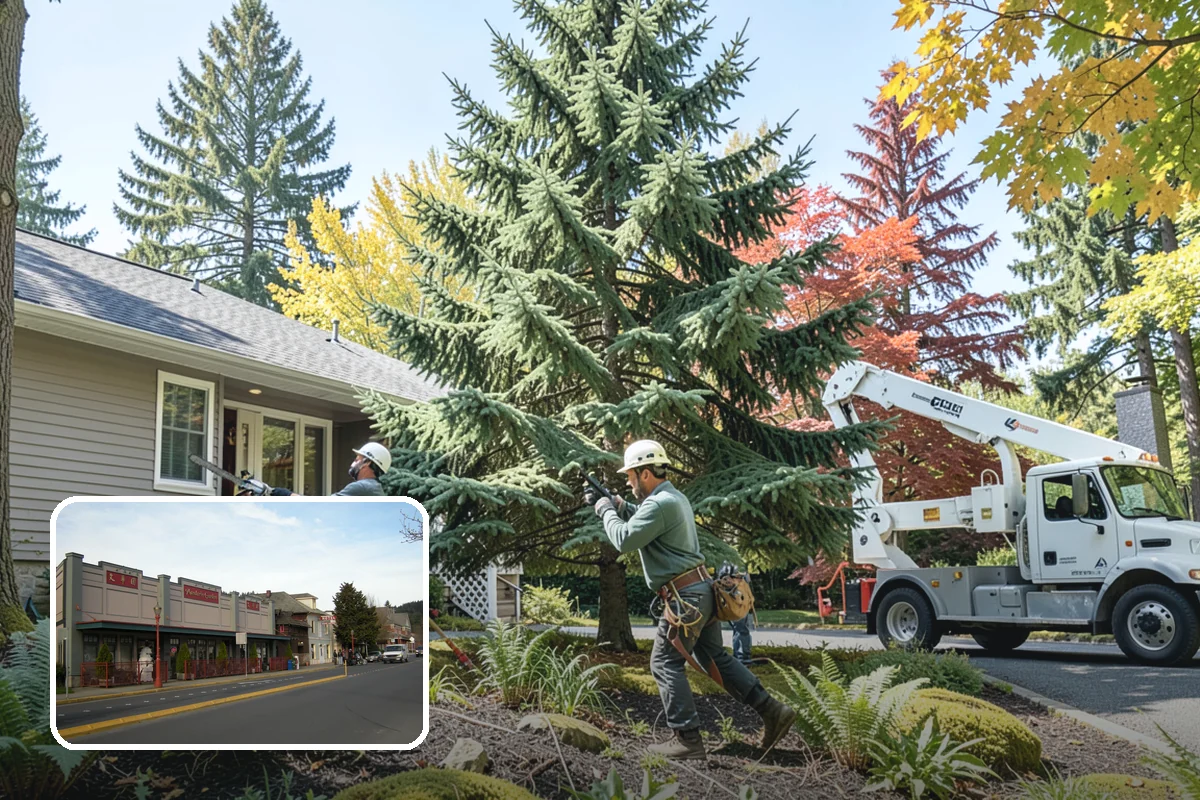
How Issaquah's tree permit rules shape your removal plan
The reason a permit comes up is the city's tree code. According to the City of Issaquah's tree removal FAQ, a Tree Permit is required to remove significant trees on private property. The regulated size is 6 inches or more in diameter at breast height. For alder and cottonwood it is 8 inches or more. Species on the King County Noxious Weed List are excluded. Most mature yard trees pass that size easily, so assume a permit is likely until it is checked.
The same source lists the exemptions. They are removal of nonsignificant trees that are not otherwise protected, pruning that is not excessive, public agency or utility work in rights-of-way and easements, and mineral extraction. Notice that the pruning exemption depends on the pruning not being excessive. That is a reason to keep cuts modest and in line with standard practice, and to ask us before a heavy cut. If the rules are unclear for your tree, we check with the city before work starts.
The tree code also asks for replacement. Under IMC 18.812.060, at least one replacement tree is required for each tree removed, with a 20-year canopy equal to or greater than the tree taken out. The city may waive this if the site still meets its canopy coverage targets. So plan for where new trees could go, and which species will grow into a similar canopy, before you commit to removal.
Some applications need a written opinion. The city's tree code says supporting documentation from a qualified professional arborist may be needed, such as written recommendations, an abbreviated tree plan, or a hazard evaluation. Our ISA Certified Arborist can prepare that kind of documentation, which matters most when the reason for removal is a hazard.
Location matters too. The city says different rules may apply in environmentally critical areas, meaning steep slopes, streams, wetlands and their buffers, and the permit fee is higher there. If your tree sits near a ravine or creek, tell us early so we can confirm which rules apply.
In practice, we look at the tree, measure it, review the site, flag any critical-area concerns, and help you assemble the application. Call or text 425-484-4442 for a free estimate.
Issaquah tree conditions at a glance
| Slopes | More steep ground than most Puget Sound cities |
|---|---|
| Landslides mapped by WA DNR | 39 |
| Soils | 45% of land has hardpan or another restrictive layer within 40 in; most common series Alderwood; 33% well drained |
| Tree canopy | Among the most heavily treed Puget Sound cities (satellite data) |
| High and strong wind episodes, 2005-2025 | 33 in the forecast zone |
| USDA hardiness zone | 8b (8b to 9a across the city) |
Tree removal rules in Issaquah
A Tree Permit is required to remove significant trees; the only exemptions are removal of nonsignificant trees not otherwise protected, pruning that is not 'excessive', public agency/utility work in ROW/easements, and mineral extraction. Each removal must meet approval criteria in IMC 18.812.050 (e.g., nuisance trees, replacing dead significant trees, dying or diseased trees with qualified arborist recommendations).
Regulated size: 6 in.+ DBH, or alder/cottonwood 8 in.+ DBH, excluding King County Noxious Weed List species (per search-index text of city tree-code document.
Official city source. Rules change; we confirm with the city before work starts.
Sources: Daymet daily weather (NASA/ORNL), NOAA Storm Events, USDA plant hardiness map 2023, NRCS soil survey, USGS elevation, WA DNR landslide inventory, USDA Forest Service aerial survey, WSDA, city tree assessments and street-tree inventories, SILVIS Lab, Arbor Day Foundation, and official city and utility pages.
Permit Assistance Serving Issaquah
Issaquah
Permit assistance in nearby areas
Also serving Issaquah
- Landscape Architecture in Issaquahat Washington Landscaping