Where Safety Meets Expert Tree Service.

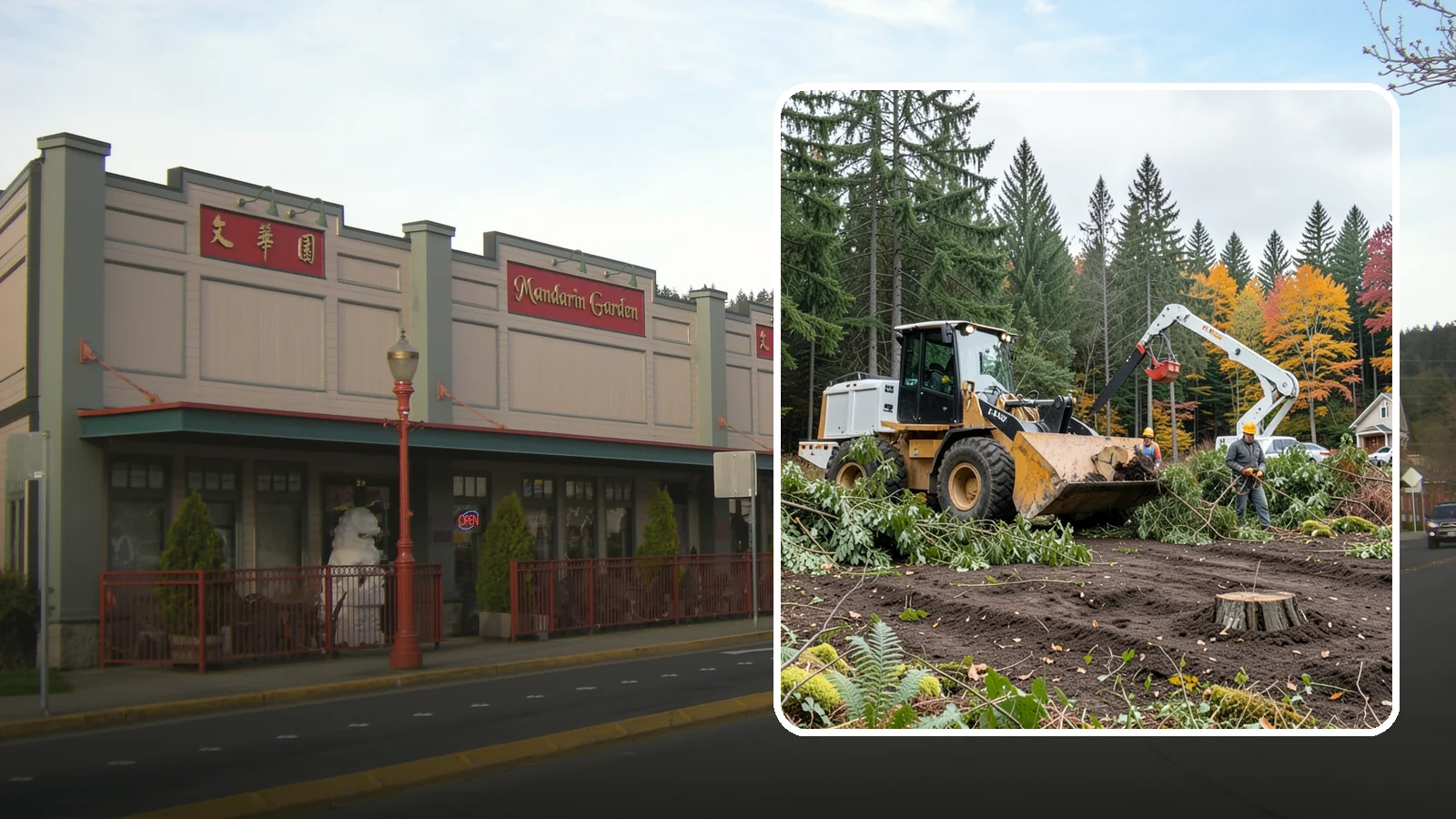
Issaquah Lot Clearing
The clearing of vegetation from a parcel of land.
Before any brush is cut on an Issaquah lot, find out which trees on it count as significant. The city regulates trees 6 inches or more in diameter at breast height, or 8 inches or more for alder and cottonwood. Many lots have more regulated trees than the owner expects.
Walk the property and flag every tree near those sizes. Note where the ground slopes, where water runs, and where a stream or wetland might sit. That map of the lot decides what can be cleared, in what order, and which approvals come first.
About Lot Clearing in Issaquah
Lot clearing helps homeowners prepare their property for new construction, landscaping projects, or ongoing maintenance needs. Our trained crews work carefully to remove unwanted vegetation while respecting the unique conditions of your site. This service ensures your land is ready for its intended use without unnecessary hassle.
What Issaquah Lot Clearing Includes
We clear all necessary vegetation from a parcel of land to improve access and usability. The process also reduces fire risks by lowering fuel loads and helps control invasive or overgrown plants that might otherwise spread. By tidying the area, we ensure your site is safe and prepared for whatever comes next.
Issaquah Lot Clearing Process
Our team begins by assessing the location and marking important features they must protect during removal. Vegetation is then cleared in a planned sequence using methods matched to specific tree species and ground conditions. Finally, we process and remove all material responsibly while grading or tidying the area as needed.
Equipment We Use for Issaquah Lot Clearing
To handle various site requirements, our crews utilize brush cutters, chainsaws, chippers, and hauling equipment alongside essential hand tools. We also wear full personal protective gear to ensure everyone stays safe throughout the job. Every tool is selected based on the density of growth and the specific obstacles present at your property.
Issaquah Lot Clearing Safety & Best Practices
Safety starts with identifying property lines, utilities, and any features that must remain untouched during clearing. Our workers stay alert for uneven terrain or hidden obstacles that could create hazards while managing debris effectively. We take extra care to protect retained trees and their root zones from damage throughout the entire project.
Signs You Need Lot Clearing in Issaquah
You may need lot clearing if you notice dense thorny growth, invasive species constantly regrowing, or vegetation blocking access to your land. Situations like uneven ground, wet terrain, or features that require special protection during removal also indicate this service is needed. Whether preparing for a new build or simply maintaining control over your yard, these are clear signs it’s time to act.
What Affects the Cost of Lot Clearing in Issaquah
The price of clearing depends largely on how dense the vegetation is and whether the site has uneven or wet terrain. Protecting existing features like trees or structures adds complexity that can influence the overall cost as well. These factors ensure we provide a fair estimate tailored specifically to your property conditions rather than using generic pricing.
Best Time of Year for Issaquah Lot Clearing
Work can generally proceed year-round given our favorable Puget Sound weather, though heavy rains may cause delays due to saturated ground. We also monitor for invasive species regrowth cycles that might require adjustments to the schedule at certain times of the year. Planning ahead allows us to navigate these natural variables and keep your project moving smoothly whenever possible.
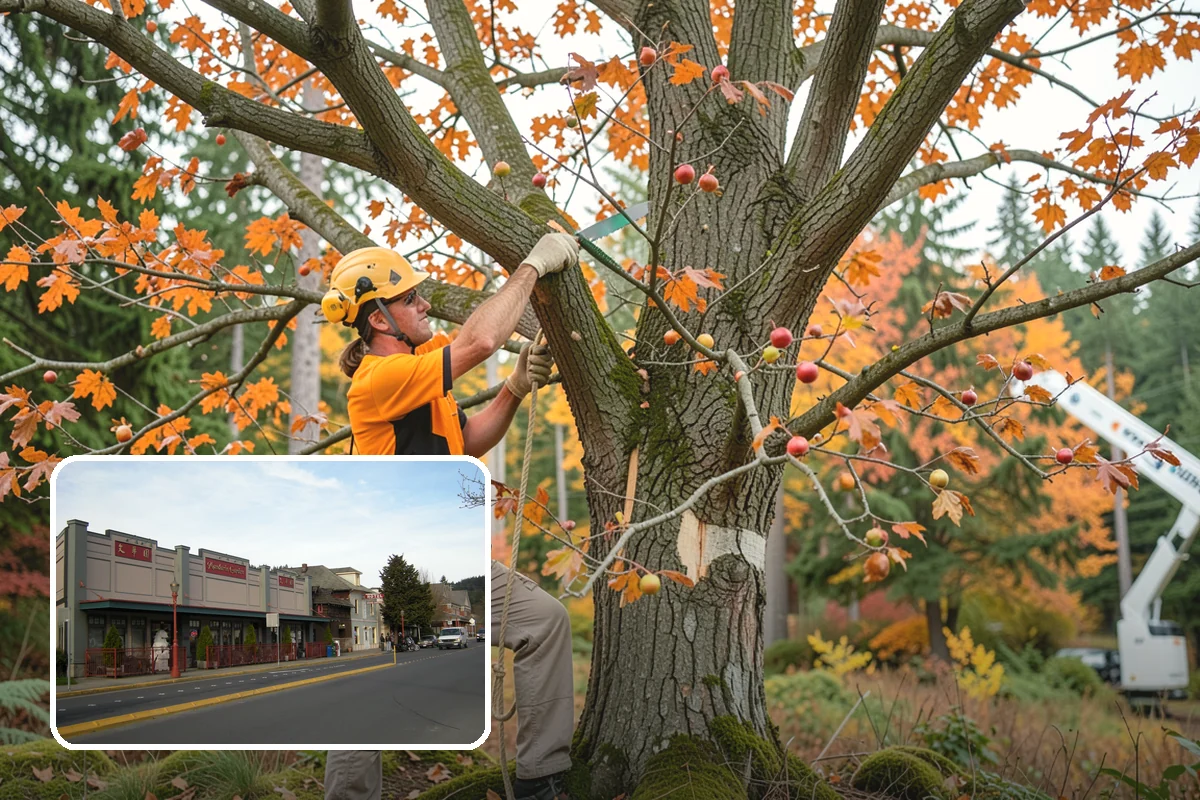
How lot clearing works on an Issaquah property
Lot clearing is more than removing what is in the way. On most lots it is a sequence of decisions, and the order matters.
Step 1: Identify what is regulated
According to the city's FAQ on private-property tree removal, a Tree Permit is required to remove significant trees. The listed exemptions are narrow: nonsignificant trees not otherwise protected, pruning that is not excessive, public agency or utility work in rights-of-way and easements, and mineral extraction. Species on the King County Noxious Weed List are excluded from the size rule. That rule speaks to removal. If a clearing plan includes heavy pruning or other work, we check with the city before work starts rather than assume it is allowed.
Step 2: Check for critical areas
The city's tree code says different rules may apply in environmentally critical areas, meaning steep slopes, streams, wetlands and their buffers. It also lists a higher permit fee in those areas. USGS elevation data shows Issaquah has more steep ground than many other Puget Sound cities, and the Washington DNR maps 39 landslides in Issaquah. Those are citywide figures, not a statement about your lot. They are a reason to find out early whether any part of the property is sloped or near water, because that can change what is allowed and how the work is done.
Step 3: Plan the sequence
Once the regulated trees and sensitive ground are known, the plan usually follows this order:
- Mark trees to keep, trees to remove, and areas to leave alone.
- Get any required permit before cutting regulated trees.
- Remove trees, then brush and smaller growth.
- Deal with stumps and debris according to what the lot will be used for.
Keeping healthy trees on slopes can matter, since roots hold soil in place. An ISA Certified Arborist on staff can help judge which trees are worth keeping. For a free estimate, call or text 425-484-4442.
Issaquah tree conditions at a glance
| Homes in the wildland-urban interface | 93% |
|---|---|
| Land under dense tree cover (50%+ canopy) | 41% |
| Slopes | More steep ground than most Puget Sound cities |
| Landslides mapped by WA DNR | 39 |
| Rain and snow falling October to April | 81% of the year’s total |
Tree removal rules in Issaquah
A Tree Permit is required to remove significant trees; the only exemptions are removal of nonsignificant trees not otherwise protected, pruning that is not 'excessive', public agency/utility work in ROW/easements, and mineral extraction. Each removal must meet approval criteria in IMC 18.812.050 (e.g., nuisance trees, replacing dead significant trees, dying or diseased trees with qualified arborist recommendations).
Regulated size: 6 in.+ DBH, or alder/cottonwood 8 in.+ DBH, excluding King County Noxious Weed List species (per search-index text of city tree-code document.
Official city source. Rules change; we confirm with the city before work starts.
Tree health near Issaquah
- Decline, cause not identified7,786 ac
- Bears2,827 ac
- Heat1,132 ac
Forest damage mapped from the air within 10 km of Issaquah, 2021-2025 (USDA Forest Service and WA DNR). This covers forest land, not street or yard trees. “Decline, cause not identified” is dieback with no single cause found.
Sources: Daymet daily weather (NASA/ORNL), NOAA Storm Events, USDA plant hardiness map 2023, NRCS soil survey, USGS elevation, WA DNR landslide inventory, USDA Forest Service aerial survey, WSDA, city tree assessments and street-tree inventories, SILVIS Lab, Arbor Day Foundation, and official city and utility pages.
Lot Clearing Serving Issaquah
Issaquah
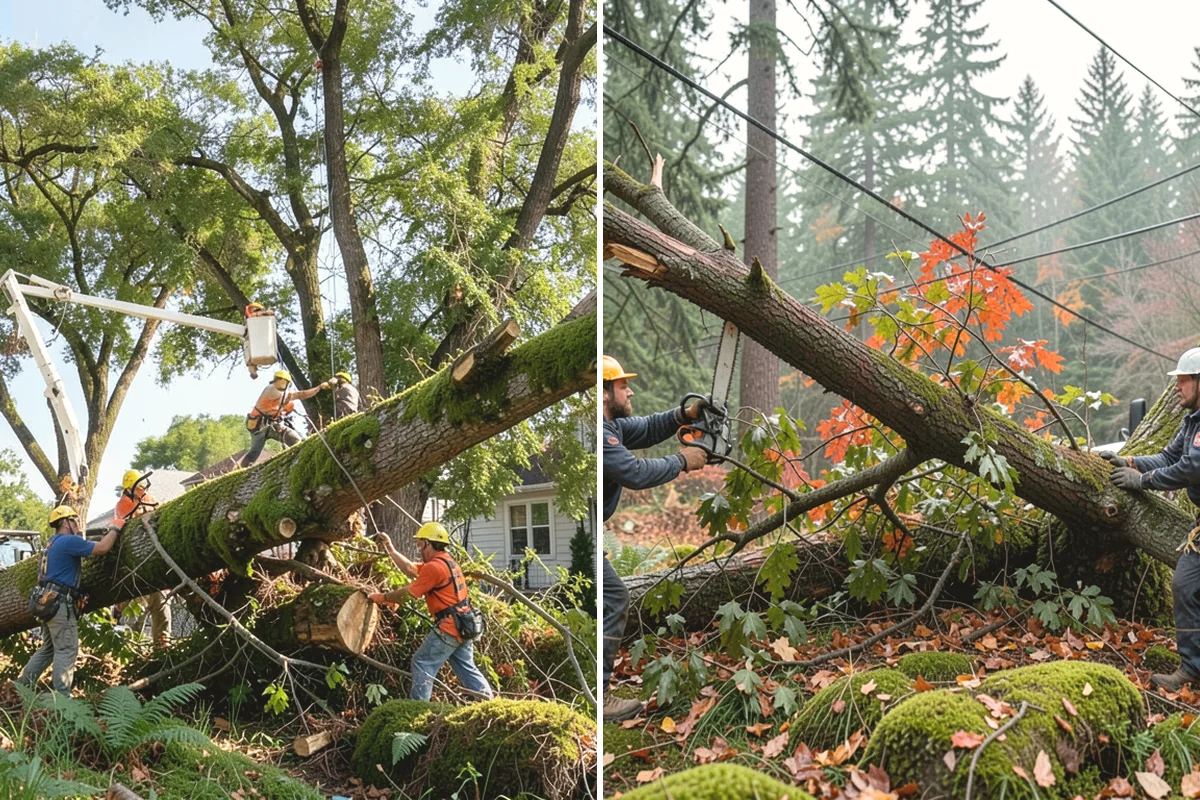

Lot clearing in nearby areas
Also serving Issaquah
- Brush Clearing in Issaquahat Washington Landscaping
- Site Clearing in Issaquahat Washington Construction
- Blackberry Removal in Issaquahat Washington City Services
- Fallen Tree Firewood in Issaquahat Washington Firewood