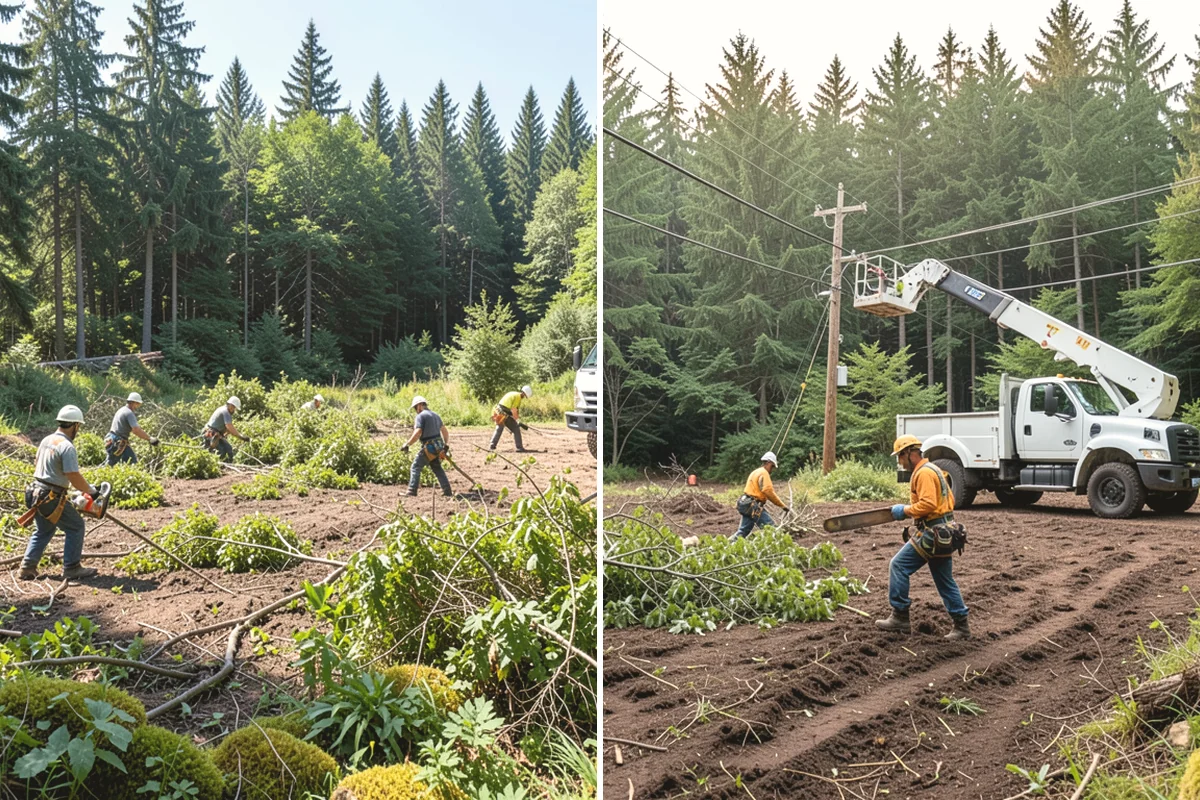
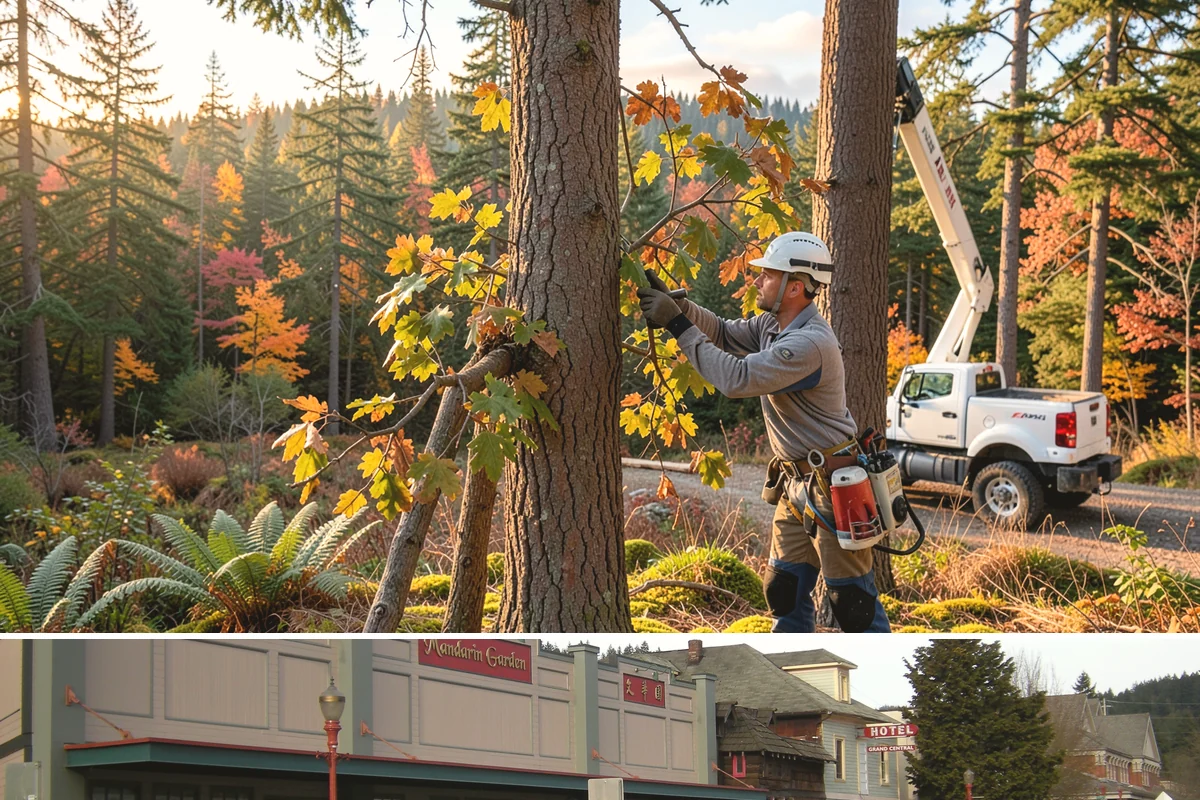
Where Safety Meets Expert Tree Service.

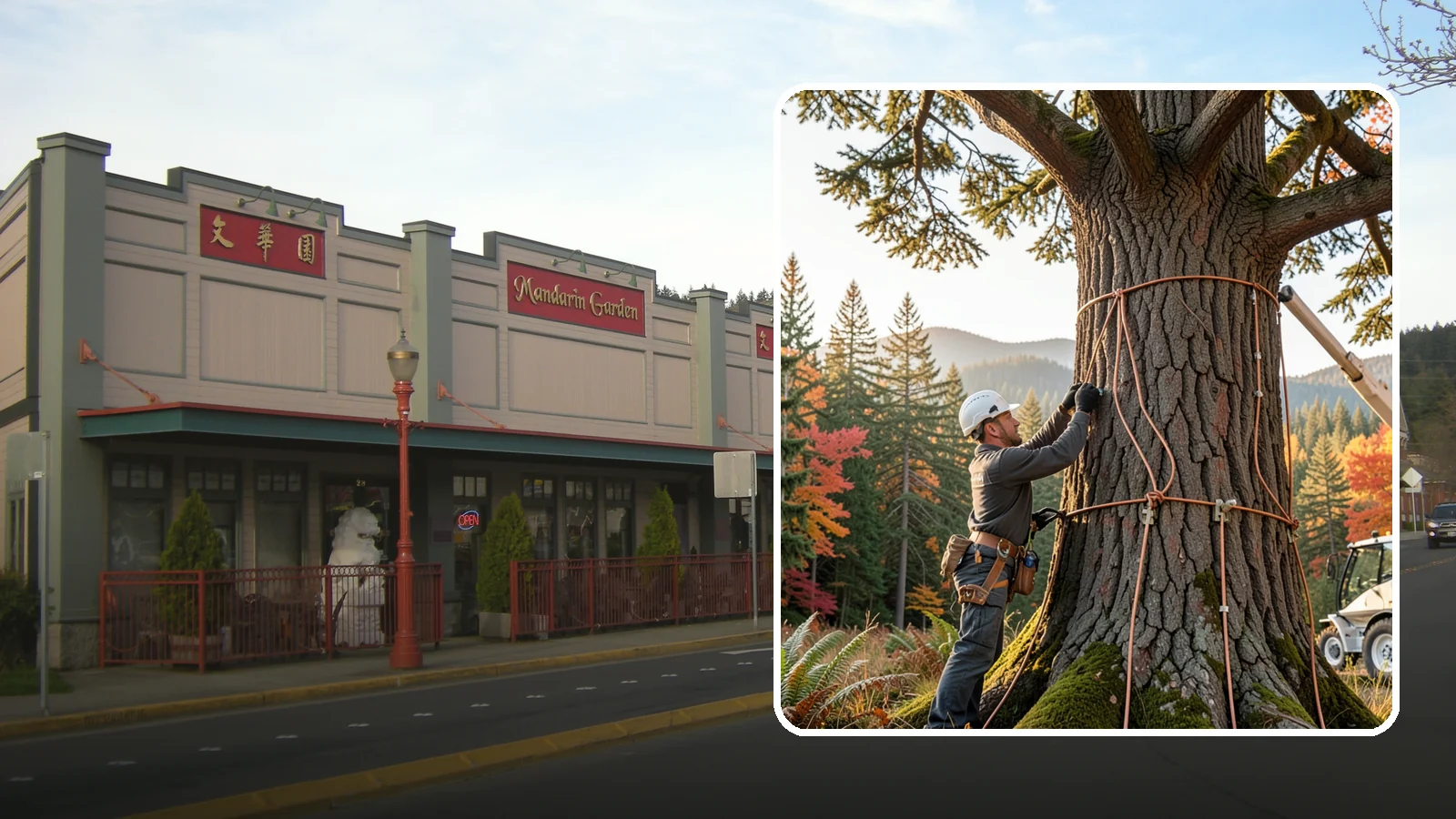
Issaquah Lightning Protection Systems
The installation of lightning protection for high-value trees.
Lightning protection for trees suits Issaquah owners with a tall, high-value tree close to a house, deck or play area. It also suits owners of mature trees with historic, shade or landmark value. If a tree stands well above the roofline or is the tallest thing on the lot, it is worth asking about.
A tree system gives a strike a controlled path to the ground. It does not make a tree safe from damage, and it does not replace sound structure. This page covers the options you can choose between and which local conditions point toward each.
About Lightning Protection Systems in Issaquah
We provide lightning protection systems designed specifically for high-value trees that need extra care during storms. This service helps homeowners protect their most significant specimens from the risk of limb or stem failure caused by lightning strikes. Our trained crews work to ensure your valued trees remain safe and healthy through severe weather events.
What Issaquah Lightning Protection Systems Includes
Lightning protection involves installing specialized hardware to reduce damage risks for important trees on your property. We match our methods carefully to the specific tree species, site conditions, and access requirements of each job. This approach supports weak unions and heavy limbs while helping to extend the safe life of significant trees in your landscape.
Issaquah Lightning Protection Systems Process
Our typical process begins with a thorough assessment of structural defects and load paths within the tree. We then select an appropriate support system before installing hardware at correct positions according to recognized arboricultural standards. Finally, we document the installation details and set up a schedule for future inspections to maintain system integrity over time.
Equipment We Use for Issaquah Lightning Protection Systems
To complete this work safely and effectively, our crews use cabling and bracing hardware along with specialized installation tools. We bring climbing and rigging gear as well as aerial lifts when needed to reach difficult areas without harming the tree. All personnel wear proper personal protective equipment while operating these tools on your property.
Issaquah Lightning Protection Systems Safety & Best Practices
Safety is central to this service, so we install systems only where support will be both appropriate and effective for the specific situation. We always use correctly rated hardware that meets industry standards to ensure long-term reliability. It is also important to recognize when removal might be a safer option than installation or periodic inspection of aging components.
Signs You Need Lightning Protection Systems in Issaquah
You may need this service if your trees show included-bark unions, codominant stems, cracks, cavities, or overextended limbs. Aging hardware that requires regular inspection can also indicate the time is right to evaluate your current protection system. These signs suggest a higher risk for lightning damage that our systems are designed to help mitigate.
What Affects the Cost of Lightning Protection Systems in Issaquah
The cost of installing these systems is influenced by factors such as tree species and site access conditions. Complexity plays a major role, particularly regarding how difficult it is to install hardware at correct positions for high-value trees. Each project is unique, so the final price reflects the specific needs of your landscape rather than a standard rate.
Best Time of Year for Issaquah Lightning Protection Systems
Work can generally be performed year-round in our local climate due to mild weather patterns throughout the seasons. However, we must always follow recognized arboricultural standards regardless of when you choose to schedule the job. This ensures that every installation is done correctly and safely no matter what time of year it falls.
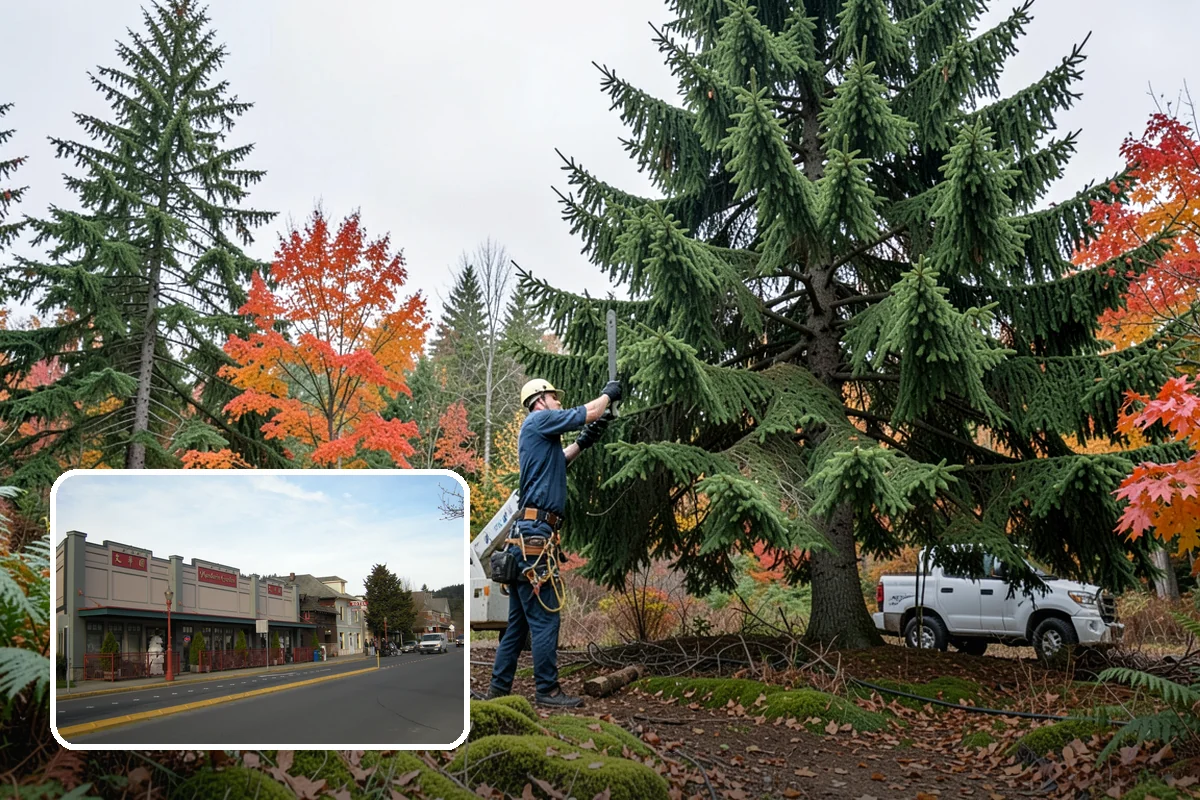
Choosing a lightning protection approach in Issaquah
Most owners end up choosing between three approaches. The right one depends on the tree, its location and what stands beneath it.
- Install a conductor system in one tree. Copper cable runs from near the top of the crown down the trunk to ground rods. It fits a single tall specimen near a structure or gathering area.
- Protect several trees. This suits a cluster of large trees where a strike on one could affect people or buildings nearby. Each tree is assessed separately.
- Skip the system and manage the tree. Pruning to remove dead or weak limbs, and a structural check, may be the better choice for a tree that is small, remote from buildings or already in poor condition.
What local conditions favor
A satellite dataset shows about 41% of Issaquah's land is under dense tree cover, meaning 50% canopy or more. That is a citywide figure, not a statement about your lot. It does mean many properties have large trees close to homes, and that is where a conductor option is most often considered. In a dense stand, a single protected tree may do little for its neighbors, so the layout matters.
The city sits at about 61 ft elevation, so the lot is unlikely to be exposed on a high ridge. Height above the surrounding trees and roofs matters more here than elevation. Check whether your tree stands clearly above the others.
Issaquah falls in USDA hardiness zone 8b, with parts of the city from 8b to 9a, according to the 2023 USDA map. Many of the species that thrive in those zones grow large, and installation should allow for growth. Cables need flexible fittings and periodic adjustment as the trunk and crown expand.
Before you decide
An ISA Certified Arborist on our staff can look at the tree's health first. A system on a decaying tree does not solve the underlying problem. Installation follows recognized standards for tree lightning protection, and we check with the city before work starts if a tree rule could apply. Call or text 425-484-4442 for a free estimate.
Issaquah tree conditions at a glance
| High and strong wind episodes, 2005-2025 | 33 in the forecast zone |
|---|---|
| Ice storm episodes, 2005-2025 | 2 in the forecast zone |
| Average snowfall | 7.8 in a season |
| Soils | 45% of land has hardpan or another restrictive layer within 40 in; most common series Alderwood; 33% well drained |
| Slopes | More steep ground than most Puget Sound cities |
Strongest wind events near Issaquah
- Dec 17, 2010: gusts to 72 mph
- Feb 7, 2012: gusts to 70 mph
- Dec 14, 2006: gusts to 68 mph
NOAA Storm Events, forecast zone that includes Issaquah, 2005-2025.
Sources: Daymet daily weather (NASA/ORNL), NOAA Storm Events, USDA plant hardiness map 2023, NRCS soil survey, USGS elevation, WA DNR landslide inventory, USDA Forest Service aerial survey, WSDA, city tree assessments and street-tree inventories, SILVIS Lab, Arbor Day Foundation, and official city and utility pages.
Lightning Protection Systems Serving Issaquah
Issaquah