Where Safety Meets Expert Tree Service.

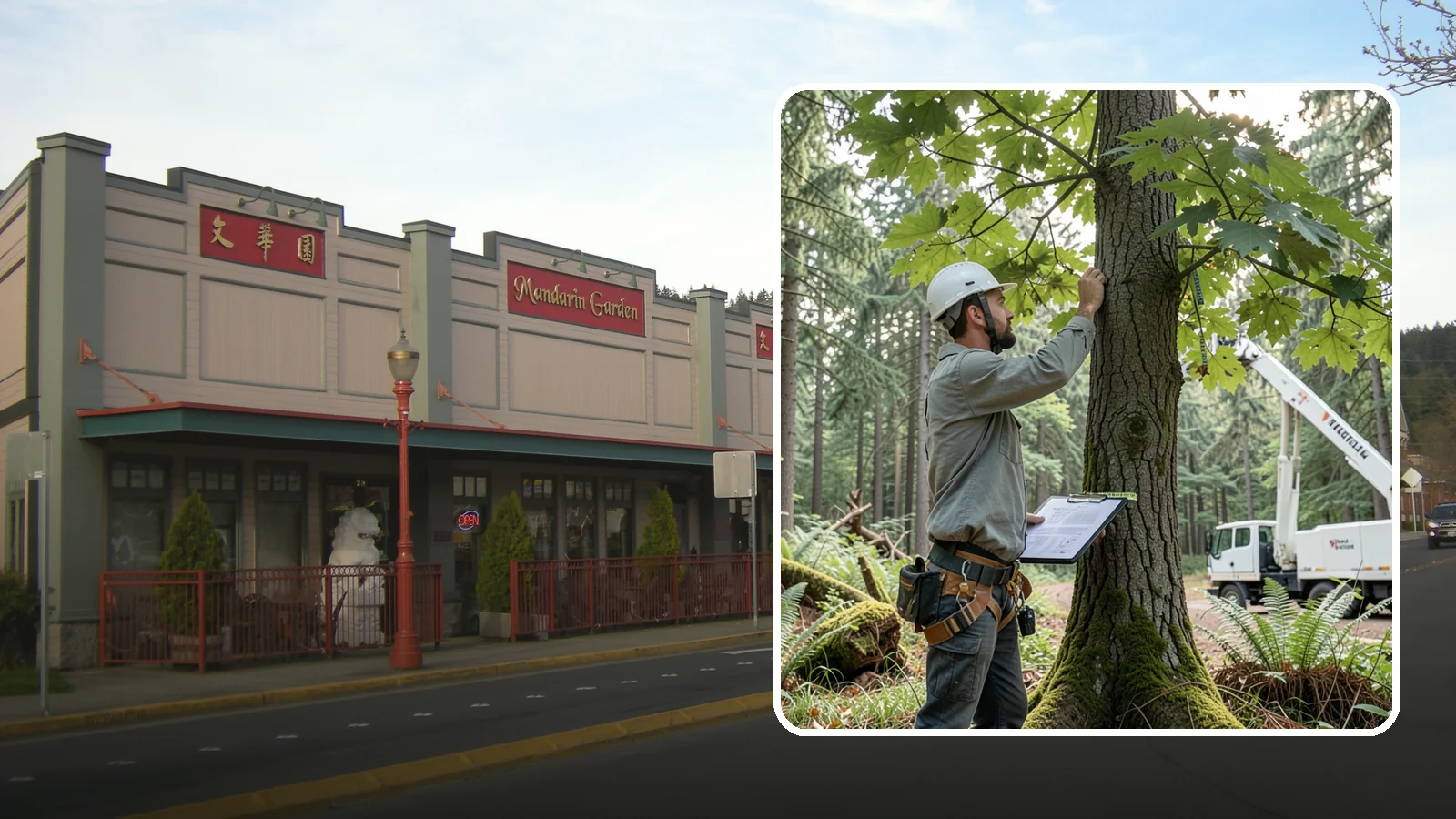
Issaquah Insurance Claim Documentation
The documentation of tree damage for insurance claims.
This service is for Issaquah property owners whose trees have dropped limbs on a roof, fence, car or outbuilding, or whose trees came down or split after a storm. It also fits owners who see damage and need a clear record before they call their insurer.
Good documentation shows what happened, what the tree was like, and what work is needed. We write that up from a site visit. Photos taken before cleanup begins make the biggest difference, so take a few wide shots and close-ups when it is safe to do so.
About Insurance Claim Documentation in Issaquah
This documentation service helps homeowners navigate insurance claims after tree-related damage occurs in our Pacific Northwest climate. Our trained crews provide expert, objective guidance to support your decisions when dealing with storm events or other incidents. We work alongside you to ensure the facts are clearly recorded for your claim process.
What Issaquah Insurance Claim Documentation Includes
Insurance claim documentation focuses on recording specific details of tree damage to strengthen your insurance application. This service includes gathering site history and inspecting conditions while adhering to recognized arboricultural standards. The final output is a clear report that can support permits, planning needs, or insurance submissions.
Issaquah Insurance Claim Documentation Process
Our team begins by collecting information about the trees and their specific location on your property. We then assess current conditions against established objectives before preparing detailed recommendations for you. Each step involves reviewing findings with the client to ensure everyone understands the situation clearly.
Equipment We Use for Issaquah Insurance Claim Documentation
To gather accurate data, we use diagnostic tools designed for measurement and specialized imaging equipment when necessary. Mapping software helps visualize site details, while documentation platforms allow us to create professional reports quickly. All crew members wear personal protective gear to stay safe during these assessments.
Issaquah Insurance Claim Documentation Safety & Best Practices
We base all our findings on observed evidence and recognized industry standards rather than speculation. If there are limitations in what we can assess or if uncertainty remains about a specific condition, we disclose those factors openly. Our approach ensures that any recommendations for follow-up care are documented accurately to protect your interests.
Signs You Need Insurance Claim Documentation in Issaquah
You may need this service when you have experienced tree damage and require official support for an insurance claim. Situations involving hidden defects within the trunk or root system often benefit from a professional inspection of site history. Regulatory requirements can also vary by jurisdiction, making expert documentation essential for compliance with local rules.
What Affects the Cost of Insurance Claim Documentation in Issaquah
The price is influenced by how difficult it is to access your specific property and the complexity of the tree species involved. If specialized diagnostic imaging tools are required during the damage assessment, this will factor into the overall cost as well. These variables ensure that our services match the unique needs of each site without using a flat rate.
Best Time of Year for Issaquah Insurance Claim Documentation
While we can perform documentation year-round to fit your schedule, expedited support is available after storm events when immediate claim assistance is needed. This flexibility allows us to work within the Pacific Northwest climate patterns while prioritizing urgent situations for homeowners in our service area.
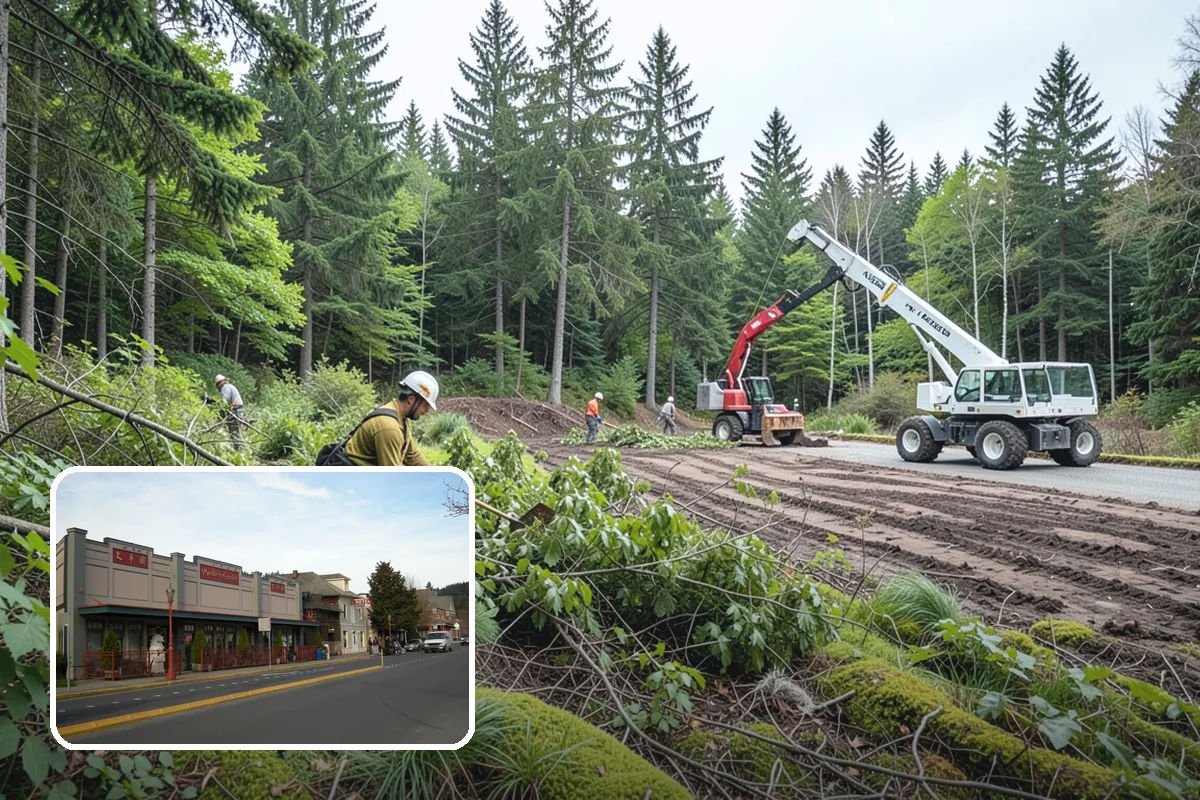
Documenting storm tree damage in Issaquah: your options
Owners usually choose among three approaches. Which one fits depends on how much damage there is and how soon the tree must be dealt with.
Do it yourself, then call the insurer
This works for small losses, such as one limb on a fence. Photograph the damage from several angles, include the tree and the area around it, and note the date and time. Keep any broken pieces that matter until the adjuster has seen them, if that is practical.
Have an arborist document before any work
This suits larger losses, trees leaning over a structure, or cases where you are unsure what caused the failure. An arborist can record the break points, signs of decay or old wounds, and what is still at risk. Our ISA Certified Arborist can do this, and estimates are free.
Emergency work first, documentation alongside
If a tree is on a house or blocking a driveway, safety comes first. Photograph everything before it is moved, then have the crew keep notes as the work proceeds.
What local conditions favor
Federal weather records for the forecast zone that includes Issaquah list 33 high and strong wind episodes from 2005 to 2025. The strongest gust recorded in that zone was 72 mph on December 17, 2010. Wind damage is therefore a realistic cause of loss here, and a written record that ties the failure to a storm date can help your claim.
The same records show 2 ice storm episodes in that period. Ice damage is rarer, but it often breaks many limbs at once. That favors a full arborist walkthrough over a quick personal check.
Whatever route you choose, gather these before you call:
- Dated photos taken before cleanup
- Your policy number and the date of the storm
- Notes on what was damaged
- Any earlier tree work records you have
Removal rules can vary, so we check with the city before work starts. Call or text 425-484-4442 to set up a visit.
Issaquah tree conditions at a glance
| Slopes | More steep ground than most Puget Sound cities |
|---|---|
| Landslides mapped by WA DNR | 39 |
| Soils | 45% of land has hardpan or another restrictive layer within 40 in; most common series Alderwood; 33% well drained |
| Tree canopy | Among the most heavily treed Puget Sound cities (satellite data) |
| High and strong wind episodes, 2005-2025 | 33 in the forecast zone |
| USDA hardiness zone | 8b (8b to 9a across the city) |
Tree removal rules in Issaquah
A Tree Permit is required to remove significant trees; the only exemptions are removal of nonsignificant trees not otherwise protected, pruning that is not 'excessive', public agency/utility work in ROW/easements, and mineral extraction. Each removal must meet approval criteria in IMC 18.812.050 (e.g., nuisance trees, replacing dead significant trees, dying or diseased trees with qualified arborist recommendations).
Regulated size: 6 in.+ DBH, or alder/cottonwood 8 in.+ DBH, excluding King County Noxious Weed List species (per search-index text of city tree-code document.
Official city source. Rules change; we confirm with the city before work starts.
Sources: Daymet daily weather (NASA/ORNL), NOAA Storm Events, USDA plant hardiness map 2023, NRCS soil survey, USGS elevation, WA DNR landslide inventory, USDA Forest Service aerial survey, WSDA, city tree assessments and street-tree inventories, SILVIS Lab, Arbor Day Foundation, and official city and utility pages.
Insurance Claim Documentation Serving Issaquah
Issaquah


Insurance claim documentation in nearby areas
Also serving Issaquah
- 3D Landscape Design in Issaquahat Washington Landscaping