Where Safety Meets Expert Tree Service.

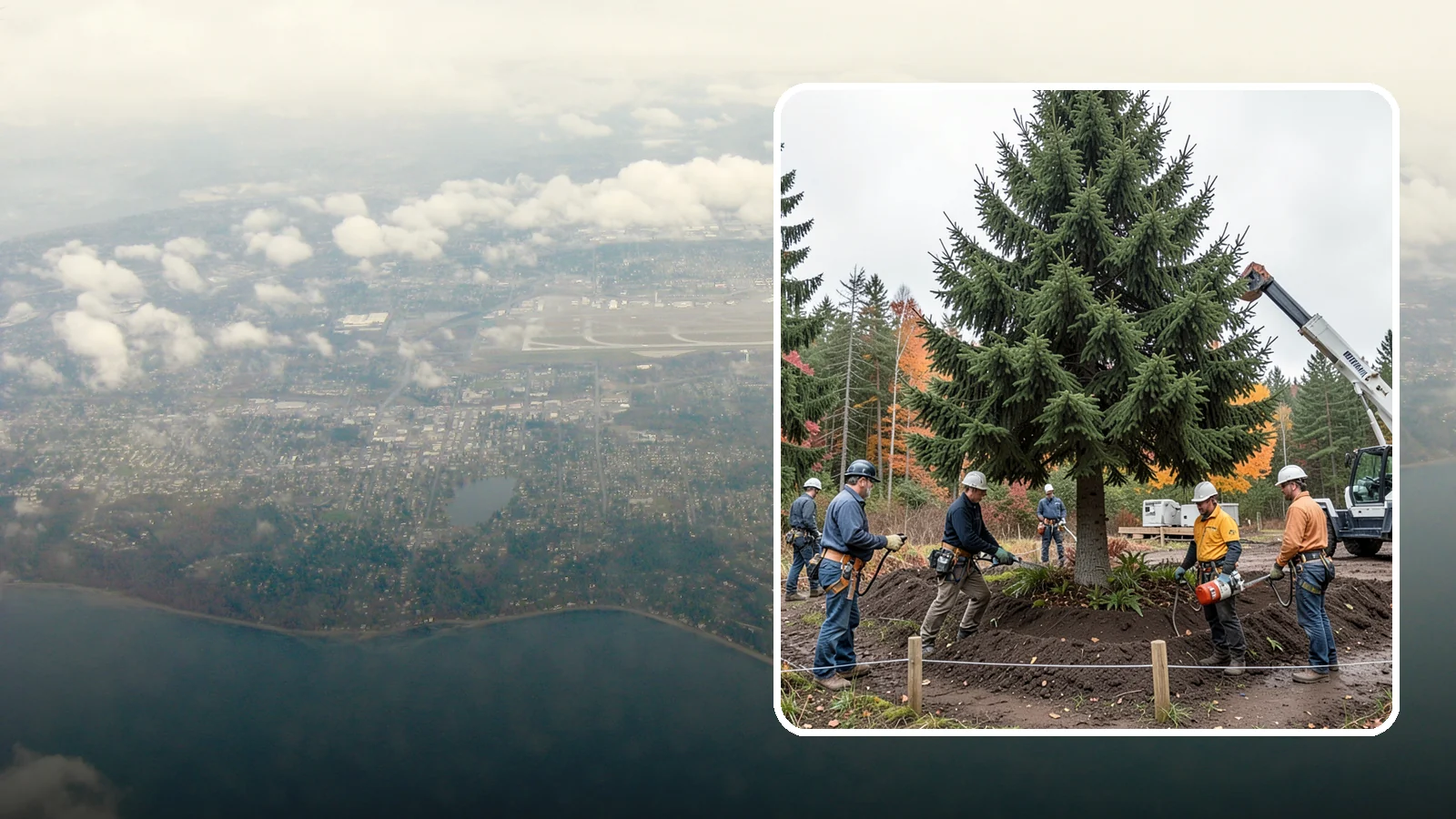
Burien Tree Preservation During Construction
Measures to protect trees throughout construction.
You have a build, an addition or a utility trench planned, and a tree or two you want to keep standing afterward. The damage that matters most often happens below ground and out of sight, so a tree can look fine for a season before the crown thins or the leaves scorch.
The best time to plan protection is before the first stake goes in. Walk the site with the plans in hand, mark the trees you want to keep, and decide where equipment, soil piles and trenches will go before anyone arrives.
About Tree Preservation During Construction in Burien
We help homeowners keep their valued trees healthy while building projects happen on their property. Our team takes care of tree preservation during construction so your landscape remains strong after the work is done. This service ensures that retained trees stay in good condition throughout the entire build process.
What Burien Tree Preservation During Construction Includes
Tree preservation during construction involves specific measures designed to protect trees from damage caused by nearby building activities. We use methods matched to each tree species and site conditions to keep them healthy while you construct your home or addition. These steps help reduce the risk of decline that often comes with major landscaping changes.
Burien Tree Preservation During Construction Process
The work begins by identifying which trees need protection and mapping out their specific zones before any digging starts. Our trained crews establish protective measures early on and monitor tree health throughout the construction timeline. If issues arise, we address impacts immediately and provide follow-up care to support recovery after the project ends.
Equipment We Use for Burien Tree Preservation During Construction
We utilize protective fencing and signage to clearly mark areas where equipment must not enter. Ground protection materials like mulch are used to shield roots from compaction, while air excavation tools help us work carefully near sensitive root systems. Monitoring tools allow our team to track tree health closely without disturbing the soil unnecessarily.
Burien Tree Preservation During Construction Safety & Best Practices
Keeping heavy machinery and traffic out of designated protection zones is a top priority for every job we complete. We avoid making grade changes or compacting soil over existing roots to maintain proper drainage and stability. Coordinating directly with your site crews ensures everyone follows safety protocols, and all measures are documented for compliance.
Signs You Need Tree Preservation During Construction in Burien
You may need this service if you have plans that involve retaining mature trees while building a new structure. Signs include concerns about root-zone compaction from equipment or delayed decline appearing months after construction finishes. If encroachment by machinery threatens your landscape, our preservation plan helps mitigate those risks before they become permanent damage.
What Affects the Cost of Tree Preservation During Construction in Burien
The price is influenced by the number of trees you want to keep and their individual size requirements. Species-specific protection needs vary, as do site access constraints that affect how easily equipment can reach certain areas. Additionally, the complexity of establishing root zones against active construction activities plays a role in determining the final cost.
Best Time of Year for Burien Tree Preservation During Construction
This service can be performed year-round throughout our region, offering flexibility for your project schedule. However, careful monitoring is required during wetter seasons to prevent soil saturation issues that could worsen compaction risks around roots. Planning ahead allows us to adjust methods based on current weather conditions and site moisture levels.

Protecting Trees During Burien Construction Projects
Most construction harm comes from three things: compacted soil, cut roots and changed grade. Heavy machines squeeze the air out of the soil that roots depend on. A trench for a pipe or footing can sever structural roots in one pass. Piling fill over the root zone can smother it. Trees often decline slowly afterward, and the cause is easy to miss.
The usual standard (ISA and ANSI A300 practice) is to set a protection zone around each tree you keep, based on trunk diameter, and fence it off before work begins. Nothing gets parked, stored or dumped inside the fence. Where a trench must pass close, it can be dug by hand or by air excavation so roots can be found and pruned cleanly instead of torn. Mulch spread over the root zone helps buffer the soil from foot traffic. Wood chips from tree work can serve for this. A Washington State University Extension publication on arborist wood chips notes that chips from diseased trees used as surface mulch do not infect healthy trees.
Burien's rules shape which trees you can plan around
Burien regulates removal on private property through its tree code. According to the city, a Minor Tree Removal Permit is required to remove an exceptional tree, or to remove more than the annual allowance of one tree per year. The regulated size is 6 inches in diameter measured 4.5 feet above ground. That matters for a building plan, because a tree you hoped to take out for a new footprint may need a permit first. The city's code also says that if removal leaves the lot below its minimum tree credit density, which varies by lot size, trees must be replaced. Saving a tree can therefore reduce what you have to plant later.
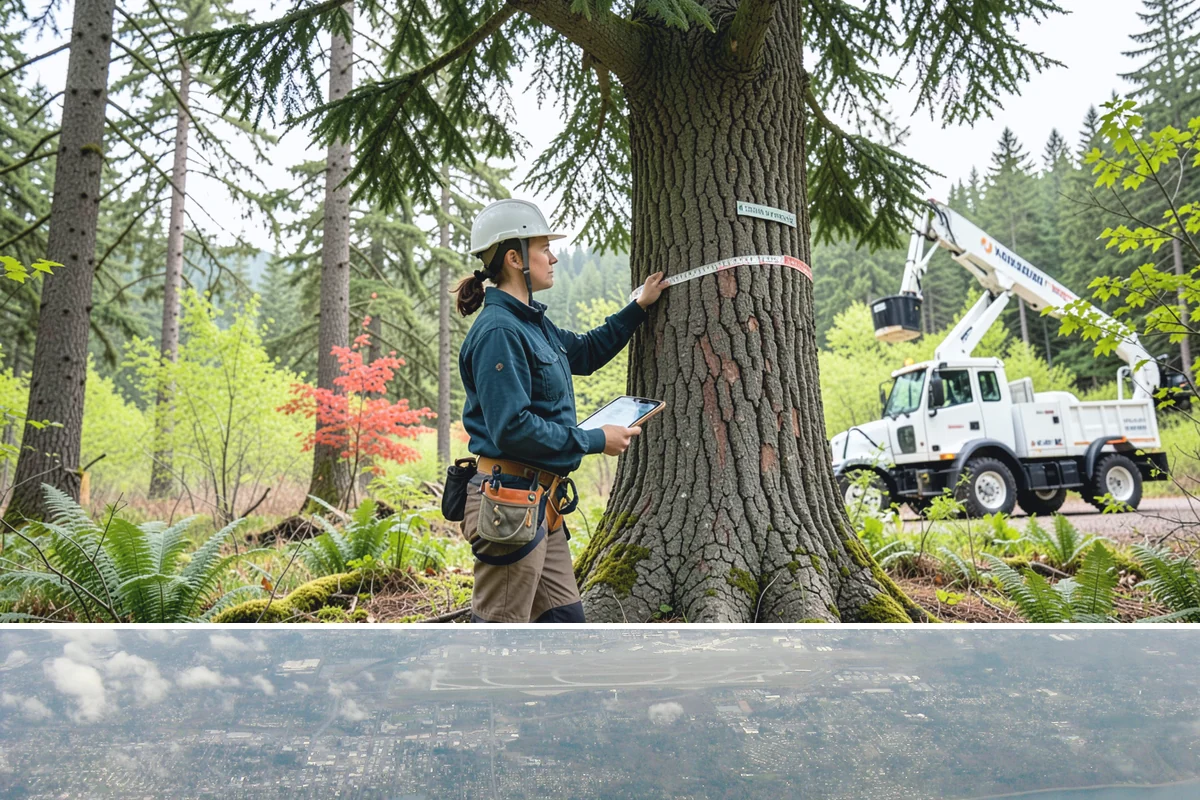
The code speaks to removal, so we check with the city before work starts if your plans involve pruning or other work near regulated trees and the rules look unclear. An ISA Certified Arborist can assess each tree, mark the protection zones and review the site plan with your builder. Call or text 425-484-4442 to set up a free estimate.
Burien tree conditions at a glance
| Slopes | Some steep slopes |
|---|---|
| Landslides mapped by WA DNR | 43 |
| High and strong wind episodes, 2005-2025 | 38 in the forecast zone |
| USDA hardiness zone | 9a |
Tree removal rules in Burien
Minor Tree Removal Permit required to: remove an exceptional tree; remove more than the annual allowance (1 tree per year; more allowed on lots over 5,000 sq ft per Table 19.26.060-1).
Regulated size: 6 in. diameter at 4.5 ft above ground.
Official city source. Rules change; we confirm with the city before work starts.
Sources: Daymet daily weather (NASA/ORNL), NOAA Storm Events, USDA plant hardiness map 2023, NRCS soil survey, USGS elevation, WA DNR landslide inventory, USDA Forest Service aerial survey, WSDA, city tree assessments and street-tree inventories, SILVIS Lab, Arbor Day Foundation, and official city and utility pages.
Tree Preservation During Construction Serving Burien
Burien

Tree preservation during construction in nearby areas
Also serving Burien
- Selective Demolition in Burienat Washington Construction
- Grading for Drainage in Burienat Washington Landscaping
- Municipal Concrete Repair in Burienat Washington City Services