Where Safety Meets Expert Tree Service.

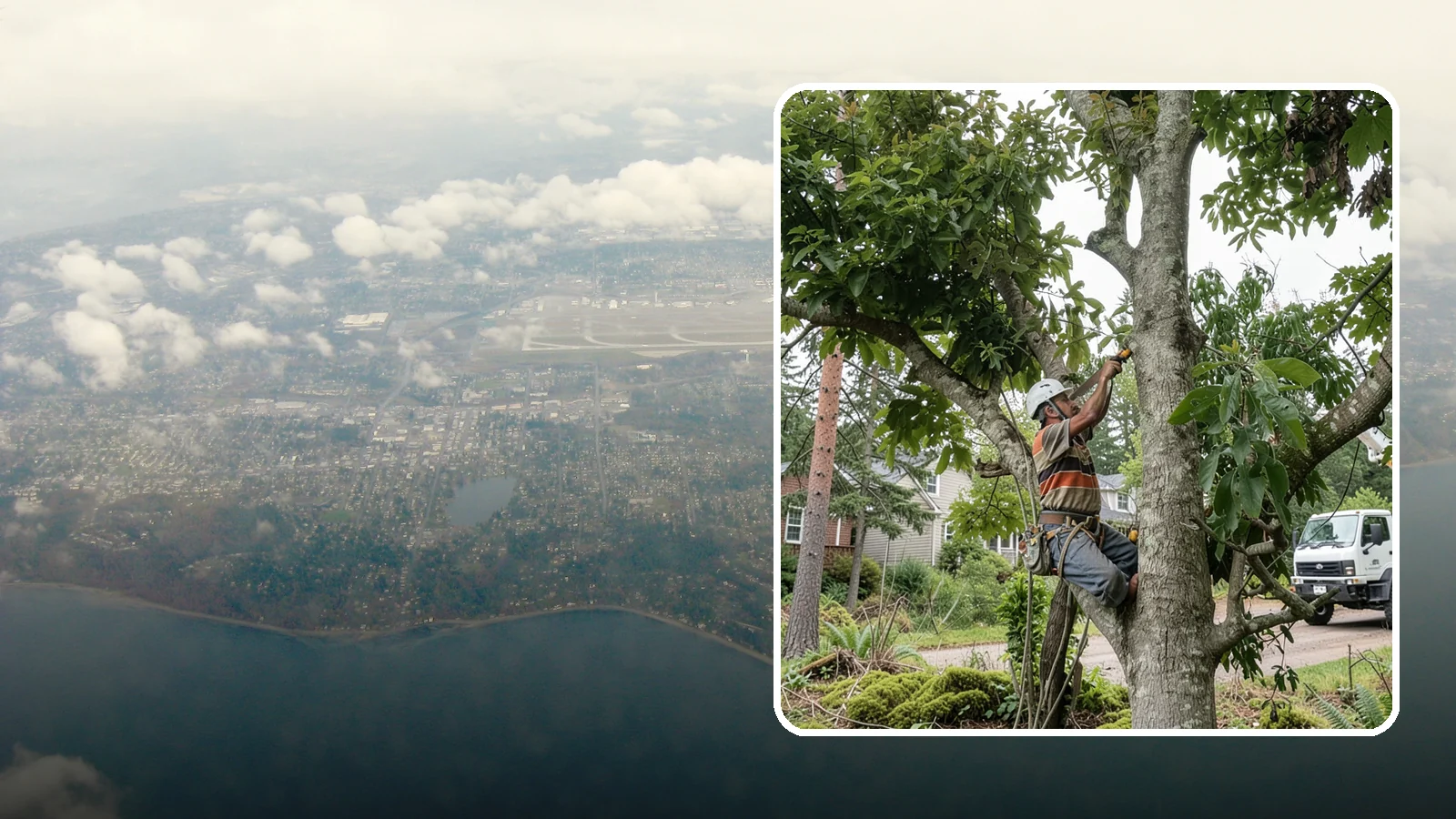
Burien Tree Pruning
The removal of specific branches to improve a tree’s structure, health, and safety.
You look up and see a branch rubbing the roof, a limb hanging over the driveway, or a conifer that now blocks the view you bought the house for. Maybe a cherry has oozing, sunken patches on its bark. These are the usual reasons people start looking into pruning.
Good pruning solves a specific problem with the fewest cuts possible. Below is how we think about that in Burien, from view work on conifers to cherry disease, and how the local wet season and wind history affect timing and choices.
About Tree Pruning in Burien
Tree pruning helps homeowners maintain healthy, strong trees that fit well within their landscape. Our trained crews work carefully to remove specific branches while keeping your property safe and attractive year-round. We focus on improving the overall structure of your tree without causing unnecessary stress.
What Burien Tree Pruning Includes
This service involves removing selected branches to enhance a tree’s health, appearance, and safety around structures or power lines. It targets defective growth like deadwood and weak unions to support a robust framework for future seasons. Every cut is planned to match the specific needs of your tree species and site conditions.
Burien Tree Pruning Process
We begin by assessing the canopy condition and defining clear goals for what you want to achieve with each tree. Our team selects precise cuts that follow recognized arboricultural standards, ensuring we never remove too much live tissue at once. After making clean incisions at proper points, we lower branches safely, process the wood material, and leave your work area tidy.
Equipment We Use for Burien Tree Pruning
To complete this job effectively, our crews use hand saws, pole saws, chainsaws, and various climbing or rigging gear as needed. Depending on access requirements, an aerial lift may be brought in to reach higher branches safely. We also utilize a wood chipper for processing cut material and wear full personal protective equipment throughout the project.
Burien Tree Pruning Safety & Best Practices
Safety is our priority, so we always follow recognized pruning standards to avoid making harmful cuts that could weaken your tree. Our workers watch closely for overhead power lines and unstable limbs before starting any work aloft or on the ground. We limit removal to healthy amounts of live tissue and use fall protection whenever anyone climbs a tree.
Signs You Need Tree Pruning in Burien
You may need this service if you notice deadwood, weak branch unions, or branches interfering with your home’s structures or utility lines. Over-pruning from previous attempts or improper cuts can cause stress that shows up as declining health in the canopy. If sightlines are blocked by low-hanging limbs or clearance issues exist near walkways, pruning is a good solution.
What Affects the Cost of Tree Pruning in Burien
The investment for this work depends on factors like your tree species and how large its canopy has grown over time. Access requirements might change if equipment such as an aerial lift is needed to reach certain branches safely. Additionally, the volume of wood material that must be removed and processed will influence the overall cost of the project.
Best Time of Year for Burien Tree Pruning
The best time for pruning follows recognized arboricultural standards matched to our local Puget Sound climate conditions. We aim to schedule work during natural dormant periods preferred by each specific tree species in your landscape. Timing is critical because cutting at the wrong season can harm the tree or delay its ability to heal properly.
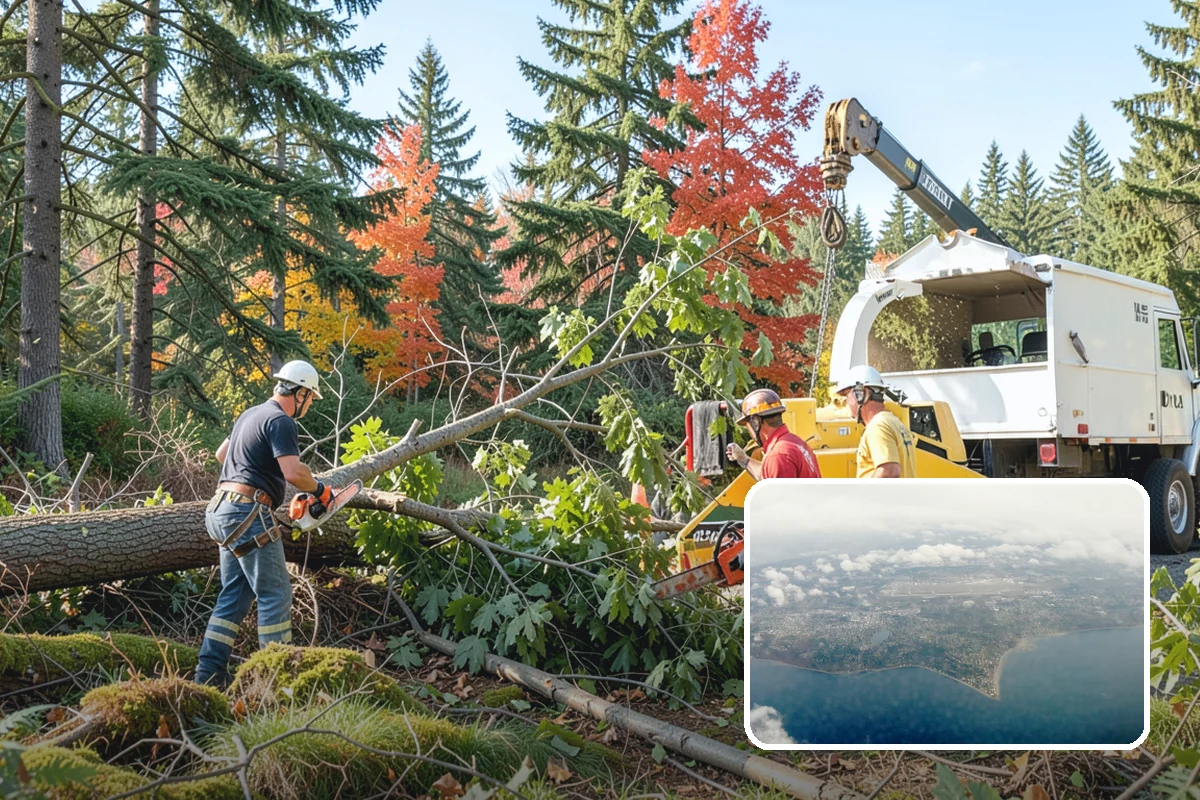
Pruning trees in Burien: view, disease and wet-season timing
Most pruning problems have a cause you can name. Branches grow toward light, so crowded canopies push limbs into roofs and wires. Trees that grew tall in a stand lose their lower branches and put weight high on the trunk. Disease enters through wounds and spreads on dirty tools.
If the goal is a view through conifers, the method matters. WSU Extension guidance, in a master gardener column on tree topping by Jane Billinghurst, recommends skirting (limbing up), thinning or windowing rather than crown reduction. Skirting removes lower branches. Thinning removes selected branches throughout the crown so light and air pass through. Windowing opens a gap in one direction. Each keeps the tree's natural shape better than cutting the top back, and we do not recommend topping.
Disease and dry weather
Cherry trees with bacterial canker need different handling. WSU HortSense advises pruning out the canker in dry weather, well below the affected wood, and sterilizing tools often. That timing matters here because, according to Daymet climate data for 2005 to 2025, about 83% of Burien's yearly rain and snow falls from October to April. Wet cuts give bacteria an easy path, so this kind of pruning is best planned for a dry spell, not squeezed into the wet months.
Wind and structure
The National Weather Service forecast zone that includes Burien logged 38 high and strong wind episodes between 2005 and 2025. That figure covers the whole zone, not your yard, but it is a reason to look at weak attachments, crossing limbs and heavy, overextended branches. Thinning to reduce end weight and removing dead wood are standard ways to lower the load on a limb.
What the work looks like
We start by walking the tree with you and agreeing on the goal. Cuts are made just outside the branch collar, and we avoid removing too much live crown at once, following ISA and ANSI A300 practice. Pruning cannot promise a particular result, but it can reduce specific risks and improve light and clearance. If a city permit might apply to any part of the job, we check with the city before work starts.
Burien tree conditions at a glance
| USDA hardiness zone | 9a |
|---|---|
| Rain and snow falling October to April | 83% of the year’s total |
| Days that freeze at night and thaw by day | 28 a year |
| Tree City USA | 25 years |
| Electric utility | Puget Sound Energy (PSE) |
Trees near the power line to your house
Puget Sound Energy (PSE): Service line (wire from PSE pole to home or meter pole): PSE does not trim it; homeowner/private arborist trims.
PSE performs a safety disconnection so the homeowner or private tree trimmer/arborist can work; Call at least 5 business days ahead to check crew availability and potential charges.
Safety disconnect: 1-888-321-7779 (5+ business days ahead). Utility page.
Any fee for a disconnect is set by the utility.
Sources: Daymet daily weather (NASA/ORNL), NOAA Storm Events, USDA plant hardiness map 2023, NRCS soil survey, USGS elevation, WA DNR landslide inventory, USDA Forest Service aerial survey, WSDA, city tree assessments and street-tree inventories, SILVIS Lab, Arbor Day Foundation, and official city and utility pages.
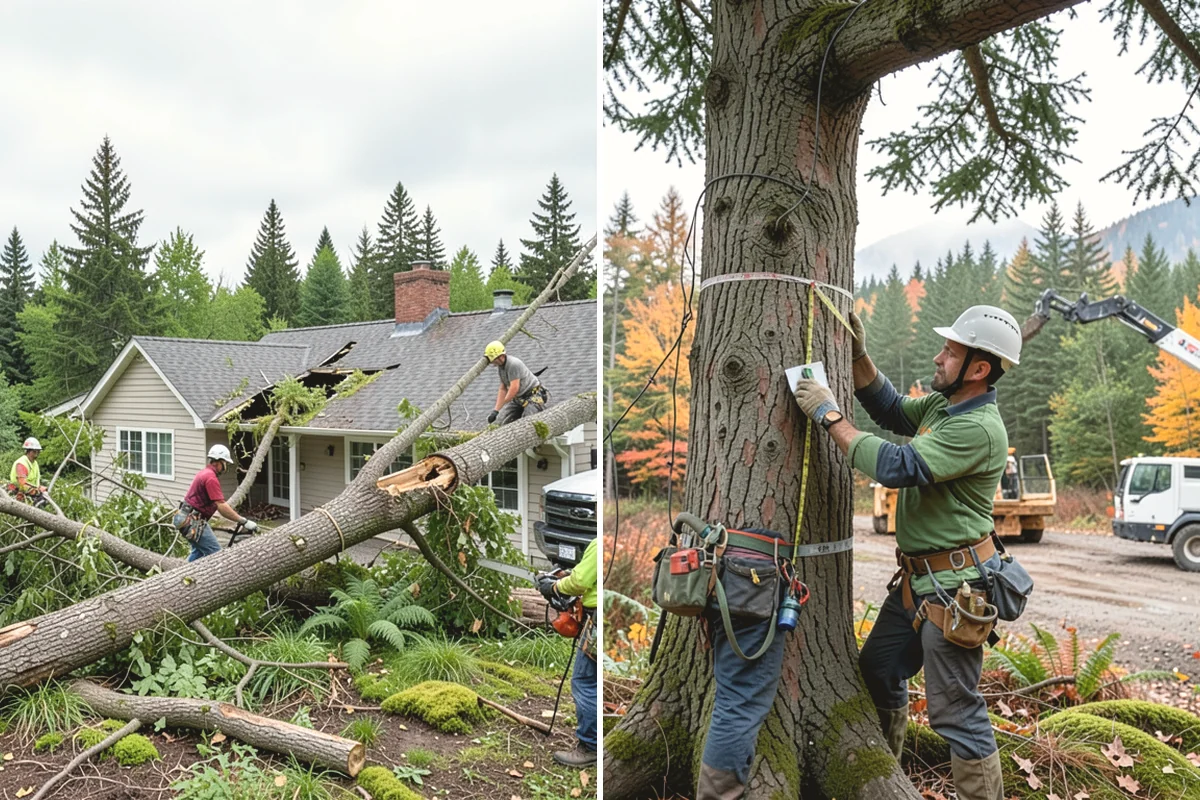
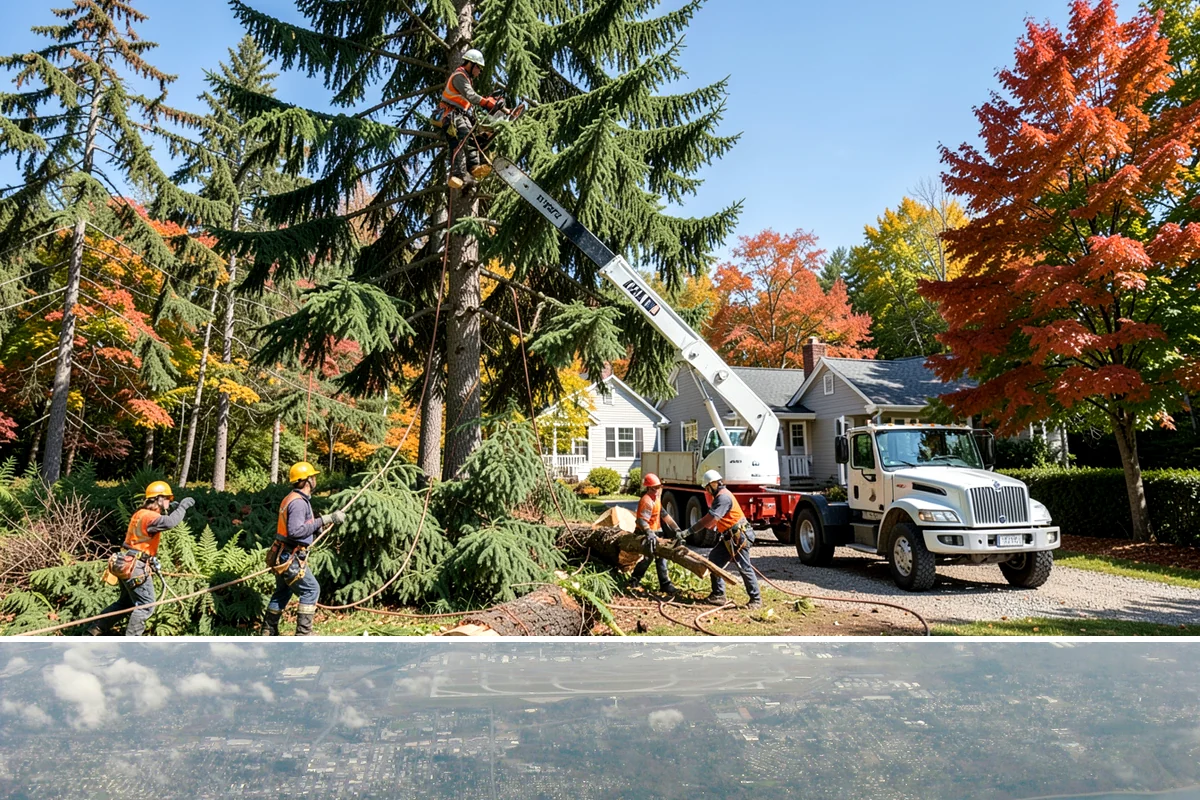
Tree Pruning Serving Burien
Burien
Tree Pruning in nearby areas
Also serving Burien
- Plum Tree Pruning in Burienat Washington Landscaping
- Roof Moss Treatment in Burienat Washington Roofing
- Vegetation Management in Burienat Washington City Services