Where Safety Meets Expert Tree Service.

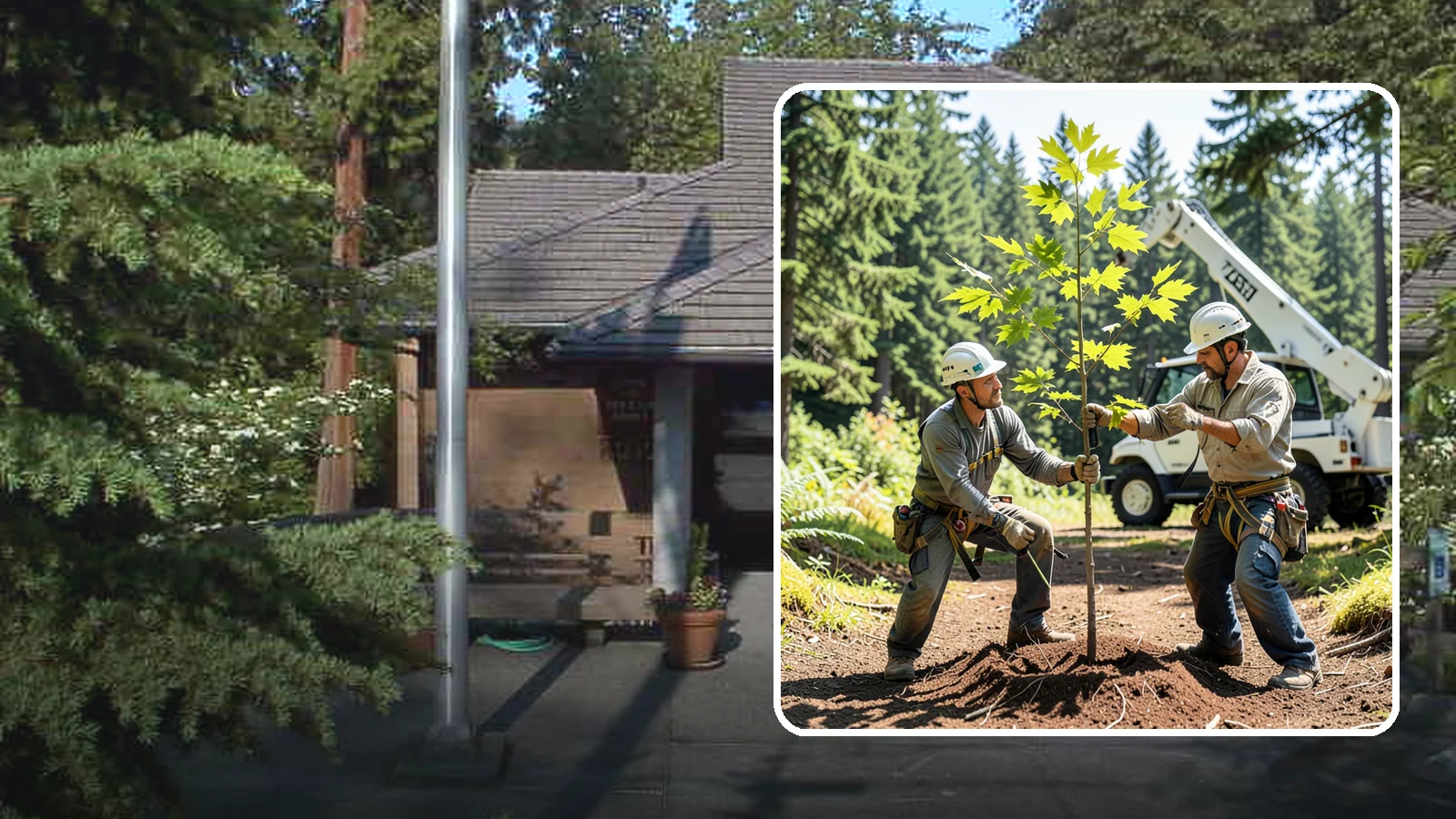
Yarrow Point Young Tree Training
The early structural pruning of young trees.
A young tree in your yard may be leaning, putting up two competing leaders, or sending low branches across the path where you walk the mower. These are common in the first few years after planting, and they are much easier to fix while the branches are still thin.
Young tree training is light, early pruning that guides a tree toward one strong central trunk and well-spaced branches. Done in small steps, it can reduce the need for large cuts later. Here is how we think about it for a Yarrow Point property.
About Young Tree Training in Yarrow Point
Young tree training helps establish a strong foundation for your newest additions by shaping their branches early on. This essential care supports long-term health and appearance while reducing future risks of branch failure. It is ideal for homeowners who want to ensure their trees grow into sturdy, well-formed specimens.
What Yarrow Point Young Tree Training Includes
This service focuses on the early structural pruning needed to create strong, well-spaced branches and a sound central structure. Our trained crews match specific methods to your tree species, site conditions, and access requirements to achieve these goals safely. The work is designed to improve clearance, sightlines, and overall vigor without causing unnecessary stress to the plant.
Yarrow Point Young Tree Training Process
We begin by assessing the canopy condition and defining clear pruning objectives for each individual tree. Crews then select precise cuts that fit the species and current season before making clean incisions at proper points. Afterward, we lower and process all cut material while thoroughly cleaning up the work area around your property.
Equipment We Use for Yarrow Point Young Tree Training
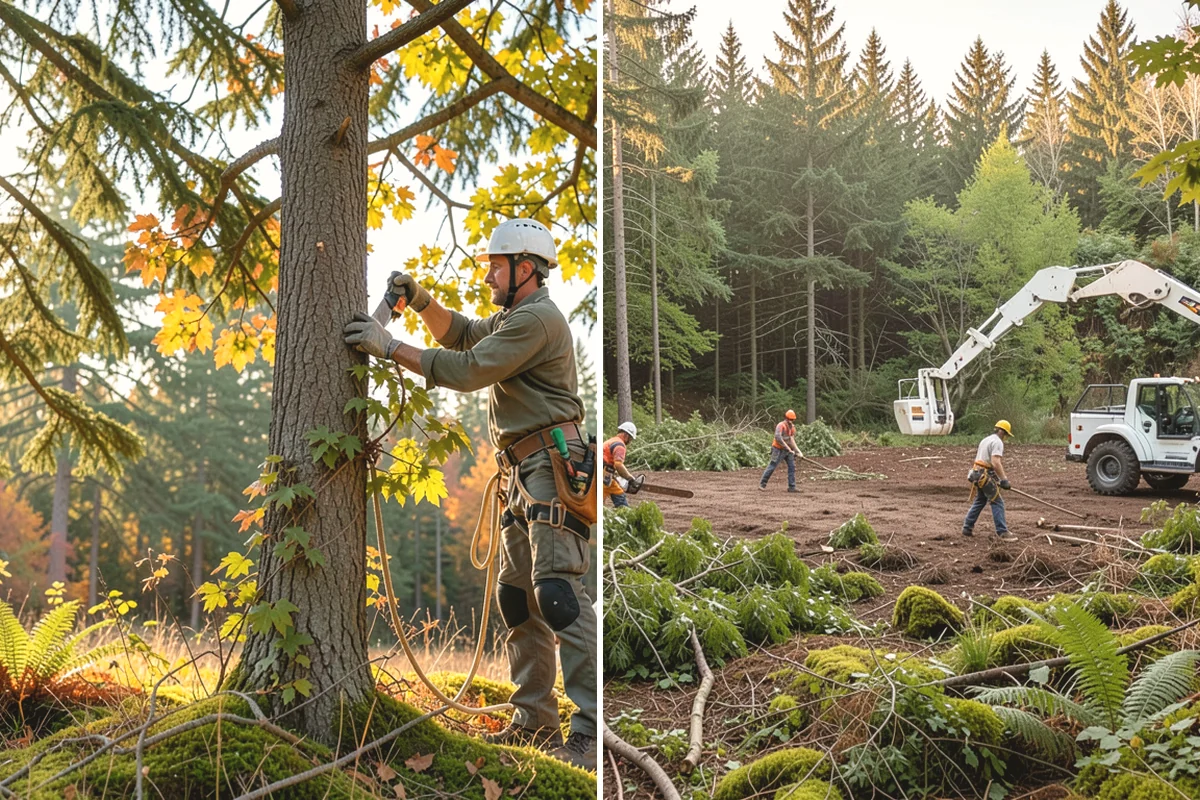
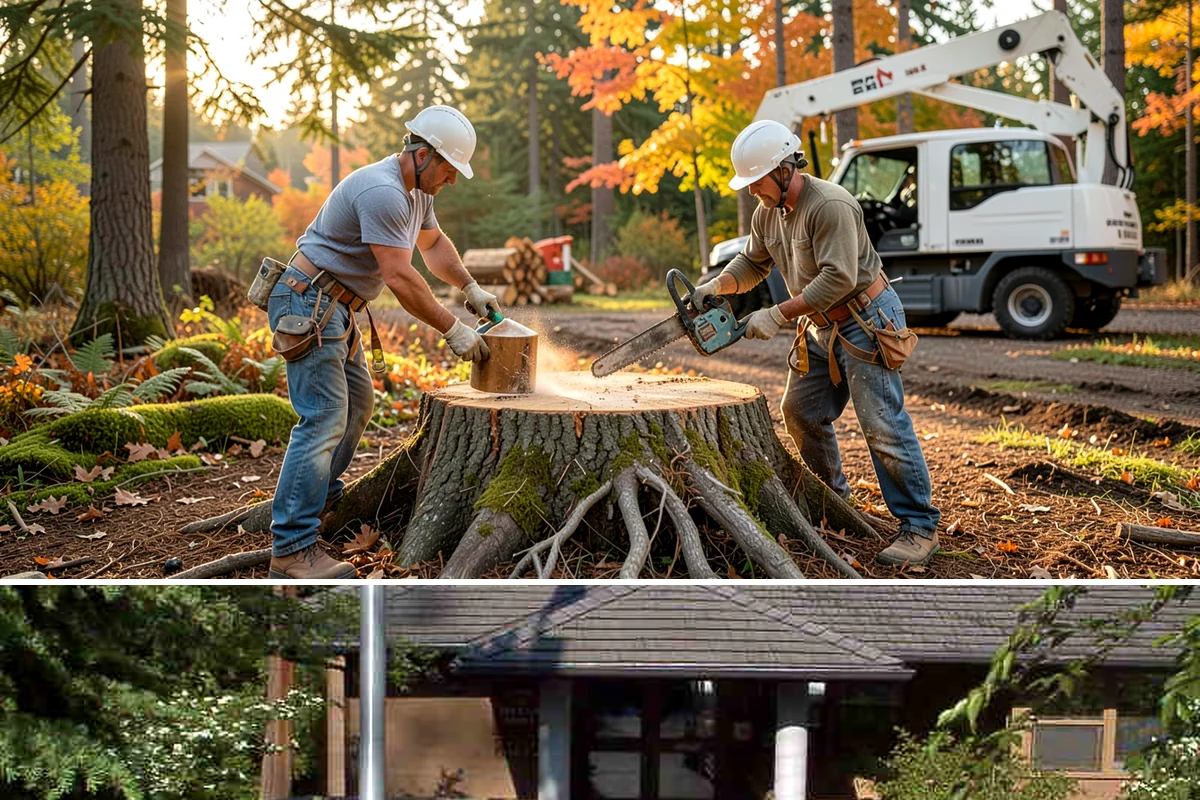
Our teams utilize hand saws, pole saws, chainsaws, and climbing gear to reach every part of the canopy safely. When necessary, aerial lifts are deployed along with wood chippers for efficient debris management on site. All personnel wear personal protective equipment throughout the job to ensure everyone remains safe during operations.
Yarrow Point Young Tree Training Safety & Best Practices
We follow recognized pruning standards that avoid harmful cuts while limiting removal to healthy amounts of live tissue. Technicians stay alert for overhead lines and unstable limbs, using fall protection whenever they work aloft. These precautions help prevent accidents and protect both your property and the structural integrity of the tree.
Signs You Need Young Tree Training in Yarrow Point
You may need this service if you notice deadwood, weak unions, or branches interfering with nearby structures and power lines. Over-pruning from previous attempts or improper cuts that cause stress to the plant are also clear indicators for intervention. Addressing these issues early supports long-term vigor and prevents potential hazards before they become serious problems.
What Affects the Cost of Young Tree Training in Yarrow Point
The investment varies based on tree species, site access conditions, and canopy complexity requiring precise cuts. Disposal needs for larger amounts of wood can also influence the final cost of the project. We work with you to find a solution that fits your budget while delivering high-quality structural training.
Best Time of Year for Yarrow Point Young Tree Training
Work should be scheduled according to recognized arboricultural standards matched to seasonal sensitivities specific to each species in our region. Timing is critical because different trees react differently to pruning at various times of the year. We plan visits to align with these natural rhythms for the best results and minimal stress on your young trees.

How young tree training works in Yarrow Point
Most structural problems start small. A tree grows two leaders that compete, or a branch grows with a tight angle to the trunk and traps bark between the two stems. As the tree gets bigger, those weak joints carry more weight. Cutting while stems are small means smaller wounds and fewer big decisions later.
The first step is to look at the whole tree. We pick the leader we want to keep, then look at which branches are crowding it or growing too low. Under standard pruning practice (ISA and ANSI A300 style), we remove only what the tree structure calls for and favor small cuts. We do not top young trees. Cutting a leader back to a stub tends to produce weak, fast regrowth.
Timing and the tree's condition matter. The WSU Extension Pacific Northwest Gardener's Handbook notes that recently transplanted, declining or stressed plants may not tolerate losing any live canopy. For a tree planted in the last year or two, that can mean we remove only dead or broken wood and wait on the shaping. We would rather spread the work over several visits than take too much at once.
Local weather plays a part too. According to Daymet data for 2005 to 2025, about 81% of Yarrow Point's yearly rain and snow falls from October to April. Wet soil in those months can make a young tree lean if its roots are not yet well anchored. So we check the stake, the ties and the root flare. Stakes left on too long or ties pulled tight can rub the trunk, and we adjust or remove them.
The USDA map from 2023 places Yarrow Point in hardiness zone 9a, with parts of the city from 8b to 9a. That is useful when you choose species, since it tells you which trees are likely to handle winter cold here.
Yarrow Point is a current Tree City USA, at 16 years, according to the Arbor Day Foundation. Training cuts on a young tree are small, but if you are also thinking about removing a tree, we check with the city before any work starts. Call or text 425-484-4442 for a free estimate.
Yarrow Point tree conditions at a glance
| USDA hardiness zone | 9a (8b to 9a across the city) |
|---|---|
| Rain and snow falling October to April | 81% of the year’s total |
| Days that freeze at night and thaw by day | 28 a year |
| Tree City USA | 16 years |
| Electric utility | unconfirmed |
Sources: Daymet daily weather (NASA/ORNL), NOAA Storm Events, USDA plant hardiness map 2023, NRCS soil survey, USGS elevation, WA DNR landslide inventory, USDA Forest Service aerial survey, WSDA, city tree assessments and street-tree inventories, SILVIS Lab, Arbor Day Foundation, and official city and utility pages.
Young Tree Training Serving Yarrow Point
Yarrow Point
Young tree training in nearby areas
Also serving Yarrow Point
- Dogwood Pruning in Yarrow Pointat Washington Landscaping
- Roof Preservation in Yarrow Pointat Washington Roofing
- Storm Cleanup in Yarrow Pointat Washington City Services