Where Safety Meets Expert Tree Service.

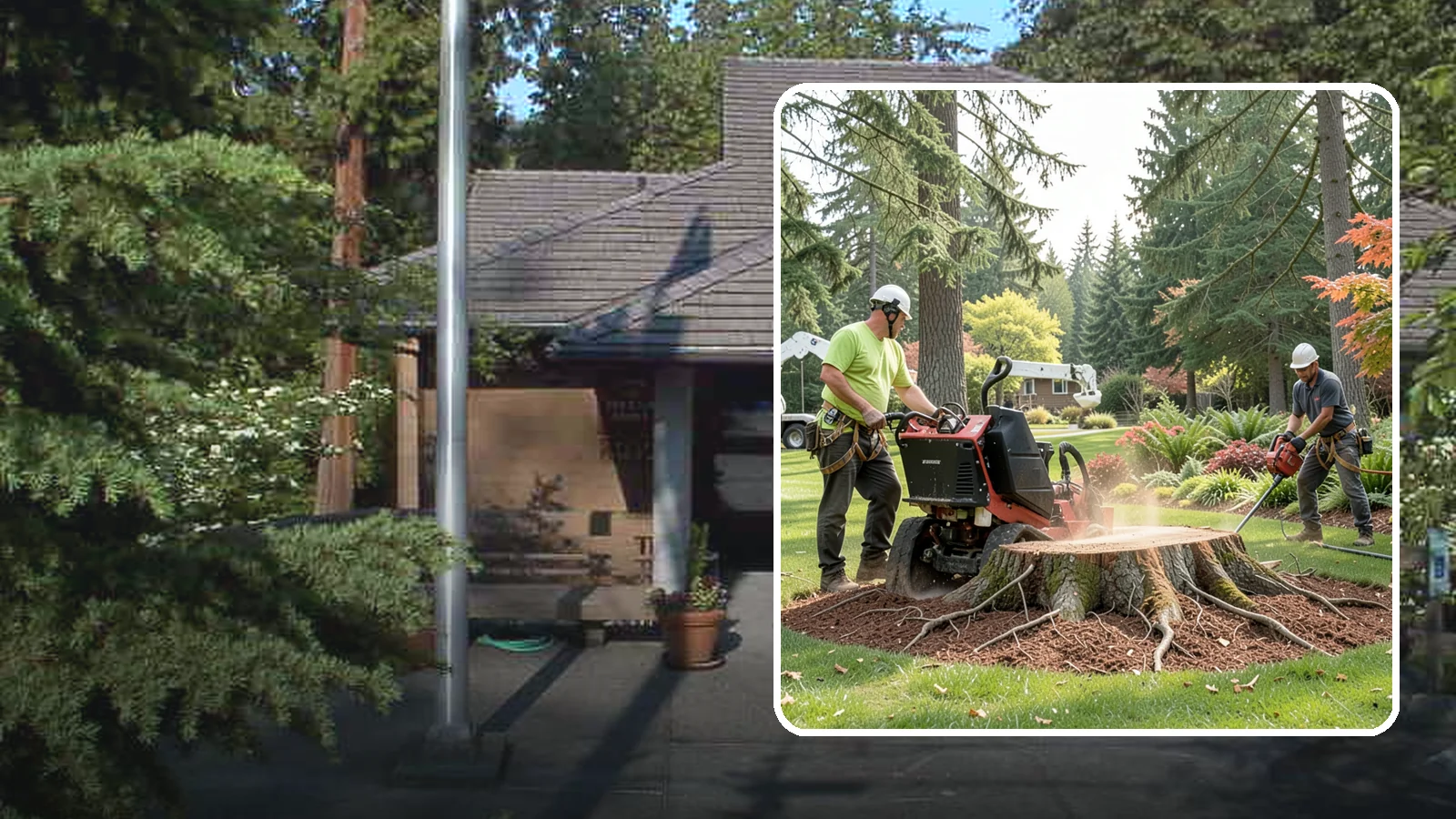
Yarrow Point Stump Grinding
The mechanical grinding of a stump below grade.
Stump grinding can happen in any month, but late summer and early fall are often the easiest window. The ground is drier, the machine moves across the lawn without tearing it up, and you can reseed or replant before the wet season starts. If a tree came down in winter, you can wait until the soil firms up.
Plan the grinding before you plan what replaces the stump. Where the stump sits, how deep the grinding goes, and what you want in that spot all depend on each other. This page covers how that planning works for a Yarrow Point yard.
About Stump Grinding in Yarrow Point
Stump grinding is a helpful way to clear out old tree stumps that might trip you or block your yard from being used again. This service restores the ground so you can replant new trees or simply enjoy open space without obstructions. It works well for homeowners who want their property looking neat and safe after removing a large tree.
What Yarrow Point Stump Grinding Includes
Our crews use mechanical grinding to remove stumps below grade, leaving only small surface roots behind. This process matches the specific needs of your site conditions and helps prevent pests or unwanted regrowth from taking hold in that spot. Once finished, the area is ready for replanting or other surface projects you have planned.
Yarrow Point Stump Grinding Process
We start by locating underground utilities to keep everyone safe before we begin any digging work. After clearing debris around the stump, our trained team grinds it down and processes the material into mulch or chips. Finally, we backfill and grade the soil as needed so your yard looks smooth and level again.
Equipment We Use for Yarrow Point Stump Grinding
The job relies on a powerful stump grinder to cut through wood efficiently while excavation tools handle any remaining roots. We also use wheelbarrows and rakes to manage the grindings and ensure the site is clean after work is done. All crew members wear necessary personal protective equipment, including eye and hearing protection, throughout the project.
Yarrow Point Stump Grinding Safety & Best Practices
Safety starts with confirming that all underground utilities are marked before we lower our machinery near your home or garden. We keep bystanders away from the area to avoid flying debris while grinding and stay alert for hidden rocks in the soil. Our team also takes extra care when working around buried obstructions to prevent accidental damage during excavation.
Signs You Need Stump Grinding in Yarrow Point
You may need this service if you notice a stump acting as a tripping hazard or stopping people from using part of your yard freely. If pests are attracted to old roots or new shoots keep growing where the tree used to stand, grinding can stop that cycle. It is also useful when you want to prepare an area for planting something new but cannot get rid of the visible stump first.
What Affects the Cost of Stump Grinding in Yarrow Point
The price will change based on how big the stump is and whether your soil contains rocks or other hard debris. Sites with limited access, such as narrow spaces where large equipment cannot fit easily, may also affect the final cost. These factors help us determine a fair rate that fits the specific challenges of your property without guessing at numbers you haven’t asked for yet.
Best Time of Year for Yarrow Point Stump Grinding
You can schedule this work anytime during the year since Washington State weather usually allows it to proceed smoothly. However, we take special precautions when heavy rain is forecasted because muddy sites make excavation more difficult and slower. Planning ahead helps us manage these conditions so your project stays on track regardless of seasonal changes.
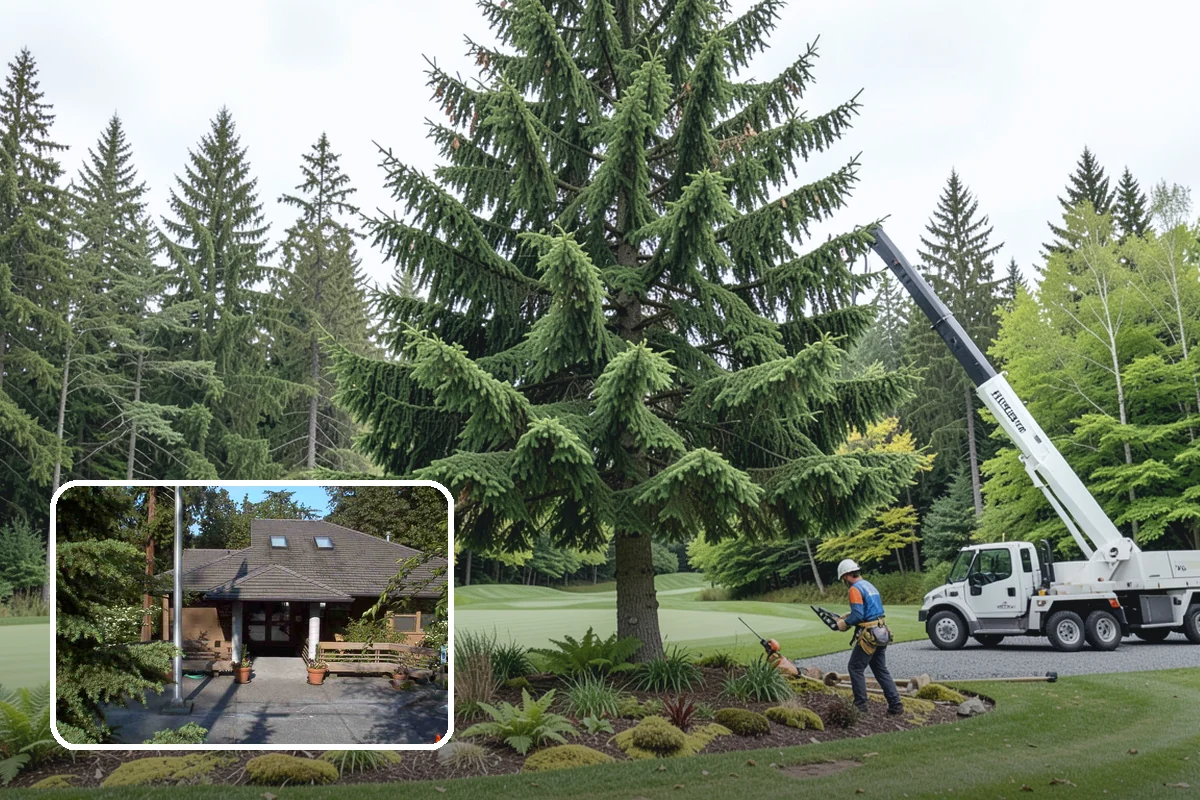
Planning stump grinding in Yarrow Point
Start by deciding what goes in the spot afterward. Grass, a garden bed, or a new tree each call for a different grinding depth. A new tree planted close to the old stump may need the stump ground deeper, or may be better placed a few feet away.
Soil is one local detail worth knowing. The NRCS soil survey shows that 93% of Yarrow Point land has a hard or restrictive layer, such as glacial hardpan, within 40 inches of the surface, and Alderwood is the most common soil series. That survey covers the city as a whole, not your lot. It matters here because a hardpan layer limits how deep roots can go and how well water drains. When you plan a replacement tree, expect to think about drainage and planting depth.
The city's tree code also touches replacement. It requires mitigation when the density requirement of 1 significant tree per 5,000 sq ft is not met or a heritage tree is removed. Mitigation trees must be at least 10 ft tall (evergreen) or 3-inch caliper (deciduous), planted within six months, with a 10-year warranty period. That rule is about removal, not grinding. If the stump is left from a recent removal, ask the city whether mitigation applies before you finalize plans. If anything is unclear, we check with the city before work starts.
What affects scope
Stump diameter, number of stumps, and large surface roots all change the job. So does access. A gate, a steep slope, or a fence can limit how the grinder reaches the stump. Buried utilities and irrigation lines need to be located first.
On the day
The grinder cuts the stump into wood chips, usually to several inches below grade, following standard practice. Expect noise, a pile of chips, and some loose soil. Chips can fill the hole, or be hauled away if you prefer.
Practical tip: mark sprinkler heads and any buried lines before the visit, and tell us where you plan to plant.
Yarrow Point tree conditions at a glance
| Soils | 93% of land has hardpan or another restrictive layer within 40 in; most common series Alderwood |
|---|---|
| Rain and snow falling October to April | 81% of the year’s total |
| Days that freeze at night and thaw by day | 28 a year |
Tree removal rules in Yarrow Point
A tree removal permit is required to remove any significant tree on private property (YPMC 20.22.030(A)). Minimum density of one significant tree per 5,000 sq ft of lot area must be shown whenever a significant or heritage tree is removed. Trees proposed for removal must be marked with yellow tape at DSH.
Regulated size: Any healthy tree at least 12 in DSH (diameter at 4.5 ft).
Official city source. Rules change; we confirm with the city before work starts.
Sources: Daymet daily weather (NASA/ORNL), NOAA Storm Events, USDA plant hardiness map 2023, NRCS soil survey, USGS elevation, WA DNR landslide inventory, USDA Forest Service aerial survey, WSDA, city tree assessments and street-tree inventories, SILVIS Lab, Arbor Day Foundation, and official city and utility pages.
Stump Grinding Serving Yarrow Point
Yarrow Point
Stump grinding in nearby areas
Also serving Yarrow Point
- Sod Removal in Yarrow Pointat Washington Landscaping
- Vegetation Management in Yarrow Pointat Washington City Services