Where Safety Meets Expert Tree Service.

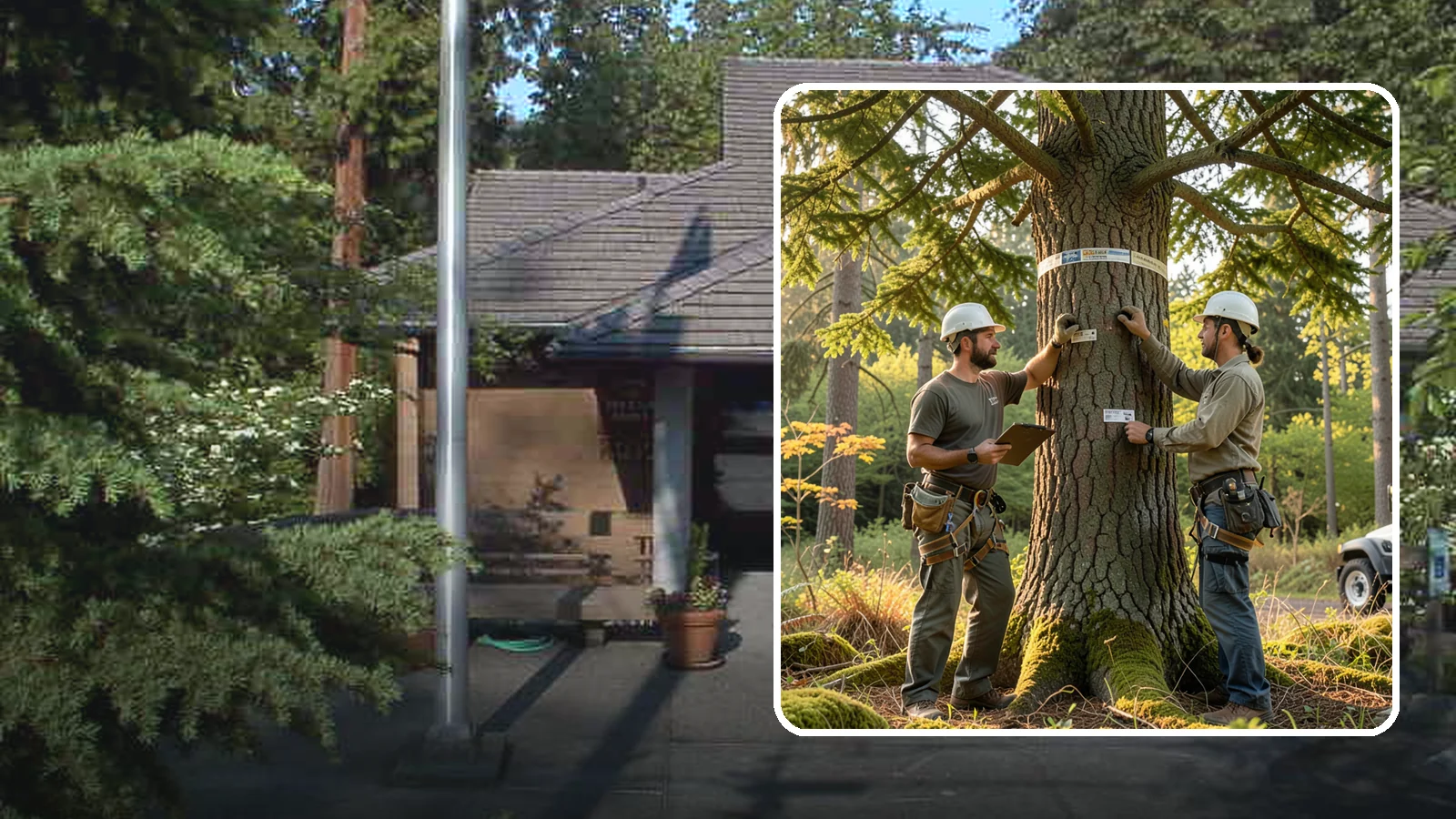
Yarrow Point Tree Inventory And Tagging
The cataloguing and tagging of trees on a property.
You look out at your yard and realize you can't say how many trees are on the property, what species they are, or which ones are healthy. Maybe you are planning a project, preparing to sell, or sorting out which trees need attention first. A tree inventory answers those questions in one document.
An inventory records each tree and marks it with a numbered tag, so you, your contractors and your arborist all refer to the same tree. It turns a vague sense that something needs looking at into a list you can plan around.
About Tree Inventory And Tagging in Yarrow Point
Our tree inventory and tagging service helps you understand exactly what grows on your property and how best to care for it. This approach is perfect for homeowners who want a clear plan to protect their valued trees from future issues. We work with you to create a customized strategy that supports the long-term health of your landscape.
What Yarrow Point Tree Inventory And Tagging Includes
This Tree Health Care service involves carefully cataloguing every tree on your site and attaching tags to track its specific needs. It allows us to monitor species, condition, and maintenance requirements across the entire property without guesswork. By documenting these details now, we can catch potential problems early before they become difficult or expensive repairs later.
Yarrow Point Tree Inventory And Tagging Process
Our trained crews begin by inspecting each tree along with its surrounding site conditions like soil quality and access points. We identify contributing factors such as pests, disease, or past construction impacts to recommend appropriate treatments for your specific trees. Once we have gathered all necessary information, we document our findings so you can follow a clear path for ongoing care.
Equipment We Use for Yarrow Point Tree Inventory And Tagging
To get accurate results, we use diagnostic tools and soil probes to sample conditions beneath the canopy without harming roots. We also bring air excavation equipment when needed to examine root systems safely while wearing full personal protective gear. Any injection or application equipment is used strictly according to manufacturer guidelines to ensure precise treatment delivery.
Yarrow Point Tree Inventory And Tagging Safety & Best Practices
Throughout this process, we follow strict safety practices that protect your soil and surrounding plantings from accidental damage. Our team avoids any work that could harm the trunk or roots of healthy trees while documenting their current condition accurately. We also adhere to all label instructions for any products used during inspection or treatment application.
Signs You Need Tree Inventory And Tagging in Yarrow Point
You may need this service if you notice signs like compacted soil, girdling roots, or decline caused by recent grade changes on your property. It is especially helpful when pests and disease are present but not immediately obvious without a detailed site assessment. This inventory gives you peace of mind knowing that maintenance needs for every tree have been properly identified.
What Affects the Cost of Tree Inventory And Tagging in Yarrow Point
The investment for this service depends on how easy it is to access different parts of your yard and the density of trees in each area. Costs also vary based on species diversity, soil conditions that require special sampling equipment, and the complexity of documenting care needs across a large site. We tailor our approach to match your specific property layout so you get accurate data without unnecessary expenses.
Best Time of Year for Yarrow Point Tree Inventory And Tagging
In Washington’s Puget Sound climate, we can perform this inventory year-round since most trees remain active or dormant in ways that allow for safe assessment. However, during wet winter seasons, we may adjust our schedule because heavy rain makes ground-based tagging difficult and requires extra protective measures. We will work with you to find a time when conditions are right for thorough inspection without risking damage to your landscape.

Tree inventory and tagging for Yarrow Point properties
Most owners ask for an inventory because they have lost track. Trees planted by earlier owners, volunteer seedlings and aging specimens all blur together. Without a record, it is hard to compare quotes, notice change over time, or explain to a neighbor or designer which tree you mean.
The work is straightforward. An ISA Certified Arborist walks the property and identifies each tree by species. We measure trunk diameter and note approximate height and general condition, including visible defects such as dead branches, cavities, leaning, or fungal growth. Each tree gets a numbered tag fixed in a spot that does not harm it, and the numbers are matched to a written or mapped record. The inventory is a visual assessment. It does not promise how a tree will perform, and when a tree shows a concern we may recommend a closer look.
Why local conditions matter
Yarrow Point sits in USDA plant hardiness zone 9a, according to the 2023 USDA map, with parts of the city ranging from 8b to 9a. That matters for species identification and for judging health. A tree that is marginal in colder zones may do well here, and an inventory should reflect what is actually suited to your site. It also helps when you are deciding what to replace or add.
Yarrow Point is also a current Tree City USA, recognized by the Arbor Day Foundation for 16 years. That recognition is about the city's tree program, not a rule for your yard. It does suggest trees are taken seriously locally, so an inventory can help you plan work with that in mind. Removal rules can apply to some trees, and where the rules are unclear for your property, we check with the city before any work starts.
How owners use the record
Once tagged, the trees can be sorted into those to monitor, those to prune, and those to protect during construction. Updating the record every few years shows how each tree changes. Call or text 425-484-4442 to ask about an estimate; estimates are free.
Yarrow Point tree conditions at a glance
| Soils | 93% of land has hardpan or another restrictive layer within 40 in; most common series Alderwood |
|---|---|
| High and strong wind episodes, 2005-2025 | 33 in the forecast zone |
| USDA hardiness zone | 9a (8b to 9a across the city) |
Tree removal rules in Yarrow Point
A tree removal permit is required to remove any significant tree on private property (YPMC 20.22.030(A)). Minimum density of one significant tree per 5,000 sq ft of lot area must be shown whenever a significant or heritage tree is removed. Trees proposed for removal must be marked with yellow tape at DSH.
Regulated size: Any healthy tree at least 12 in DSH (diameter at 4.5 ft).
Official city source. Rules change; we confirm with the city before work starts.
Sources: Daymet daily weather (NASA/ORNL), NOAA Storm Events, USDA plant hardiness map 2023, NRCS soil survey, USGS elevation, WA DNR landslide inventory, USDA Forest Service aerial survey, WSDA, city tree assessments and street-tree inventories, SILVIS Lab, Arbor Day Foundation, and official city and utility pages.
Tree Inventory And Tagging Serving Yarrow Point
Yarrow Point

Tree inventory and tagging in nearby areas
Also serving Yarrow Point
- Weed Removal in Yarrow Pointat Washington Landscaping
- Landscape Inspections in Yarrow Pointat Washington City Services