Where Safety Meets Expert Tree Service.


Yarrow Point Park Tree Maintenance
Tree care for parks and recreational areas.
The best time to book park tree maintenance is before you see a problem, and late summer into early fall is a good point to plan. Dry ground is easier on turf and paths, and dieback in crowns shows more clearly while leaves and needles are still on the tree. Walk the park trees in the dry months and note what you see.
Yarrow Point has 7 parks and nature reserves covering about 8 hectares, according to OpenStreetMap. That is a small amount of ground, so a few trees can shape how a whole space looks and feels. A short plan for those trees goes a long way.
About Park Tree Maintenance in Yarrow Point
Park tree maintenance is a specialized care approach designed specifically for parks and recreational areas where public safety is paramount. This service helps keep trees in these shared spaces healthy while ensuring they remain safe for everyone who visits them daily. It supports communities by maintaining the beauty and security of local green spaces without requiring complex municipal contracts from individual owners.
What Yarrow Point Park Tree Maintenance Includes
This category covers comprehensive tree care tailored to parks, focusing on keeping trees presentable and secure for public use. Our trained crews follow recognized arboricultural standards to address unique site conditions while matching their methods to specific tree species. The work includes recurring pruning, detailed inspections, and ongoing maintenance plans that evolve as the property’s needs change over time.
Yarrow Point Park Tree Maintenance Process
We begin by inventorying all trees on a park or recreational area to assess their current health and structural stability. Based on this assessment, we develop a customized schedule that prioritizes urgent care while planning for long-term maintenance goals. Throughout the year, our team performs documented work such as pruning and inspections, updating plans regularly to reflect new findings or changing conditions.
Equipment We Use for Yarrow Point Park Tree Maintenance
To handle large park areas safely, crews utilize specialized gear including rigging equipment and aerial lifts when necessary. We bring along inspection tools to evaluate tree health, alongside chippers and hauling units for efficient debris removal on site. All personnel wear personal protective equipment while operating these machines in high-traffic public environments.
Yarrow Point Park Tree Maintenance Safety & Best Practices
Coordinating work around active occupants and traffic flows is a central part of our safety protocol for park maintenance. We establish clear safe work zones within public areas to protect both the crew and visitors during every operation. By following recognized standards and keeping detailed records, we ensure accountability while minimizing risks in busy recreational spaces.
Signs You Need Park Tree Maintenance in Yarrow Point
You may need this service if you notice deferred maintenance backlogs affecting multiple trees across a large site or high-traffic park grounds. Varied conditions among different tree species often require coordinated access planning that standard residential care does not address. If your property faces challenges scheduling work around peak recreation periods, our specialized approach can help manage these complex logistical needs.
What Affects the Cost of Park Tree Maintenance in Yarrow Point
The investment for this service is influenced by existing maintenance backlogs and the specific high-traffic nature of park environments. Costs also vary based on the wide variety of tree species found across large recreational sites and the complexity of coordinating crew access. These factors ensure that care remains consistent and budget-friendly while addressing the unique demands of public spaces.
Best Time of Year for Yarrow Point Park Tree Maintenance
Work is performed year-round to maintain essential safety standards, though pruning efforts are often prioritized during dormant seasons for better results. Inspections are typically scheduled around peak recreational use periods to minimize disruption to visitors enjoying the park facilities. This flexible timing allows us to address urgent needs immediately while planning major care tasks when they will be most effective.
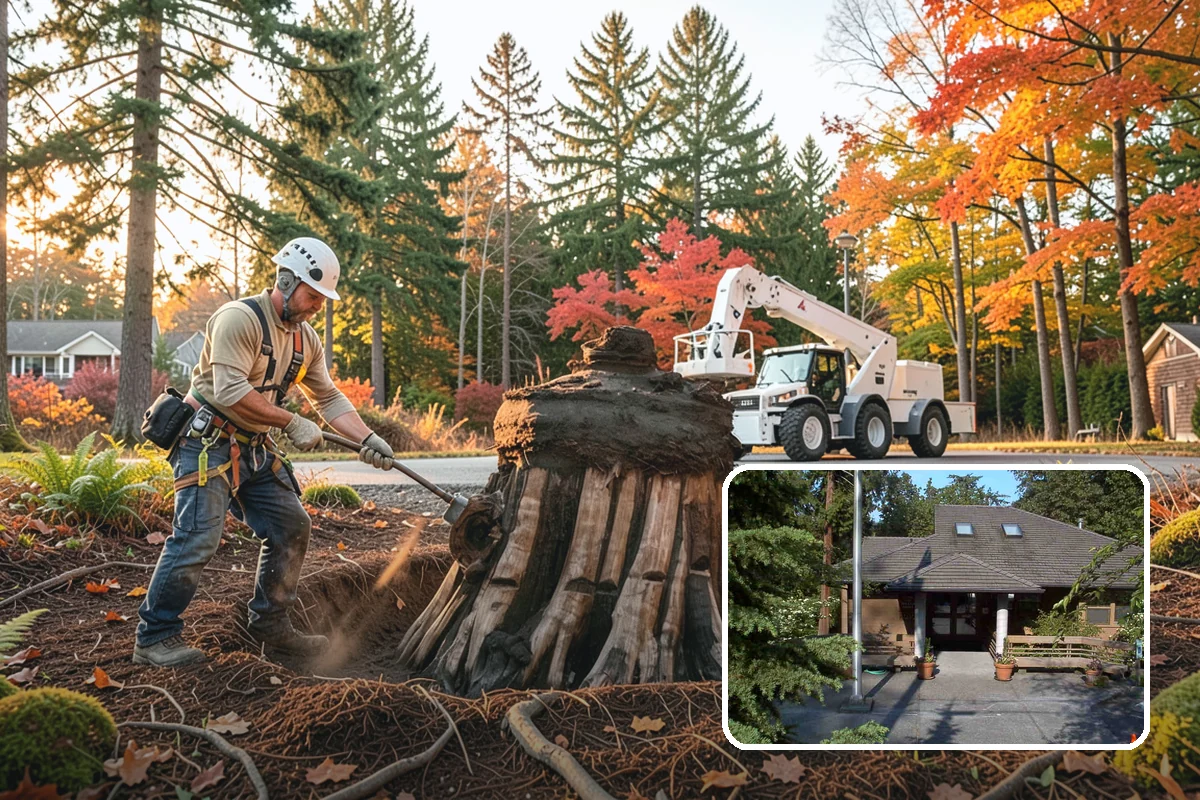
Planning park tree care in Yarrow Point
Start with a walk and a simple list. Note dead branches over paths, benches or play areas. Note leaning trunks, mushrooms at the base, thin crowns and cracked limbs. Photos help, and so does a rough sketch of where each tree stands.
What affects the scope
Scope depends on what the tree is, where it stands and what sits beneath it. A tree over a seating area needs more careful work than one at the edge of a lawn. Size, access for equipment and the condition of the wood also matter. Standard practice under the ISA and ANSI A300 pruning standards is to remove dead, broken or hazardous limbs and to avoid heavy cuts that strip a crown. We do not recommend topping.
One local detail is worth knowing. A federal aerial survey by the USDA Forest Service and WA DNR, covering 2021 to 2025, mapped 134 acres of western redcedar in decline within 10 km of Yarrow Point. That survey covers forest land, not park or yard trees, so it says nothing about any one tree here. It does show that redcedar dieback is turning up in the region. The survey labels it "decline, cause not identified," meaning dieback with no single cause found. If you have a redcedar with a thinning or browning crown, have it looked at in person.
Yarrow Point is also a current Tree City USA, a recognition from the Arbor Day Foundation held for 16 years. That suggests the town pays attention to its trees. Where a city rule could apply to removal, we check with the city before work starts.
What to expect on the day
An ISA Certified Arborist reviews the trees and the plan first. The work area is marked off, and crews keep people and pets clear. Cuts follow the plan, debris is chipped or hauled, and the site is raked up before we leave.
Practical tip: take dated photos of each tree before work begins. They make it easy to compare changes in the crown from one season to the next.
Yarrow Point tree conditions at a glance
| USDA hardiness zone | 9a (8b to 9a across the city) |
|---|---|
| Tree City USA | 16 years |
| High and strong wind episodes, 2005-2025 | 33 in the forecast zone |
| Soils | 93% of land has hardpan or another restrictive layer within 40 in; most common series Alderwood |
Tree removal rules in Yarrow Point
A tree removal permit is required to remove any significant tree on private property (YPMC 20.22.030(A)). Minimum density of one significant tree per 5,000 sq ft of lot area must be shown whenever a significant or heritage tree is removed. Trees proposed for removal must be marked with yellow tape at DSH.
Regulated size: Any healthy tree at least 12 in DSH (diameter at 4.5 ft).
Official city source. Rules change; we confirm with the city before work starts.
Sources: Daymet daily weather (NASA/ORNL), NOAA Storm Events, USDA plant hardiness map 2023, NRCS soil survey, USGS elevation, WA DNR landslide inventory, USDA Forest Service aerial survey, WSDA, city tree assessments and street-tree inventories, SILVIS Lab, Arbor Day Foundation, and official city and utility pages.
Park Tree Maintenance Serving Yarrow Point
Yarrow Point

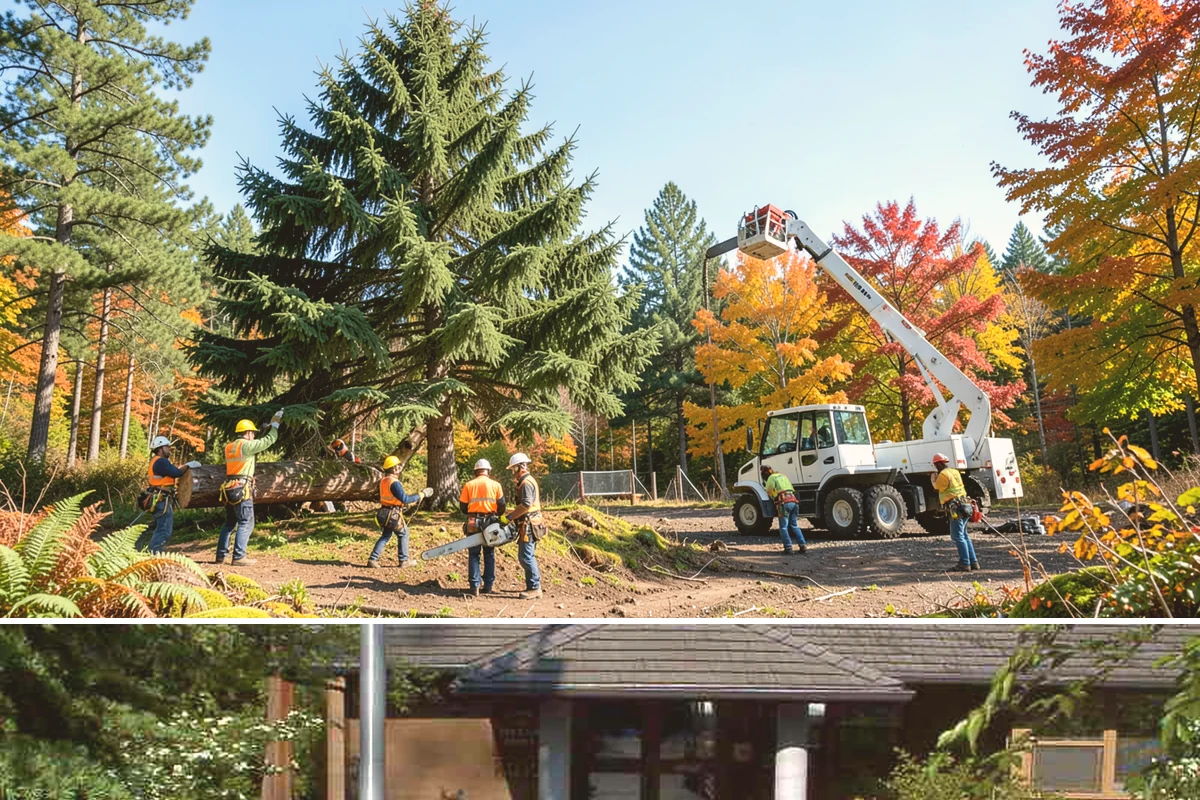
Park tree maintenance in nearby areas
Also serving Yarrow Point
- Memorial Tree Planting in Yarrow Pointat Washington City Services
- HOA Landscape Maintenance in Yarrow Pointat Washington Landscaping
- Restaurant Buildout in Yarrow Pointat Washington Construction
- HOA Pressure Washing in Yarrow Pointat Washington Pressure Washing