Where Safety Meets Expert Tree Service.


Yarrow Point Municipal Tree Maintenance
Tree maintenance for public and municipal spaces.
You may have noticed a street tree outside your property with a dead limb, a leaning trunk, or branches growing toward the road or a wire. Many owners then wonder who is responsible for it and what they are allowed to do.
This page explains how municipal tree maintenance works in Yarrow Point, how to tell whether a tree sits in the public right-of-way or on your lot, and what steps make sense before anyone picks up a saw.
About Municipal Tree Maintenance in Yarrow Point
This specialized maintenance is designed specifically for public parks, government grounds, and other municipal spaces where tree care goes beyond simple residential trimming. Our trained crews work across these shared properties to ensure every community green stays safe, presentable, and healthy for everyone who visits or lives nearby. We handle the unique challenges of managing trees on a scale that requires careful coordination with traffic patterns and public access needs.
What Yarrow Point Municipal Tree Maintenance Includes
Municipal tree maintenance focuses entirely on caring for trees located in public areas rather than private yards. Our approach includes regular inspections to spot potential issues, followed by pruning and other treatments matched to each specific species and site condition. We also manage the logistics of keeping these spaces looking their best while ensuring that work aligns with recognized arboricultural standards.
Yarrow Point Municipal Tree Maintenance Process
The job begins with a thorough inventory where we assess every tree on the property to understand its current health and structural needs. Based on this assessment, we develop a customized maintenance schedule that prioritizes tasks like recurring pruning and detailed inspections throughout the year. As crews complete their work, they document everything carefully so plans can be updated for future seasons or changing conditions at the site.
Equipment We Use for Yarrow Point Municipal Tree Maintenance
To handle trees in public spaces safely, our teams bring along specialized gear such as rigging equipment and inspection tools tailored to different job requirements. When a tree is too high to reach from the ground, we deploy aerial lifts with precision to access branches without damaging surrounding infrastructure. We also utilize heavy-duty chippers and hauling units to manage debris efficiently while wearing full personal protective equipment at all times.
Yarrow Point Municipal Tree Maintenance Safety & Best Practices
Working in public areas requires strict safety protocols that coordinate our crew movements around pedestrians, vehicles, and other occupants of the space. We establish safe work zones before beginning any task and follow recognized standards to protect both our workers and the general public from hazards like falling branches or dropped tools. Detailed records are kept for every project to ensure full accountability and transparency regarding how safety measures were implemented on site.
Signs You Need Municipal Tree Maintenance in Yarrow Point
You may know this service is needed when a municipal property faces deferred maintenance backlogs that threaten tree stability in high-traffic areas. Varied conditions across a large public site often reveal specific trees requiring immediate attention due to storm damage, disease, or structural weakness. Coordinating access around busy streets and ensuring the schedule fits with community events are also key indicators that professional management is required for these spaces.
What Affects the Cost of Municipal Tree Maintenance in Yarrow Point
The investment in municipal tree maintenance depends heavily on existing deferred maintenance backlogs that may require more extensive work than routine care. Locations with heavy foot traffic or vehicle flow often need careful coordination, which can influence how resources and time are allocated to the project. Additionally, the wide variety of tree conditions found across different public sites and the complexity of accessing certain areas without disrupting daily life will shape the overall budget for the service.
Best Time of Year for Yarrow Point Municipal Tree Maintenance
While we aim to keep trees healthy year-round in our local Puget Sound climate, work follows a recurring schedule aligned with recognized arboricultural standards rather than rushing through every season blindly. We plan tasks so that pruning and inspections happen when they are most effective for each species while accounting for typical weather patterns throughout the year. This approach ensures consistent care without interrupting public access or safety during peak usage times in any given month.
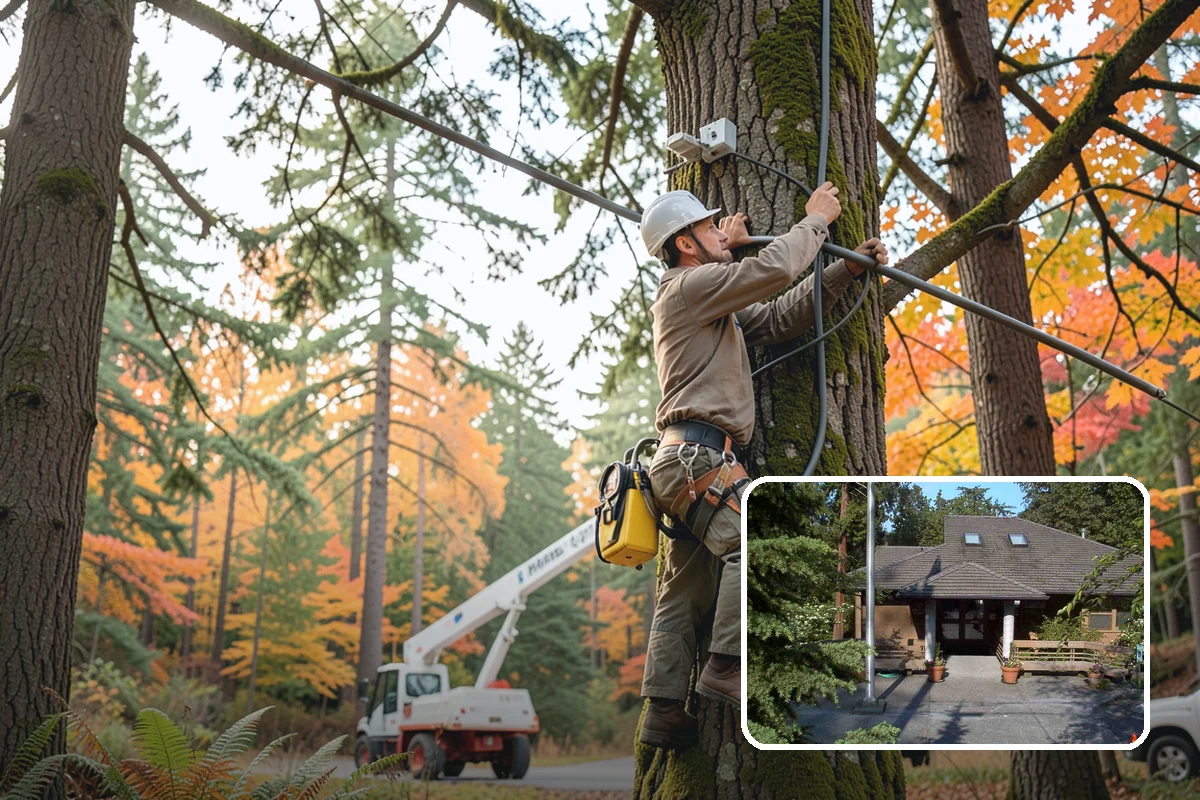
Municipal tree maintenance in Yarrow Point: what to expect
Most problems with street trees start the same way. A branch dies, a root lifts a walkway, or growth crowds a sightline. Left alone, these issues tend to get worse, and a tree near a road or a path puts more people at risk than one in a back corner.
Yarrow Point is a current Tree City USA, a designation from the Arbor Day Foundation that it has held for 16 years. That tells you the city has an established tree program. It does not tell you which tree is the city's or what any rule allows for a given tree. Before we do any work near the street, we confirm with the city who owns the tree and whether a permit is needed. We do not assume the answer.
Climate is the second local detail worth knowing. The USDA map from 2023 places Yarrow Point in plant hardiness zone 9a, with parts of the city running from 8b to 9a. That is a mild range for winter lows. In practice it means a wide mix of species can be planted here, and each one has its own pruning needs and weak points. Identifying the species comes first, because the right cut for one tree can harm another.
We could not confirm which electric utility serves Yarrow Point. If a branch is near a power line, do not climb or prune it yourself. We would sort out who handles line clearance before any work begins.
How the work is done
A visit usually begins with an inspection of the crown, trunk, and base. We look for dead wood, cracks, fungal growth, and root damage. Pruning then follows standard practice under ISA and ANSI A300 guidance. That means cutting back to a branch collar or a suitable lateral, removing no more live crown than needed, and avoiding topping, which leaves weak regrowth and open wounds.
Some trees need only light cleaning. Others may need reduction, support, or removal. We explain the reasons for each option and can't promise how a tree will respond. If you want an assessment, our ISA Certified Arborist can look at it, and estimates are free. Call or text 425-484-4442.
Yarrow Point tree conditions at a glance
| USDA hardiness zone | 9a (8b to 9a across the city) |
|---|---|
| Tree City USA | 16 years |
| High and strong wind episodes, 2005-2025 | 33 in the forecast zone |
| Soils | 93% of land has hardpan or another restrictive layer within 40 in; most common series Alderwood |
Tree removal rules in Yarrow Point
A tree removal permit is required to remove any significant tree on private property (YPMC 20.22.030(A)). Minimum density of one significant tree per 5,000 sq ft of lot area must be shown whenever a significant or heritage tree is removed. Trees proposed for removal must be marked with yellow tape at DSH.
Regulated size: Any healthy tree at least 12 in DSH (diameter at 4.5 ft).
Official city source. Rules change; we confirm with the city before work starts.
Sources: Daymet daily weather (NASA/ORNL), NOAA Storm Events, USDA plant hardiness map 2023, NRCS soil survey, USGS elevation, WA DNR landslide inventory, USDA Forest Service aerial survey, WSDA, city tree assessments and street-tree inventories, SILVIS Lab, Arbor Day Foundation, and official city and utility pages.
Municipal Tree Maintenance Serving Yarrow Point
Yarrow Point
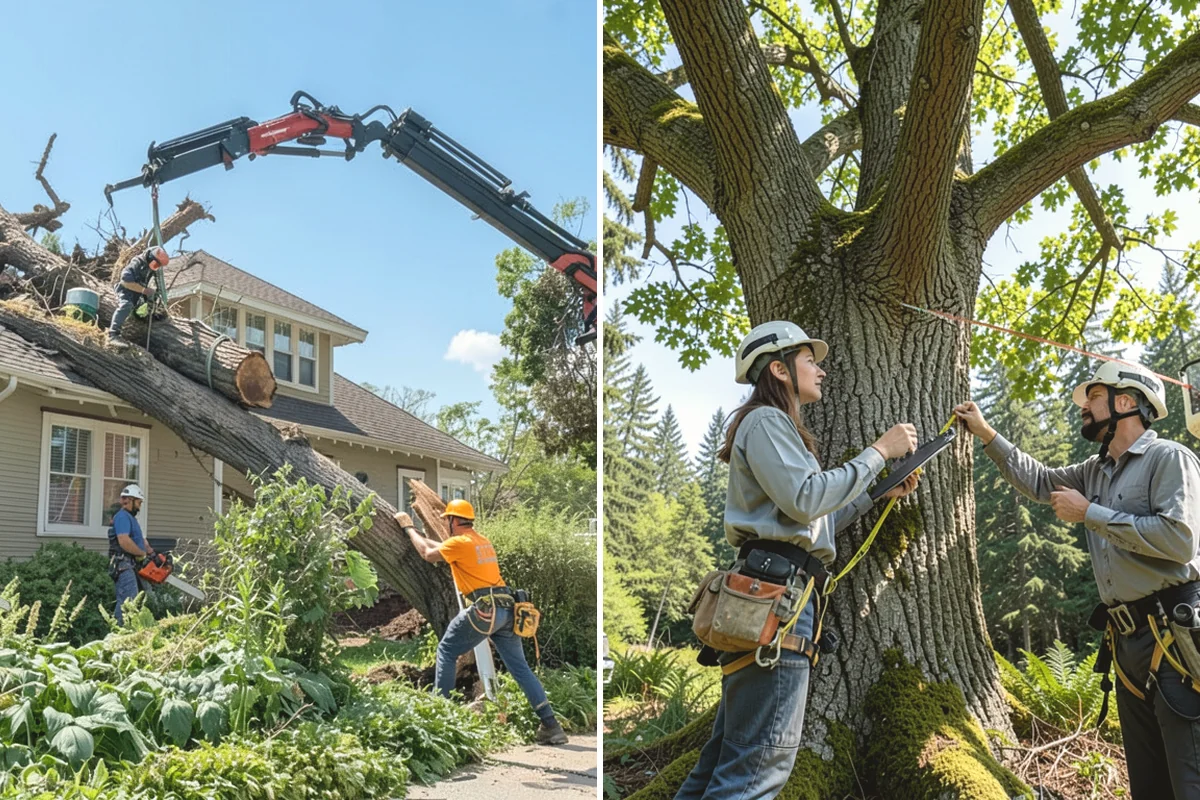
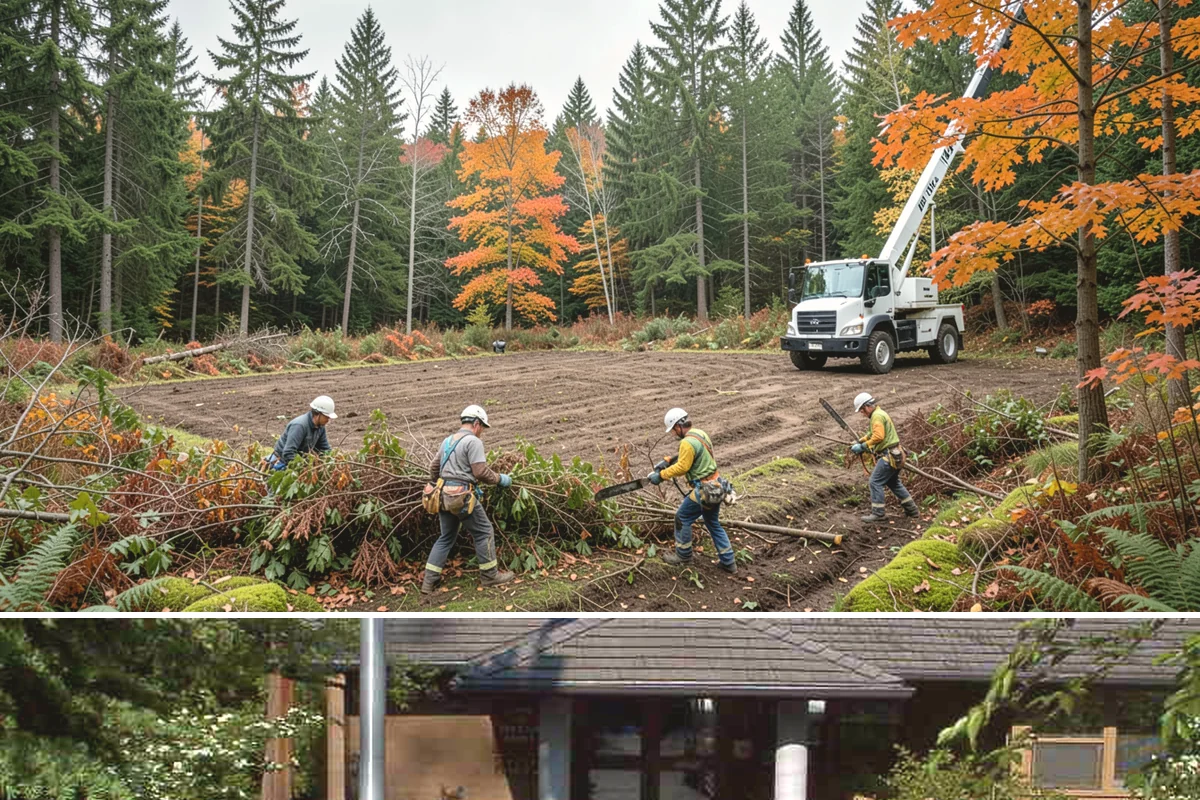
Municipal tree maintenance in nearby areas
Also serving Yarrow Point
- Storm Cleanup in Yarrow Pointat Washington City Services
- Office Landscape Maintenance in Yarrow Pointat Washington Landscaping
- Office Buildout in Yarrow Pointat Washington Construction
- Loading Dock Cleaning in Yarrow Pointat Washington Pressure Washing