Where Safety Meets Expert Tree Service.

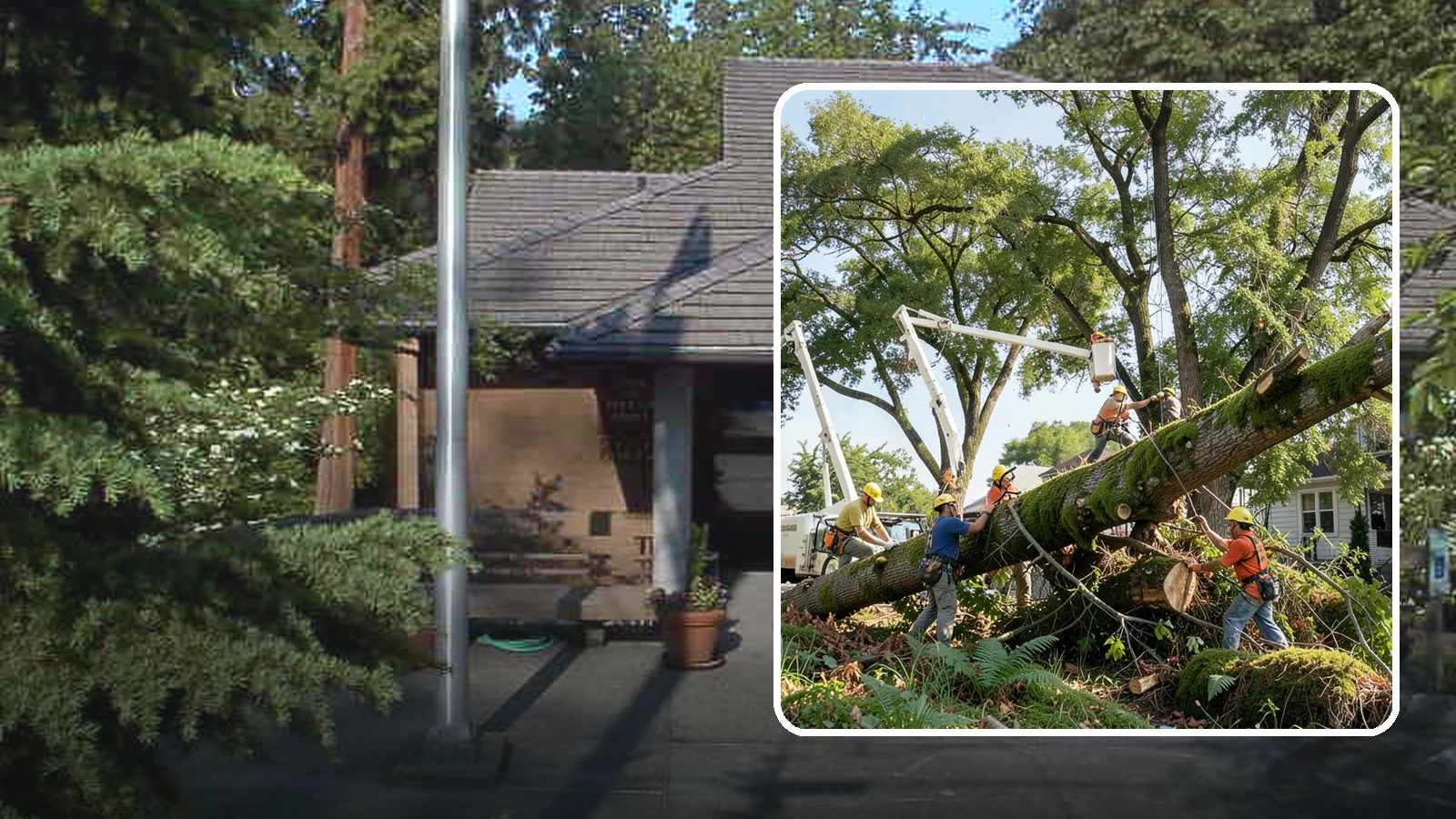
Yarrow Point Leaning Tree Removal
The removal of trees with a pronounced or unstable lean.
A tree that has started to lean is worth a close look. Check the base for soil heaving on the side opposite the lean, new cracks in the ground, or roots lifting out of the turf. Note whether the angle has changed since last season, and take dated photos from the same spot.
A lean that is increasing, or one that points toward a house, driveway or play area, is a reason to act soon. A slight lean that has been stable for years is a different case. An arborist can tell the two apart by examining the roots, trunk and crown.
About Leaning Tree Removal in Yarrow Point
We help homeowners manage trees that have developed a dangerous lean toward your home or other property features. Our trained crews are ready to safely remove these unstable specimens using methods matched to your specific site conditions. This service restores peace of mind by eliminating immediate safety hazards from your yard.
What Yarrow Point Leaning Tree Removal Includes
Leaning tree removal focuses on taking down trees with pronounced or unstable leans that pose a risk of falling. The work includes removing the entire stem and limbs in a controlled sequence while protecting nearby structures, utilities, and landscaping. We also process the wood and clear all debris to leave your property clean after the job is done.
Yarrow Point Leaning Tree Removal Process
Our team begins by assessing the tree for decay and establishing safe drop zones around your home. Once safety perimeters are set, we rig the limbs or fell the stem carefully using recognized arboricultural standards. The final steps involve hauling away branches and roots to ensure a tidy site without leaving behind hidden dangers.
Equipment We Use for Yarrow Point Leaning Tree Removal
We use chainsaws and climbing gear to navigate trees with difficult access points while maintaining control over their fall path. A wood chipper processes the cut material on-site, and we may bring an aerial lift or crane if equipment cannot reach from the ground. All crew members wear personal protective equipment to ensure safety throughout the removal process.
Yarrow Point Leaning Tree Removal Safety & Best Practices
Safety is our priority as we maintain clear drop zones and monitor for unstable soil that could shift during wet weather. We always identify overhead utility lines before starting work to prevent electrical hazards or damage to power infrastructure. Coordinated ground communication and fall protection measures are used at every step to keep everyone safe on the job site.
Signs You Need Leaning Tree Removal in Yarrow Point
You may need this service if your tree shows visible signs of root failure, trunk cracks, or a sudden increase in lean toward a target. This work is also necessary when hidden internal decay weakens the structure enough that it threatens nearby buildings or fences. If you notice unpredictable load distribution or limited access making manual removal unsafe, our team can evaluate the situation for you.
What Affects the Cost of Leaning Tree Removal in Yarrow Point
The price of this service depends on factors like proximity to power lines and structures which require extra caution during the fall. Hidden internal decay often changes how we must rig the tree, influencing both time and equipment needs. Limited space for machinery or an unpredictable lean distribution will also affect the overall cost of removing your leaning tree.
Best Time of Year for Yarrow Point Leaning Tree Removal
This service can be performed year-round in our local climate to address hazards as they appear on your property. However, extra caution is required during wet seasons when saturated soil might cause unstable leans to shift unexpectedly before removal. We plan around these conditions to ensure a safe and successful outcome for every job we undertake.

Why leaning trees fail in Yarrow Point, and how removal works
Most trees lean for a reason. Some grew toward light and are well balanced. Others tilt because roots have broken, soil has shifted, or decay has weakened the base. The second kind can fail without much warning, especially in a windstorm.
Local soil matters here. The NRCS soil survey shows that 93% of Yarrow Point's land has a hard or restrictive layer, such as glacial hardpan, within 40 inches of the surface, and Alderwood is the most common soil series. A restrictive layer can keep roots shallow and spread sideways instead of anchoring deep. That is general soil behavior, not a finding about your tree, so we look at the actual root plate before judging it.
Wind exposure is the second factor. Washington DNR guidance notes that trees left standing after surrounding forest is cleared face new wind exposure and are more susceptible to wind damage. If neighboring trees were removed near you, a lean that was once sheltered may now be carrying more load.
The work itself starts with an assessment of the trunk, the soil around the base and the crown. If removal is the answer, the crew plans where the tree can safely go. Many leaning trees are taken down in sections, with the crown lowered piece by piece, rather than felled whole. This keeps wood off structures and lets the crew control the load on a weakened base. Stump grinding can be added afterward if you want it.
Permits are the other piece. Under Yarrow Point's tree code (YPMC 20.22.050), a hazardous tree posing extreme risk under a recognized risk assessment method may be removed before a permit is issued. The owner must then submit a tree removal permit within seven days, with photos or video of the tree, its hazardous condition and the targets. That rule covers hazardous trees. For a lean that is less clear, we check with the city before work starts. Call or text 425-484-4442 for a free estimate.
Yarrow Point tree conditions at a glance
| USDA hardiness zone | 9a (8b to 9a across the city) |
|---|---|
| Soils | 93% of land has hardpan or another restrictive layer within 40 in; most common series Alderwood |
| High and strong wind episodes, 2005-2025 | 33 in the forecast zone |
| Electric utility | unconfirmed |
Tree removal rules in Yarrow Point
A tree removal permit is required to remove any significant tree on private property (YPMC 20.22.030(A)). Minimum density of one significant tree per 5,000 sq ft of lot area must be shown whenever a significant or heritage tree is removed. Trees proposed for removal must be marked with yellow tape at DSH.
Regulated size: Any healthy tree at least 12 in DSH (diameter at 4.5 ft).
Official city source. Rules change; we confirm with the city before work starts.
Strongest wind events near Yarrow Point
- Dec 17, 2010: gusts to 72 mph
- Feb 7, 2012: gusts to 70 mph
- Dec 14, 2006: gusts to 68 mph
NOAA Storm Events, forecast zone that includes Yarrow Point, 2005-2025.
Sources: Daymet daily weather (NASA/ORNL), NOAA Storm Events, USDA plant hardiness map 2023, NRCS soil survey, USGS elevation, WA DNR landslide inventory, USDA Forest Service aerial survey, WSDA, city tree assessments and street-tree inventories, SILVIS Lab, Arbor Day Foundation, and official city and utility pages.
Leaning Tree Removal Serving Yarrow Point
Yarrow Point

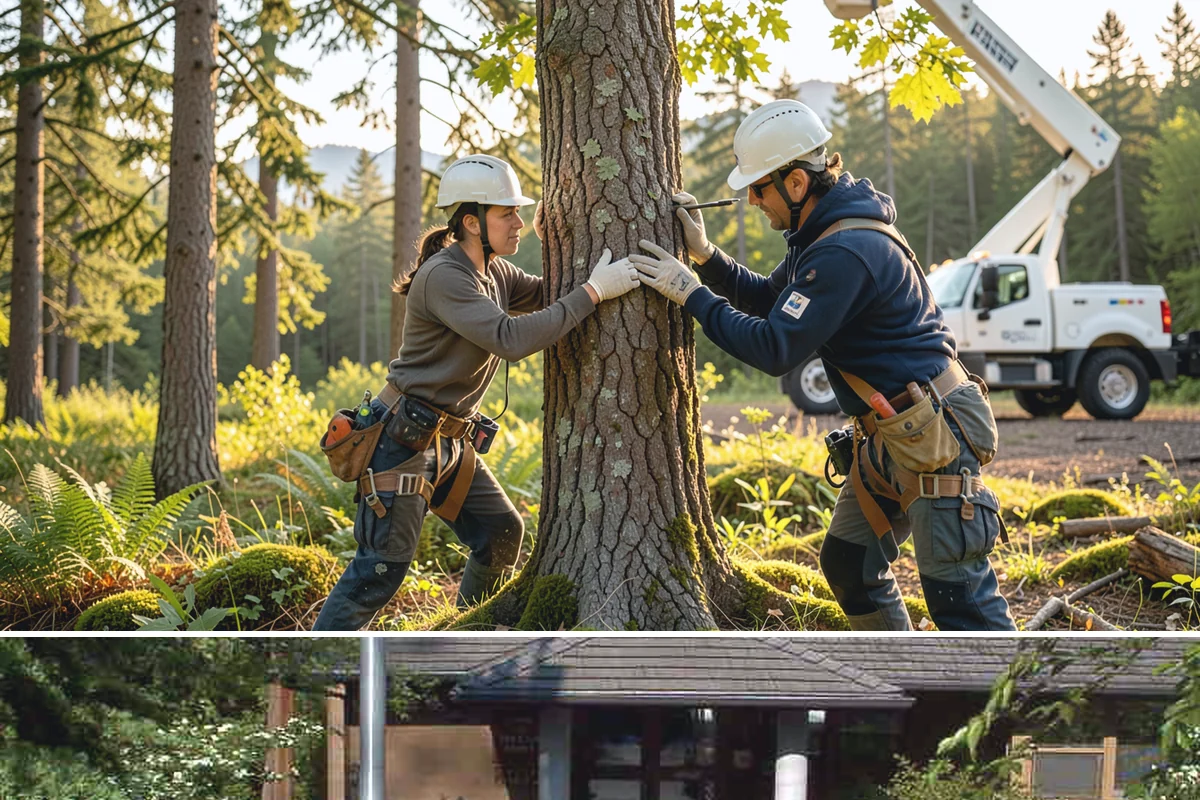
Leaning tree removal in nearby areas
Also serving Yarrow Point
- Perennial Planting in Yarrow Pointat Washington Landscaping
- Street Tree Pruning in Yarrow Pointat Washington City Services
- Log Splitting in Yarrow Pointat Washington Firewood