Where Safety Meets Expert Tree Service.

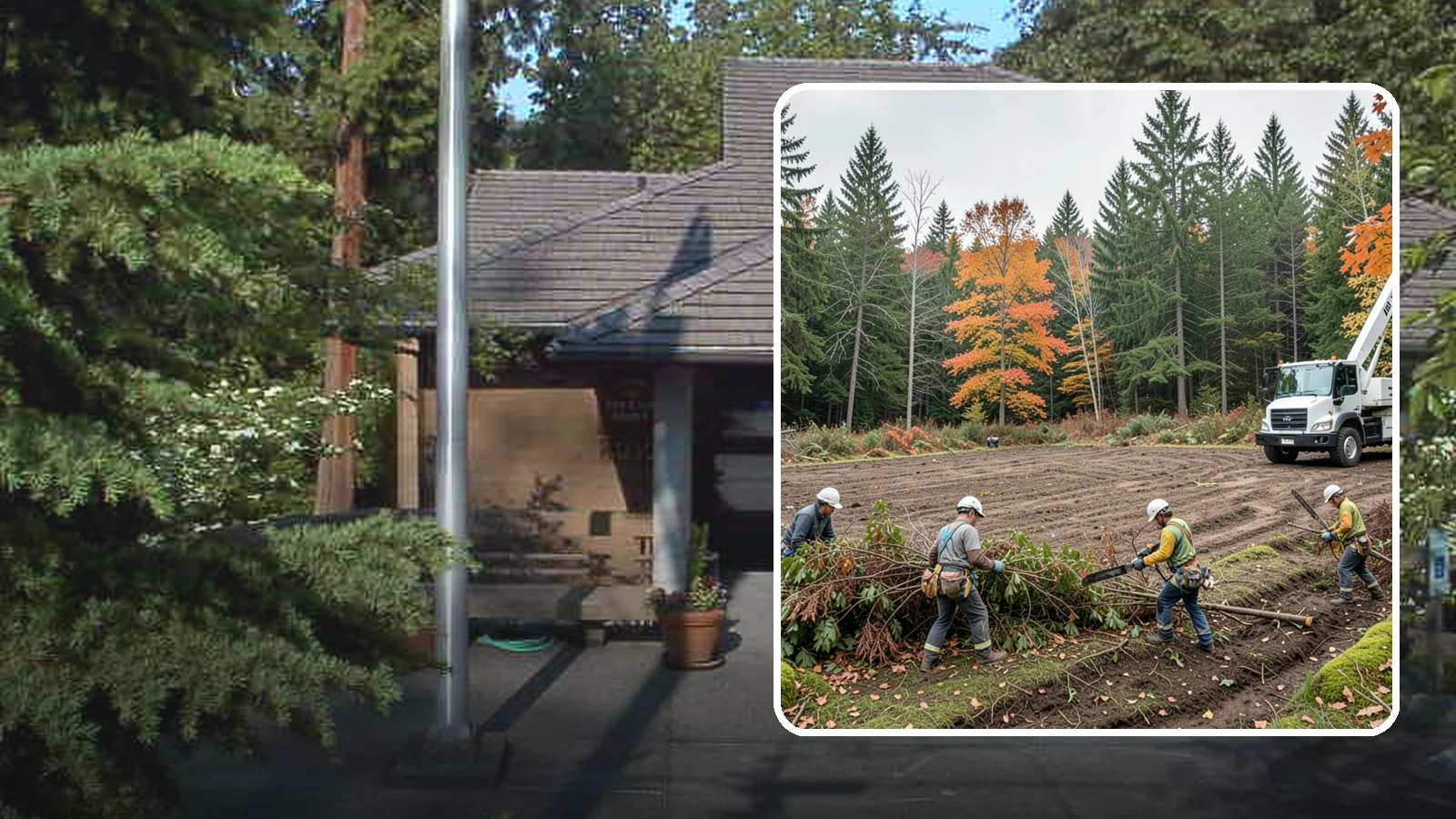
Yarrow Point Invasive Vegetation Removal
The removal of invasive plant species.
This service is for Yarrow Point owners whose yard, bank or shoreline edge has been taken over by English ivy, Himalayan blackberry, laurel or similar aggressive plants. It also fits owners who are buying or inheriting a property and can't tell what is growing under the overgrowth.
The first step is to identify what is there and where it is rooted. Ivy climbing a trunk calls for different work than a blackberry thicket on open ground. A walk through the property lets us sort out which plants to cut, pull or dig, and what should stay.
About Invasive Vegetation Removal in Yarrow Point
We help homeowners manage overgrown areas by safely removing invasive plant species that threaten your property’s health. Our team is dedicated to restoring site conditions so you can enjoy a safer and more usable outdoor space. This service supports native vegetation while addressing common issues like dense, thorny growth or fire hazards.
What Yarrow Point Invasive Vegetation Removal Includes
Invasive vegetation removal focuses on clearing unwanted plants to protect existing trees and improve overall land quality. We use methods tailored to your specific site conditions, ensuring that retained features remain safe during the process. The goal is to eliminate invasive species while preparing your land for its intended future use.
Yarrow Point Invasive Vegetation Removal Process
Our trained crews begin by assessing your property and marking important features they need to protect throughout the job. Vegetation is cleared in a planned sequence using appropriate techniques matched to each tree species and access point. After clearing, we process materials, tidy the area as needed, and responsibly dispose of all debris left behind.
Equipment We Use for Yarrow Point Invasive Vegetation Removal
To handle various growth types effectively, our crews utilize brush cutters, chainsaws, chippers, and hauling equipment alongside hand tools. We also wear full personal protective gear to ensure everyone stays safe while working around uneven terrain or hidden obstacles. The right combination of machinery allows us to tackle even the densest patches without damaging your retained trees.
Yarrow Point Invasive Vegetation Removal Safety & Best Practices
Safety is a priority as we identify property lines, utilities, and features that must be kept intact during clearing operations. Our team carefully manages debris piles to prevent hazards while watching for uneven ground or wet spots on steep sites. We take extra care to protect the root zones of any healthy trees you want to keep standing after the work is done.
Signs You Need Invasive Vegetation Removal in Yarrow Point
You may need this service if your site has dense, thorny growth that limits access and makes outdoor activities difficult. Signs include invasive species continuing to regrow despite previous attempts or vegetation creating a fuel load that increases fire risk. If uneven terrain or wet conditions are making parts of your yard unusable, clearing these areas can restore their function.
What Affects the Cost of Invasive Vegetation Removal in Yarrow Point
The price for this work depends on factors like how dense the vegetation is and whether it has thorny characteristics that slow down removal. Uneven or difficult-to-access terrain will also influence the cost, as will our commitment to responsibly disposing of all debris generated during the project. These variables ensure we provide a fair quote based strictly on your specific site conditions rather than fixed rates.
Best Time of Year for Yarrow Point Invasive Vegetation Removal
While work can generally proceed year-round in Puget Sound weather, heavy rain may delay projects involving wet or steep sites where safety is paramount. We plan our schedules to accommodate these natural conditions and avoid starting when the ground is too saturated for safe operation. This flexibility allows us to get your land cleared whenever it fits best with your needs while maintaining high safety standards.
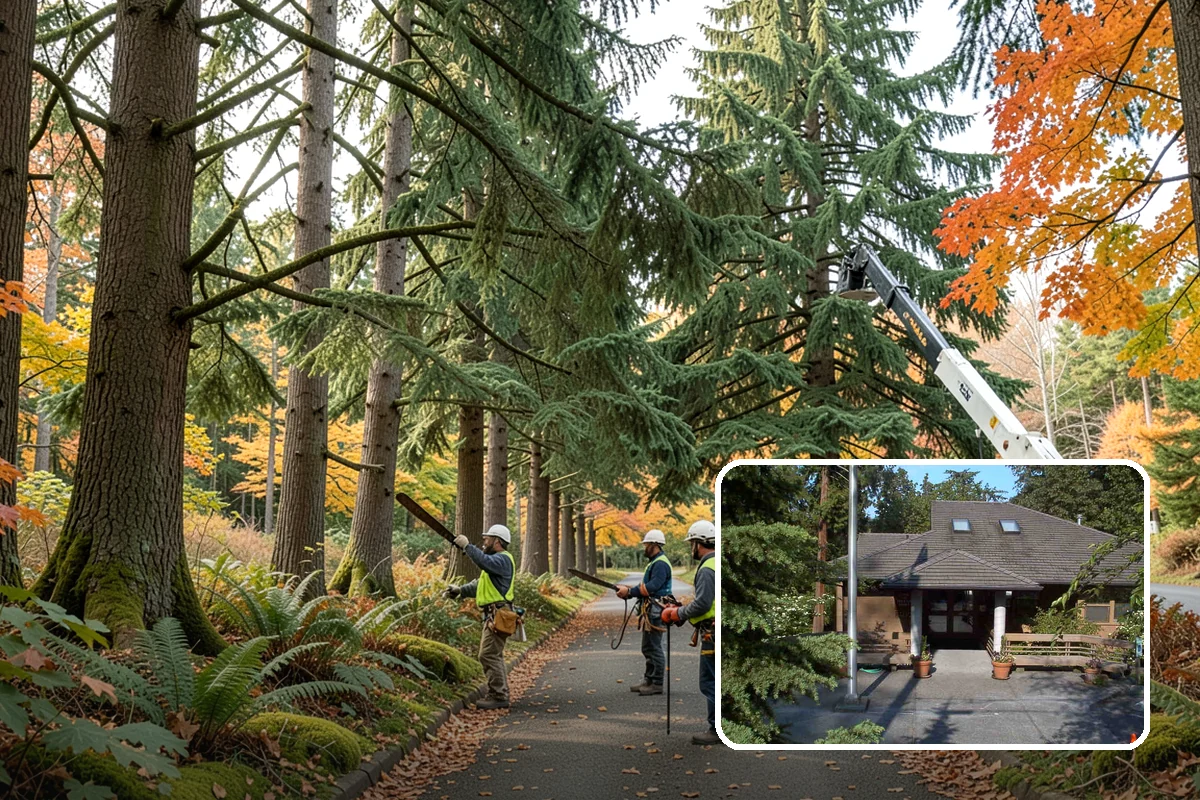
Choosing a removal method for Yarrow Point properties
There is more than one way to clear invasive plants. The right one depends on the plant, the slope and how close the work is to the water.
Hand pulling and digging
This suits young plants, small patches and loose soil. It disturbs the ground least and leaves desirable plants in place. Roots and runners need to come out, because many invasive species resprout from fragments.
Cutting and repeated follow-up
Blackberry canes and dense shrubs are usually cut back first, then the crowns are dug out. Regrowth is common, so a second pass later in the season is standard practice.
Ivy on trees
For ivy climbing a trunk, the usual approach is to cut the vines at the base and again at about chest height, then remove the lower section. The upper vines are left to die back rather than torn off the bark, which can damage the tree.
Local conditions that shape the choice
Yarrow Point's official city source notes that properties within the shoreline jurisdiction, 200 feet landward of Lake Washington, are subject to additional tree removal and replacement standards under Shoreline Master Program Section 5.6, Vegetation Management. That rule is about trees. Where a project near the lake involves vegetation, we check with the city before work starts, so you know what is allowed and what replanting may be expected.
Rain matters too. Daymet data for 2005 to 2025 shows about 81% of Yarrow Point's yearly rain and snow falls from October to April. Bare soil left after clearing can wash away in those months, especially on a slope. Planning the work for drier months, and replanting or mulching soon after, reduces that risk.
Satellite data puts only about 11% of Yarrow Point's land under dense tree cover of 50% canopy or more. That is a citywide figure, not a reading of your lot. It does suggest that the trees you do have are worth protecting while the invasive plants around them come out.
- Small patches on level ground: hand pulling
- Thickets and woody shrubs: cutting, then digging out crowns
- Ivy on mature trees: cut at the base, remove the lower vines
- Shoreline-area sites: confirm city rules first
Call or text 425-484-4442 for a free estimate, and we will recommend the approach that fits your site.
Yarrow Point tree conditions at a glance
| Homes in the wildland-urban interface | 0% |
|---|---|
| Land under dense tree cover (50%+ canopy) | 11% |
| Rain and snow falling October to April | 81% of the year’s total |
Tree removal rules in Yarrow Point
A tree removal permit is required to remove any significant tree on private property (YPMC 20.22.030(A)). Minimum density of one significant tree per 5,000 sq ft of lot area must be shown whenever a significant or heritage tree is removed. Trees proposed for removal must be marked with yellow tape at DSH.
Regulated size: Any healthy tree at least 12 in DSH (diameter at 4.5 ft).
Official city source. Rules change; we confirm with the city before work starts.
Tree health near Yarrow Point
- Decline, cause not identified134 ac
Forest damage mapped from the air within 10 km of Yarrow Point, 2021-2025 (USDA Forest Service and WA DNR). This covers forest land, not street or yard trees. “Decline, cause not identified” is dieback with no single cause found.
Sources: Daymet daily weather (NASA/ORNL), NOAA Storm Events, USDA plant hardiness map 2023, NRCS soil survey, USGS elevation, WA DNR landslide inventory, USDA Forest Service aerial survey, WSDA, city tree assessments and street-tree inventories, SILVIS Lab, Arbor Day Foundation, and official city and utility pages.
Invasive Vegetation Removal Serving Yarrow Point
Yarrow Point
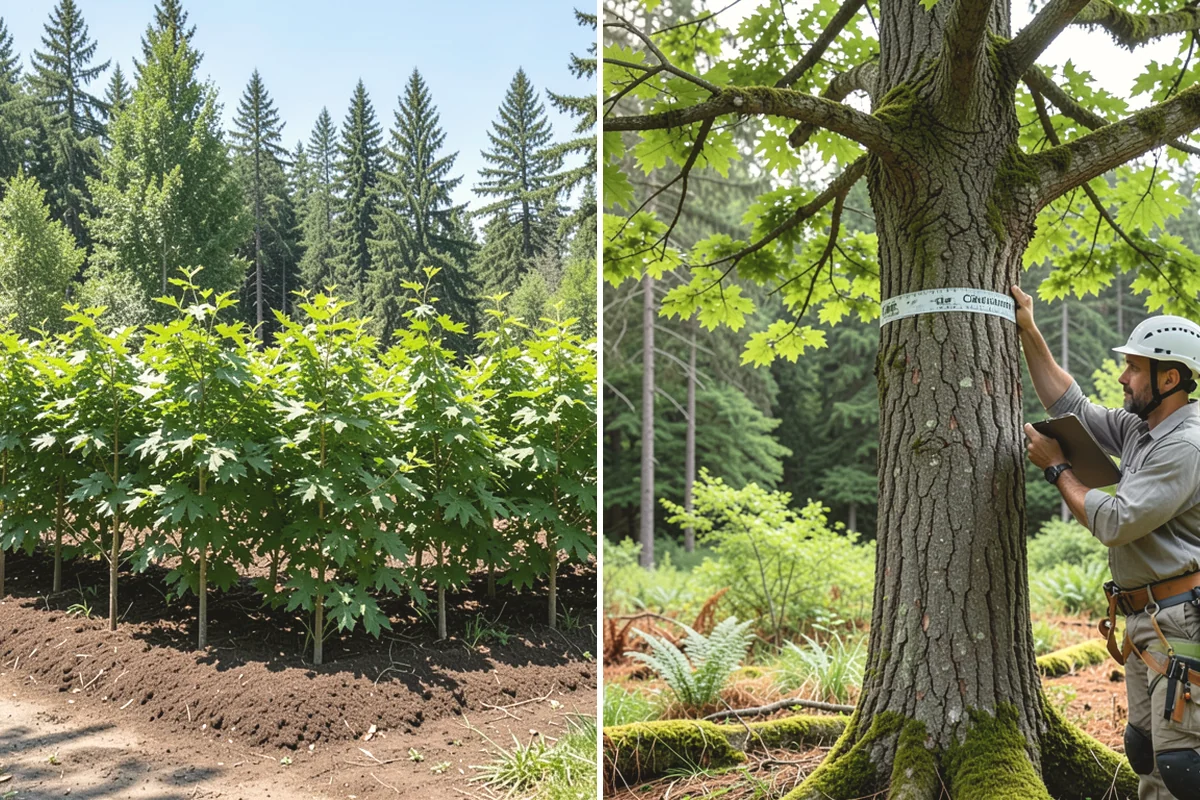

Invasive vegetation removal in nearby areas
Also serving Yarrow Point
- Brush Clearing in Yarrow Pointat Washington Landscaping
- Garage Demolition in Yarrow Pointat Washington Construction
- Roadside Spraying in Yarrow Pointat Washington City Services
- Storm Wood Processing in Yarrow Pointat Washington Firewood