Where Safety Meets Expert Tree Service.

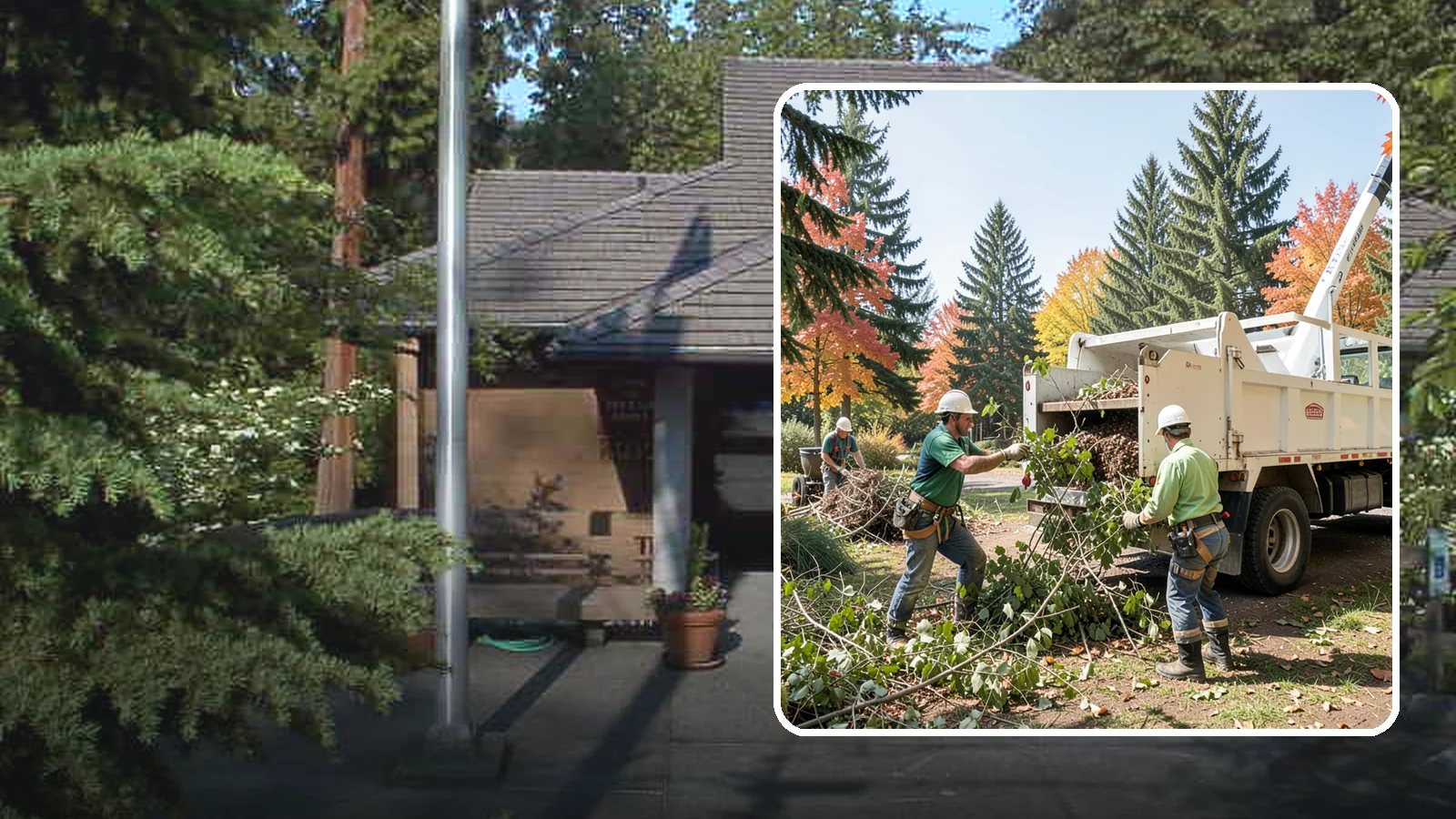
Yarrow Point Green Waste Hauling
The removal and disposal of green waste.
The best window for green waste hauling in Yarrow Point is late spring through early fall, after the wet months have passed. Around 81% of the city's yearly rain and snow falls between October and April (Daymet, 2005-2025), so branches, leaves and cuttings pile up and get heavy and soggy over winter.
Clearing them once the ground dries makes the work easier to plan. Here is how to get ready, what changes the scope of a haul, and what the day looks like.
About Green Waste Hauling in Yarrow Point
Green waste hauling helps homeowners manage organic debris left behind after tree work or other landscaping projects. Our trained crews are ready to remove these materials so your property stays clean and safe for the family. We handle every job with care, ensuring that cleared sites remain tidy while supporting responsible reuse of natural resources.
What Yarrow Point Green Waste Hauling Includes
This service focuses on the complete removal and disposal of green waste from your site. It is designed specifically to clear organic debris following tree maintenance or storm cleanup activities. By turning removed wood into usable products, we reduce your disposal burden and keep your yard free of clutter.
Yarrow Point Green Waste Hauling Process
We begin by sorting material based on its type and size before moving it through our processing systems. Depending on the needs of each job, we will chip, cut, mill, or load the debris as appropriate for further use. Once processed to meet quality requirements, we haul away the waste or deliver usable products while thoroughly cleaning up the work area.
Equipment We Use for Yarrow Point Green Waste Hauling
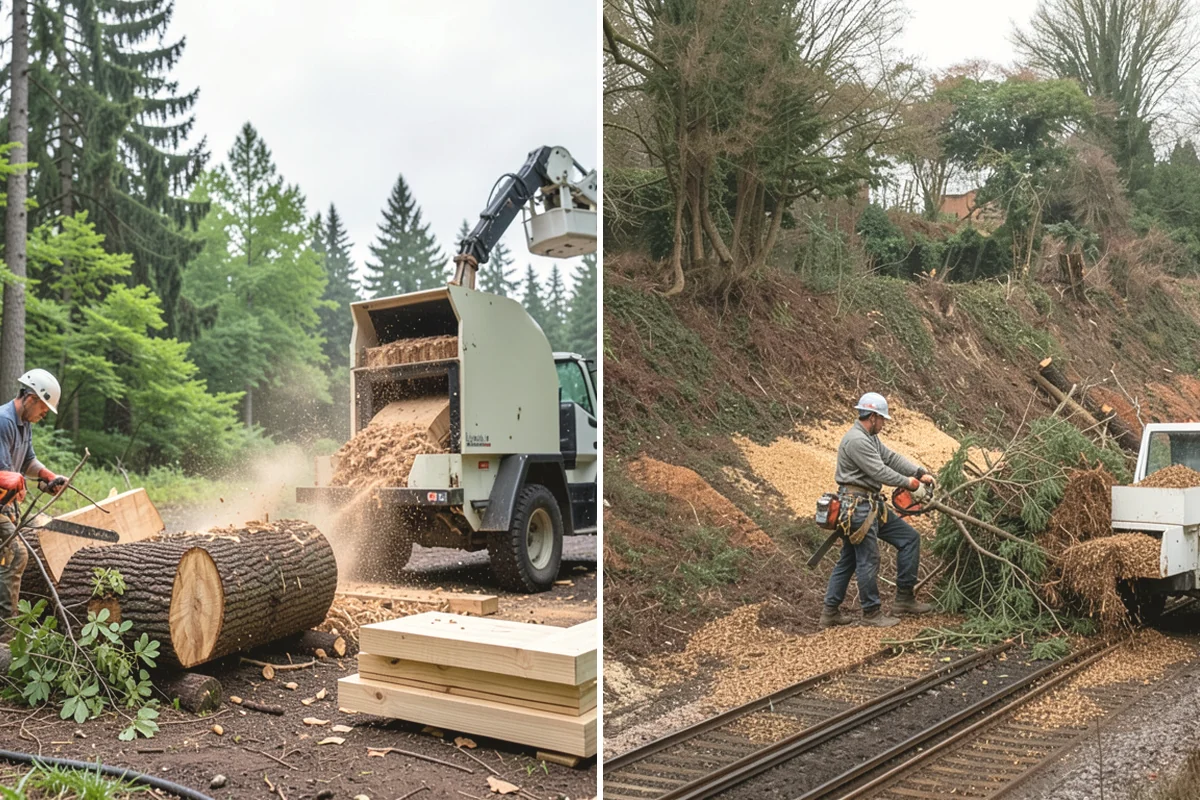
Our crews utilize wood chippers and chainsaws to break down branches and logs efficiently. Loaders and hauling vehicles are used to transport materials safely from your site to processing facilities or reuse centers. When necessary, milling equipment is brought in to create higher-value products from the organic material collected on location.
Yarrow Point Green Waste Hauling Safety & Best Practices
Safety is a top priority as we keep hands and bystanders clear of feed equipment during operation. All loads are securely fastened before transport, and our team wears essential eye and hearing protection throughout the day. We also handle logs with proper technique using appropriate equipment to prevent accidents while working around your property.
Signs You Need Green Waste Hauling in Yarrow Point
You may need this service if you have recently completed tree work that leaves behind piles of branches or brush. Situations involving oversized material, embedded metal objects, or access limits for standard vehicles often require our specialized approach. If high moisture levels are affecting the quality of your debris product, we can help manage those challenges effectively.
What Affects the Cost of Green Waste Hauling in Yarrow Point
The price is influenced by the total volume and type of green waste present at your site. Site access limitations that restrict hauling vehicles will also impact the overall cost of removal and transport. Additionally, factors like embedded metal requiring specialized handling or moisture content affecting final product quality play a role in determining fees.
Best Time of Year for Yarrow Point Green Waste Hauling
This service can be performed year-round to clear organic debris after any tree work project is finished. However, homeowners should note that wet seasons may present challenges as high moisture levels reduce the quality of green waste products. We adjust our methods and timing based on site conditions to ensure consistent results regardless of the season.

Planning a green waste haul in Yarrow Point
Start by walking the property and sorting what you have. Branches, hedge clippings, leaves, sod and storm debris all count as green waste, but they stack and load differently. Long limbs take more room than loose leaves. Wet material weighs far more than dry, which is another reason to schedule after the rainy season.
What affects the scope
Volume is the main factor, along with how far the material sits from where a truck can park. Debris spread across a sloped yard or behind a gate takes longer to move than a pile at the curb. Branch length and thickness matter too. If you want limbs cut down to size first, tell us so the job can be planned that way.
One local rule affects where the material goes. King County is inside the WSDA apple maggot quarantine. Homegrown fruit and yard waste may not be moved out of the quarantine area into pest-free areas. If you have fallen apples or pears mixed in with your debris, point them out. They have to be handled with that rule in mind, so we confirm the destination before loading.
Yarrow Point sits in USDA hardiness zone 9a, with parts of the city ranging from 8b to 9a (USDA map, 2023). That is a mild range, so many plants keep growing for much of the year. Hedges and shrubs may produce fresh clippings more than once a season, which can mean a second small haul later.
What to expect on the day
We look over the pile with you, confirm what is going and what stays, then load and clear the area. Please mark anything you want kept, such as stakes, mulch or firewood. Pets and children should stay clear of the loading area. Afterward the ground is raked or swept where the debris sat.
For a written estimate, call or text 425-484-4442. Estimates are free.
Practical tip: bundle small limbs and keep loose leaves in bags before the crew arrives. Tidy material loads faster and is easier to measure when planning the haul.
Yarrow Point tree conditions at a glance
| Land under dense tree cover (50%+ canopy) | 11% |
|---|---|
| Rain and snow falling October to April | 81% of the year’s total |
| Days with 0.1 in or more of rain | 108 a year |
Tree health near Yarrow Point
- Decline, cause not identified134 ac
Forest damage mapped from the air within 10 km of Yarrow Point, 2021-2025 (USDA Forest Service and WA DNR). This covers forest land, not street or yard trees. “Decline, cause not identified” is dieback with no single cause found.
Sources: Daymet daily weather (NASA/ORNL), NOAA Storm Events, USDA plant hardiness map 2023, NRCS soil survey, USGS elevation, WA DNR landslide inventory, USDA Forest Service aerial survey, WSDA, city tree assessments and street-tree inventories, SILVIS Lab, Arbor Day Foundation, and official city and utility pages.
Green Waste Hauling Serving Yarrow Point
Yarrow Point
Green waste hauling in nearby areas
Also serving Yarrow Point
- Firewood Sales in Yarrow Pointat Washington Firewood
- Rock Replacement in Yarrow Pointat Washington Landscaping