Where Safety Meets Expert Tree Service.

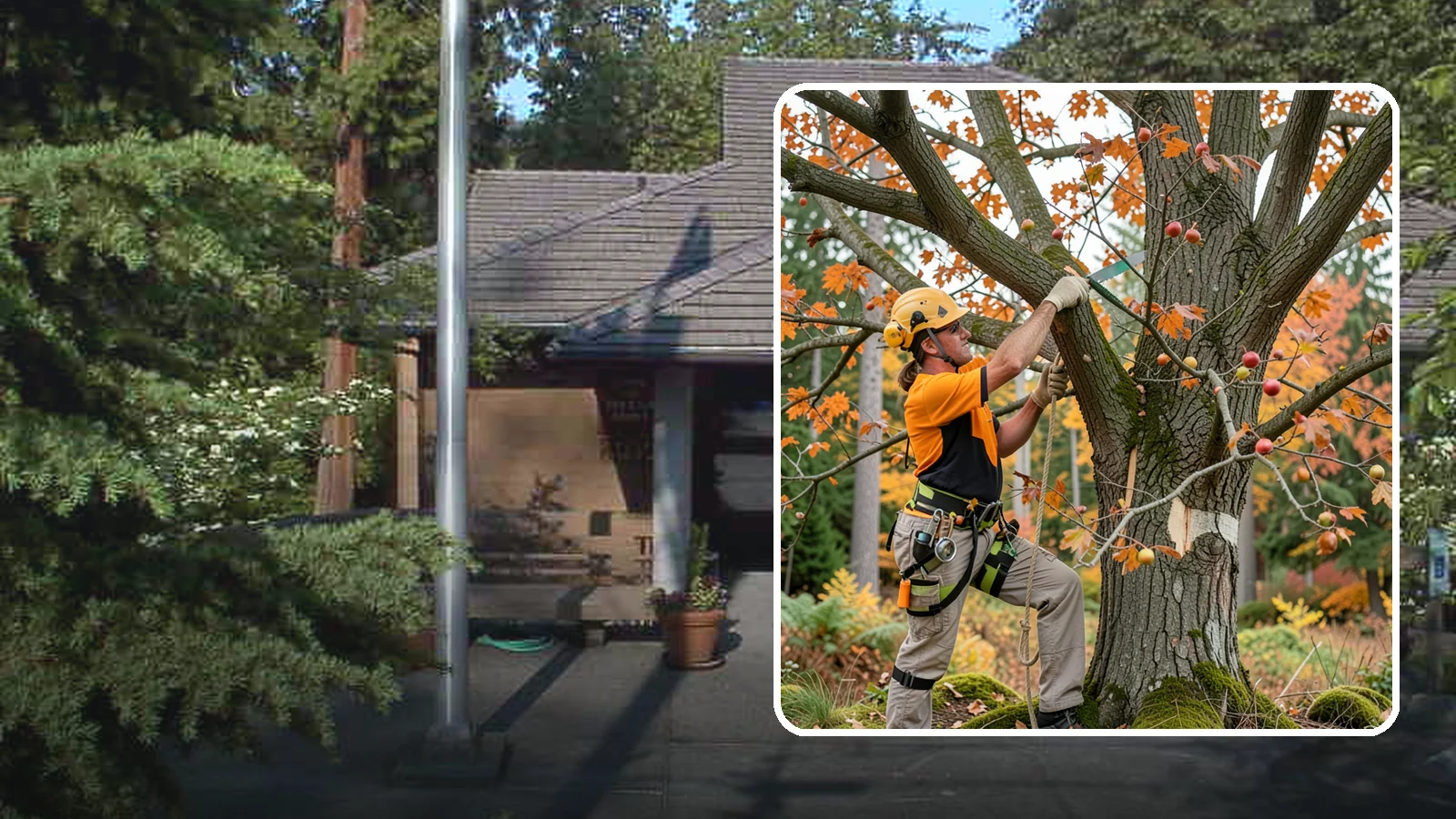
Yarrow Point Fruit Tree Pruning
The pruning of fruit trees for structure, health, and productivity.
King County sits inside the WSDA apple maggot quarantine. If you prune a fruit tree in Yarrow Point, plan for where the cuttings and any fallen fruit will go before the first cut. Homegrown fruit and yard waste may not be moved out of the quarantine area into pest-free areas.
Timing matters too. Pruning in the dormant season can remove flower buds, so the best cut depends on the tree and on what you want from it. Decide whether you want more fruit this year, better structure, or easier harvest, and prune with that goal in mind.
About Fruit Tree Pruning in Yarrow Point
Fruit tree pruning helps maintain your orchard’s structure, health, and productivity while improving light penetration for better fruit quality. Our trained crews work carefully to support the long-term vigor of your trees without causing unnecessary stress. This service is ideal for homeowners who want their fruit-bearing trees to thrive in our local climate conditions.
What Yarrow Point Fruit Tree Pruning Includes
We perform precise cuts designed specifically for each tree species and its current season needs. The process includes assessing canopy condition, selecting proper cut locations, and removing deadwood or weak unions safely. After the work is complete, we lower all material and clean up the entire area to leave your property tidy.
Yarrow Point Fruit Tree Pruning Process
Our team begins by evaluating which branches need attention based on recognized arboricultural standards for fruit trees. We make clean cuts at the right points without over-pruning, ensuring each tree receives only healthy amounts of live tissue removal. Once the pruning is finished, we process and remove all cut material while restoring your work area to its original state.
Equipment We Use for Yarrow Point Fruit Tree Pruning
To complete this job safely and efficiently, our crews use hand saws, pole saws, chainsaws, and wood chippers as needed for each tree’s size. We also utilize climbing gear, rigging equipment, or aerial lifts when site access requires working at height or from a distance. All personnel wear appropriate personal protective equipment throughout the project to ensure everyone stays safe on-site.
Yarrow Point Fruit Tree Pruning Safety & Best Practices
Safety is our priority, so we strictly follow standards that prevent harmful cuts and limit removal to what trees can handle well. We take extra care around overhead power lines and unstable limbs while using fall protection whenever anyone works aloft. By adjusting methods for specific site conditions, we avoid stressing your trees during critical growth or dormancy periods.
Signs You Need Fruit Tree Pruning in Yarrow Point
You may need this service if you notice reduced air movement within the canopy or interference with nearby structures and sightlines. Deadwood present in weak unions or signs of over-pruning from previous attempts are clear indicators that professional attention is required. If fruit quality has declined due to poor light penetration, pruning can help restore your trees’ ability to produce well.
What Affects the Cost of Fruit Tree Pruning in Yarrow Point
The final cost depends on the size of each tree and how complex its canopy structure requires specific cuts for proper species care. Factors such as difficult site access conditions and the volume of processed cut material that needs disposal also influence pricing. We tailor our approach to match individual site constraints rather than applying a one-size-fits-all solution to every property.
Best Time of Year for Yarrow Point Fruit Tree Pruning
In our Puget Sound climate, we adjust pruning schedules based on each fruit tree species’ specific sensitivities to seasonal changes. Our goal is to avoid stressing your trees during their active growth periods or deep dormancy phases by timing cuts correctly for the season. We follow recognized arboricultural standards that ensure every cut supports long-term health regardless of when you request service.
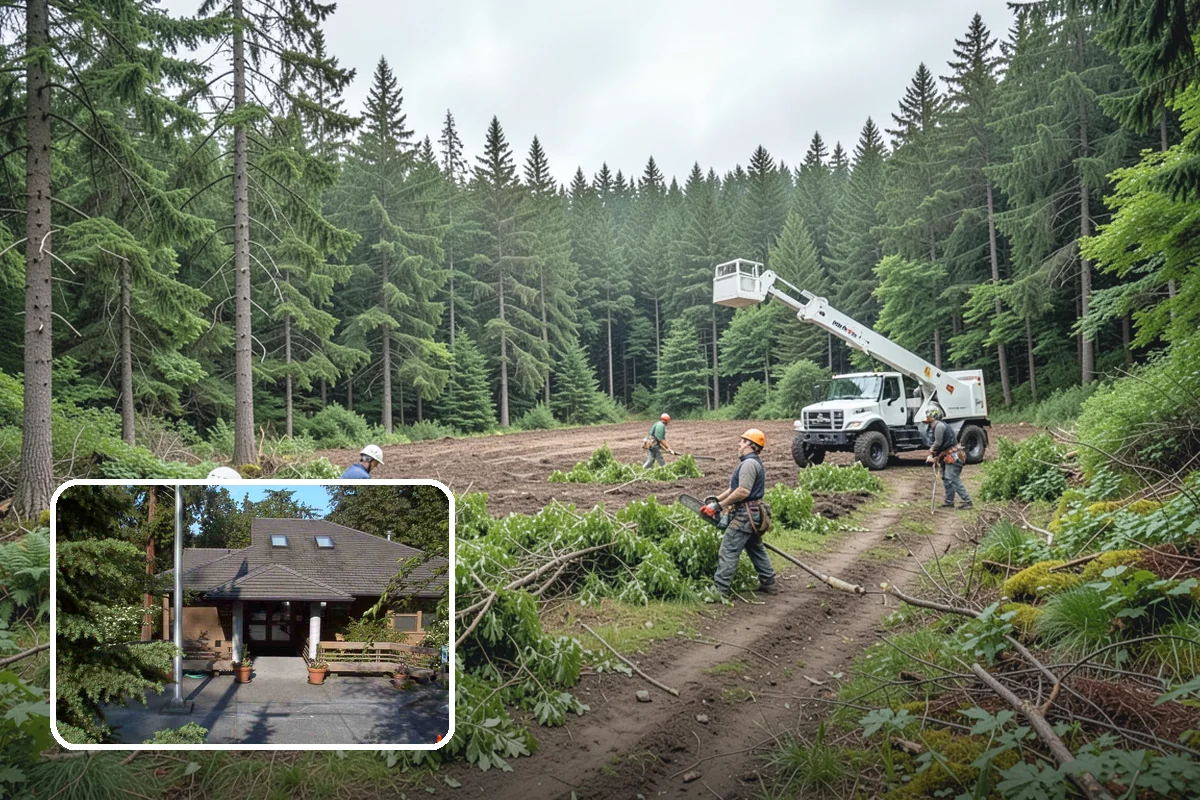
Pruning fruit trees in Yarrow Point: timing, cuts and cleanup
Good fruit tree pruning starts with a goal. Most jobs fall into a few plain steps.
1. Look at the tree first
We check the branch structure, dead or damaged wood, crossing limbs, and how much light reaches the center of the canopy. We also look at where fruit is forming. That tells us what to leave alone.
2. Choose the timing
Most fruit trees are spring bloomers. The WSU Extension Pacific Northwest Gardener's Handbook (Chapter 23) notes that pruning spring bloomers in the dormant season removes flower buds formed the previous summer. So a heavy dormant cut can mean less blossom and less fruit that year. If fruit is the priority, we may suggest lighter cuts, or spreading the work over more than one season.
Wet weather also affects the schedule. Daymet data for 2005 to 2025 shows that 81% of Yarrow Point's yearly rain and snow falls from October to April. That covers much of the dormant season. Fresh cuts on wet days leave wounds exposed to damp conditions, so we watch the forecast and aim for drier spells.
3. Make clean, targeted cuts
Standard practice, in line with ISA and ANSI A300 guidance, is to cut back to a branch collar or a healthy lateral, not leave stubs. We do not top trees. The usual aims are:
- Remove dead, diseased and broken wood
- Thin crowded branches so light and air get in
- Reduce crossing or rubbing limbs
- Keep fruit within reach of the ground or a short ladder
4. Handle the waste correctly
Because King County is within the WSDA apple maggot quarantine, homegrown fruit and yard waste may not be moved out of the quarantine area into pest-free areas. Bag or contain prunings and drop fruit, and keep them within the quarantine area. We plan disposal as part of the job.
The USDA map (2023) places Yarrow Point in zone 9a, with parts of the city from 8b to 9a. That range is broad, so variety choice and tree age still guide how hard we prune. For a free estimate, call or text 425-484-4442.
Yarrow Point tree conditions at a glance
| USDA hardiness zone | 9a (8b to 9a across the city) |
|---|---|
| Rain and snow falling October to April | 81% of the year’s total |
| Days that freeze at night and thaw by day | 28 a year |
| Tree City USA | 16 years |
| Electric utility | unconfirmed |
Sources: Daymet daily weather (NASA/ORNL), NOAA Storm Events, USDA plant hardiness map 2023, NRCS soil survey, USGS elevation, WA DNR landslide inventory, USDA Forest Service aerial survey, WSDA, city tree assessments and street-tree inventories, SILVIS Lab, Arbor Day Foundation, and official city and utility pages.
Fruit Tree Pruning Serving Yarrow Point
Yarrow Point

Fruit tree pruning in nearby areas
Also serving Yarrow Point
- Japanese Maple Pruning in Yarrow Pointat Washington Landscaping
- Roof Moss Treatment in Yarrow Pointat Washington Roofing
- Trail Clearing in Yarrow Pointat Washington City Services