Where Safety Meets Expert Tree Service.


Yarrow Point Fallen Tree Removal
The cleanup and removal of trees that have already fallen.
If a tree has come down near power lines or a service drop, stay clear and call the utility first. Tree material tangled with lines should not be pruned or moved until the utility is on site. That is the point from Washington DNR's Tree Link guidance on storm cleanup, and it comes before any cutting.
Once the area is safe, take photos of the tree, the damage and where it landed. Note whether it touches a structure, a fence, a driveway or a line. That helps us plan the removal and gives your insurer a clear record.
About Fallen Tree Removal in Yarrow Point
When a tree has already fallen across your yard or driveway, our crew is ready to help you clear the mess safely. We specialize in removing these hazards so you can regain full use of your property without worry. This service restores order after unexpected weather events or other incidents bring down large branches or entire trees.
What Yarrow Point Fallen Tree Removal Includes
Fallen tree removal focuses on cleaning up and taking away wood that has already hit structures, landscaping, or roadsides. Our trained teams follow recognized arboricultural standards to ensure the job is done correctly for every specific site condition. We match our methods carefully to the type of tree species involved and how difficult it will be to reach them.
Yarrow Point Fallen Tree Removal Process
The work begins with an on-site assessment where we evaluate potential hazards before establishing a safe drop zone and perimeter. Crews then rig and lower limbs or fell the stem in a controlled sequence using careful planning for each step. Once the wood is processed, our team clears all debris from your property to leave the site clean behind them.
Equipment We Use for Yarrow Point Fallen Tree Removal
We use professional tools like chainsaws, wood chippers, and climbing gear designed specifically for safe removal operations. Depending on access needs or tree size, we may bring aerial lifts or cranes to handle difficult situations effectively. Ground protection equipment is also used during setup to keep your lawn and surfaces intact while the work happens nearby.
Yarrow Point Fallen Tree Removal Safety & Best Practices
Safety starts with identifying overhead utility lines before any crew member approaches the fallen wood or begins cutting. We maintain clear drop zones throughout the job and use coordinated ground communication to prevent accidents on site. Inspections for decay and structural defects happen first, ensuring that fall protection measures are always in place during climbing work.
Signs You Need Fallen Tree Removal in Yarrow Point
You likely need this service if a tree has come down across your driveway, blocking access to your home or garage. Hidden internal rot might have caused the collapse without warning signs visible from the ground level earlier on. If you notice limited space for equipment due to nearby structures or power lines, our team can navigate these challenges safely.
What Affects the Cost of Fallen Tree Removal in Yarrow Point
The final price depends heavily on factors such as the size of the tree and whether hidden decay complicates removal efforts. Proximity to buildings or electrical lines often requires specialized techniques that influence how much work is needed. Limited access for heavy machinery and specific requirements for wood disposal will also play a role in determining total costs.
Best Time of Year for Yarrow Point Fallen Tree Removal
Our crews can perform this cleanup year-round, taking advantage of the mild Puget Sound climate whenever conditions allow safe operation. During wet seasons when ground soil becomes saturated, we utilize specialized rigging gear to ensure stability while working on muddy sites. This flexibility means you do not have to wait for dry weather if a tree falls unexpectedly during any season.
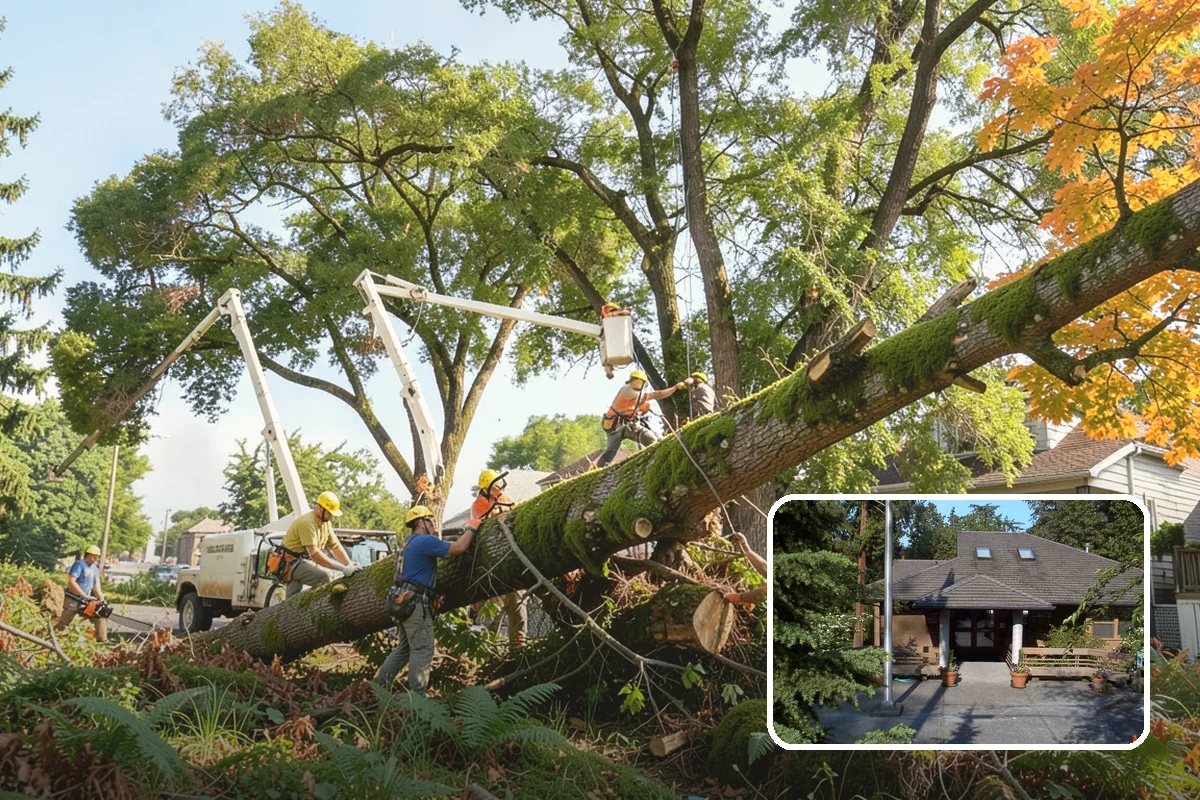
Fallen tree removal in Yarrow Point: how the work goes
Every fallen tree is different, but the work usually follows the same order.
- Check for hazards: utility lines, tension in the trunk or limbs, and damage to the roof or fence.
- Clear the utility issue first if any wire is involved.
- Cut the tree in sections, working from the parts under the least tension toward the most.
- Haul away the wood, or leave it cut to lengths you choose.
Why tension matters
A tree resting on a building, another tree or the ground can hold stored force. A cut in the wrong place can make the trunk roll or snap back. We read how the load sits before the first cut and plan the order around it.
Wind and soil in Yarrow Point
The National Weather Service's records for the forecast zone that includes Yarrow Point show 33 high and strong wind episodes from 2005 to 2025. The strongest gust recorded in that zone was 72 mph on December 17, 2010. Windstorms are a repeat event here, so it is worth looking at the trees still standing after one tree falls.
The NRCS soil survey reports that 93% of the land in Yarrow Point has a hard or restrictive layer, such as glacial hardpan, within 40 inches of the surface. Alderwood is the most common soil series. Roots can spread sideways over a layer like that instead of going deep. That is a general pattern, not a finding about your tree, but when we look at the root plate of the fallen tree it can tell us something about its neighbors.
Permits and next steps
City rules can apply to removal, and they are not always clear for a storm-damaged tree. We check with the city before work starts. Call or text 425-484-4442 and send your photos. Our ISA Certified Arborist can look at the site, and estimates are free.
Yarrow Point tree conditions at a glance
| High and strong wind episodes, 2005-2025 | 33 in the forecast zone |
|---|---|
| Ice storm episodes, 2005-2025 | 2 in the forecast zone |
| Average snowfall | 5.4 in a season |
| Soils | 93% of land has hardpan or another restrictive layer within 40 in; most common series Alderwood |
| Rain and snow falling October to April | 81% of the year’s total |
| Electric utility | unconfirmed |
Tree removal rules in Yarrow Point
A tree removal permit is required to remove any significant tree on private property (YPMC 20.22.030(A)). Minimum density of one significant tree per 5,000 sq ft of lot area must be shown whenever a significant or heritage tree is removed. Trees proposed for removal must be marked with yellow tape at DSH.
Regulated size: Any healthy tree at least 12 in DSH (diameter at 4.5 ft).
Official city source. Rules change; we confirm with the city before work starts.
Strongest wind events near Yarrow Point
- Dec 17, 2010: gusts to 72 mph
- Feb 7, 2012: gusts to 70 mph
- Dec 14, 2006: gusts to 68 mph
NOAA Storm Events, forecast zone that includes Yarrow Point, 2005-2025.
Sources: Daymet daily weather (NASA/ORNL), NOAA Storm Events, USDA plant hardiness map 2023, NRCS soil survey, USGS elevation, WA DNR landslide inventory, USDA Forest Service aerial survey, WSDA, city tree assessments and street-tree inventories, SILVIS Lab, Arbor Day Foundation, and official city and utility pages.
Fallen Tree Removal Serving Yarrow Point
Yarrow Point

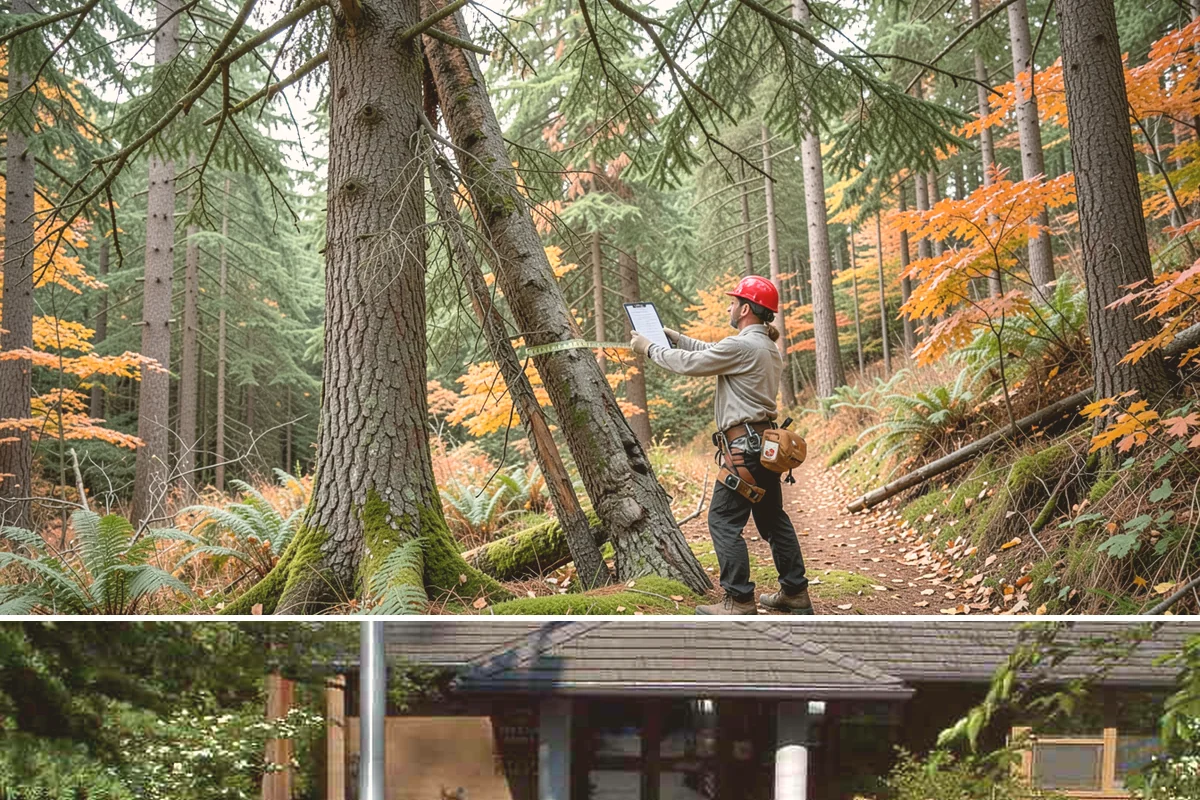
Fallen tree removal in nearby areas
Also serving Yarrow Point
- Flower Bed Design in Yarrow Pointat Washington Landscaping
- Park Tree Maintenance in Yarrow Pointat Washington City Services
- Storm Wood Processing in Yarrow Pointat Washington Firewood