Where Safety Meets Expert Tree Service.

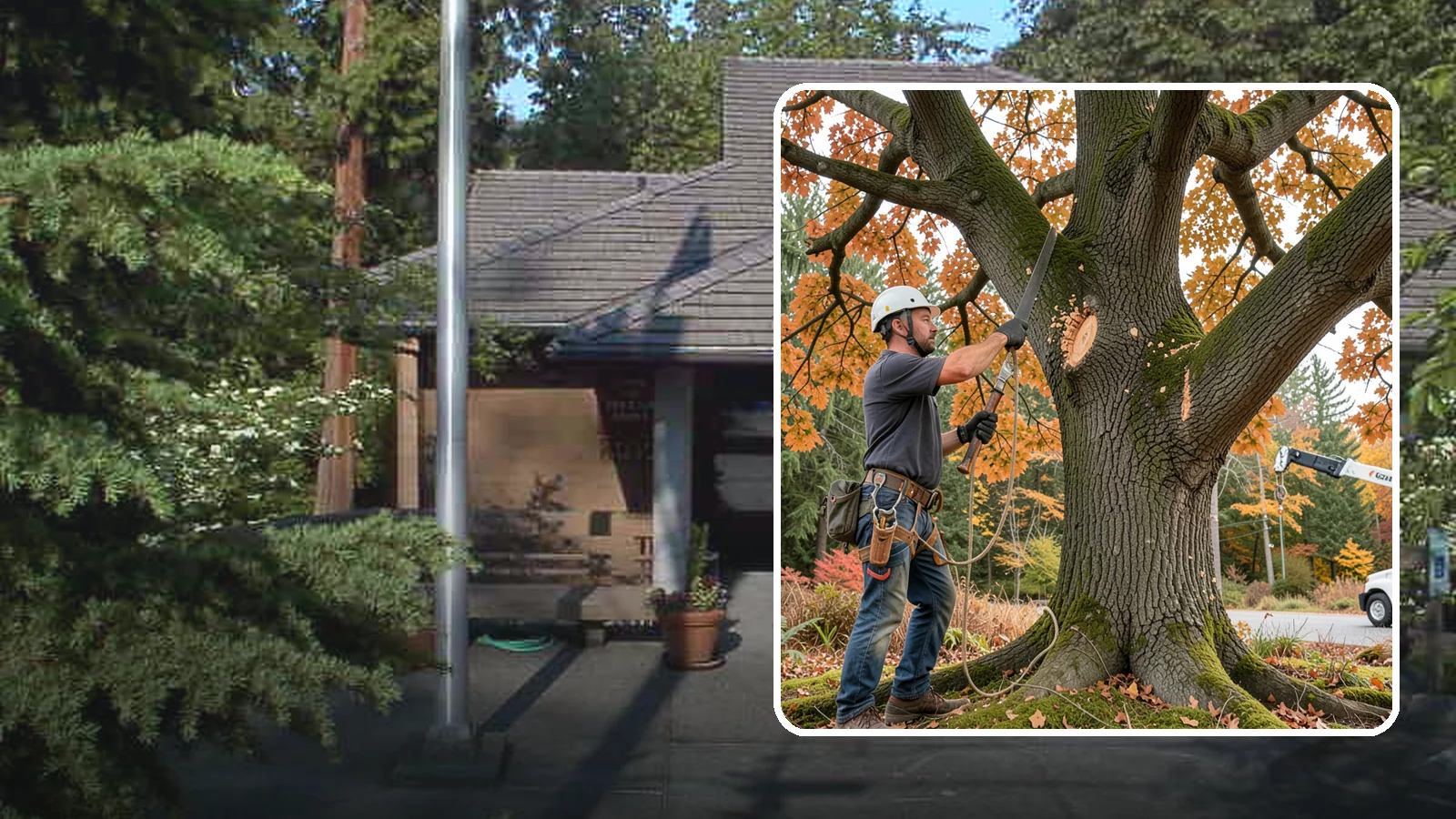
Yarrow Point Crown Reduction
The reduction of a crown’s height or spread using proper reduction cuts.
The best window for a crown reduction in Yarrow Point is usually the drier part of the year, after the wet months have passed. Daymet records for 2005 to 2025 show that 81% of the city's yearly rain and snow falls between October and April. Ground is softer then, and trees carry more wind and water load.
A crown reduction shortens selected branches to reduce a tree's height or spread. It is used when a tree has grown too large for its spot, or when weight over a roof or yard needs to come down. Planning it ahead of the wet season gives you a calmer schedule.
About Crown Reduction in Yarrow Point
Crown reduction is a thoughtful tree care option designed to help you manage large trees safely while keeping them healthy. This service supports homeowners who want better clearance around their home or improved sightlines without removing the entire canopy. Our trained crews work with your specific trees to find solutions that fit your property needs.
What Yarrow Point Crown Reduction Includes
We perform crown reduction by making proper cuts to lower a tree’s height or spread, which helps manage size and reduce structural stress. This process is done carefully to preserve the long-term health of your tree while improving its structure and appearance. The goal is always to maintain natural growth patterns rather than simply cutting back branches indiscriminately.
Yarrow Point Crown Reduction Process
Our team starts by assessing the condition of your canopy and defining clear pruning objectives for each tree. We select specific cuts that match the species and current season, ensuring we do not over-prune or harm the wood. After making clean reductions at proper points, our crew lowers cut material safely and cleans up the work area completely.
Equipment We Use for Yarrow Point Crown Reduction
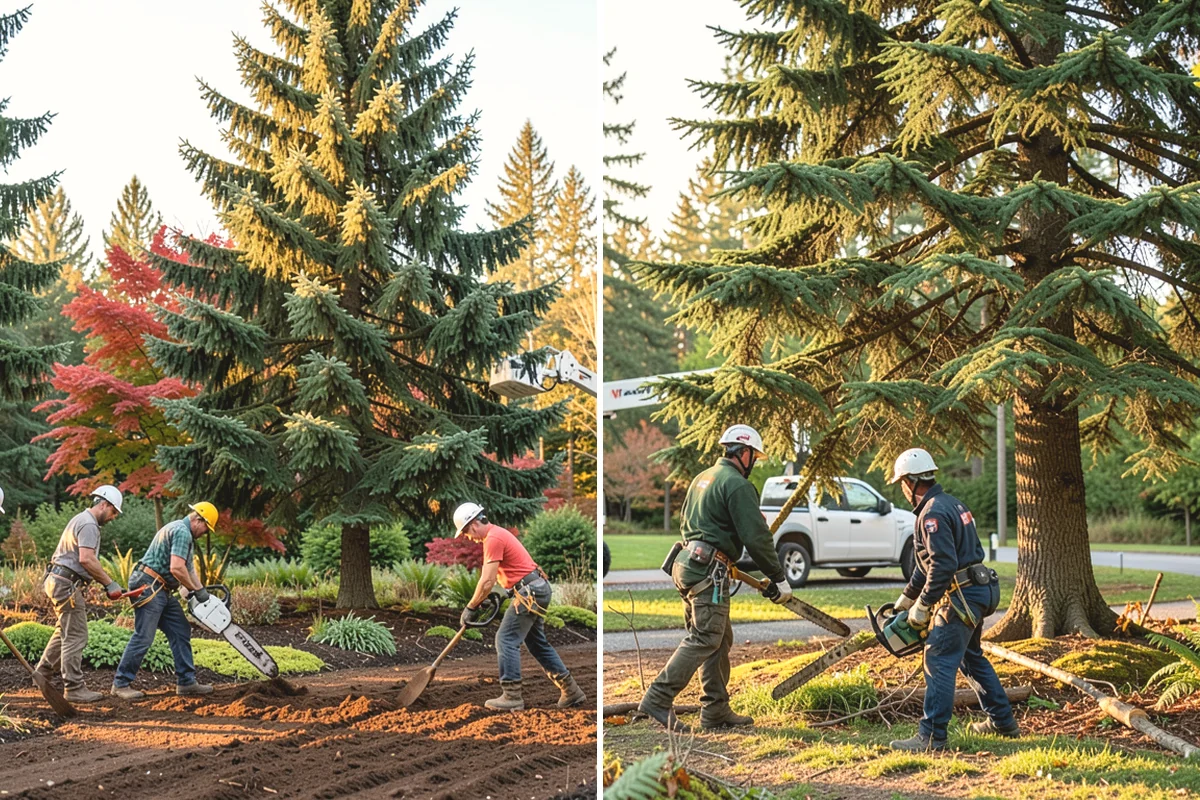
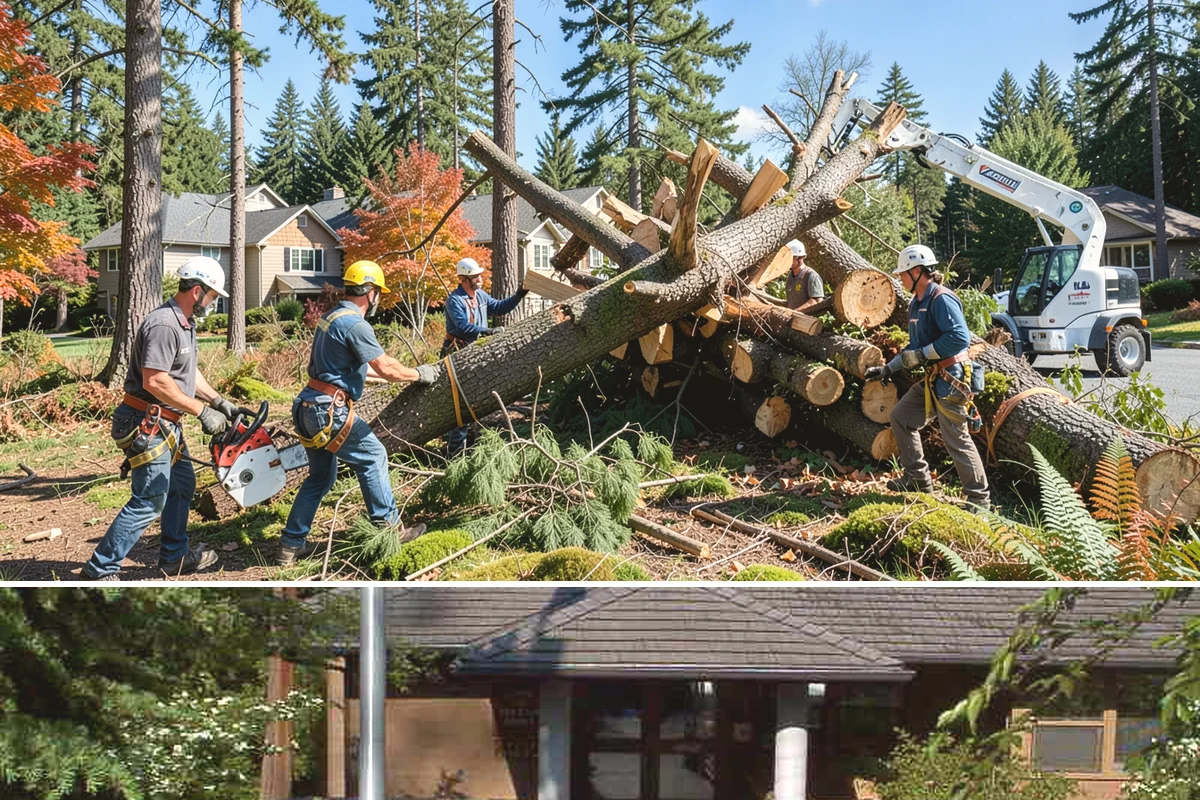
To complete this job effectively, crews use hand saws, pole saws, chainsaws, and climbing gear tailored to each site’s access needs. An aerial lift may be utilized when necessary to reach higher branches without compromising safety or tree stability. We also bring wood chippers for efficient debris processing and wear full personal protective equipment throughout the workday.
Yarrow Point Crown Reduction Safety & Best Practices
Safety is our priority, so we follow recognized pruning standards that avoid harmful cuts which can stress a living tree. Our technicians watch closely for overhead power lines and unstable limbs to prevent accidents during any part of the job. When working aloft, every crew member uses appropriate fall protection gear to ensure everyone stays secure on site.
Signs You Need Crown Reduction in Yarrow Point
You may need crown reduction if you notice deadwood, weak unions in your branches, or interference with nearby structures and utility lines. This service is also beneficial when a tree’s size creates clearance issues for vehicles or blocks important sightlines from windows and driveways. Addressing these signs early helps prevent branch failure and supports the overall vigor of your landscape trees.
What Affects the Cost of Crown Reduction in Yarrow Point
The investment for this work depends on factors like tree species, current canopy condition, and structural complexity that influence cut selection. More complex rigging requirements may also impact pricing based on how difficult it is to safely lower heavy branches from specific locations. We evaluate these variables carefully so you understand exactly what drives the cost before any job begins.
Best Time of Year for Yarrow Point Crown Reduction
The best time for crown reduction follows recognized arboricultural standards matched to the growing seasons of trees in our local Puget Sound climate. Scheduling work during appropriate windows ensures that cuts heal properly and minimizes stress on your specific tree species throughout the year. We plan projects around these natural cycles to support long-term health rather than rushing jobs into unsuitable weather or growth periods.

Planning a crown reduction in Yarrow Point
Start by deciding what you want the reduction to fix. Common goals are clearance from a house, less weight over a deck, or a better view. Each goal calls for different cuts, so walk the tree with the arborist and point to the branches that worry you.
What affects the scope
Species, branch structure and overall health set how much can be taken off. Standard practice under ANSI A300 pruning guidelines is to cut back to a lateral branch large enough to take over as the new end, rather than stubbing limbs. That keeps the tree's natural shape. It also limits how much live crown comes off at once, so a big tree may need the work spread over more than one visit.
This is also why we do not recommend topping. Linda Chalker-Scott of the WSU Puyallup Research and Extension Center, in The Myth of Tree Topping, notes that a topped tree needs constant maintenance and is more likely to become hazardous. A true reduction aims for the opposite.
Yarrow Point falls mostly in USDA zone 9a, with parts at 8b, according to the 2023 USDA map. That mild range means trees here can keep growing for much of the year, so a reduced crown will push new growth. Plan on follow-up pruning rather than a one-time fix.
The electric utility serving Yarrow Point is unconfirmed. If branches are near power lines, we sort that out before any cutting, because that work is handled differently. We also check with the city before work starts if there is any question about whether a rule applies.
What to expect on the day
The crew sets up, protects the area below, and works from the outside of the crown inward. Cut branches are lowered or chipped, and debris is cleared when the job is done. Expect noise from saws and a chipper for part of the day.
Practical tip: before the visit, photograph the tree from a few angles and note the branches you care about. It makes the estimate conversation faster and clearer.
Yarrow Point tree conditions at a glance
| USDA hardiness zone | 9a (8b to 9a across the city) |
|---|---|
| Rain and snow falling October to April | 81% of the year’s total |
| Days that freeze at night and thaw by day | 28 a year |
| Tree City USA | 16 years |
| Electric utility | unconfirmed |
Sources: Daymet daily weather (NASA/ORNL), NOAA Storm Events, USDA plant hardiness map 2023, NRCS soil survey, USGS elevation, WA DNR landslide inventory, USDA Forest Service aerial survey, WSDA, city tree assessments and street-tree inventories, SILVIS Lab, Arbor Day Foundation, and official city and utility pages.
Crown Reduction Serving Yarrow Point
Yarrow Point
Crown reduction in nearby areas
Also serving Yarrow Point
- Cherry Tree Pruning in Yarrow Pointat Washington Landscaping
- Annual Roof Maintenance Program in Yarrow Pointat Washington Roofing
- Street Tree Removal in Yarrow Pointat Washington City Services