Where Safety Meets Expert Tree Service.


Yarrow Point Crown Raising
The removal of lower branches to raise the height of the crown.
Crown raising makes the most sense in the drier months, roughly May through September. In Yarrow Point, 81% of the yearly rain and snow falls from October to April (Daymet, 2005-2025). Summer gives you dry ground, clear sight lines, and a view of how much clearance you actually need.
Crown raising means removing the lower branches of a tree to lift the canopy. People do it to clear a driveway, walkway, roofline, or a view of the water. Planning it ahead of the wet season lets cuts begin closing before long stretches of damp weather.
About Crown Raising in Yarrow Point
Crown raising is a helpful tree care option that clears space under your trees for people walking by or cars driving past. Our trained crews can remove lower branches to give you the clearance you need while keeping your landscape looking its best. This service benefits homeowners who want safer sightlines and better access around their property without harming the health of their trees.
What Yarrow Point Crown Raising Includes
We perform crown raising by carefully removing lower limbs to lift the main canopy higher off the ground. The work is designed to provide necessary clearance for pedestrians, vehicles, buildings, or clear views while following recognized arboricultural standards. Each job uses methods that match your specific tree species and site conditions to ensure a clean result.
Yarrow Point Crown Raising Process
Our team starts by assessing the current condition of your canopy and defining exactly what pruning objectives you have in mind. We then select precise cuts suited for your tree’s type and season, ensuring we do not remove too much live tissue at once. After making these clean cuts at proper points, our crew processes the removed material and leaves your work area tidy.
Equipment We Use for Yarrow Point Crown Raising
To complete this job safely and efficiently, we use hand saws, pole saws, chainsaws, and wood chippers to handle branches of various sizes. Depending on access needs, some projects may require climbing gear with fall protection or an aerial lift to reach higher limbs. All crew members wear personal protective equipment while working around overhead lines and unstable limbs.
Yarrow Point Crown Raising Safety & Best Practices
We follow recognized pruning standards to avoid making cuts that could stress your tree or cause branch failure later on. Our safety protocol includes limiting removal to healthy amounts of live tissue and watching closely for any signs of weak unions in the canopy. When climbing aloft, we always use proper fall protection to keep everyone secure throughout the job.
Signs You Need Crown Raising in Yarrow Point
You might need crown raising if lower branches are blocking paths for pedestrians or interfering with your driveway and garage doors. This service is also useful when tree limbs obstruct important sightlines at intersections or hide views of nearby structures. Deadwood hanging low near walkways or unstable unions that pose a risk to people below are other clear indicators this work is needed.
What Affects the Cost of Crown Raising in Yarrow Point
The price for crown raising depends on the overall size of your trees and how complex it will be to access them from the ground. Factors like species-specific timing sensitivities and the volume of wood we need to remove and dispose of also influence the final cost. We tailor our approach to match these variables so you get a fair estimate based on your specific site conditions.
Best Time of Year for Yarrow Point Crown Raising
It is best to schedule this work outside of late summer or early fall, when trees are actively moving nutrients back into their roots for winter storage. We will avoid working during freezing conditions that could damage the fresh cuts we make in the canopy. Planning around these seasonal windows helps ensure your tree recovers well and maintains its long-term vigor after pruning.
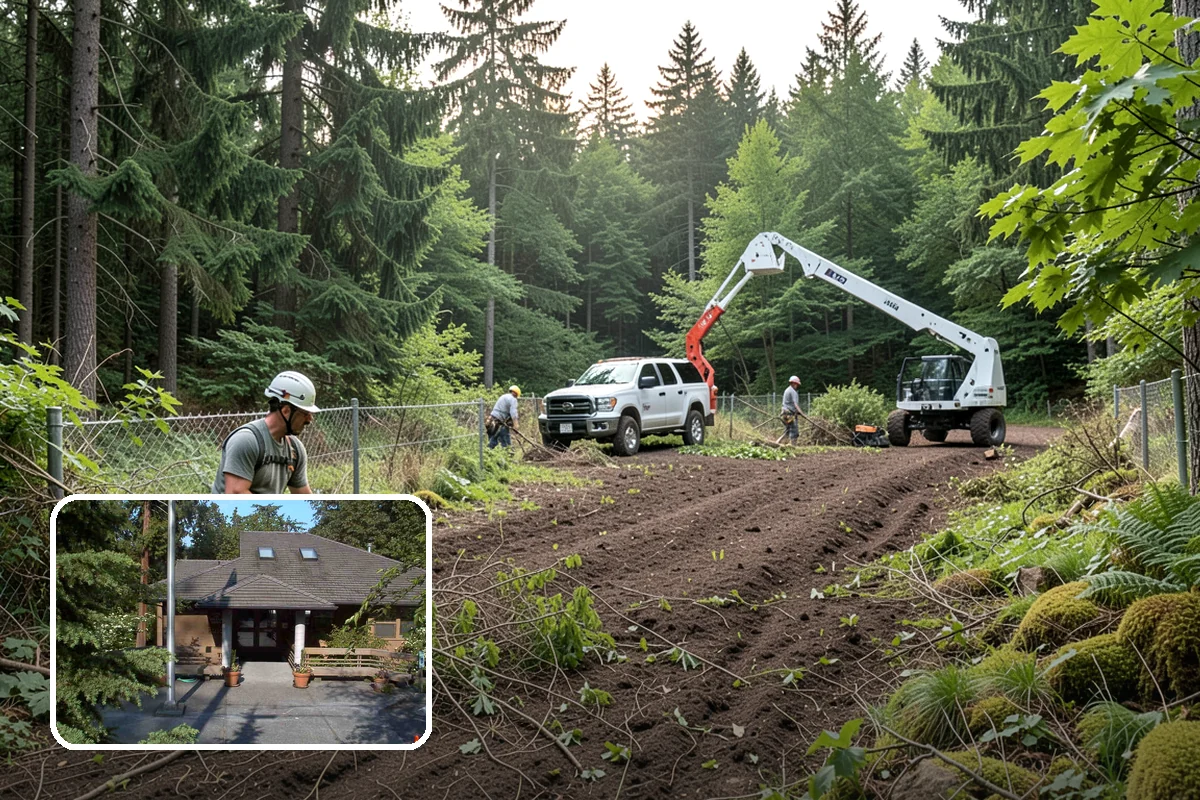
Planning crown raising in Yarrow Point
Planning the work
Start by deciding what the clearance is for. A path for walkers needs less height than a driveway used by delivery trucks. Tell us the height you want, and we will measure it from the ground to the lowest branch that should remain.
Standard practice under ISA and ANSI A300 guidelines is to keep enough live crown on the tree. A common guide is to leave at least two-thirds of the tree's height in living branches. Removing too much from the bottom can leave a tall, top-heavy tree. For that reason, a young tree may need its lowest branches lifted over several visits, not all at once.
What affects the scope
Species, branch size, and the tree's age all matter. Large lower limbs take more time and more care than thin ones. Wounds from big cuts close slowly, so we may suggest leaving a large limb and clearing around it instead.
Wind is another factor. The forecast zone that includes Yarrow Point recorded 33 high and strong wind episodes from 2005 to 2025. That figure covers the whole zone, not this property. It is a reason to avoid stripping the lower crown too far, since the weight and sail area of a tree shift when its lower branches go. We look at how the canopy will carry that load afterward.
Yarrow Point sits in USDA zone 9a, with parts of the city at 8b (USDA map, 2023). That range is mild enough to support a wide mix of landscape trees, so the right approach changes tree by tree.
On the day
The crew walks the site first and confirms which branches come off. Cuts are made just outside the branch collar, not flush with the trunk. Debris is cut down, chipped or hauled as agreed, and the ground is cleaned up. Most single-tree jobs go quickly, but larger or multiple trees take longer.
One practical tip: before we arrive, mark the lowest branches you care about with ribbon. It removes guesswork and makes the plan clear to everyone.
Yarrow Point tree conditions at a glance
| USDA hardiness zone | 9a (8b to 9a across the city) |
|---|---|
| Rain and snow falling October to April | 81% of the year’s total |
| Days that freeze at night and thaw by day | 28 a year |
| Tree City USA | 16 years |
| Electric utility | unconfirmed |
Sources: Daymet daily weather (NASA/ORNL), NOAA Storm Events, USDA plant hardiness map 2023, NRCS soil survey, USGS elevation, WA DNR landslide inventory, USDA Forest Service aerial survey, WSDA, city tree assessments and street-tree inventories, SILVIS Lab, Arbor Day Foundation, and official city and utility pages.
Crown Raising Serving Yarrow Point
Yarrow Point
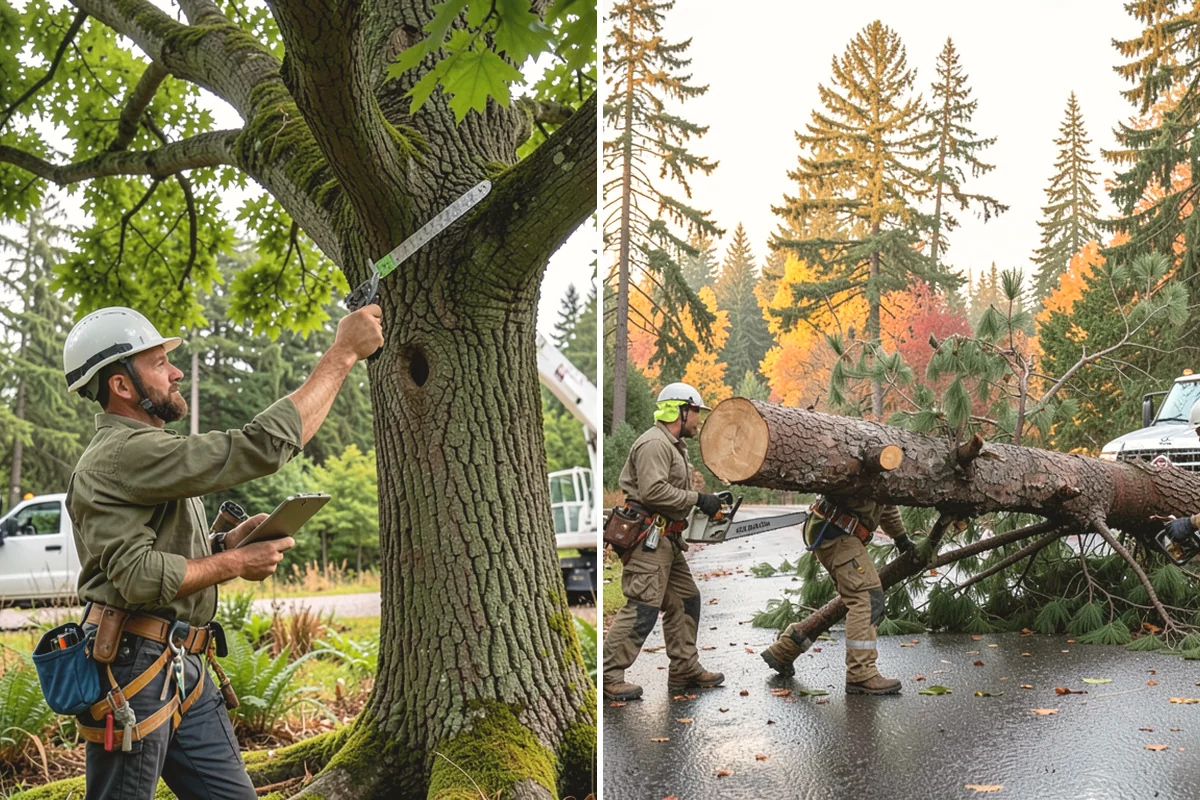
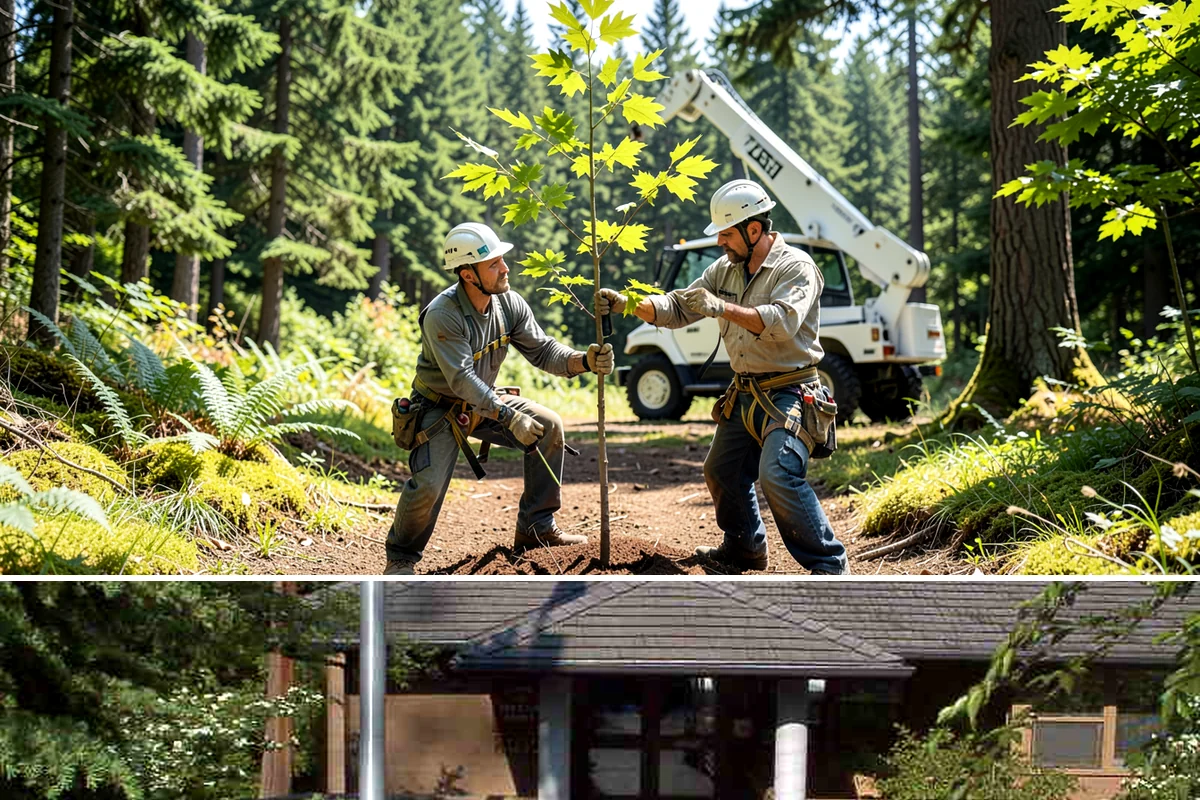
Crown raising in nearby areas
Also serving Yarrow Point
- Birch Tree Pruning in Yarrow Pointat Washington Landscaping
- Annual Roof Maintenance Program in Yarrow Pointat Washington Roofing
- Invasive Vegetation Removal in Yarrow Pointat Washington City Services