Where Safety Meets Expert Tree Service.

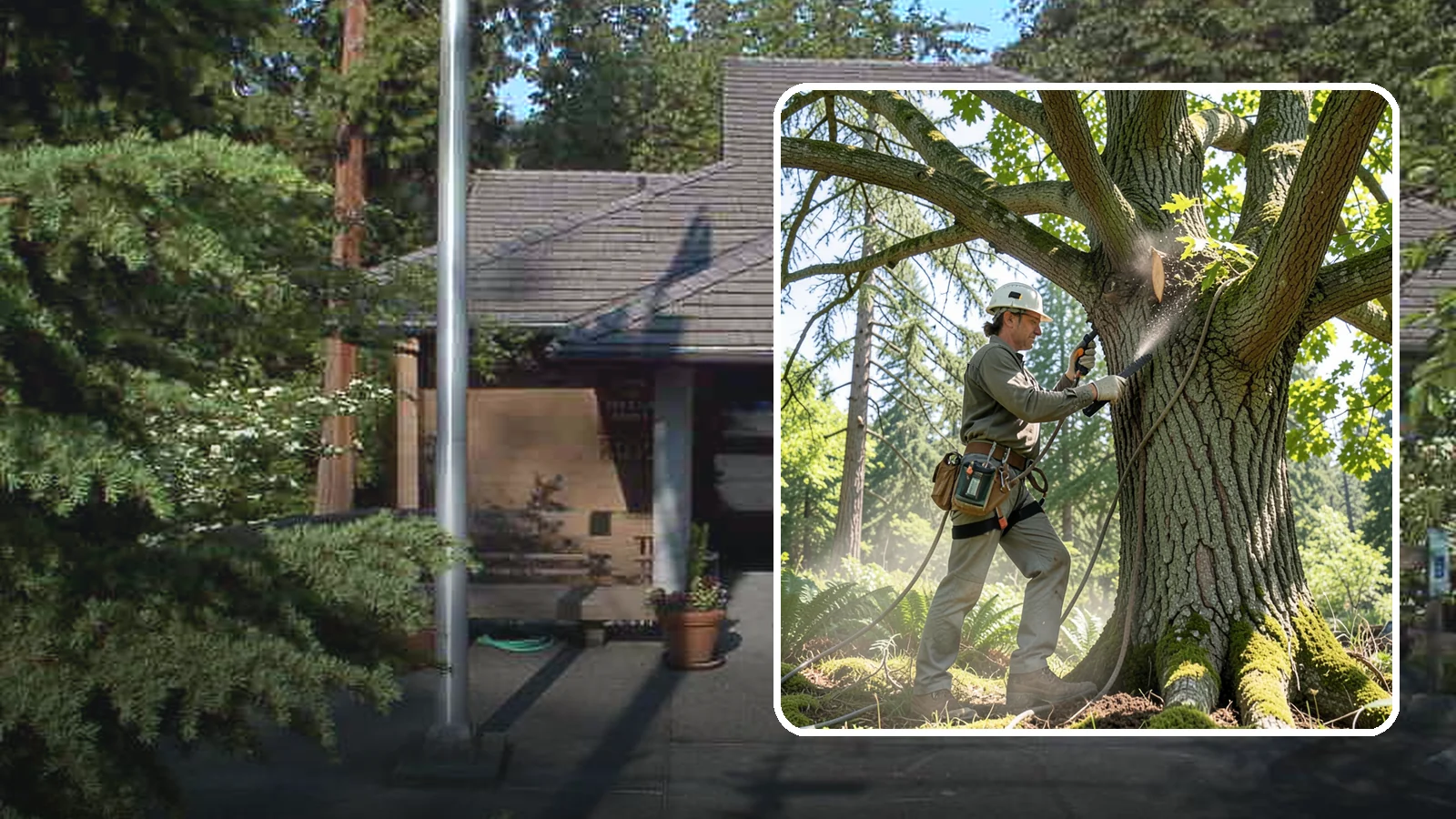
Yarrow Point Air Spading
The use of compressed air to excavate soil without harming roots.
Air spading suits a tree that has a root problem you need to see before you decide what to do. Think of a mature tree with a lifting patio nearby, suspected girdling roots, soil that has been piled or compacted, or a planned change to grade or a foundation close to the trunk.
An air spade uses a narrow jet of compressed air to loosen soil and blow it away from roots. The roots stay in place, so you can see what is going on. This page explains when air spading makes sense in Yarrow Point and how it compares with other ways of getting at the root zone.
About Air Spading in Yarrow Point
Air spading is a gentle tree health care method that uses compressed air to carefully excavate soil without harming roots. This approach helps homeowners protect their valued trees by addressing hidden issues beneath the surface before they become serious problems. It supports long-term stability and extends the useful life of your landscape’s most important plants.
What Yarrow Point Air Spading Includes
Our trained crews use this technique to inspect root systems, relieve compacted soils, and correct specific root conditions tailored to each tree species. The work is matched carefully to site conditions and access points to ensure effective treatment without unnecessary disturbance. By focusing on the soil environment around your trees, we help improve overall health and prevent future decline from past construction or grade changes.
Yarrow Point Air Spading Process
We begin by inspecting the tree and its surrounding area to identify contributing factors like pests, disease, or poor soil structure. Once issues are identified, our team recommends and applies appropriate treatments while documenting findings for follow-up care. This step-by-step approach ensures that every treatment addresses the specific needs of your unique site conditions.
Equipment We Use for Yarrow Point Air Spading
The job relies on specialized diagnostic tools, soil probes, sampling kits, and air excavation equipment as needed for each situation. We also use injection or application gear to deliver treatments safely while wearing full personal protective equipment throughout the work. These tools allow us to see what is happening underground without damaging sensitive root systems or surrounding plantings.
Yarrow Point Air Spading Safety & Best Practices
Our crews follow strict label guidelines when applying any products and take steps to protect both soil quality and nearby vegetation. We avoid damage to roots and trunks during excavation by using methods that match the specific tree species at hand. Accurate documentation of site conditions helps ensure safe practices are maintained from start to finish on every job we complete.
Signs You Need Air Spading in Yarrow Point
You might need air spading if your trees show signs of decline caused by compacted soil, girdling roots, or past construction damage. This service is especially useful when you suspect pests or disease are affecting root health but cannot be seen easily without excavation. Catching these problems early helps prevent them from escalating into major threats to tree stability and longevity.
What Affects the Cost of Air Spading in Yarrow Point
The investment for this work depends on the size of your trees, how difficult it is to access their roots, and the complexity of the inspection required. Different species may need specific approaches that influence the overall scope of care needed at a particular site. We consider all these variables when determining what level of service best fits your property’s unique challenges.
Best Time of Year for Yarrow Point Air Spading
In our local Puget Sound climate, air spading can generally be performed year-round to address ongoing tree health needs. However, during wetter seasons we may take special precautions to ensure soil stability while using compressed air for excavation. Planning the work around these conditions helps maintain safety and effectiveness regardless of when you choose to schedule a visit.
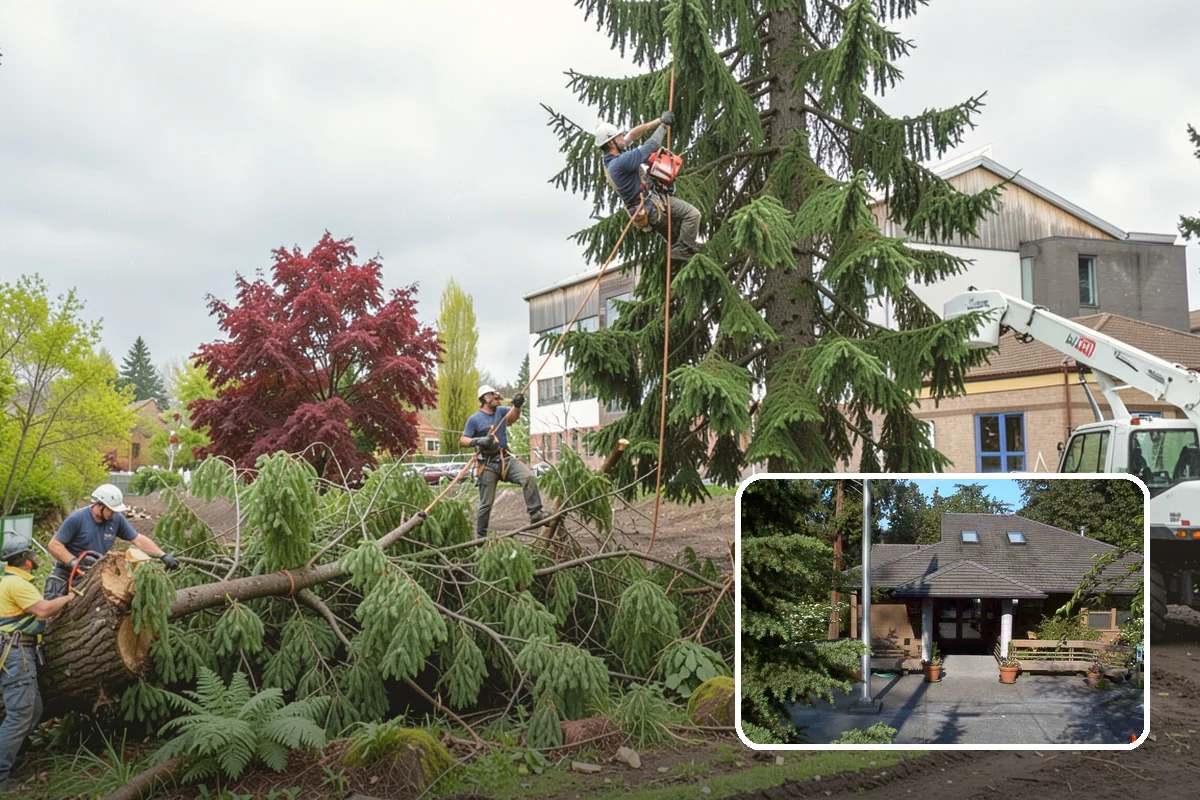
Air spading options for Yarrow Point yards and soils
Owners usually choose between three approaches when they need to look at or work around roots. Each fits different conditions.
- Hand digging with shovels. Fine for a small test hole. It is slow over a larger area, and a blade can nick or cut roots without anyone noticing.
- Mechanical digging. Fast, but a bucket or trencher tears roots and compacts the soil around them. It is a poor match for the root zone of a tree you plan to keep.
- Air spading. Air moves soil without cutting bark or roots, so it suits exposing girdling roots, locating structural roots before construction, or relieving compacted soil in a defined area.
What local soil means for the choice
The NRCS soil survey shows that 93% of Yarrow Point's land has a hard or restrictive layer, such as glacial hardpan, within 40 inches of the surface. The most common soil series is Alderwood. That layer limits how deep roots can go, so many roots run shallow and sideways. Shallow roots are easy to damage with a shovel or machine, which is a good reason to prefer air for any digging near the trunk. The survey describes soil across the city, not the soil under one particular tree.
Timing and aftercare
Daymet data for 2005 to 2025 shows 81% of Yarrow Point's yearly rain and snow falls from October to April. Wet soil is heavy, and working on it can compact it again. Exposed roots also dry out quickly, so we plan the work so roots are covered again soon after the inspection or treatment.
After air spading, backfilling usually includes mulch. The WSU Extension Pacific Northwest Gardener's Handbook recommends a 2 to 4 inch layer over the root zone, with fine mulches kept closer to 2 to 3 inches.
If you are not sure which approach fits your tree, call or text 425-484-4442 for a free estimate. Our ISA Certified Arborist can look at the site first.
Yarrow Point tree conditions at a glance
| USDA hardiness zone | 9a (8b to 9a across the city) |
|---|---|
| Soils | 93% of land has hardpan or another restrictive layer within 40 in; most common series Alderwood |
| Rain and snow falling October to April | 81% of the year’s total |
| Days with 0.1 in or more of rain | 108 a year |
| Days that freeze at night and thaw by day | 28 a year |
Tree health near Yarrow Point
- Decline, cause not identified134 ac
Forest damage mapped from the air within 10 km of Yarrow Point, 2021-2025 (USDA Forest Service and WA DNR). This covers forest land, not street or yard trees. “Decline, cause not identified” is dieback with no single cause found.
Sources: Daymet daily weather (NASA/ORNL), NOAA Storm Events, USDA plant hardiness map 2023, NRCS soil survey, USGS elevation, WA DNR landslide inventory, USDA Forest Service aerial survey, WSDA, city tree assessments and street-tree inventories, SILVIS Lab, Arbor Day Foundation, and official city and utility pages.
Air Spading Serving Yarrow Point
Yarrow Point

Air spading in nearby areas
Also serving Yarrow Point
- Tree Staking in Yarrow Pointat Washington Landscaping
- Park Landscape Maintenance in Yarrow Pointat Washington City Services