Where Safety Meets Expert Tree Service.

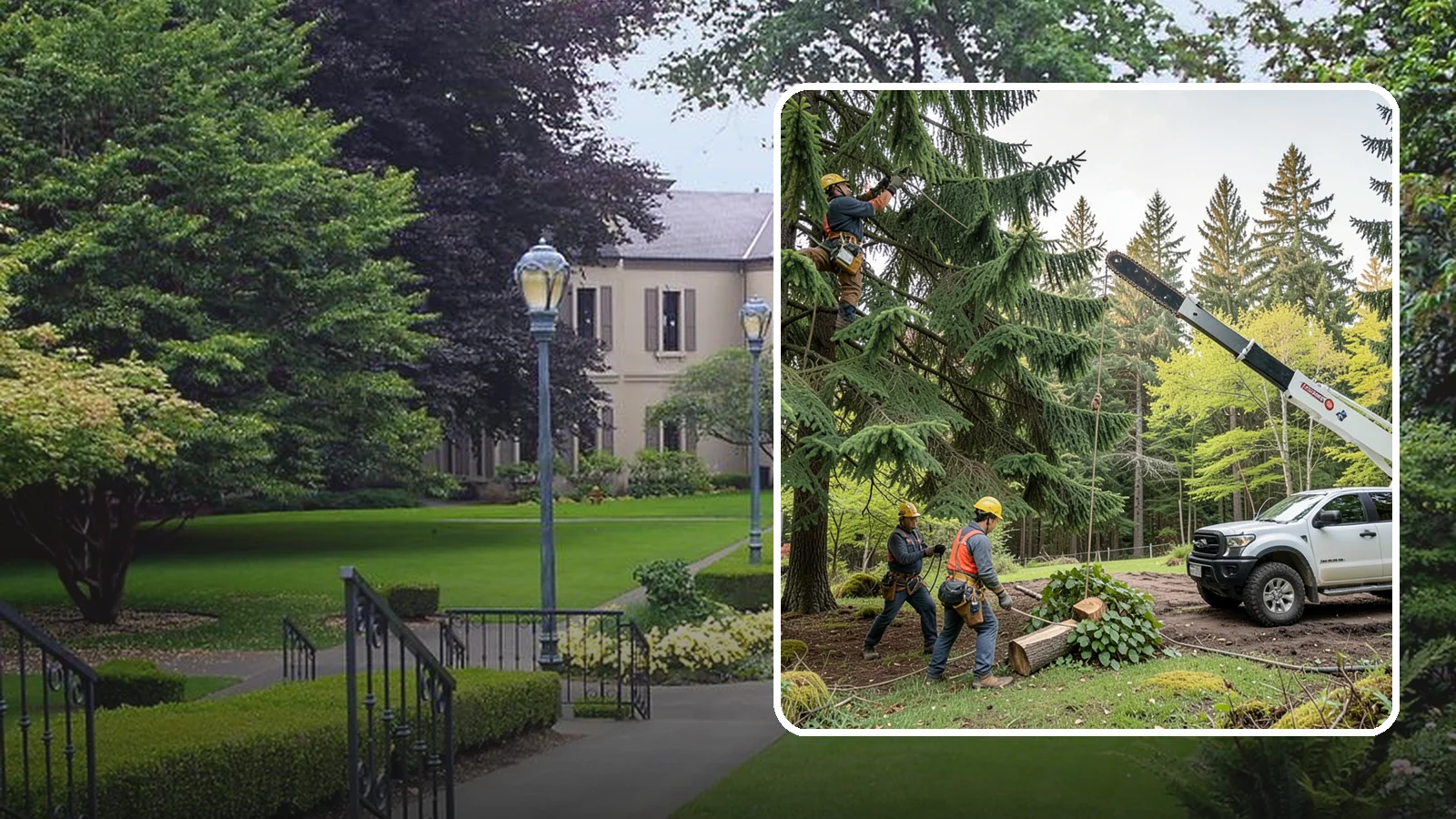
Woodinville Small Tree Removal
The removal of small or young trees.
A small tree that leans toward the house, drops dead branches, or has stopped leafing out with the rest of the yard is usually telling you something. Maybe it was planted too close to a wall, or a trunk wound never closed. Maybe you just want the space back.
Small trees are often easier to take down in sections with hand tools and rope. Before deciding, it helps to know what is wrong, what the removal needs, and when the ground is best suited to the work.
About Small Tree Removal in Woodinville
We specialize in taking down small or young trees that may be causing trouble on your property. Our trained crews work efficiently to clear these compact trees while keeping your home and landscape safe. This service is perfect for homeowners who need space opened up without the complexity of larger removal jobs.
What Woodinville Small Tree Removal Includes
Small tree removal focuses specifically on removing smaller, younger specimens from your yard or garden. The process includes carefully taking down limbs or felling the stem in a controlled sequence to ensure safety. We handle everything from rigging and lowering branches to processing wood and clearing debris so you are left with a clean site.
Woodinville Small Tree Removal Process
Our team starts by assessing hazards and establishing clear drop zones around your property before beginning work. Once safe access is confirmed, we use specific methods matched to the tree species and current ground conditions. After the tree comes down, we process the wood, haul away debris, and perform final cleanup to restore your area.
Equipment We Use for Woodinville Small Tree Removal
We utilize chainsaws and climbing gear to safely reach and remove branches from these smaller trees. Depending on site access needs, an aerial lift or crane may be brought in to assist with lowering limbs or stems. Additional tools like a wood chipper and ground protection mats help us work efficiently while protecting your landscaping.
Woodinville Small Tree Removal Safety & Best Practices
Safety is our priority as we maintain clear drop zones and identify any overhead utility lines before starting. We inspect every tree for hidden decay or structural defects that could change how it needs to be taken down. Our crew uses fall protection gear and maintains constant communication between climbers and ground workers throughout the job.
Signs You Need Small Tree Removal in Woodinville
You might need this service if a young tree is leaning unpredictably toward your house, fence, or power lines. Signs of hidden internal decay or limited space for equipment often indicate that professional removal is necessary to prevent accidents. If you notice pests spreading from one small tree to others nearby, removing the source can help protect your entire grove.
What Affects the Cost of Small Tree Removal in Woodinville
The price depends on factors like the specific size of the tree and how difficult it will be to access the site. Hidden issues such as internal decay or proximity to power lines may require specialized rigging techniques that affect pricing. Additionally, the complexity of processing and hauling away the debris plays a significant role in determining the final cost.
Best Time of Year for Woodinville Small Tree Removal
In our local climate, this work can generally be done at any time during the year for small trees. However, we exercise extra caution during wet seasons when soft ground makes equipment access harder and increases fall hazards. Planning your project outside of heavy rain periods ensures a safer environment for both our crew and your property.

Small tree removal in Woodinville: cause, timing and process
Most small trees come out for one of a few reasons: decline or death, structural defects such as a split trunk or a bad lean, poor placement, or damage from a past storm. A quick look at the base, the trunk and the crown usually shows which one applies. Fungus at the root flare, bark falling away, or no new growth in spring all point toward decline. If the tree is healthy and only in the wrong spot, removal is a choice, not an emergency.
Why the wet season matters
About 80% of Woodinville's yearly rain and snow falls from October to April, according to Daymet data for 2005 to 2025. That is a climate figure for the area, not a measure of any one yard. For a removal it means soil is often saturated for much of the year. Heavy footing and wet ground can rut a lawn, and a tree with a weakened root system can be less stable than it looks. If a tree is already leaning or declining, waiting through a wet winter is worth weighing. For a sound tree that simply needs to go, the drier months are gentler on the lawn and on access routes.
Local planting conditions
The USDA map from 2023 places Woodinville in plant hardiness zone 8b, with parts of the city ranging from 8b to 9a. That matters if you plan to replant. It tells you which replacement species are rated to handle typical winter lows here, so you can choose a tree suited to the spot after the old one is gone.
What the work looks like
A small tree is usually cut down in manageable pieces, starting from the top or from the outer limbs, with each section lowered or placed where it will not hit the house or fences. The trunk is then cut near the ground. Stump grinding is a separate step, so decide ahead whether you want it done.
The published rules we found for Woodinville don't spell out clearly which removals need city approval. So we check with the city before work starts. You can also call or text 425-484-4442 for a free estimate.
Woodinville tree conditions at a glance
| USDA hardiness zone | 8b (8b to 9a across the city) |
|---|---|
| Tree canopy | Among the most heavily treed Puget Sound cities (satellite data) |
| Slopes | Some steep slopes |
| Soils | 55% of land has hardpan or another restrictive layer within 40 in; most common series Alderwood |
| High and strong wind episodes, 2005-2025 | 33 in the forecast zone |
| Electric utility | Puget Sound Energy (PSE) |
Tree removal rules in Woodinville
Woodinville’s published rules don’t spell out clearly which removals need city approval. We check with the city before work starts.
Trees near the power line to your house
Puget Sound Energy (PSE): Service line (wire from PSE pole to home or meter pole): PSE does not trim it; homeowner/private arborist trims.
PSE performs a safety disconnection so the homeowner or private tree trimmer/arborist can work; Call at least 5 business days ahead to check crew availability and potential charges.
Safety disconnect: 1-888-321-7779 (5+ business days ahead). Utility page.
Any fee for a disconnect is set by the utility.
Strongest wind events near Woodinville
- Dec 17, 2010: gusts to 72 mph
- Feb 7, 2012: gusts to 70 mph
- Dec 14, 2006: gusts to 68 mph
NOAA Storm Events, forecast zone that includes Woodinville, 2005-2025.
Sources: Daymet daily weather (NASA/ORNL), NOAA Storm Events, USDA plant hardiness map 2023, NRCS soil survey, USGS elevation, WA DNR landslide inventory, USDA Forest Service aerial survey, WSDA, city tree assessments and street-tree inventories, SILVIS Lab, Arbor Day Foundation, and official city and utility pages.
Small Tree Removal Serving Woodinville
Woodinville


Also serving Woodinville
- Event & Seasonal Displays in Woodinvilleat Washington Landscaping
- Emergency Tree Removal in Woodinvilleat Washington City Services
- Storm Wood Processing in Woodinvilleat Washington Firewood