Where Safety Meets Expert Tree Service.


Woodinville Native Tree Planting
The planting of species native to the region.
Native tree planting suits Woodinville owners who have a bare corner, a thinning screen along a property line, or a spot left open after a removal. It also fits anyone who wants a tree that belongs in Pacific Northwest conditions rather than one that merely tolerates them.
Before choosing a species, look at how water behaves in that spot after a few days of rain. Note whether it pools, drains slowly, or dries quickly. That one observation will narrow your options more than almost anything else, and it is the first thing we ask about.
About Native Tree Planting in Woodinville
Native tree planting helps restore local ecology while adding privacy and shade to your property. This service is designed for homeowners who want healthy trees that are naturally suited to their site conditions. We use trained crews to ensure every new addition supports long-term resilience in the region.
What Woodinville Native Tree Planting Includes
Our work focuses on selecting and installing species native to Washington State to improve overall site health. The process includes preparing the soil, planting at the correct depth, and providing guidance for proper establishment. Every method is matched specifically to the tree type and your unique location conditions.
Woodinville Native Tree Planting Process
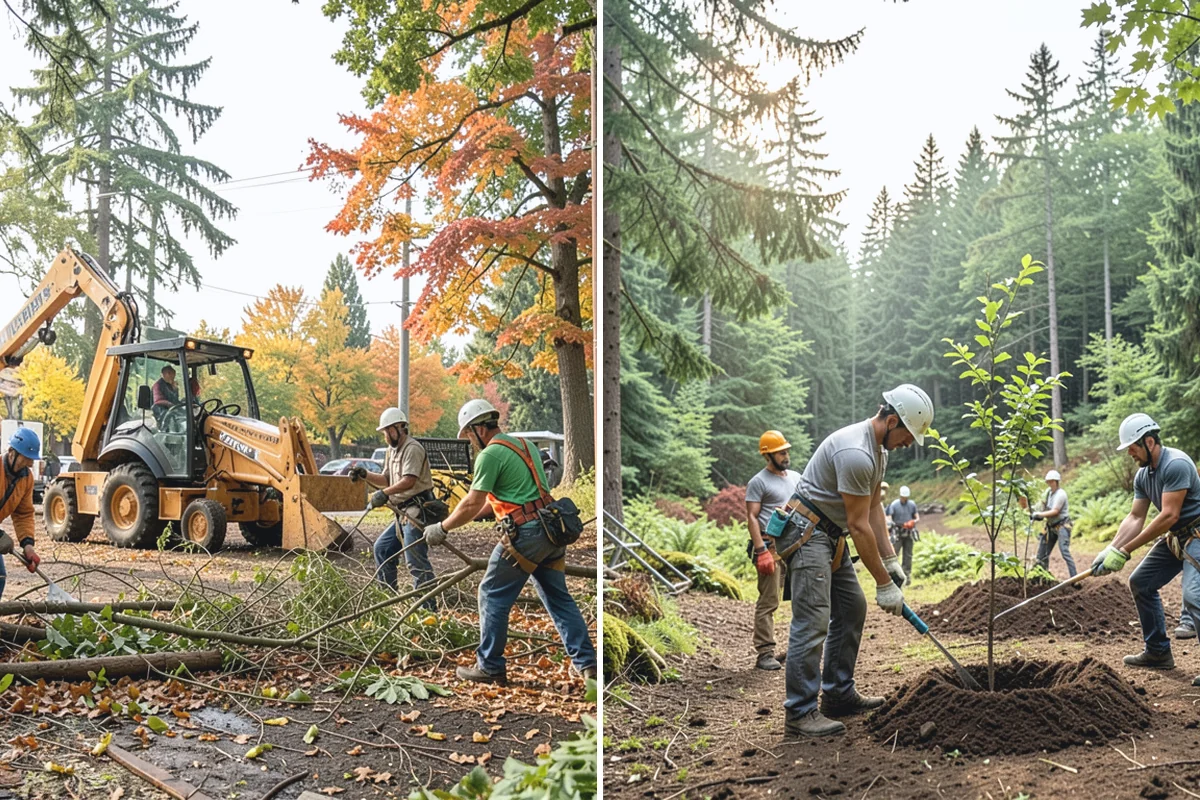
We begin by assessing your land to choose suitable trees that will thrive in local environments. After clearing and amending the area as needed, our crew plants each tree with care to protect its roots. Finally, we apply mulch and water before offering advice on how to keep your new planting healthy for years to come.
Equipment We Use for Woodinville Native Tree Planting
The job requires digging tools, watering equipment, and materials like soil amendments and mulch. We also bring staking supplies when necessary and ensure all crew members wear personal protective gear during the work. These resources allow us to handle different site conditions safely and effectively.
Woodinville Native Tree Planting Safety & Best Practices
Before any digging begins, we locate underground utilities to prevent damage or injury. Our team selects species that fit your space well to avoid future conflicts between roots and structures. We also take care not to harm existing root systems while handling the new trees for planting.
Signs You Need Native Tree Planting in Woodinville
You may need this service if you notice poor soil quality or compacted ground in your yard. Signs of improper past planting, such as shallow depth or unsuitable species choices, are another reason to call us. If you want to expand tree cover without risking transplant shock later on, native planting is a great option for you.
What Affects the Cost of Native Tree Planting in Woodinville
The price depends heavily on how accessible the site is and whether soil amendments are required. Choosing species that match your local conditions helps avoid extra costs related to poor growth or replacement needs. Additionally, ensuring proper depth and spacing during installation influences the overall investment in your project.
Best Time of Year for Woodinville Native Tree Planting
Planting works best when done during dormancy in late fall or early spring to reduce stress on the trees. We aim to schedule work before frozen ground sets in so roots can establish themselves properly. Specific timing must always align with the unique requirements of each native species we select for your landscape.
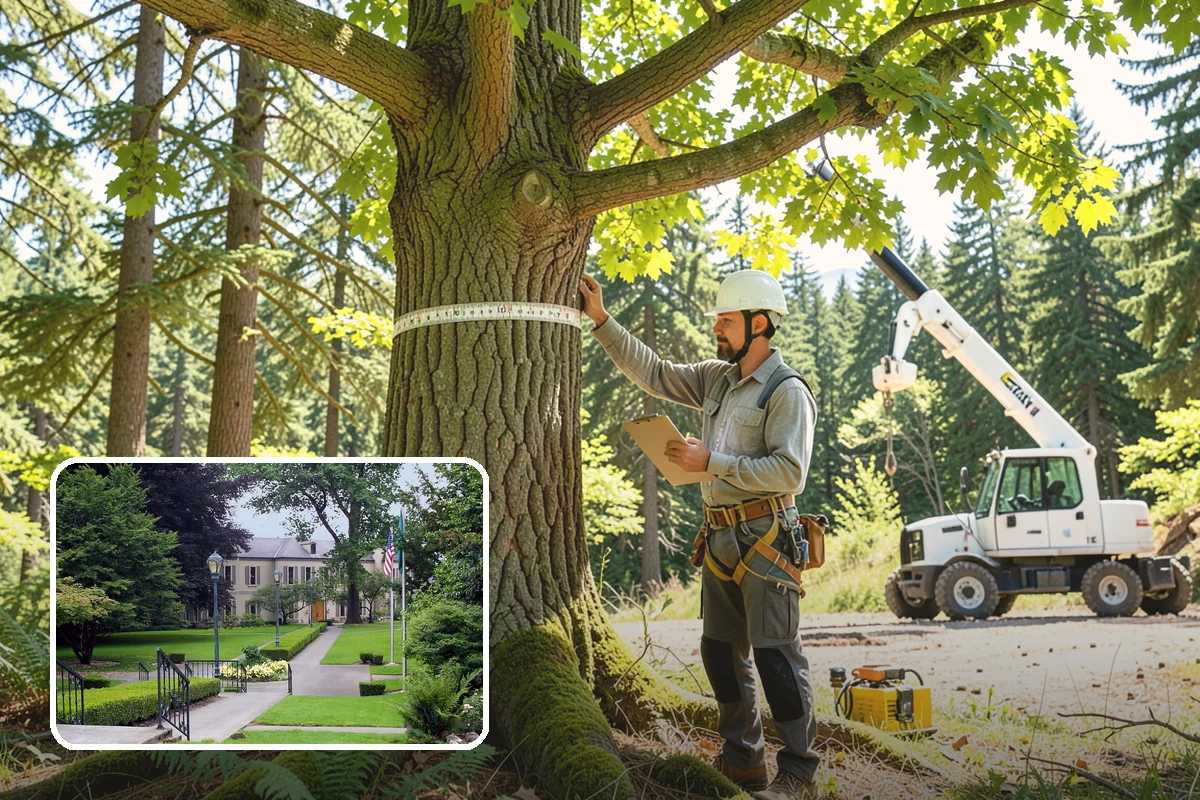
Choosing Native Trees for Woodinville Soil and Climate
Two local details shape most planting decisions here. The USDA hardiness map (2023) places Woodinville in zone 8b, with parts of the city running from 8b to 9a. That is a mild range, so winter cold rarely rules out a native species. Soil usually matters more.
The NRCS soil survey shows that 55% of the land in Woodinville has a hard or restrictive layer, such as glacial hardpan, within 40 inches of the surface. Alderwood is the most common soil series. This is survey data for the city as a whole, not a reading of your lot. But it tells us that water may sit above a dense layer in wet months, so we check your site before settling on a tree.
Options to weigh
- Moisture-tolerant natives such as red alder or western redcedar are worth considering where water lingers in winter and the ground drains slowly.
- Natives that prefer better drainage such as Douglas-fir suit spots that shed water, or sites where the planting area can be raised or the ground prepared to drain.
- Smaller native trees such as vine maple fit tighter yards and can work beneath existing canopy, where a large conifer would not.
Which approach fits depends on the wet-spot test from above, available light, and how much room the mature tree will have. Planting a large species near a house, driveway or power line is a common mistake. We talk through mature size with you before anything goes in the ground.
After planting
If a young tree needs a stake, it should come off within about a year. The WSU Extension Pacific Northwest Gardener's Handbook warns that ties left in place can girdle the trunk. Check them each season.
Woodinville is a current Tree City USA, recognized by the Arbor Day Foundation for 30 years. Planting itself is not a removal, but if your project involves taking out an existing tree first, we check with the city before work starts. Call or text 425-484-4442 for a free estimate.
Woodinville tree conditions at a glance
| USDA hardiness zone | 8b (8b to 9a across the city) |
|---|---|
| Soils | 55% of land has hardpan or another restrictive layer within 40 in; most common series Alderwood |
| Rain and snow falling October to April | 80% of the year’s total |
| Days that freeze at night and thaw by day | 32 a year |
| Tree City USA | 30 years |
Tree removal rules in Woodinville
Woodinville’s published rules don’t spell out clearly which removals need city approval. We check with the city before work starts.
Sources: Daymet daily weather (NASA/ORNL), NOAA Storm Events, USDA plant hardiness map 2023, NRCS soil survey, USGS elevation, WA DNR landslide inventory, USDA Forest Service aerial survey, WSDA, city tree assessments and street-tree inventories, SILVIS Lab, Arbor Day Foundation, and official city and utility pages.
Native Tree Planting Serving Woodinville
Woodinville
Also serving Woodinville
- Garden Bed Installation in Woodinvilleat Washington Landscaping
- Municipal Weed Abatement in Woodinvilleat Washington City Services