Where Safety Meets Expert Tree Service.

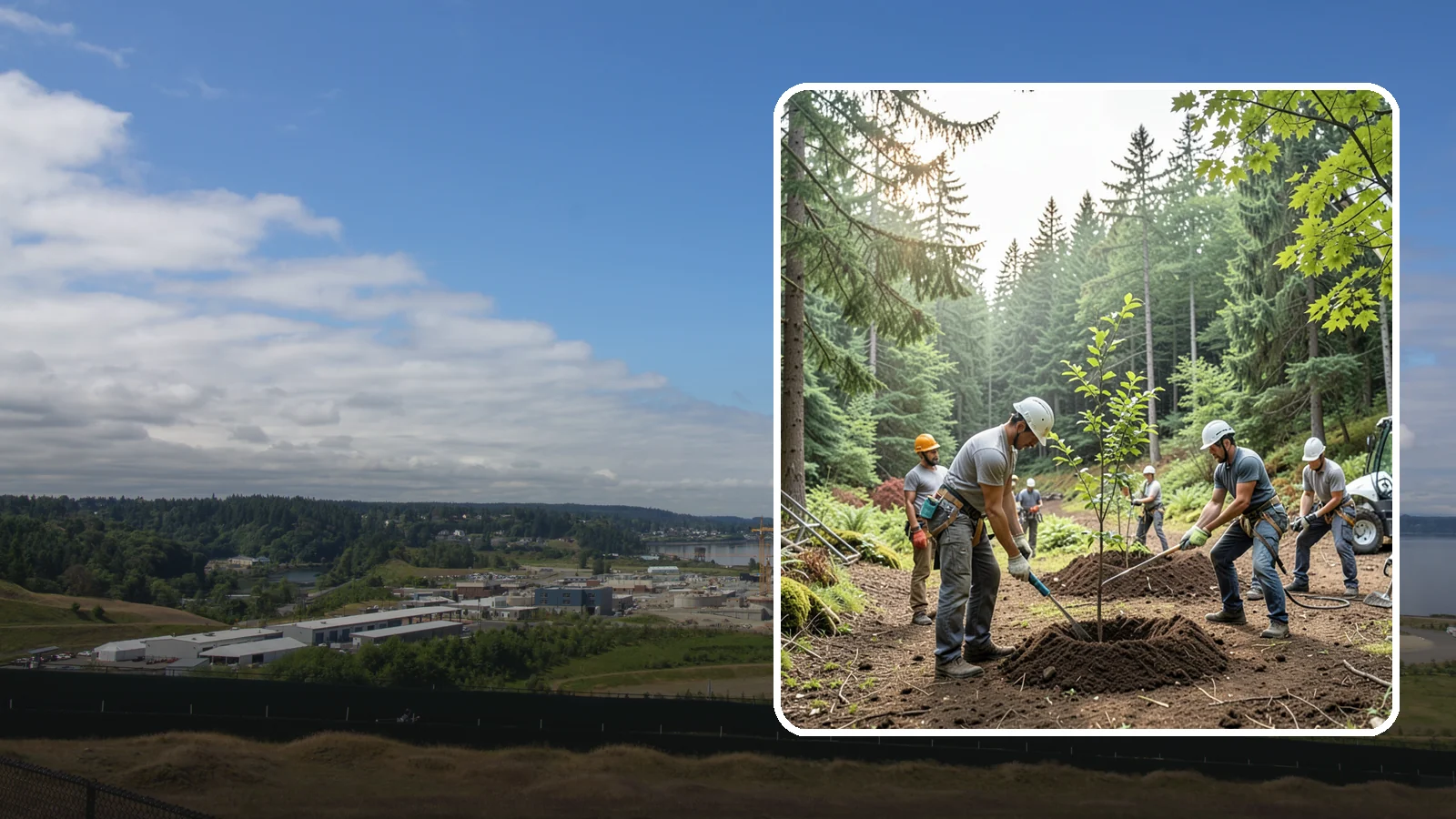
University Place Tree Planting
The selection and planting of new trees.
This page is for University Place owners who have an empty spot in the yard, a removed tree to replace, or a new lot with no shade yet. The best time to plan is before you buy anything, because the choice of tree and the way it goes in will matter for decades.
Start by walking the site. Note where overhead wires run, where the lawn stays wet, and how much open sky you have. Those three observations narrow the list of suitable trees quickly, and they shape how deep and wide the planting hole should be.
About Tree Planting in University Place
Our tree planting services help homeowners establish new greenery that fits their property perfectly. We work with you to bring healthy trees suited to your specific location for long-term benefit. This project is ideal if you want to expand your shade or improve the ecology of your yard.
What University Place Tree Planting Includes
Tree planting involves carefully selecting and placing new trees where they will thrive best. Our trained crews use methods matched to each tree species, site conditions, and access points. The goal is always to establish healthy trees that support privacy, screening, and a richer environment for wildlife.
University Place Tree Planting Process
We begin by assessing your site conditions to choose the right species before preparing the soil. Once ready, we plant at the correct depth and spacing, then add mulch and water in each tree. Finally, we provide guidance on establishment care to ensure your new trees get off to a strong start.
Equipment We Use for University Place Tree Planting
Our crews utilize digging tools, watering equipment, and staking materials as needed for every job. We also bring soil amendments and fresh mulch to support the health of newly planted specimens. All work is done with personal protective equipment to keep our team safe throughout the project.
University Place Tree Planting Safety & Best Practices
Before any digging begins, we locate underground utilities to prevent damage or injury during installation. We select species suited to your site to avoid future conflicts between roots and structures. Planting at the proper depth and handling trees gently protects their root systems from harm.
Signs You Need Tree Planting in University Place
You may need this service if you want to restore tree cover lost over time or create new shade areas. It is also a great choice when aiming to improve privacy, screening views, or enhancing your site ecology. Establishing healthy trees suited to the location helps ensure these benefits last for years to come.
What Affects the Cost of Tree Planting in University Place
The price of planting depends on how difficult it is to access your specific site conditions. Costs are influenced by whether soil amendments are needed for poor or compacted ground and which tree species you choose. Necessary staking materials also play a role in the final cost based on what each project requires.
Best Time of Year for University Place Tree Planting
In our Pacific Northwest climate, planting works best during dormant seasons to minimize transplant shock for most trees. While evergreens can often be planted year-round with proper care, timing is key to reducing stress on new specimens. We will help you choose a season that gives your new trees the best chance to establish themselves successfully.

Planting options and soil in University Place
Owners usually choose between three approaches: a small container tree, a larger balled-and-burlapped tree, or a bare-root tree planted in the dormant season. Each can work here. Local soil is what tips the choice.
What the local soil means
The NRCS soil survey shows that 56% of University Place land has a hard or restrictive layer, such as glacial hardpan, within 40 inches of the surface. Alderwood is the most common soil series. That is survey data for the city as a whole, not a reading of your yard. Still, it means water can sit on top of that layer after heavy rain, and roots may struggle to go deeper. Digging a test hole and watching how fast it drains is a simple way to find out what you have.
How the options compare
- Container trees: smaller, easier to handle, and they tend to settle in without much fuss on tight or sloped sites.
- Balled-and-burlapped trees: give you more size at planting, but the heavy root ball needs a properly sized hole and careful setting at the right height.
- Bare-root trees: lower in weight and good for planting while dormant, but they need quick planting and steady watering afterward.
Where drainage is poor, a smaller tree, a wide shallow hole, and species that tolerate wet winters are standard choices. Planting too deep is a common mistake. The root flare should sit at or just above grade.
Before you dig
Call 811 at least two business days before digging a planting hole, as the WSU Extension Pacific Northwest Gardener's Handbook advises. Buried lines are easy to hit.
University Place is a current Tree City USA, recognized by the Arbor Day Foundation for 26 years, so tree care is a local priority. The city sits in USDA zone 8b, with parts of it from 8b to 9a, which gives you a wide range of species to choose from. Our ISA Certified Arborist can help match a tree to your site; call or text 425-484-4442 for a free estimate.
University Place tree conditions at a glance
| USDA hardiness zone | 8b (8b to 9a across the city) |
|---|---|
| Soils | 56% of land has hardpan or another restrictive layer within 40 in; most common series Alderwood |
| Rain and snow falling October to April | 83% of the year’s total |
| Days that freeze at night and thaw by day | 36 a year |
| Tree City USA | 26 years |
Tree removal rules in University Place
Tree Removal Permit required to cut or remove six or more trees in any consecutive 36-month period; 'limited tree removal' (five trees or less in 36 consecutive months) is exempt with City notification, except in landslide/erosion hazard areas, fish & wildlife habitat areas or buffers, and wetlands/buffers. Permit application submitted with building/development/land-use permit.
Regulated size: 'Tree' = 6 inches DBH or more (measured 4.5 ft above ground).
Official city source. Rules change; we confirm with the city before work starts.
Sources: Daymet daily weather (NASA/ORNL), NOAA Storm Events, USDA plant hardiness map 2023, NRCS soil survey, USGS elevation, WA DNR landslide inventory, USDA Forest Service aerial survey, WSDA, city tree assessments and street-tree inventories, SILVIS Lab, Arbor Day Foundation, and official city and utility pages.
Tree Planting Serving University Place
University Place
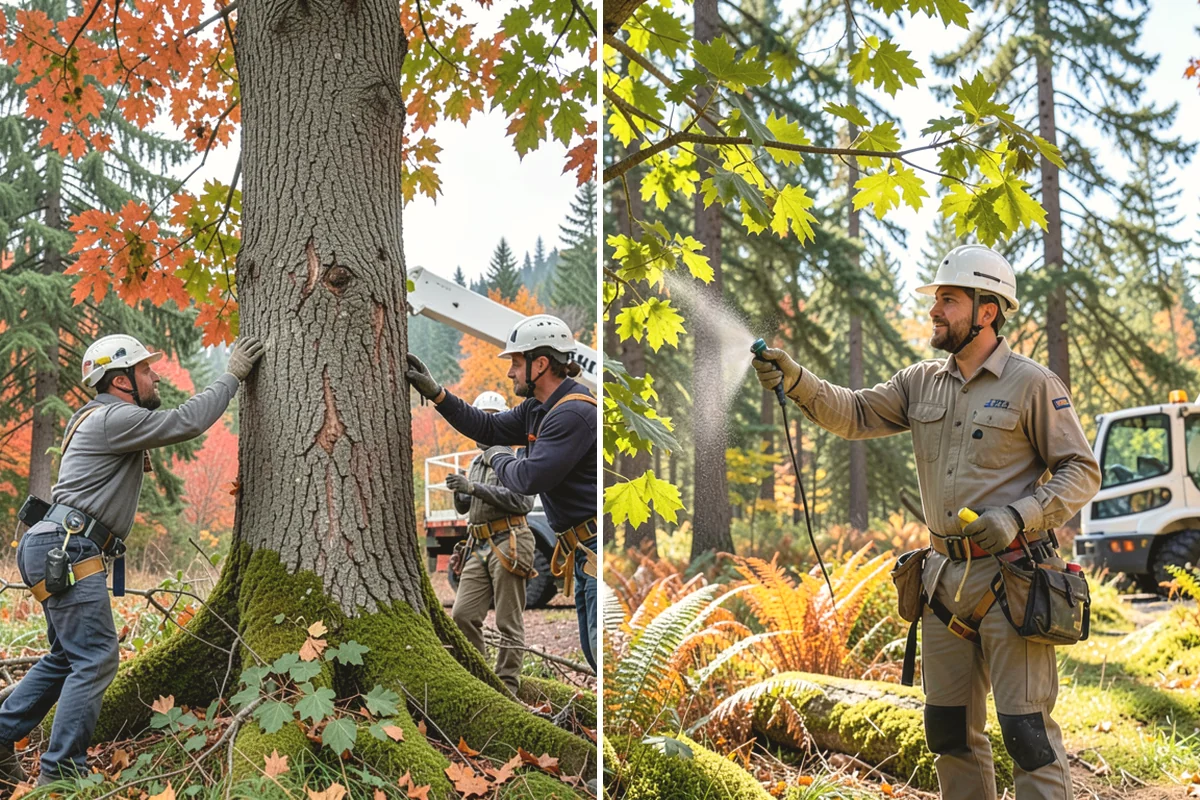

Tree planting in nearby areas
Also serving University Place
- Seasonal Color Rotation in University Placeat Washington Landscaping
- Gateway & Entry Landscaping in University Placeat Washington City Services