Where Safety Meets Expert Tree Service.

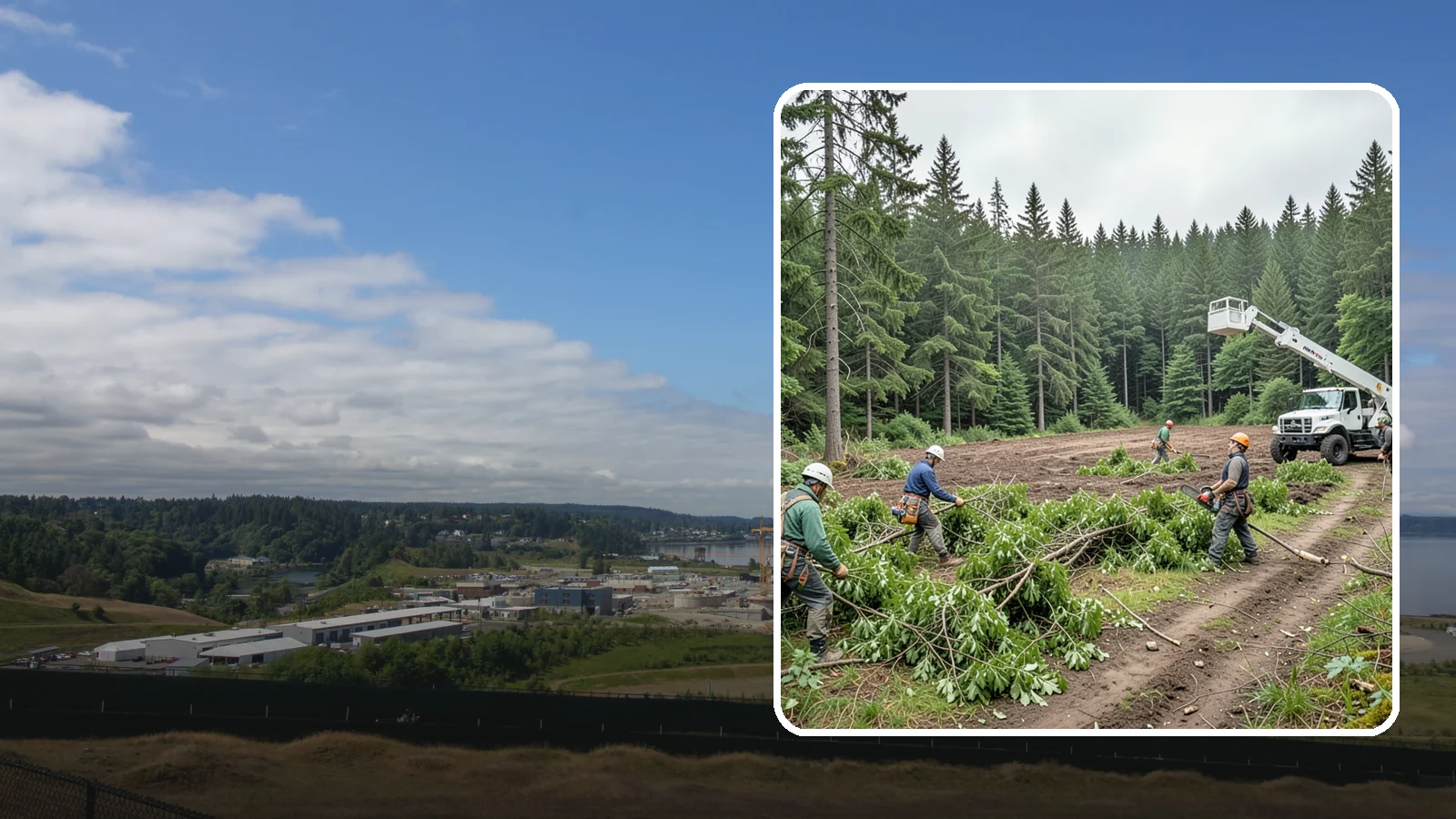
University Place Trail Clearing
The clearing and maintenance of trails and paths.
Trail clearing is for owners of larger lots, wooded back acreage, or shared green space who have a path that has gone faint, overgrown, or blocked by fallen limbs. It also suits anyone who wants to cut a new walking route through trees and brush.
The right approach depends on what is growing along the route, how steep the ground is, and how you plan to use the trail. Below we compare the main options so you can decide how much work your path needs before anyone starts cutting.
About Trail Clearing in University Place
Our trail clearing service helps keep your paths safe, passable, and ready for use throughout the property. We work closely with homeowners who want clear access while managing overgrown vegetation on their land. This approach ensures that trails remain functional without compromising nearby trees or features.
What University Place Trail Clearing Includes
Trail clearing focuses specifically on maintaining existing trails and paths to ensure they are safe for travel. The process includes removing dense growth, controlling invasive species, and preparing the ground as needed. We match our methods to local tree conditions and site accessibility to deliver effective results.
University Place Trail Clearing Process
Our trained crews begin by assessing your specific site and marking important features that must be protected during work. Vegetation is then cleared in a planned sequence to maintain stability while removing debris responsibly. Finally, we grade or tidy the area as required before hauling equipment leaves the property with all waste materials.
Equipment We Use for University Place Trail Clearing
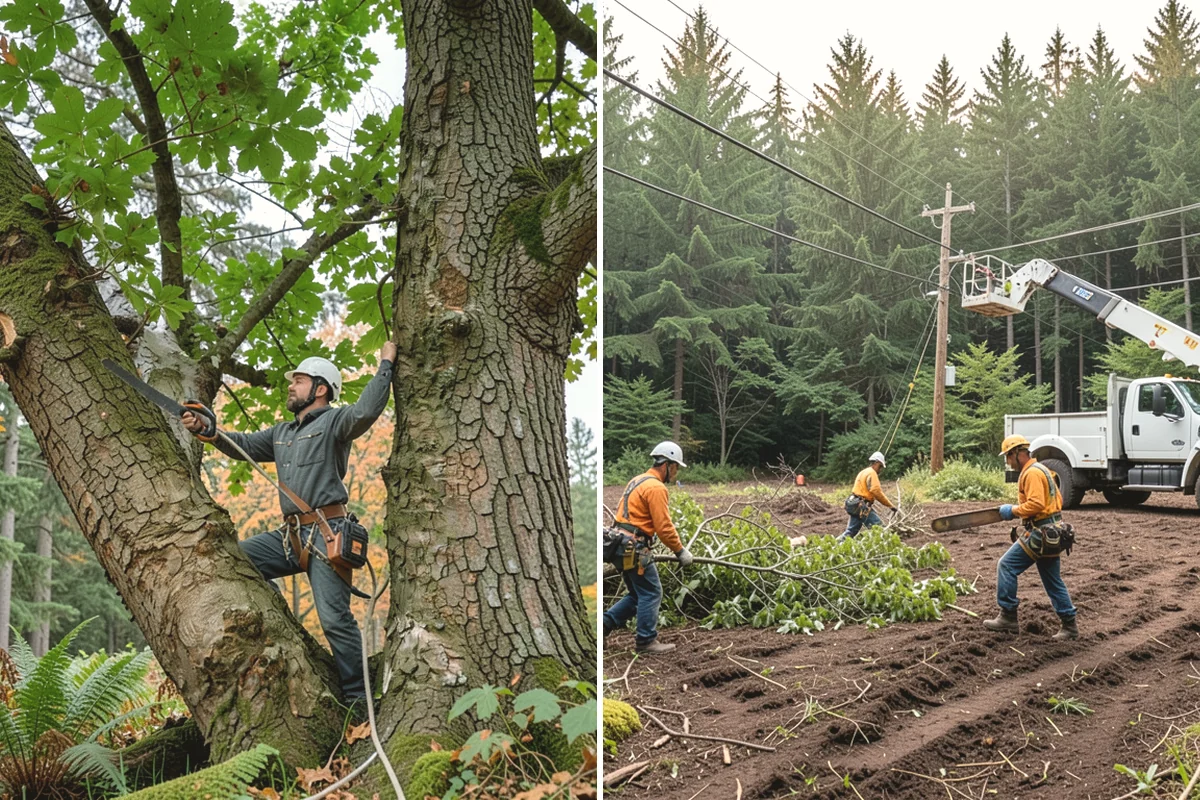
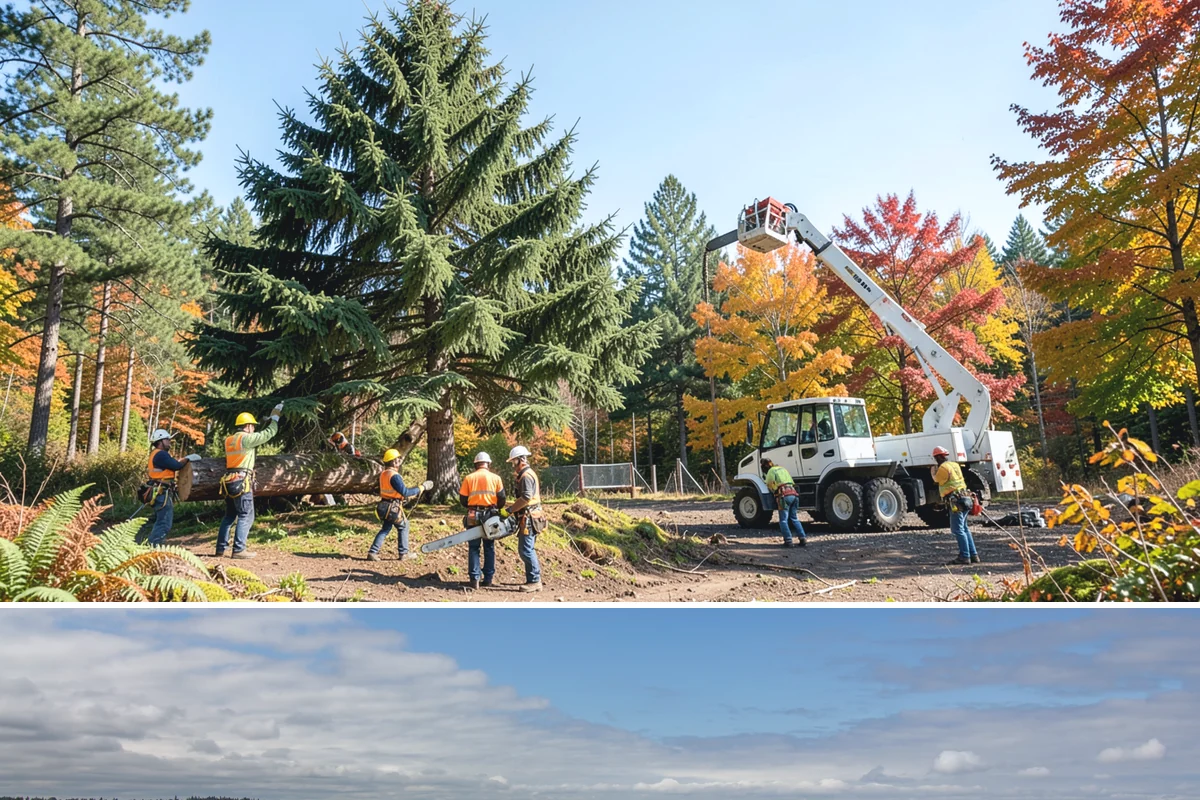
We utilize brush cutters, chainsaws, chippers, and hand tools tailored to the specific vegetation on your site. Hauling equipment is brought in only when ground conditions allow for safe transport over uneven terrain. All crew members wear personal protective gear while operating these machines or using manual tools.
University Place Trail Clearing Safety & Best Practices
Safety starts with identifying property lines, utility locations, and any features that need retention before work begins. Our team stays alert to uneven terrain and hidden obstacles that could create hazards during clearing operations. We take extra care to protect retained trees and their root zones while managing debris to prevent accidents.
Signs You Need Trail Clearing in University Place
You may need trail clearing if you notice dense or thorny growth blocking your usual paths along the property. Signs of invasive species regrowing quickly, uneven ground becoming impassable, or wet areas causing access issues are also indicators. If protected features like trees or structures require careful navigation around overgrown sections, this service is appropriate for you.
What Affects the Cost of Trail Clearing in University Place
The final cost depends on how dense and thorny the vegetation is across your specific trail system. Factors such as invasive species regrowth rates and uneven or wet terrain conditions will influence the time required to complete the job. Additionally, any special measures needed to protect site features during clearing are taken into account when determining pricing.
Best Time of Year for University Place Trail Clearing
Scheduling work for trail clearing should consider local rainfall patterns that might make hauling equipment difficult on your property. We aim to begin projects only when ground conditions allow our vehicles and machinery to access uneven or wet terrain safely. Planning around these seasonal factors ensures efficient completion while minimizing disruption to your land use.

Trail clearing options for University Place properties
Most trail jobs fall into one of three approaches. Each fits different ground and different goals.
- Light brush and limb clearing: cutting back ferns, blackberry, and low branches along an existing path. It suits a trail that is still easy to follow.
- Full corridor clearing: removing brush, small stems, and fallen debris to open a wider, taller passage. It suits a path that has disappeared or must carry wheelbarrows or mowers.
- New route layout: walking the land first, then marking a path that avoids large trees, wet spots, and steep pitches before any cutting begins.
What local conditions favor
About 21% of University Place's land has dense tree cover, meaning 50% canopy or more, according to satellite data. That is a citywide figure, not a reading of your lot. Still, if your property sits in a heavily wooded pocket, expect shade-loving undergrowth to return quickly. A wider corridor with more light reaching the ground can mean less regrowth to cut back.
USGS elevation data shows University Place has some steep slopes, though fewer than the hilliest Puget Sound cities. On a sloped route, a trail that runs across the hillside at a gentle grade usually holds up better than one that runs straight downhill, where water can channel and wear the surface. On flatter ground, the main concern is drainage, so low spots may need rerouting rather than clearing.
The city has 43 parks and nature reserves covering about 219 hectares, per OpenStreetMap. If your trail meets or runs beside public land, tell us. We would confirm the property line first and check with the city before work starts if anything is unclear.
Where a route passes near a large tree, we prune or reroute instead of cutting into roots. A walk-through with an ISA Certified Arborist on staff is a good first step. Call or text 425-484-4442 to set up a free estimate.
University Place tree conditions at a glance
| Homes in the wildland-urban interface | 0% |
|---|---|
| Land under dense tree cover (50%+ canopy) | 21% |
| Slopes | Some steep slopes |
| Landslides mapped by WA DNR | 22 |
| Rain and snow falling October to April | 83% of the year’s total |
Tree removal rules in University Place
Tree Removal Permit required to cut or remove six or more trees in any consecutive 36-month period; 'limited tree removal' (five trees or less in 36 consecutive months) is exempt with City notification, except in landslide/erosion hazard areas, fish & wildlife habitat areas or buffers, and wetlands/buffers. Permit application submitted with building/development/land-use permit.
Regulated size: 'Tree' = 6 inches DBH or more (measured 4.5 ft above ground).
Official city source. Rules change; we confirm with the city before work starts.
Tree health near University Place
- Decline, cause not identified582 ac
- Douglas-fir beetle534 ac
- Douglas-fir engraver28 ac
Forest damage mapped from the air within 10 km of University Place, 2021-2025 (USDA Forest Service and WA DNR). This covers forest land, not street or yard trees. “Decline, cause not identified” is dieback with no single cause found.
Sources: Daymet daily weather (NASA/ORNL), NOAA Storm Events, USDA plant hardiness map 2023, NRCS soil survey, USGS elevation, WA DNR landslide inventory, USDA Forest Service aerial survey, WSDA, city tree assessments and street-tree inventories, SILVIS Lab, Arbor Day Foundation, and official city and utility pages.
Trail Clearing Serving University Place
University Place
Trail clearing in nearby areas
Also serving University Place
- Debris Removal in University Placeat Washington Landscaping
- Debris Removal in University Placeat Washington Construction
- Herbicide Application in University Placeat Washington City Services
- Firewood Hauling in University Placeat Washington Firewood