Where Safety Meets Expert Tree Service.

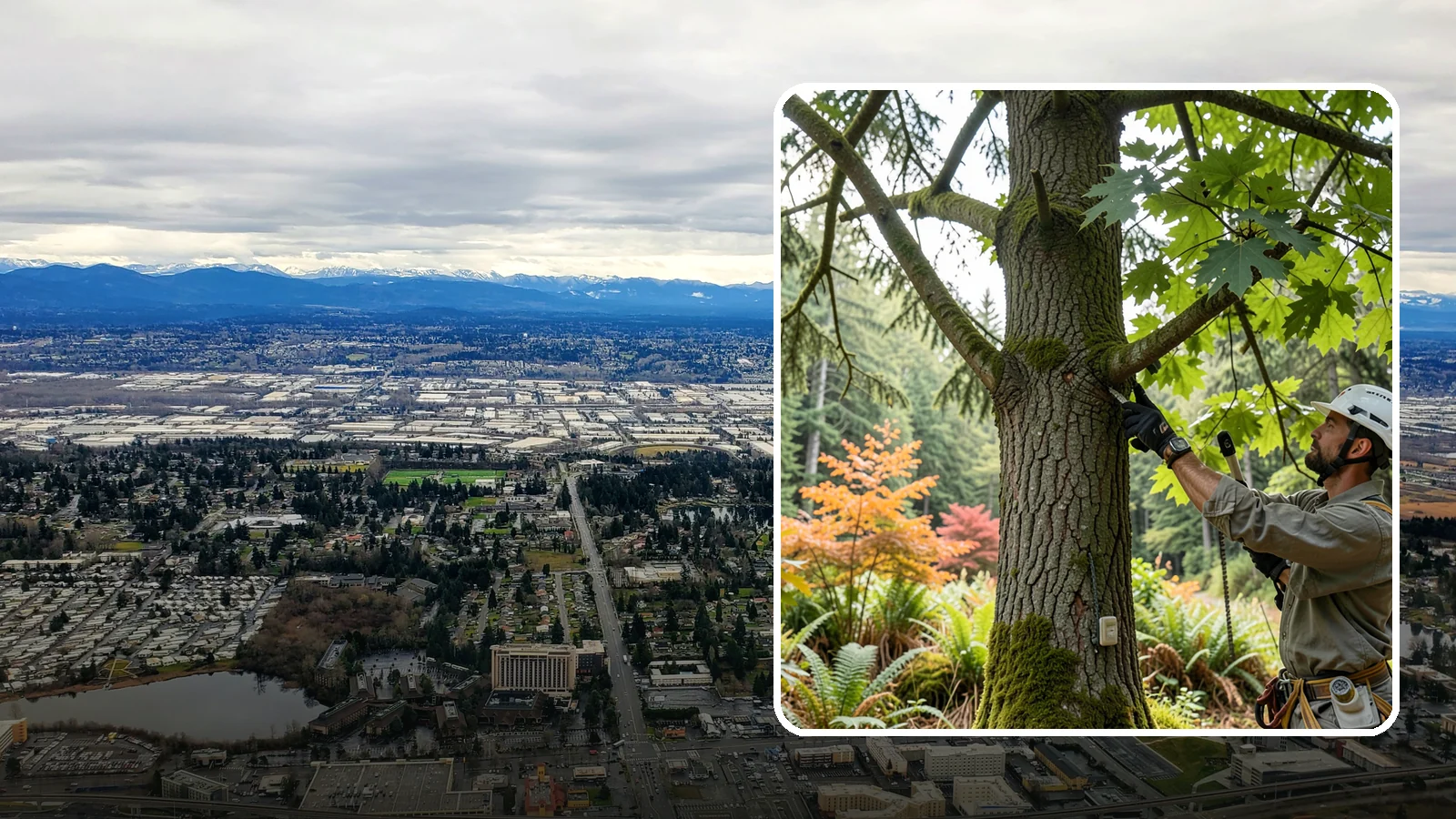
SeaTac Tree Health Inspection
A professional evaluation of a tree’s overall condition.
The best time to look closely at a tree is often late spring through early fall, when leaves are fully out and weak or thinning areas of the crown are easy to see. In SeaTac, 83% of the year's rain and snow falls from October to April, according to Daymet data for 2005-2025. A tree that looks sparse in summer has usually been through a long wet season.
A health inspection works best when you can point to a reason: thin foliage, dead branches, odd growth at the base, or a tree you simply want checked. Note what you see and when it started.
About Tree Health Inspection in SeaTac
A tree health inspection offers a professional look at your trees’ overall condition to help keep them safe and strong for years to come. This valuable check-up is designed specifically for homeowners who want to catch potential issues before they become serious problems. It serves as the first step in creating a customized care plan that supports long-term stability and life extension for valued specimens.
What SeaTac Tree Health Inspection Includes
Tree health inspection provides an expert evaluation of your trees’ current status, focusing on identifying early warning signs of trouble. Our trained crews follow recognized arboricultural standards to assess soil quality, root structure, pest presence, and disease indicators while matching methods to each tree’s specific species and site conditions. The goal is to clearly identify contributing factors like compacted soils or girdling roots so you can guide an effective care plan forward.
SeaTac Tree Health Inspection Process
Our team begins by carefully inspecting the tree within its surrounding environment to understand how soil, pests, or past construction might be affecting it. Once we have identified these issues, we recommend and apply appropriate treatments while documenting our findings for your records. We ensure that follow-up care is planned based on accurate documentation of conditions found during the initial visit.
Equipment We Use for SeaTac Tree Health Inspection
To get a complete picture, we utilize diagnostic tools along with soil probes and sampling kits to examine what lies beneath the surface. Depending on access needs or wet season conditions, our crews may bring air excavation tools to gently assess root zones without causing damage. We also use specialized injection equipment for treatments while wearing necessary personal protective gear throughout the workday.
SeaTac Tree Health Inspection Safety & Best Practices
During any inspection involving products, we strictly follow label instructions and application guidelines to ensure everyone remains safe. Our methods are designed to protect your soil and surrounding plantings while avoiding accidental damage to roots or trunks during our visit. We take great care to document all conditions accurately so that future treatments remain effective without risking the tree’s health.
Signs You Need Tree Health Inspection in SeaTac
You may need this service if you notice signs of decline caused by poor soils, pests, disease, or changes in ground grade from past construction. Girdling roots and other hidden issues often go unnoticed until a professional evaluation reveals them early enough to prevent escalation. If your trees have experienced stress from environmental shifts or nearby development, an inspection can help determine the best path forward for their recovery.
What Affects the Cost of Tree Health Inspection in SeaTac
The investment for this service varies based on several factors including the specific species of tree being evaluated and the complexity of diagnosing soil issues. Site conditions such as difficult access requirements will also influence how much time and resources are needed to complete a thorough assessment. Additionally, identifying pests or diseases requires specialized attention that impacts the overall cost structure of your care plan.
Best Time of Year for SeaTac Tree Health Inspection
In our Puget Sound climate, you can schedule this inspection at any point throughout the year since trees remain active in most seasons. However, during wetter periods, we may need to use air excavation tools specifically to effectively assess root zones without getting bogged down by mud or water. Planning your visit allows us to choose the right timing and equipment for clear results regardless of current weather patterns.
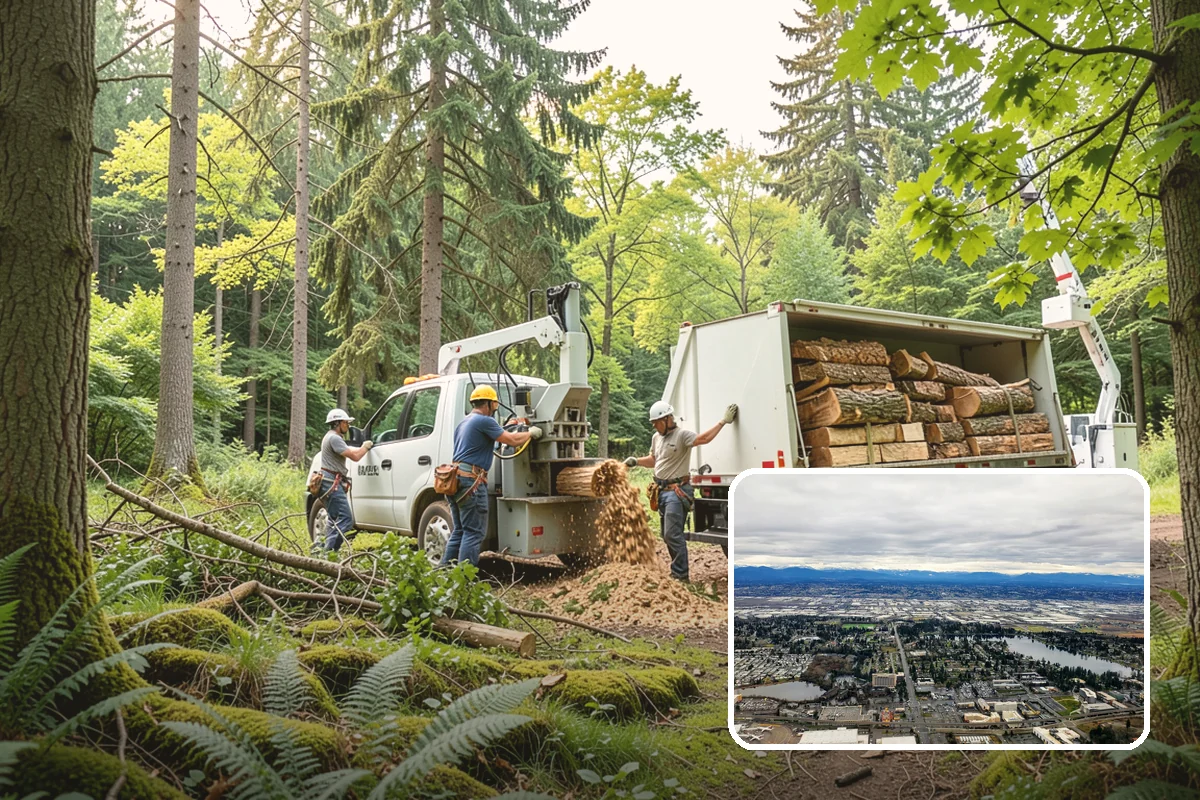
Planning a tree health inspection in SeaTac
Start by walking around the tree and taking a few photos. Look at the crown, the trunk and the ground at the base. Note any dead twigs, early leaf drop, cracks, fungus, or soil that has heaved up. Photos from different months help show whether a change is new or slow.
What affects the scope
The size of the tree, how many trees you want checked, and what is under or beside them all shape the visit. A tree over a driveway or near a house needs more attention to its structure than one in an open corner of the lot.
One structural sign matters at the base. The WSU Extension Pacific Northwest Gardener's Handbook lists lack of trunk taper, or reverse taper at ground level, as a defect. A trunk should flare out where it meets the ground. If yours goes straight down or narrows near the soil, mention it when you call.
You may hear about dieback in regional forests. A 2021-2025 aerial survey by the USDA Forest Service and WA DNR mapped 86 acres of "decline, cause not identified" in forest within 10 km of SeaTac, mostly Pacific madrone and western redcedar. That term means dieback with no single cause found. It covers forest land, not street or yard trees, so it says nothing about your tree. It does show that decline can be hard to pin on one thing, which is why a hands-on look matters.
What to expect on the day
An ISA Certified Arborist examines the crown, trunk, root flare and surrounding soil, and talks through what they find. Expect questions about the tree's history, recent construction, and any changes you have noticed. You get a plain explanation of whether the tree needs monitoring, care, or further work. If removal comes up, we check with the city before any work starts.
Practical tip: mark the spot where you first noticed a problem with a stake or ribbon, and take a photo from the same place each month.
SeaTac tree conditions at a glance
| USDA hardiness zone | 9a |
|---|---|
| Rain and snow falling October to April | 83% of the year’s total |
| Days with 0.1 in or more of rain | 109 a year |
| Days that freeze at night and thaw by day | 28 a year |
Most common street trees in SeaTac
- Douglas Fir12.8%
- Callery Pear12.0%
- Columnar Beech8.6%
- Sweetgum5.5%
- Littleleaf linden5.4%
- Maple (Species)5.1%
Share of 1,624 trees in the city’s street-tree inventory; median trunk diameter 13.5 in, 17.3% at 24 in or wider.
Tree health near SeaTac
Japanese beetle (WSDA 2026): 843 beetles caught in WSDA traps, 2026.
Japanese beetle (WSDA 2026): First WSDA Japanese beetle treatments in Western Washington ("South King County Treatment Area" around SeaTac).
- Decline, cause not identified86 ac
Forest damage mapped from the air within 10 km of SeaTac, 2021-2025 (USDA Forest Service and WA DNR). This covers forest land, not street or yard trees. “Decline, cause not identified” is dieback with no single cause found.
Sources: Daymet daily weather (NASA/ORNL), NOAA Storm Events, USDA plant hardiness map 2023, NRCS soil survey, USGS elevation, WA DNR landslide inventory, USDA Forest Service aerial survey, WSDA, city tree assessments and street-tree inventories, SILVIS Lab, Arbor Day Foundation, and official city and utility pages.
Tree Health Inspection Serving SeaTac
SeaTac
Tree health inspection in nearby areas
Also serving SeaTac
- Shrub Pruning in SeaTacat Washington Landscaping
- Bark Installation in SeaTacat Washington City Services