Where Safety Meets Expert Tree Service.

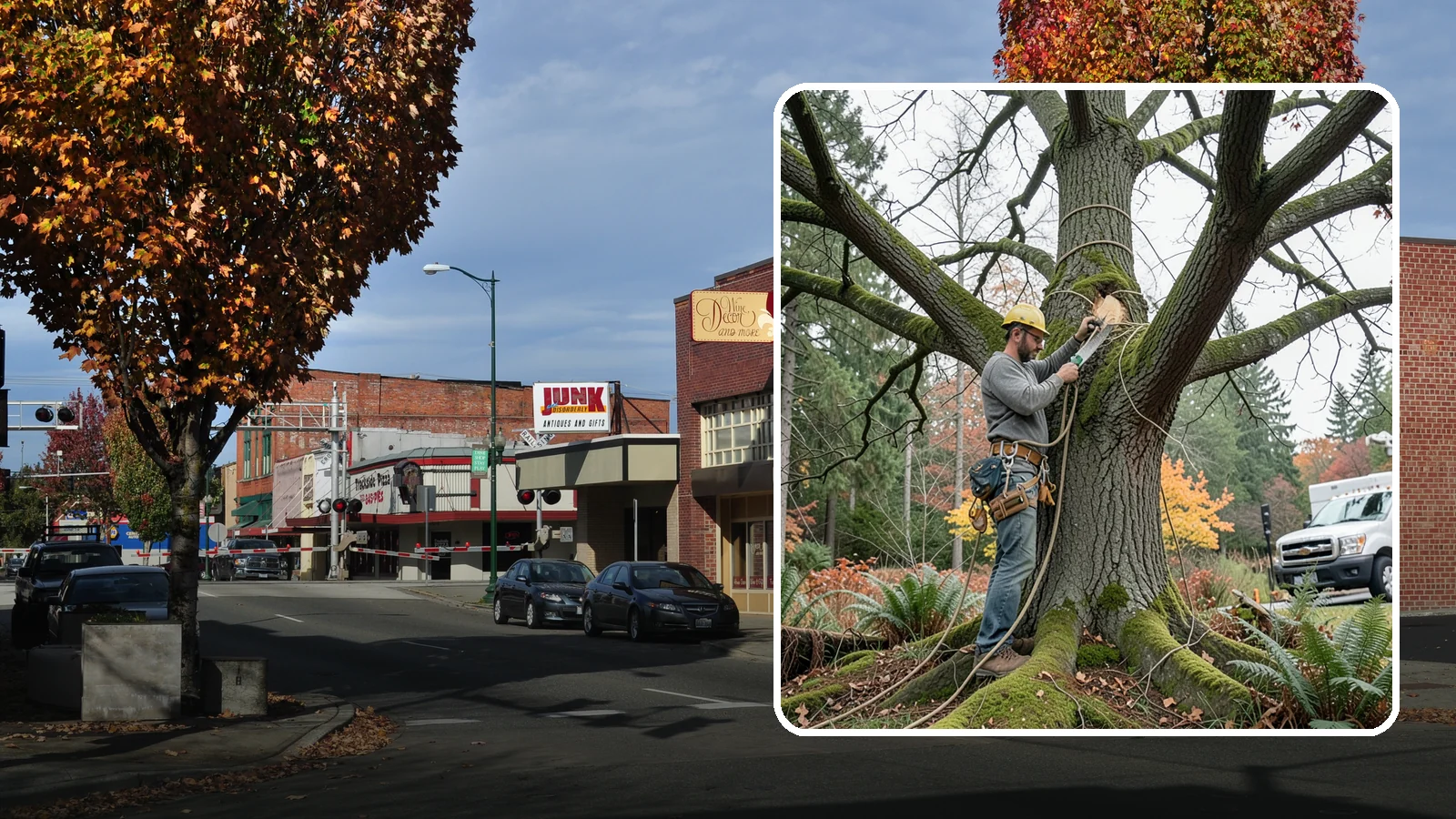
Puyallup Seasonal Pruning
Pruning timed to a tree’s seasonal cycle.
In Puyallup, about 81% of the year's rain and snow falls from October to April, according to Daymet records for 2005 to 2025. That is the same stretch when most trees are dormant, so the timing of your pruning matters as much as the cuts themselves.
Seasonal pruning means matching each tree to the right time of year. Some trees do best with a dormant-season cut. Others should wait until after they flower. A short walk around your yard with a list of what you own is a good first step.
About Seasonal Pruning in Puyallup
Seasonal pruning is a thoughtful way to care for your trees by working in rhythm with their natural growth cycles. This service helps maintain the health and structure of your landscape while keeping branches clear where they matter most. It is designed specifically for homeowners who want long-term vigor without unnecessary stress on their plants.
What Puyallup Seasonal Pruning Includes
We perform pruning timed to match each tree species’ seasonal needs, focusing on proper cuts that support overall health. Our crews follow recognized arboricultural standards and tailor methods to your specific site conditions and the type of trees you have. The goal is always to improve structure and appearance while reducing risks like branch failure or interference with nearby structures.
Puyallup Seasonal Pruning Process
We begin by assessing your canopy condition and defining clear pruning objectives for each tree. Trained professionals select the correct cuts based on species requirements, making clean incisions at proper points without removing too much live tissue. Afterward, we carefully lower cut material, process it through a wood chipper if needed, and leave your work area completely clean.
Equipment We Use for Puyallup Seasonal Pruning
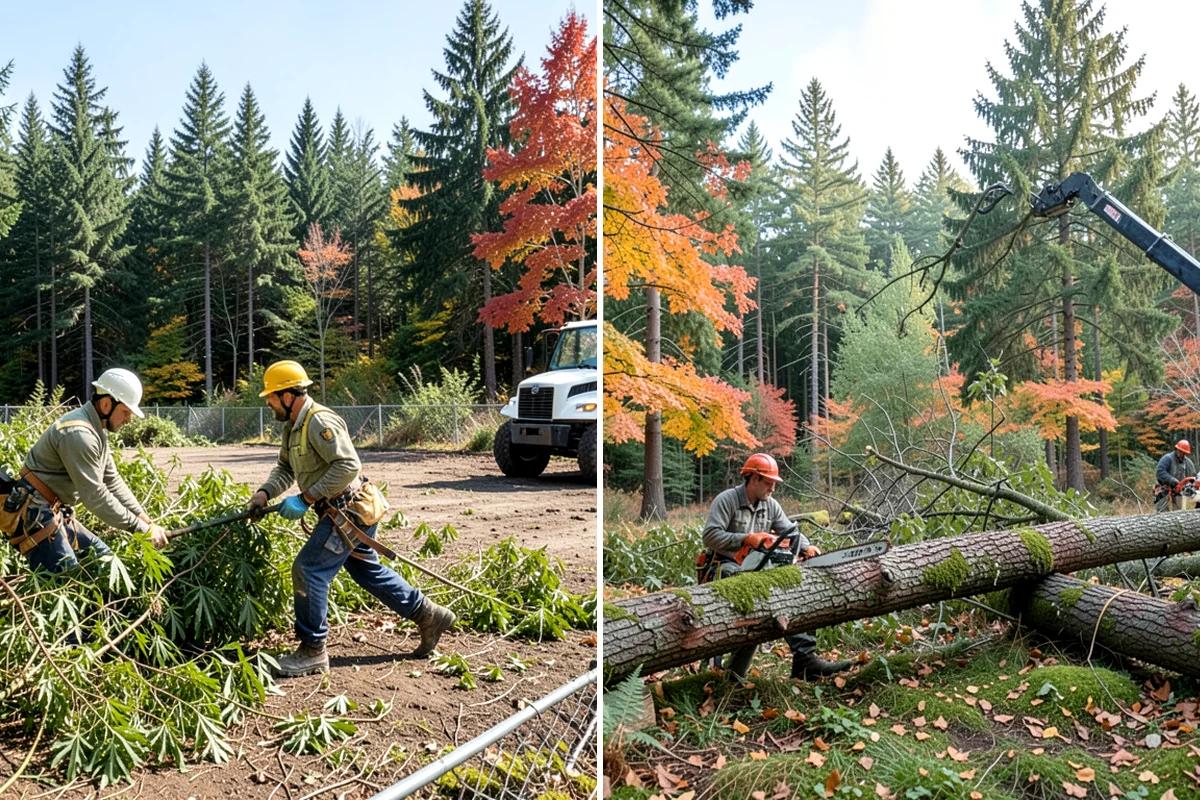
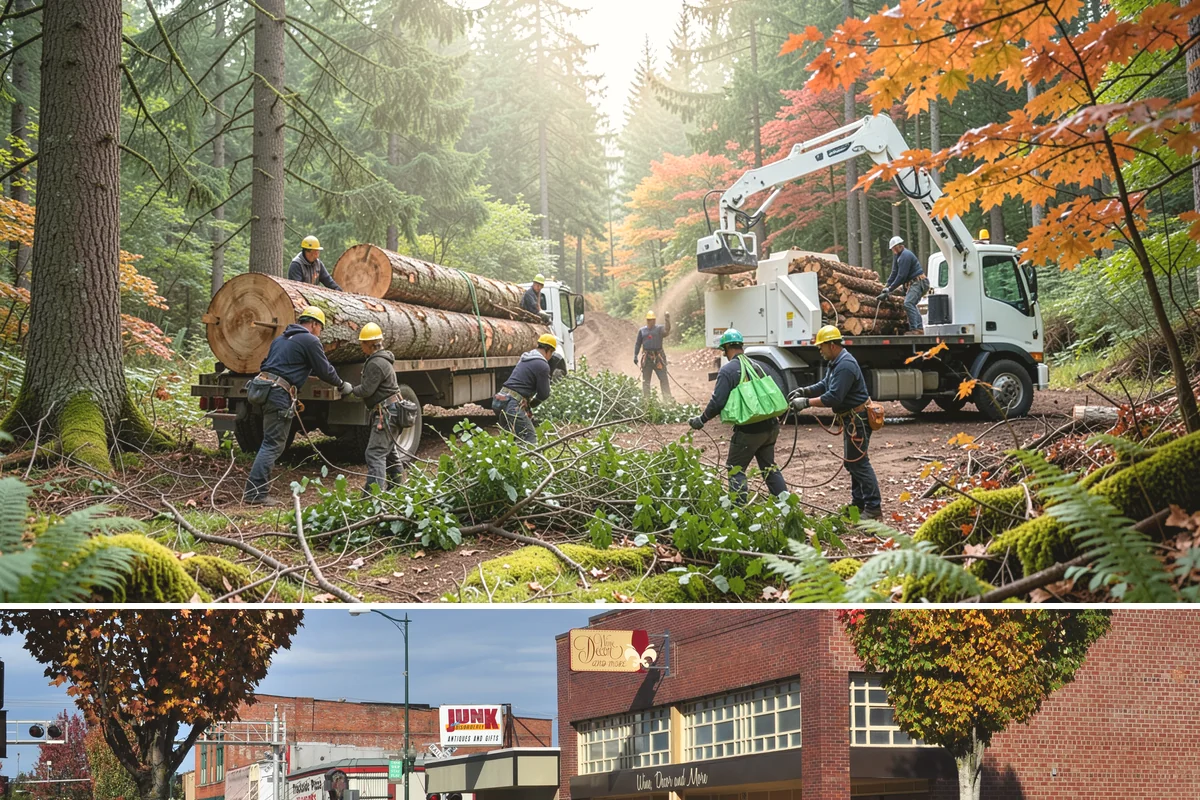
Our teams use hand saws, pole saws, chainsaws, and climbing gear to reach branches safely from the ground or aloft. When necessary, aerial lifts are deployed for taller trees while personal protective equipment is worn by everyone on site. A wood chipper handles cut material efficiently, ensuring debris does not remain in your yard after the job is done.
Puyallup Seasonal Pruning Safety & Best Practices
We strictly follow recognized pruning standards to avoid making harmful cuts that could weaken a tree’s structure. Our crews watch closely for overhead power lines and unstable limbs before starting any work on elevated branches. Fall protection systems are used whenever workers climb, ensuring everyone stays safe while handling tools near your home or property.
Signs You Need Seasonal Pruning in Puyallup
You may need seasonal pruning if you notice deadwood hanging in the canopy or weak unions that could fail during storms. Overgrown branches blocking sightlines or interfering with buildings and utility lines also indicate it is time for this service. If a tree shows signs of stress from improper past cuts, professional assessment can help restore its balance and strength.
What Affects the Cost of Seasonal Pruning in Puyallup
The price depends on factors like the size of your trees and how complex access to them might be at your property site. We consider the condition of the canopy during our initial assessment along with the proper disposal methods required for all cut material. Specialized equipment such as climbing gear or aerial lifts may also influence the final cost based on what is needed for safe completion.
Best Time of Year for Puyallup Seasonal Pruning
In our local Puget Sound climate, it is best to schedule pruning when your specific tree species enters its dormancy period each year. This timing supports health by avoiding active growth phases where cutting can cause stress and slow recovery. Waiting until these appropriate windows ensures the work aligns with nature’s cycle for maximum benefit to every branch we touch.
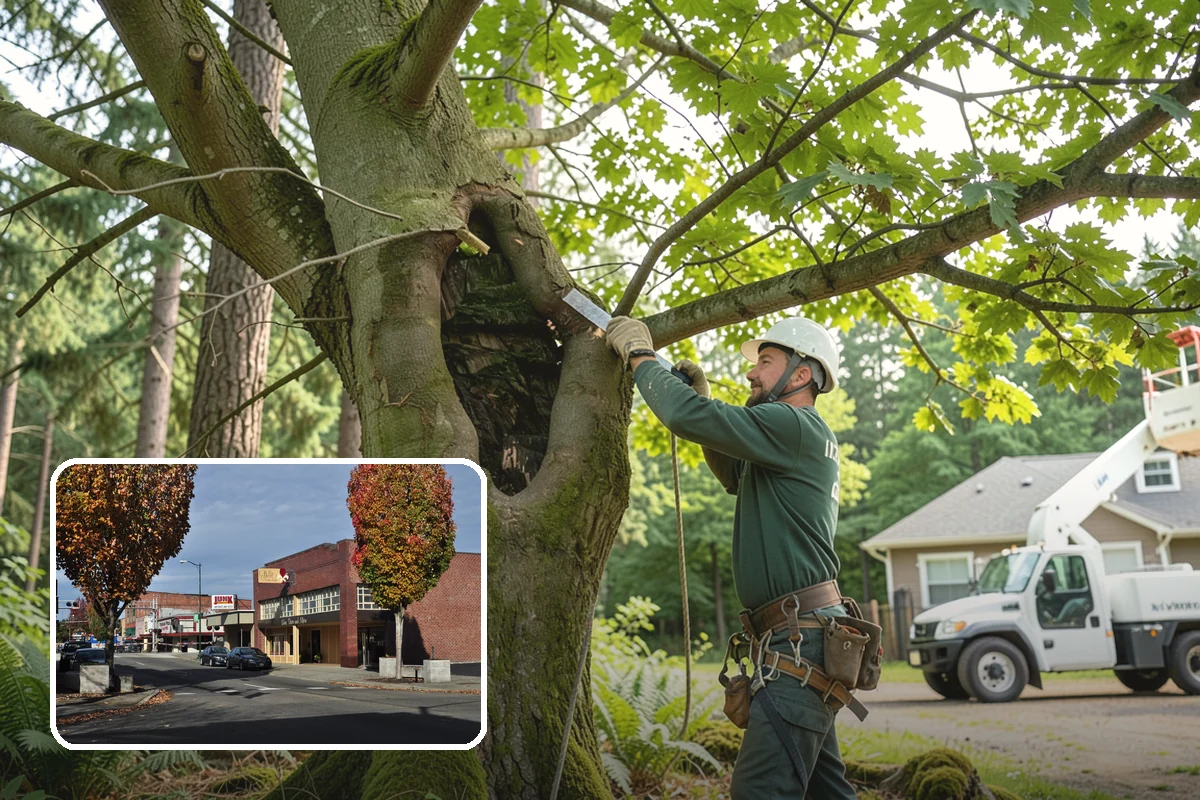
Seasonal pruning in Puyallup: matching cuts to the calendar
The first question is whether a tree blooms in spring. Pruning spring bloomers such as most fruit trees in the dormant season removes flower buds formed the previous summer, according to the WSU Extension Pacific Northwest Gardener's Handbook. Cut in winter and you may lose that year's blossoms and fruit. For those trees, timing is a real decision.
How the work goes
- We list the trees on your property and note which ones flower in spring.
- We decide what each tree needs: removing dead or crossing branches, thinning for light and airflow, or reducing a limb that hangs over a roof.
- We make cuts at the branch collar, following ISA and ANSI A300 practice, and we avoid topping.
- We set a timing plan, so spring bloomers are handled after flowering and other trees get their cuts when they are dormant.
Why the wet season matters here
With 81% of Puyallup's precipitation falling from October to April, dormant-season work often means wet ground and soggy lawns. Heavy equipment can rut soft soil, so we plan access routes and sometimes wait for a drier spell. Rain also affects how comfortable and safe it is to work in the canopy. Those are scheduling concerns, not reasons to skip the work.
July is the driest month on average. That makes it a practical window for pruning trees that should not be cut in winter, once their flowers are finished. Dry footing helps as well.
A note on your climate zone
Puyallup is in USDA hardiness zone 8b, according to the 2023 USDA map. That zone describes typical winter lows. It is a general guide for choosing plants, not a prediction for any one tree, so we judge each tree by its species and condition.
If you are unsure what your trees need, send us a text at 425-484-4442. Our ISA Certified Arborist can look at the trees and give a free estimate. If a city rule could apply to the work, we check with the city before it starts.
Puyallup tree conditions at a glance
| USDA hardiness zone | 8b |
|---|---|
| Rain and snow falling October to April | 81% of the year’s total |
| Days that freeze at night and thaw by day | 29 a year |
| Tree City USA | 8 years |
| Electric utility | unconfirmed |
Most common street trees in Puyallup
- Flowering Pear14.6%
- Hornbeam9.4%
- Crabapple8.9%
- Linden7.3%
- Ash6.9%
- Green ash5.9%
Share of 812 trees in the city’s street-tree inventory; median trunk diameter 9.5 in, 0.0% at 24 in or wider.
Sources: Daymet daily weather (NASA/ORNL), NOAA Storm Events, USDA plant hardiness map 2023, NRCS soil survey, USGS elevation, WA DNR landslide inventory, USDA Forest Service aerial survey, WSDA, city tree assessments and street-tree inventories, SILVIS Lab, Arbor Day Foundation, and official city and utility pages.
Seasonal Pruning Serving Puyallup
Puyallup
Also serving Puyallup
- Birch Tree Pruning in Puyallupat Washington Landscaping
- Roof Preservation in Puyallupat Washington Roofing
- Emergency Tree Response in Puyallupat Washington City Services