Where Safety Meets Expert Tree Service.

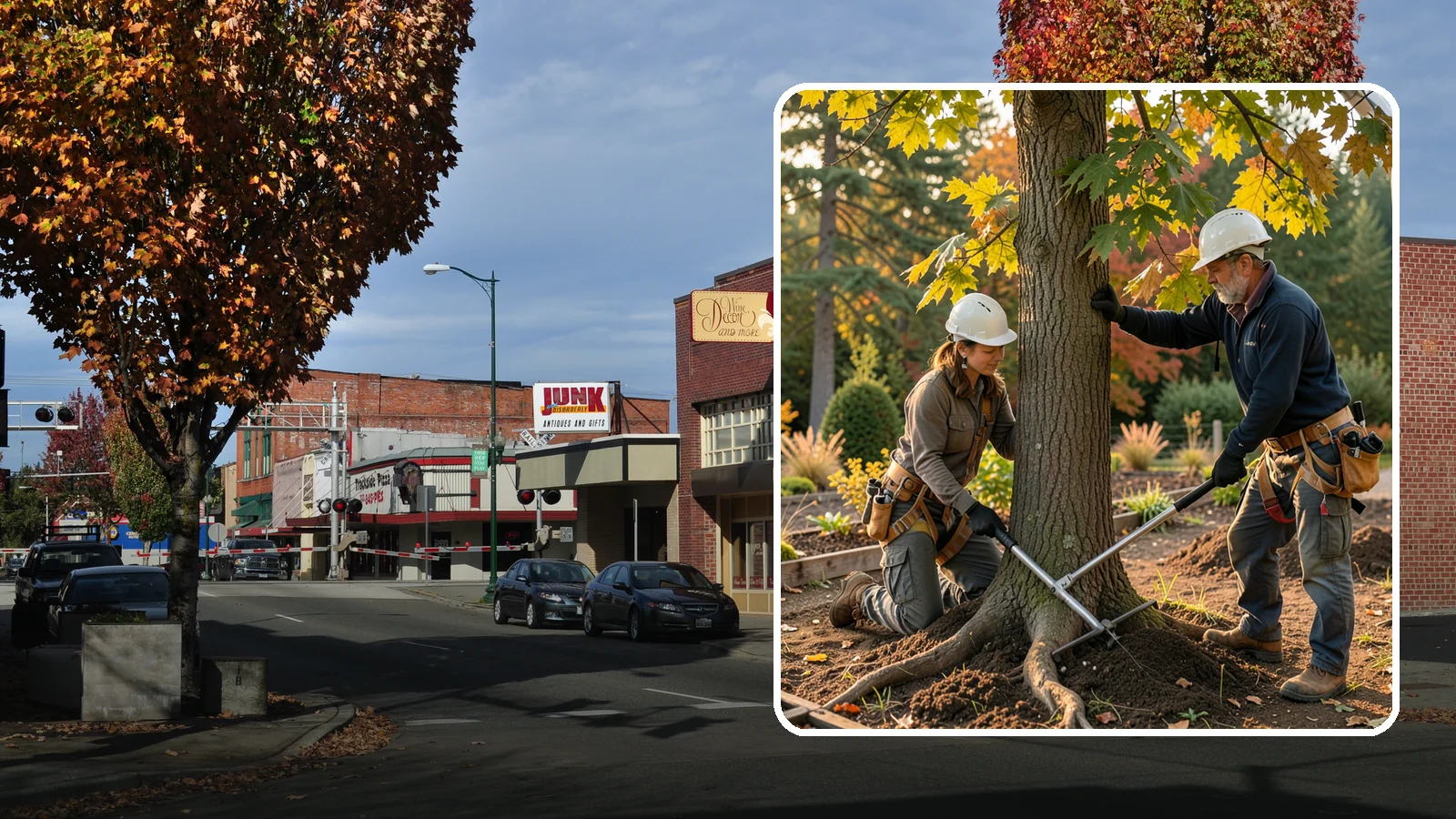
Puyallup Root Zone Aeration
The loosening and aerating of compacted soil in the root zone.
A tree that drops leaves early, grows short new shoots, or sits in turf that stays hard and patchy underneath may be short of air at the roots. Water pooling after rain and a crust on bare soil are other signs worth noting.
Root zone aeration loosens compacted soil so air and water can reach the fine roots again. This page explains what causes the problem in Puyallup yards, how local soil can make it more or less likely, and what the work looks like from start to finish.
About Root Zone Aeration in Puyallup
Root zone aeration is a thoughtful tree health care option designed to help your valued trees thrive in compacted soil conditions. This service supports long-term stability by ensuring roots receive the air and water they need for strong growth. It is ideal for homeowners who want to catch potential issues before they escalate into larger problems.
What Puyallup Root Zone Aeration Includes
Root zone aeration involves loosening and aerating the dense earth within your tree’s root system to improve movement underground. Our trained crews match their methods specifically to your unique species, site conditions, and access requirements following recognized arboricultural standards. This approach directly improves soil and root conditions while extending the useful life of your trees.
Puyallup Root Zone Aeration Process
The work typically begins with a thorough inspection of the tree and its surrounding environment to identify contributing factors like pests or disease. We then recommend and apply appropriate treatments based on our findings, documenting everything for clear follow-up care plans. This systematic process ensures that every step addresses the specific needs identified during the initial assessment.
Equipment We Use for Puyallup Root Zone Aeration
Professionals use diagnostic tools and soil probes to gather accurate information about your tree’s underground environment before any work begins. Specialized injection or application equipment is utilized to deliver treatments effectively, with air excavation tools reserved for cases requiring specialized access. All crews wear necessary personal protective equipment while operating these various pieces of machinery on-site.
Puyallup Root Zone Aeration Safety & Best Practices
We strictly follow label and application guidelines for all products used during the aeration process to protect both your soil and nearby plantings. Our team takes great care to avoid damaging roots or trunks, ensuring that our work does not harm the very trees we are trying to help. Accurate documentation of site conditions is also maintained throughout the job to ensure safety standards are met at every stage.
Signs You Need Root Zone Aeration in Puyallup
You may need this service if your soil appears compacted or poor, which can hinder a tree’s ability to access essential resources. Other indicators include girdling roots that restrict growth or signs of decline caused by past construction and grade changes near the trunk. If pests or disease are suspected alongside these physical issues, root zone aeration helps create better conditions for recovery.
What Affects the Cost of Root Zone Aeration in Puyallup
The investment for this service is influenced by factors such as the size of your trees and how severe the soil compaction has become. Site access constraints can also play a role in pricing, particularly if invasive girdling roots require specialized excavation tools to remove safely. These variables ensure that every project plan reflects the specific complexity of your individual tree care needs.
Best Time of Year for Puyallup Root Zone Aeration
While this service works year-round within our local climate, it often yields best results during dormant seasons or mild weather periods. Scheduling work outside of active growth helps avoid stressing trees when they are most vulnerable to environmental changes. Choosing these times allows for more effective treatment without adding unnecessary pressure to your landscape’s natural cycle.
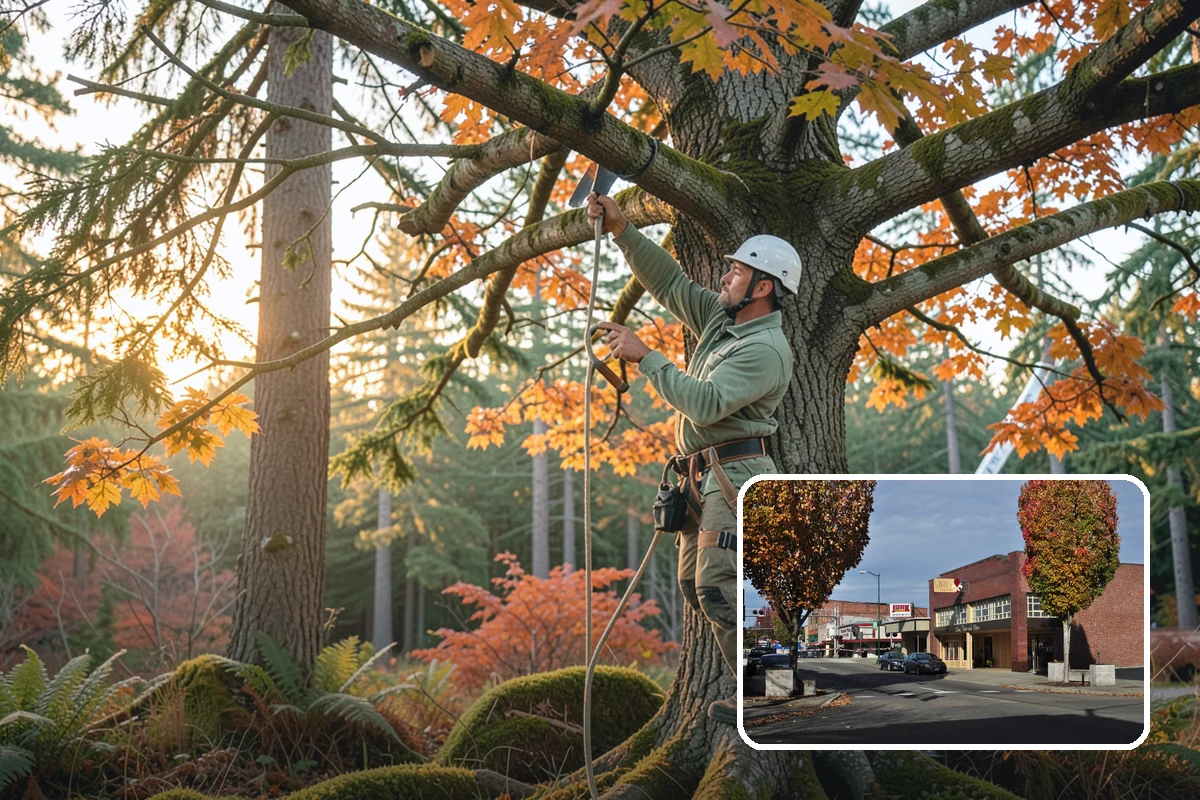
Root zone aeration and Puyallup soils
Roots need oxygen as much as water. Soil that has been driven over, walked on, or built up under a lawn loses the small pores that hold air. Construction work near a tree causes the same problem. Over time the fine roots near the surface struggle, and the tree shows it in the crown.
Local soil matters here. The NRCS soil survey shows that 13% of the land in Puyallup has a hard or restrictive layer, such as glacial hardpan, within 40 inches of the surface. Where that layer sits close, water can stall above it and roots have less room to go down. The same survey lists 47% of the land as well drained and 11% as poorly drained. Those are citywide figures, not a reading of your lot, so what we see on site comes first.
About 56% of Puyallup's housing is single-family detached houses, according to the Census ACS 2020-2024. Many of those lots have lawn, driveways and foot traffic packed around mature trees, which are the usual sources of compaction.
The work itself is simple. We look at the tree and the ground around it, and an ISA Certified Arborist can advise on whether aeration fits or whether drainage or another cause is the real issue. Aeration usually means loosening the soil in the area under and just beyond the canopy, taking care not to tear into major roots. Afterward the area is mulched. WSU Extension's Pacific Northwest Gardener's Handbook recommends a 2 to 4 inch layer over the root zone, with fine mulches kept closer to 2 to 3 inches. Keep mulch off the trunk itself.
Aeration does not fix every declining tree, and we will not promise a result. After the work, the best help you can give is to keep vehicles and heavy loads off the root zone. Call or text 425-484-4442 for a free estimate.
Puyallup tree conditions at a glance
| USDA hardiness zone | 8b |
|---|---|
| Soils | 13% of land has hardpan or another restrictive layer within 40 in; most common series Puyallup; 47% well drained |
| Rain and snow falling October to April | 81% of the year’s total |
| Days with 0.1 in or more of rain | 108 a year |
| Days that freeze at night and thaw by day | 29 a year |
Most common street trees in Puyallup
- Flowering Pear14.6%
- Hornbeam9.4%
- Crabapple8.9%
- Linden7.3%
- Ash6.9%
- Green ash5.9%
Share of 812 trees in the city’s street-tree inventory; median trunk diameter 9.5 in, 0.0% at 24 in or wider.
Tree health near Puyallup
Spongy moth (WSDA 2017): WSDA trap detection(s): 27 moth(s) in 13 trap catch record(s).
Spongy moth (WSDA 2012): WSDA eradication treatment (Btk).
- Decline, cause not identified1,101 ac
- Douglas-fir engraver273 ac
- Bears100 ac
Forest damage mapped from the air within 10 km of Puyallup, 2021-2025 (USDA Forest Service and WA DNR). This covers forest land, not street or yard trees. “Decline, cause not identified” is dieback with no single cause found.
Sources: Daymet daily weather (NASA/ORNL), NOAA Storm Events, USDA plant hardiness map 2023, NRCS soil survey, USGS elevation, WA DNR landslide inventory, USDA Forest Service aerial survey, WSDA, city tree assessments and street-tree inventories, SILVIS Lab, Arbor Day Foundation, and official city and utility pages.
Root Zone Aeration Serving Puyallup
Puyallup
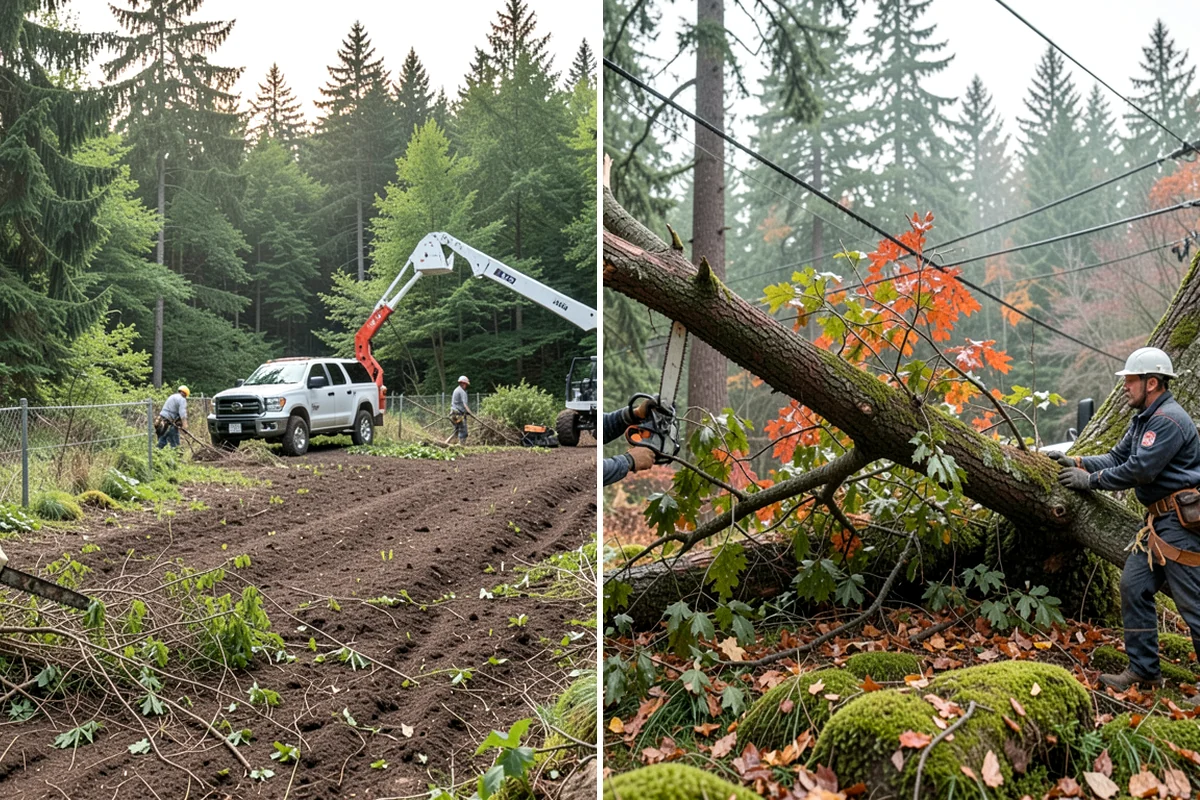
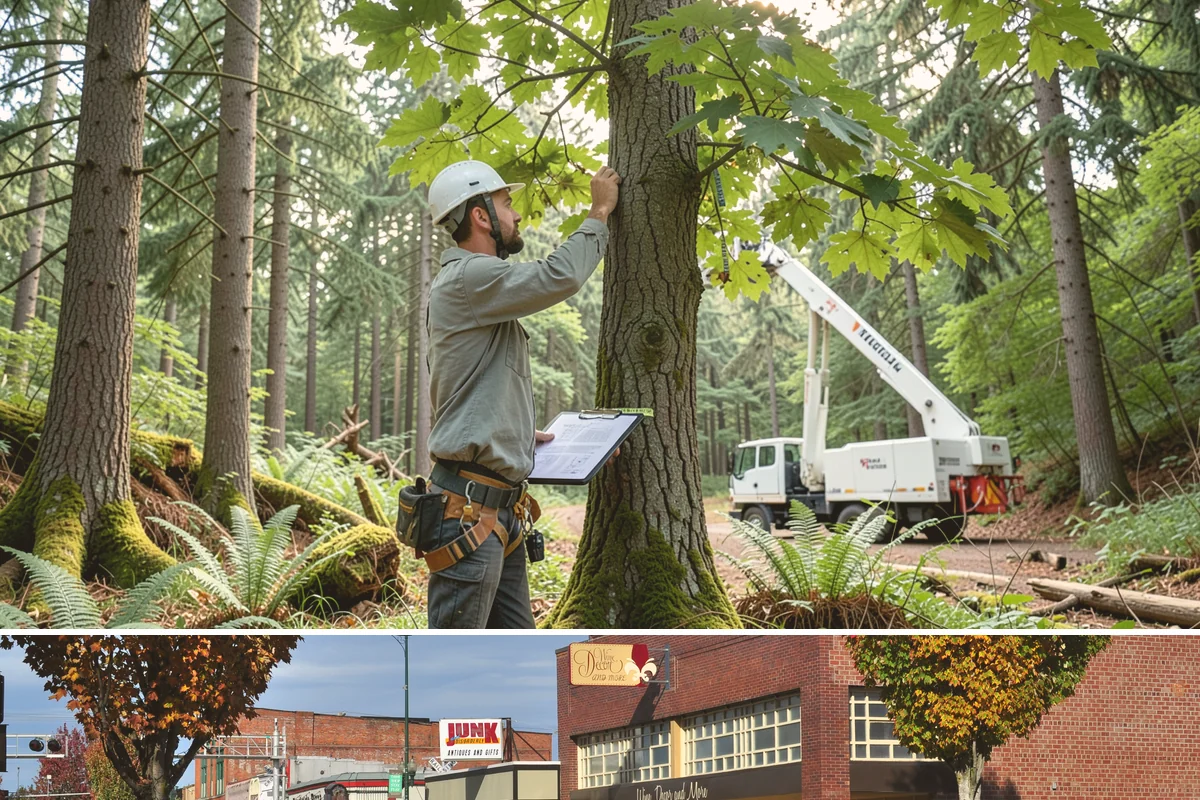
Also serving Puyallup
- Evergreen Pruning in Puyallupat Washington Landscaping
- Shrub Maintenance in Puyallupat Washington City Services