Where Safety Meets Expert Tree Service.

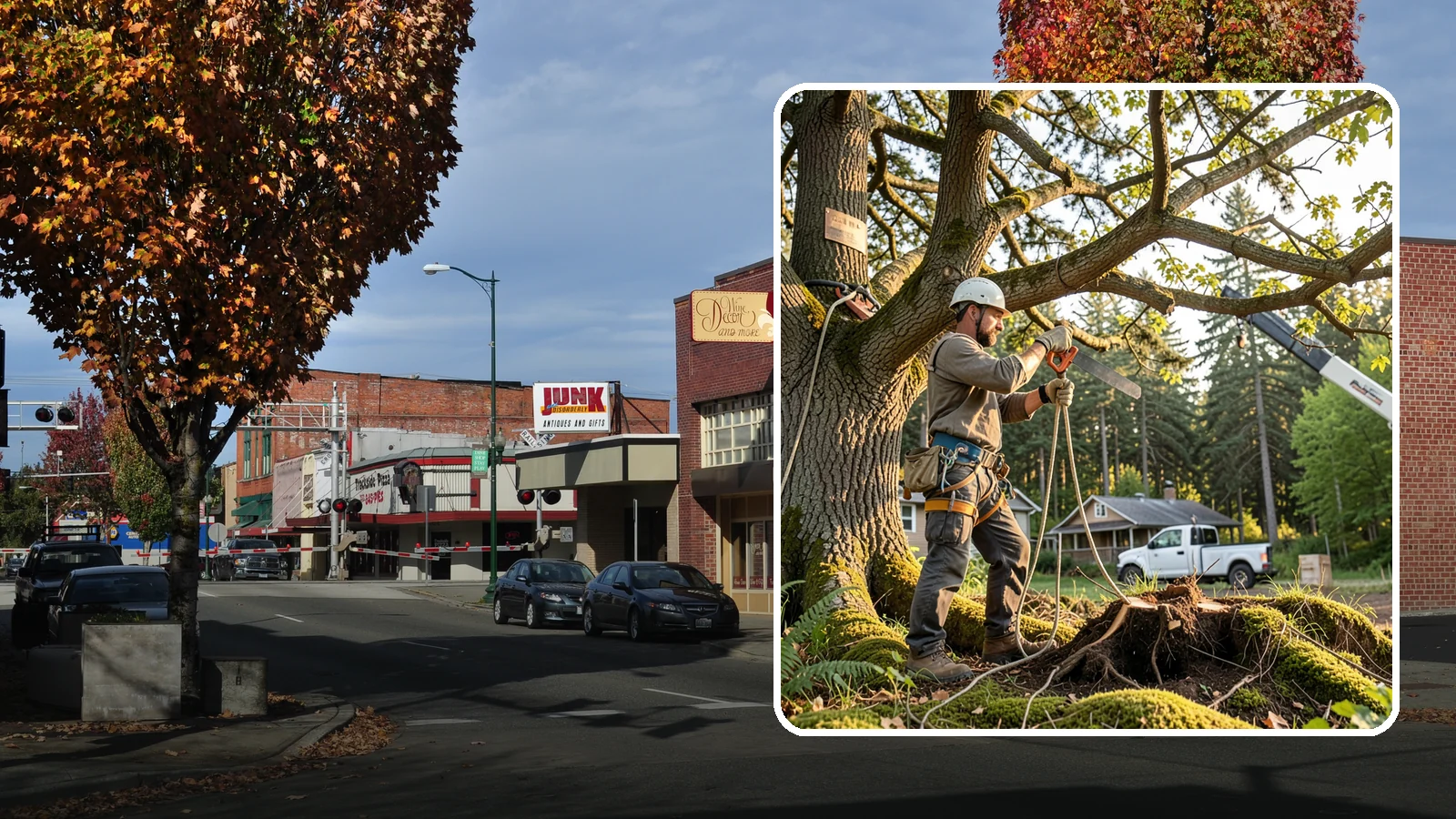
Puyallup Root Pruning
The controlled cutting of roots to manage growth or prepare for construction.
Root pruning is best planned for the dormant season, after leaves drop and before spring growth starts. In Puyallup that usually means late fall through winter, when a tree draws less on its roots and the soil is workable. If a sidewalk, foundation, or new patio is coming, schedule the cutting well ahead of the construction.
The goal is to cut roots cleanly at a set distance from the trunk so the tree stays stable and the structure is protected. Below is how we plan the work, what changes its scope, and what happens on the day.
About Root Pruning in Puyallup
Root pruning is a specialized care option designed to help you manage tree growth or prepare your landscape for construction projects. This approach supports long-term stability while protecting the health of valued trees in your yard. Whether you are planning future building work or simply want to improve soil conditions, this service offers practical solutions for complex situations.
What Puyallup Root Pruning Includes
Root pruning involves the controlled cutting of roots to limit conflicts with structures or prepare a tree for transplanting. Our trained crews follow recognized arboricultural standards and select methods that match your specific tree species and site conditions. This process addresses issues like girdling roots while ensuring minimal stress is placed on the plant during treatment.
Puyallup Root Pruning Process
Work begins by inspecting the tree and its surrounding area to identify contributing factors such as pests, disease, or poor soil quality. Once we understand these elements, our team recommends and applies appropriate treatments tailored to your specific needs. We document all findings and provide a plan for follow-up care to ensure continued success after the initial work is complete.
Equipment We Use for Puyallup Root Pruning
Our crews utilize diagnostic tools and air excavation equipment as needed to carefully assess root systems without causing unnecessary damage. Soil probes, sampling kits, and specialized injection or application equipment are used to gather data and deliver treatments effectively. All personnel wear personal protective equipment to ensure a safe working environment for everyone involved in the project.
Puyallup Root Pruning Safety & Best Practices
We strictly follow label guidelines when applying any products to protect both your soil and surrounding plantings from harm. Our team takes great care to avoid damaging roots or trunks during the cutting process, ensuring the tree remains stable throughout the work. Accurate documentation of site conditions helps us maintain safety standards while addressing potential hazards before they escalate into larger problems.
Signs You Need Root Pruning in Puyallup
You may need root pruning if your trees show signs of decline caused by compacted soils, past construction activities, or grade changes near their base. Girdling roots that restrict growth or pests affecting the root system are also common indicators that this service is required. If you plan to build new structures and want to prevent future conflicts with existing tree roots, addressing these issues early can save your trees later.
What Affects the Cost of Root Pruning in Puyallup
The investment for this work depends on factors like the specific species of your trees and how complex it is to identify their root systems accurately. Soil conditions at your site play a significant role in determining the approach needed, as does any limited access that restricts equipment movement. We consider all these variables together to provide an estimate that reflects the true scope of care required for your unique landscape.
Best Time of Year for Puyallup Root Pruning
This service works best when performed during dormant seasons to minimize stress on the tree following construction or transplanting preparations. Scheduling work at this time allows trees to recover more easily before new growth begins in spring. By timing our visits correctly, we help ensure that root pruning supports long-term health without interfering with active growing periods.
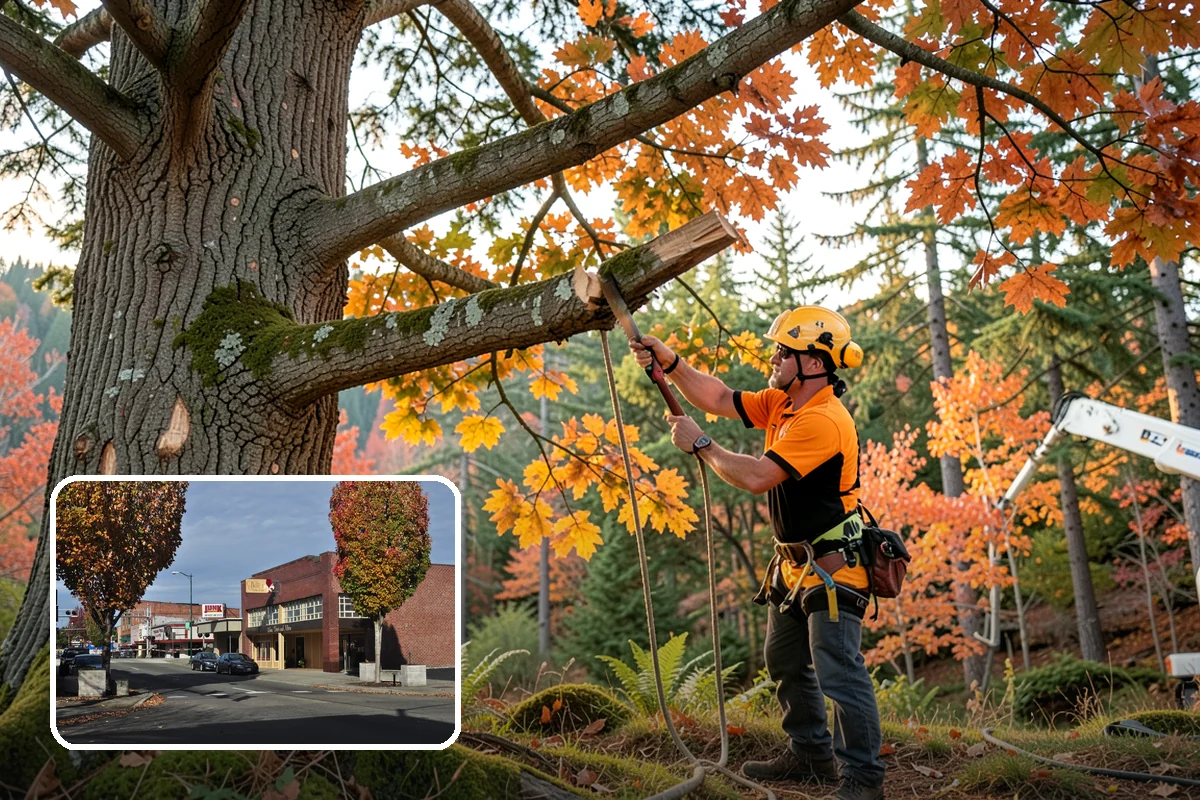
Planning root pruning on a Puyallup property
Planning starts with the tree and the reason for the cut. We look at species, trunk diameter, lean, and where the roots are heading. ISA/ANSI A300 guidance ties the distance from the trunk to trunk size, because cutting too close removes the roots that anchor the tree. Sometimes the honest answer is that a tree is too close to the structure for pruning to be safe.
What affects the scope
Soil matters here. The NRCS soil survey shows that 13% of the land in Puyallup has a hard or restrictive layer, such as glacial hardpan, within 40 inches of the surface. That is a survey figure for the area, not a reading for your yard. Still, roots that hit a hard layer tend to spread sideways near the surface, which is often what lifts walks and driveways. The same survey lists 47% of the land as well drained and 11% as poorly drained, so we check how your site holds water. A tree on wet ground may be shallowly rooted and need a more conservative cut.
Species counts too. The city's street-tree inventory of 812 trees lists Flowering Pear, Hornbeam, Crabapple, Linden, and Ash as the most common. If you have one of these, tell us. It is a reason to ask, not a claim about your tree. If the tree is in a city planting strip, we check with the city before work starts.
What to expect on the day
We mark the cut line first. Then we dig a trench along it to expose the roots and cut them cleanly with sharp tools, rather than tearing them. Larger roots get a closer look before we cut. The trench is backfilled afterward. Expect some disturbed ground and a few hours of digging, depending on the length of the cut.
Practical tip: after root pruning, water during dry spells and wet the whole root zone without soaking it. WSU HortSense advises this to prevent leaf scorch, and a recently cut root system takes up less water. Our free estimate is a good time to ask about a watering plan for your tree.
Puyallup tree conditions at a glance
| Soils | 13% of land has hardpan or another restrictive layer within 40 in; most common series Puyallup; 47% well drained |
|---|---|
| Rain and snow falling October to April | 81% of the year’s total |
| Days that freeze at night and thaw by day | 29 a year |
Tree removal rules in Puyallup
Significant tree protections do not apply to lots containing single-family, duplex, triplex or up to four-unit residential development unless the tree is in a critical area. A permit is required on such lots only if the tree is on the City's Heritage Tree register, or is within or associated with a critical area (wetland/buffer, steep slope, stream buffer, habitat area/greenbelt). Significant trees are regulated on commercial, industrial, institutional and multifamily (5+ units) property.
Regulated size: Healthy, living tree greater than 15 in DBH (black cottonwood and red alder not typically regulated unless in a critical area).
Official city source. Rules change; we confirm with the city before work starts.
Sources: Daymet daily weather (NASA/ORNL), NOAA Storm Events, USDA plant hardiness map 2023, NRCS soil survey, USGS elevation, WA DNR landslide inventory, USDA Forest Service aerial survey, WSDA, city tree assessments and street-tree inventories, SILVIS Lab, Arbor Day Foundation, and official city and utility pages.
Root Pruning Serving Puyallup
Puyallup
Also serving Puyallup
- Plant Health Care in Puyallupat Washington Landscaping
- Landscape Inspections in Puyallupat Washington City Services