Where Safety Meets Expert Tree Service.

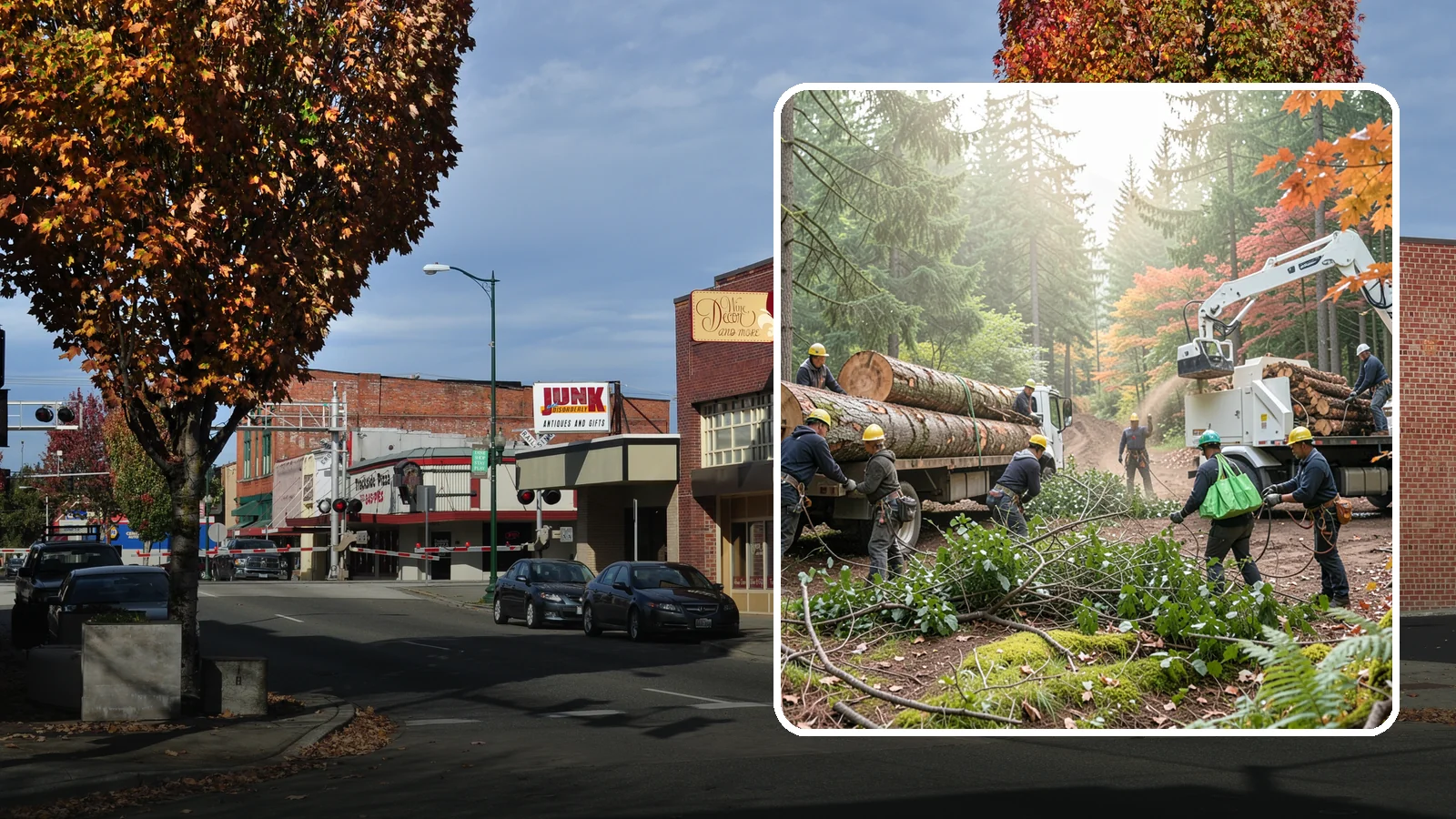
Puyallup Log Hauling
The loading and hauling of logs off-site.
Log hauling is for Puyallup owners who already have wood on the ground: a felled tree, storm-dropped limbs, or a stack of rounds that has outgrown the yard. It also suits anyone planning a removal who wants the debris gone the same day, not left in the driveway.
The main choice is what happens to the wood once it leaves your property. It can be milled, split for firewood, chipped, or taken to a disposal site. Deciding that first makes the hauling plan simpler and keeps the loads sorted.
About Log Hauling in Puyallup
We offer log hauling services designed to help you manage large-diameter wood on your property after removal or trimming. Our trained crews work carefully to turn removed material into usable products while keeping your site clean and safe. This service supports responsible reuse by ensuring debris is processed correctly rather than simply discarded.
What Puyallup Log Hauling Includes
Log hauling involves the professional loading and off-site transport of logs from your location. We sort materials by type and size, then cut, mill, or chip them as appropriate to meet your needs before hauling away or delivering the finished product. This process effectively reduces disposal burdens and turns waste into valuable resources for other uses.
Puyallup Log Hauling Process
Our team begins by assessing site conditions and tree species to match methods that ensure efficient removal without damage. We secure loads properly for transport, clean up the work area thoroughly, and handle logs using proper technique throughout every step. Each stage is managed with care to protect both your property and the quality of the wood products created.
Equipment We Use for Puyallup Log Hauling
To perform this service safely and effectively, we utilize chainsaws, wood chippers, loaders, and hauling vehicles as needed. We also bring milling equipment when required for specific projects and ensure every crew member wears necessary personal protective gear. Our tools are selected to handle various log sizes while respecting access limits on your property.
Puyallup Log Hauling Safety & Best Practices
Safety is a priority during all operations, so we keep hands and bystanders clear of feed equipment at all times. Crew members wear eye and hearing protection while handling logs with the correct technique and specialized equipment. We also take extra care to secure loads for transport and manage any embedded metal or debris found within the wood.
Signs You Need Log Hauling in Puyallup
You may need this service when you have large-diameter wood that requires removal from your property after tree work. Signs include a desire to turn removed material into usable products rather than leaving it on-site, or needing help managing access limits for heavy equipment. If moisture levels are affecting product quality or if metal debris is embedded in the logs, our team can address these specific challenges.
What Affects the Cost of Log Hauling in Puyallup
The cost of log hauling varies based on factors such as the size and quantity of the logs you have removed. Moisture content plays a significant role because it affects how well the wood dries for milling or chipping purposes. Additionally, any embedded metal debris requires extra handling time, and equipment access limits can influence pricing decisions.
Best Time of Year for Puyallup Log Hauling
The best timing for this service depends on seasonal moisture levels that impact drying rates for your specific project goals. We adapt our operations to local weather conditions in the Puget Sound region to ensure wood quality remains high throughout the year. Our crews adjust their schedules based on these environmental factors to deliver optimal results regardless of the season.
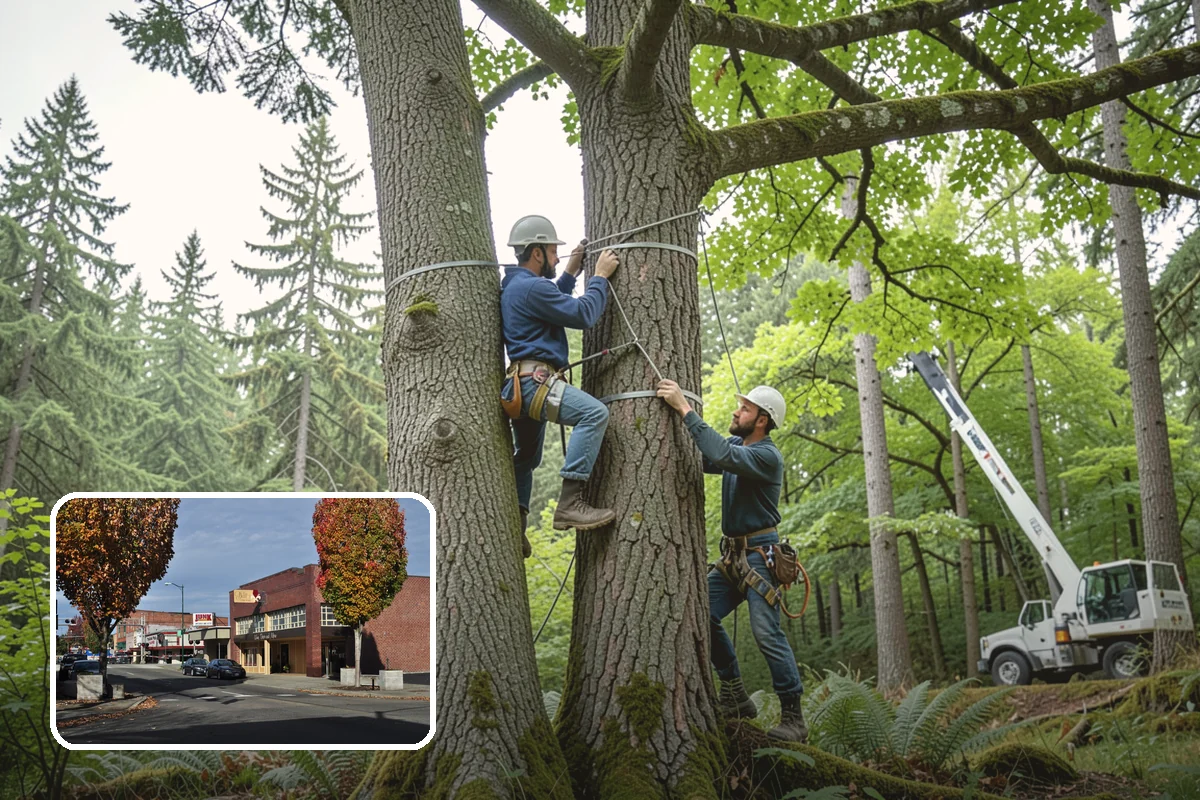
Log hauling options for Puyallup properties
Most owners choose among a few paths. Each suits a different kind of wood and a different goal.
- Haul everything away. Best when the wood is mixed, rotten, or you have no use for it.
- Keep the rounds for firewood. Best for sound hardwood you can stack and season on site.
- Save straight logs for milling. Best for large, clean trunks with no rot or embedded metal.
- Haul and chip the branches separately. Best when brush and logs need different handling.
Why the wood's condition matters here
A federal aerial survey (USDA Forest Service and WA DNR, 2021-2025) mapped damage in forest within 10 km of Puyallup. This is forest land, not yard trees, so it says nothing about the trees on your property. Still, the largest category was 1,101 acres of decline with no cause identified, meaning dieback where no single cause was found. It was mostly in unknown hardwoods and western redcedar. The survey also mapped 273 acres of Douglas-fir engraver damage in Douglas-fir. If your own tree died or declined for an unclear reason, have it looked at before you decide to mill or burn it. Wood from a declining tree may be unsound for milling, and that pushes the choice toward hauling it off.
Moving wood out of Pierce County's quarantine
Pierce County is inside the WSDA apple maggot quarantine. Homegrown fruit and yard waste may not be moved out of the quarantine area into pest-free areas. If your logs come from a fruit tree, or are mixed with fruit and other yard waste, tell us before the load goes anywhere. Where the wood is headed changes which option is workable, so we confirm the destination and check with the city or the right agency before work starts.
Tell us which path you prefer when you call or text 425-484-4442, and we can plan the loads around it.
Puyallup tree conditions at a glance
| Land under dense tree cover (50%+ canopy) | 19% |
|---|---|
| Rain and snow falling October to April | 81% of the year’s total |
| Days with 0.1 in or more of rain | 108 a year |
Tree health near Puyallup
Spongy moth (WSDA 2017): WSDA trap detection(s): 27 moth(s) in 13 trap catch record(s).
Spongy moth (WSDA 2012): WSDA eradication treatment (Btk).
- Decline, cause not identified1,101 ac
- Douglas-fir engraver273 ac
- Bears100 ac
Forest damage mapped from the air within 10 km of Puyallup, 2021-2025 (USDA Forest Service and WA DNR). This covers forest land, not street or yard trees. “Decline, cause not identified” is dieback with no single cause found.
Sources: Daymet daily weather (NASA/ORNL), NOAA Storm Events, USDA plant hardiness map 2023, NRCS soil survey, USGS elevation, WA DNR landslide inventory, USDA Forest Service aerial survey, WSDA, city tree assessments and street-tree inventories, SILVIS Lab, Arbor Day Foundation, and official city and utility pages.
Log Hauling Serving Puyallup
Puyallup
Also serving Puyallup
- Firewood Restocking in Puyallupat Washington Firewood
- Wood Chip Spreading in Puyallupat Washington Landscaping