Where Safety Meets Expert Tree Service.

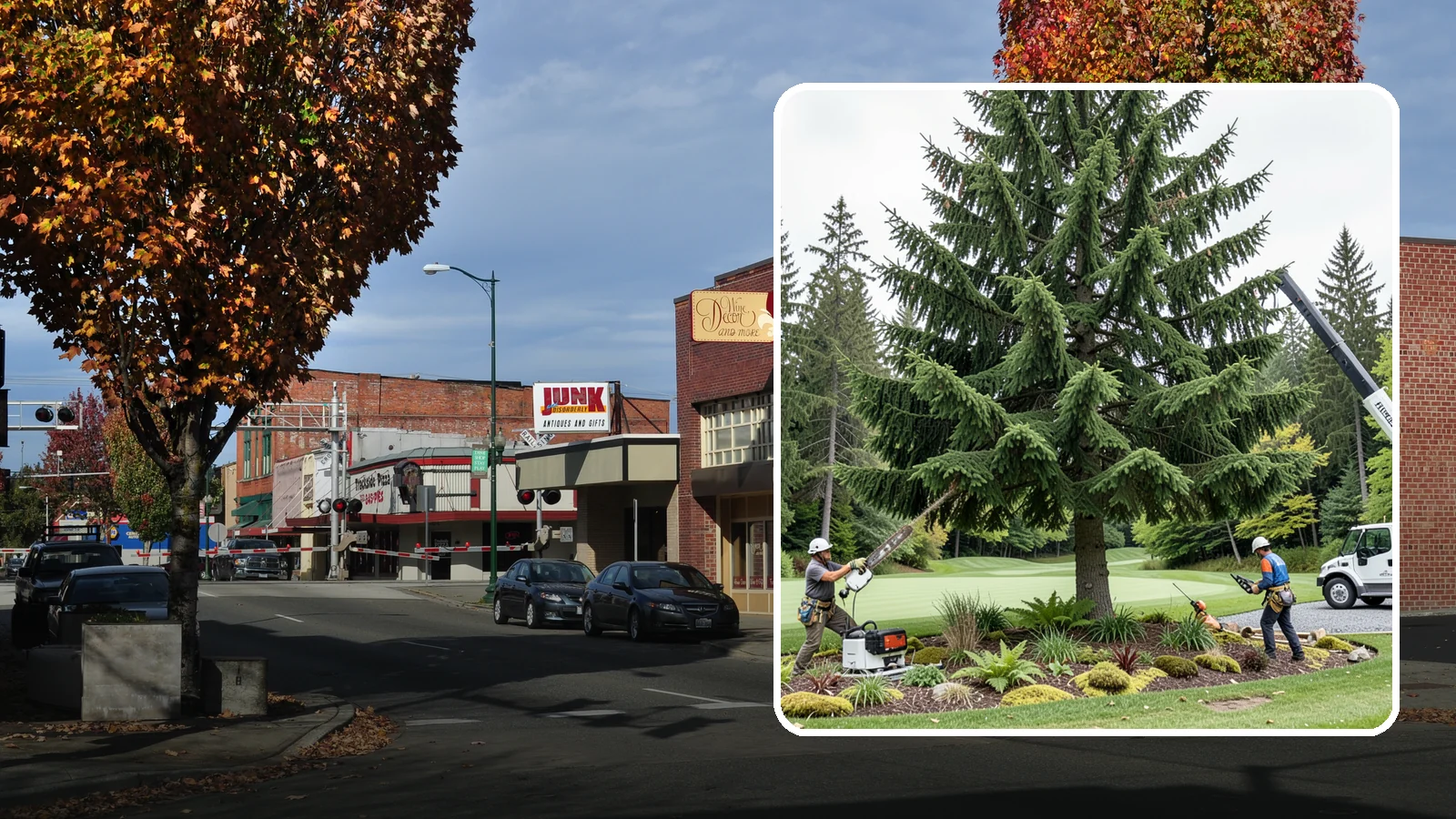
Puyallup Golf Course Tree Maintenance
Specialized tree care for golf courses.
The best window for most golf course tree work in Puyallup is the wet half of the year, roughly October to April. About 81% of the city's yearly rain and snow falls in those months, according to Daymet data for 2005-2025. Soil is softer then, but trees are dormant and the course is usually quieter, so planning pruning and removals for that stretch makes sense.
Summer is the time to watch and note problems. Walk the fairways and look for browning cedar foliage, dead limbs over tees and cart paths, and trees leaning toward greens. Mark them now, then schedule the work once the rains return.
About Golf Course Tree Maintenance in Puyallup
Specialized tree care is available specifically designed for golf courses that need expert attention on their grounds. This service helps property managers keep trees safe while maintaining the playability and aesthetic appeal of the course. It supports consistent upkeep without compromising safety or budget constraints.
What Puyallup Golf Course Tree Maintenance Includes
Golf course tree maintenance focuses on preserving both the health of individual trees and the overall look of the facility. Our trained crews use methods tailored to specific species, site conditions, and access points to ensure every task is done correctly. The work covers recurring pruning, detailed inspections, and general care plans that match recognized arboricultural standards.
Puyallup Golf Course Tree Maintenance Process
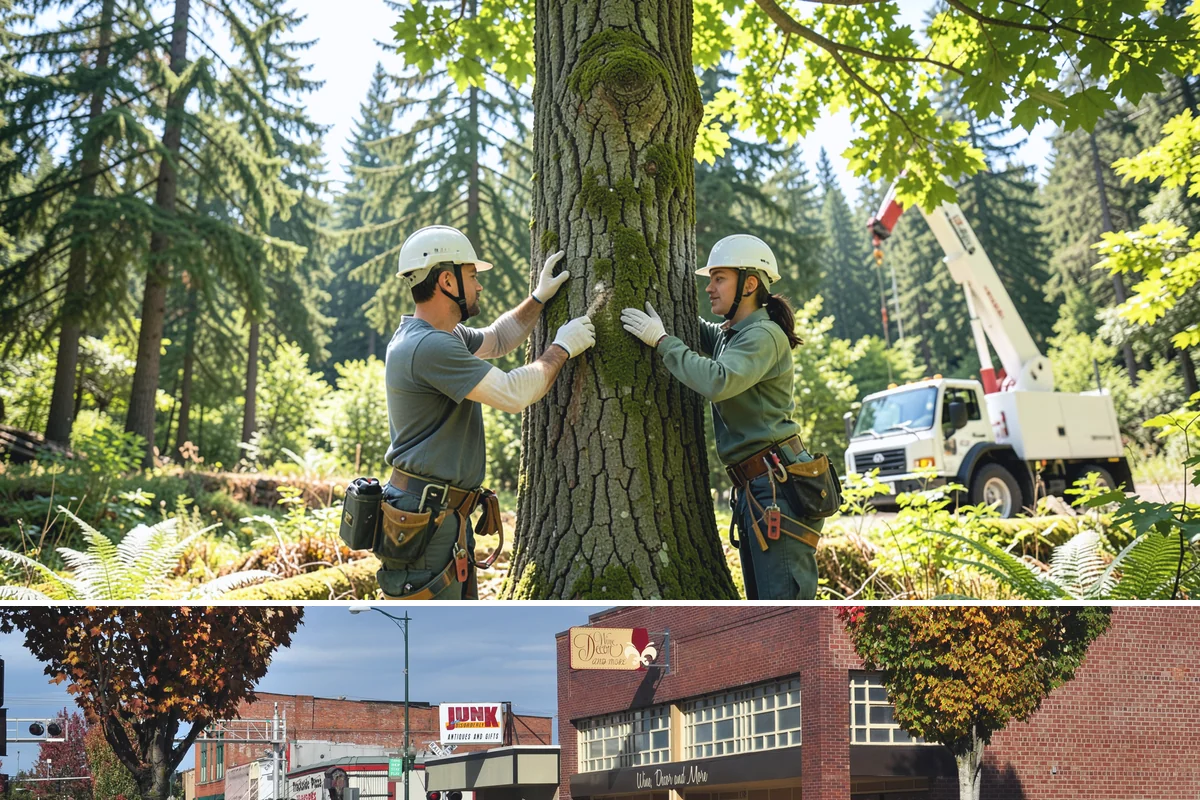
We begin by taking a full inventory and assessing all trees on your property to understand their unique needs. Once we have the facts, we develop a maintenance schedule with clear priorities for addressing deferred backlogs or high-traffic areas. Throughout the year, our team performs documented care tasks and updates these plans as conditions change across the site.
Equipment We Use for Puyallup Golf Course Tree Maintenance
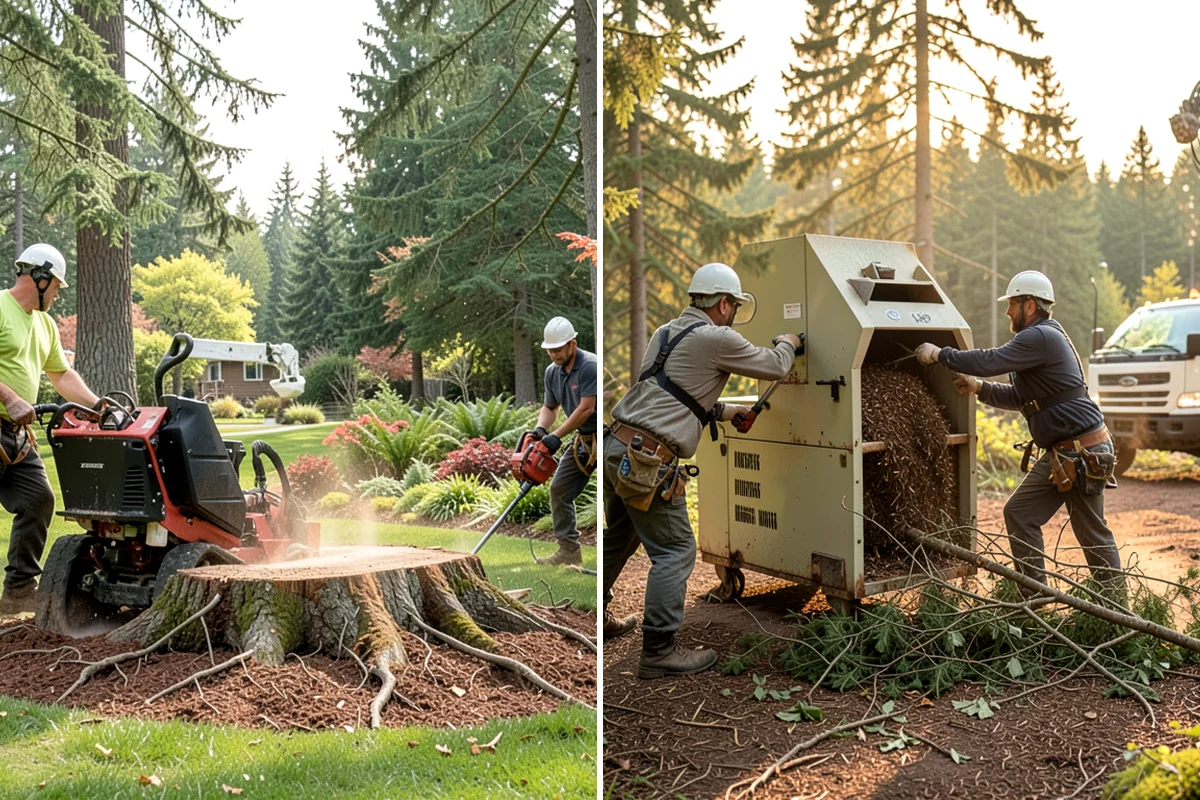
To handle varied tree conditions safely, crews utilize pruning gear, rigging equipment, and aerial lifts when access requires elevation. Inspection tools help identify potential issues early, while chippers and hauling units manage debris efficiently from high-traffic zones. All personnel wear necessary personal protective equipment to ensure a secure environment for everyone involved in the work.
Puyallup Golf Course Tree Maintenance Safety & Best Practices
Work is carefully coordinated around active occupants and traffic flows to maintain safe boundaries throughout public areas of the course. We strictly follow recognized arboricultural standards and keep detailed records to hold ourselves accountable for every safety decision made on site. Maintaining these clear zones ensures that operations run smoothly without risking liability or disrupting playability during peak times.
Signs You Need Golf Course Tree Maintenance in Puyallup
You may need this service if you notice a backlog of deferred maintenance affecting the condition of trees across your property. High-traffic areas near hazards often require specialized attention to prevent accidents and protect visitors from falling branches. Varied tree conditions in different parts of the site or difficulty coordinating crew access are also common indicators that professional help is needed.
What Affects the Cost of Golf Course Tree Maintenance in Puyallup
The final investment depends on factors like existing maintenance backlogs and how many high-traffic zones exist near potential hazards. Costs will vary based on the specific condition of trees across your entire property and any logistical challenges in getting crews to every location efficiently. These variables ensure we can provide budget-friendly care that matches the actual scope of work required for safety and aesthetics.
Best Time of Year for Puyallup Golf Course Tree Maintenance
While our team works year-round to keep playability high, schedules are often adjusted around peak golfing seasons when course usage is at its highest. We also monitor weather patterns closely; freezing temperatures may require us to pause certain pruning techniques until conditions improve. This flexible approach ensures that maintenance happens safely whenever the site allows for optimal results without disrupting operations.
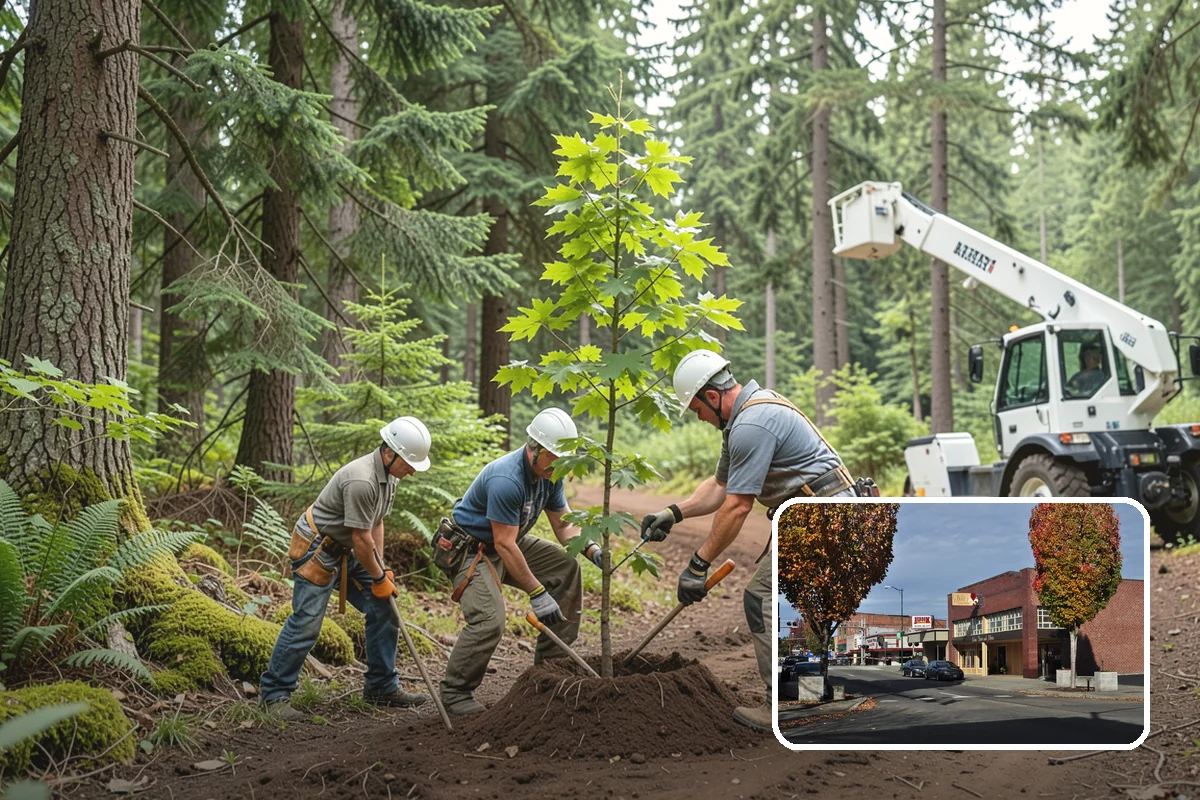
Planning Golf Course Tree Care in Puyallup
Good course tree work starts with a walk-through. We look at each tree in relation to play: tee boxes, landing areas, greens, cart paths, and the clubhouse and parking areas. Trees near people and play get priority, since a failed limb there matters most.
Several things shape the scope. Tree size and species come first. Access matters too, because heavy equipment on turf, especially wet turf, can leave ruts that cost more to repair than the tree work itself. Timing around tournaments, member play and daily tee sheets also affects how the job is split up. Some courses prefer to take one section at a time rather than close a wide area.
Local climate plays a part. Puyallup sits in USDA plant hardiness zone 8b (USDA map, 2023), which suits a broad range of ornamental and native trees. That variety means the course may hold species with very different needs, so pruning is planned tree by tree rather than with one rule for the whole property.
Cedars deserve a separate look. WSU HortSense notes that cedars may need extra irrigation during summer drought to reduce flagging, which is the browning of individual branches. If you see flagging on course cedars, tell us. It may point to a watering gap that irrigation can address, and it helps us separate drought stress from something that needs other attention.
On the day, expect a crew to review the plan with you or your superintendent first, then set up cones or tape around work zones. Pruning follows standard practice for the species, removing dead, damaged or conflicting branches without cutting back to stubs. Limbs are lowered or chipped, and debris is cleared from play areas before the crew moves on. If a removal is needed, we check with the city before work starts to confirm whether any rule applies.
One practical tip: give your maintenance staff a simple map of the course and mark every tree you are concerned about. Photos with hole numbers make the estimate faster and more accurate.
Puyallup tree conditions at a glance
| USDA hardiness zone | 8b |
|---|---|
| Tree City USA | 8 years |
| High and strong wind episodes, 2005-2025 | 25 in the forecast zone |
| Soils | 13% of land has hardpan or another restrictive layer within 40 in; most common series Puyallup; 47% well drained |
Tree removal rules in Puyallup
Significant tree protections do not apply to lots containing single-family, duplex, triplex or up to four-unit residential development unless the tree is in a critical area. A permit is required on such lots only if the tree is on the City's Heritage Tree register, or is within or associated with a critical area (wetland/buffer, steep slope, stream buffer, habitat area/greenbelt). Significant trees are regulated on commercial, industrial, institutional and multifamily (5+ units) property.
Regulated size: Healthy, living tree greater than 15 in DBH (black cottonwood and red alder not typically regulated unless in a critical area).
Official city source. Rules change; we confirm with the city before work starts.
Most common street trees in Puyallup
- Flowering Pear14.6%
- Hornbeam9.4%
- Crabapple8.9%
- Linden7.3%
- Ash6.9%
- Green ash5.9%
Share of 812 trees in the city’s street-tree inventory; median trunk diameter 9.5 in, 0.0% at 24 in or wider.
Sources: Daymet daily weather (NASA/ORNL), NOAA Storm Events, USDA plant hardiness map 2023, NRCS soil survey, USGS elevation, WA DNR landslide inventory, USDA Forest Service aerial survey, WSDA, city tree assessments and street-tree inventories, SILVIS Lab, Arbor Day Foundation, and official city and utility pages.
Golf Course Tree Maintenance Serving Puyallup
Puyallup
Golf course tree maintenance in nearby areas
Also serving Puyallup
- Hazard Tree Inspections in Puyallupat Washington City Services
- Weekly Landscape Maintenance in Puyallupat Washington Landscaping
- Tenant Improvement in Puyallupat Washington Construction
- Office Building Washing in Puyallupat Washington Pressure Washing