Where Safety Meets Expert Tree Service.

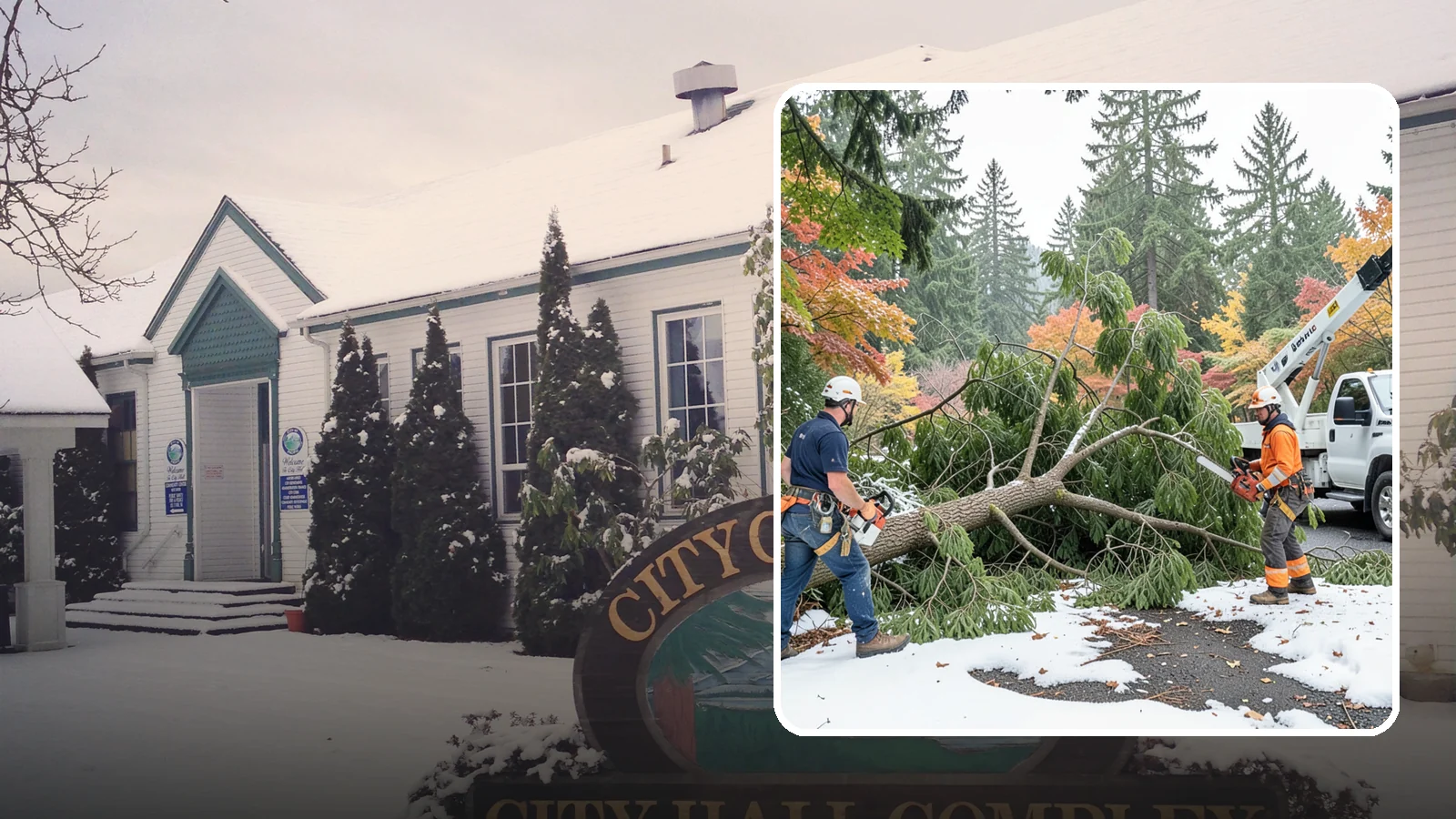
Pacific Snow And Ice Damage Cleanup
The cleanup of trees damaged by snow and ice loading.
This service is for owners in Pacific whose trees took a hit from wet snow or an ice glaze: limbs hanging by a strip of bark, a leader bent over a fence, or branches resting on a roof, driveway or service line. It also fits owners who see no breakage yet but want a trained eye on a tree that sagged under load.
Start by photographing the damage from a safe distance. Keep people and cars away from anything overhead, and stay well clear of any limb touching a wire. Then decide whether the tree needs a quick cleanup cut or a closer look.
About Snow And Ice Damage Cleanup in Pacific
When heavy snow or ice weighs down your trees, our team is ready to help you recover quickly and safely. We specialize in clearing away the damage caused by winter storms so you can regain full access to your property without delay. Our goal is to restore peace of mind while ensuring that any remaining risks are properly managed.
What Pacific Snow And Ice Damage Cleanup Includes
This service focuses on relieving tension from loaded limbs and removing branches or trees that have failed after a storm. We work carefully to clear debris efficiently, which helps reduce the chance of secondary failures during cleanup operations. Every job is tailored to match your specific tree species, site conditions, and available access points for safe removal.
Pacific Snow And Ice Damage Cleanup Process
Our trained crews begin by assessing damage and addressing immediate hazards before making your area secure again. Once safety is established, we remove hanging or broken limbs as well as any downed material from the landscape. We then process and haul away all debris, documenting the extent of the damage if needed for insurance purposes later on.
Equipment We Use for Pacific Snow And Ice Damage Cleanup
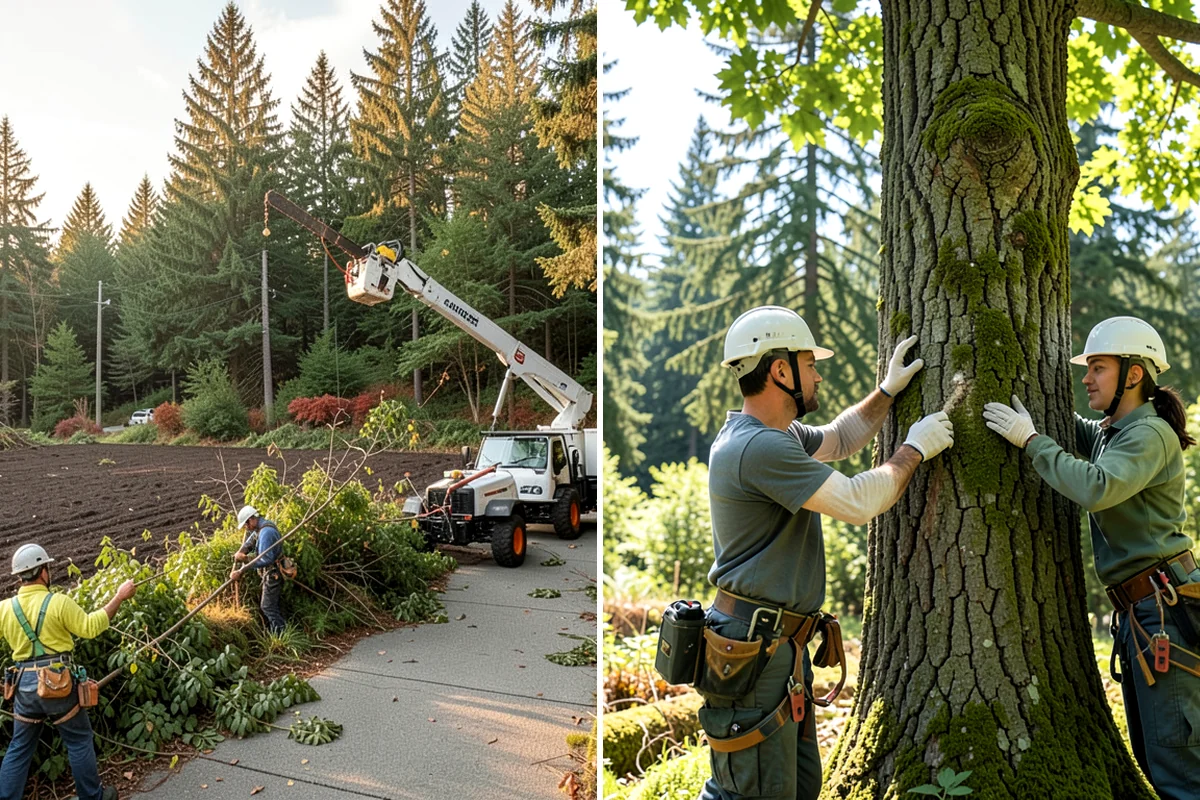
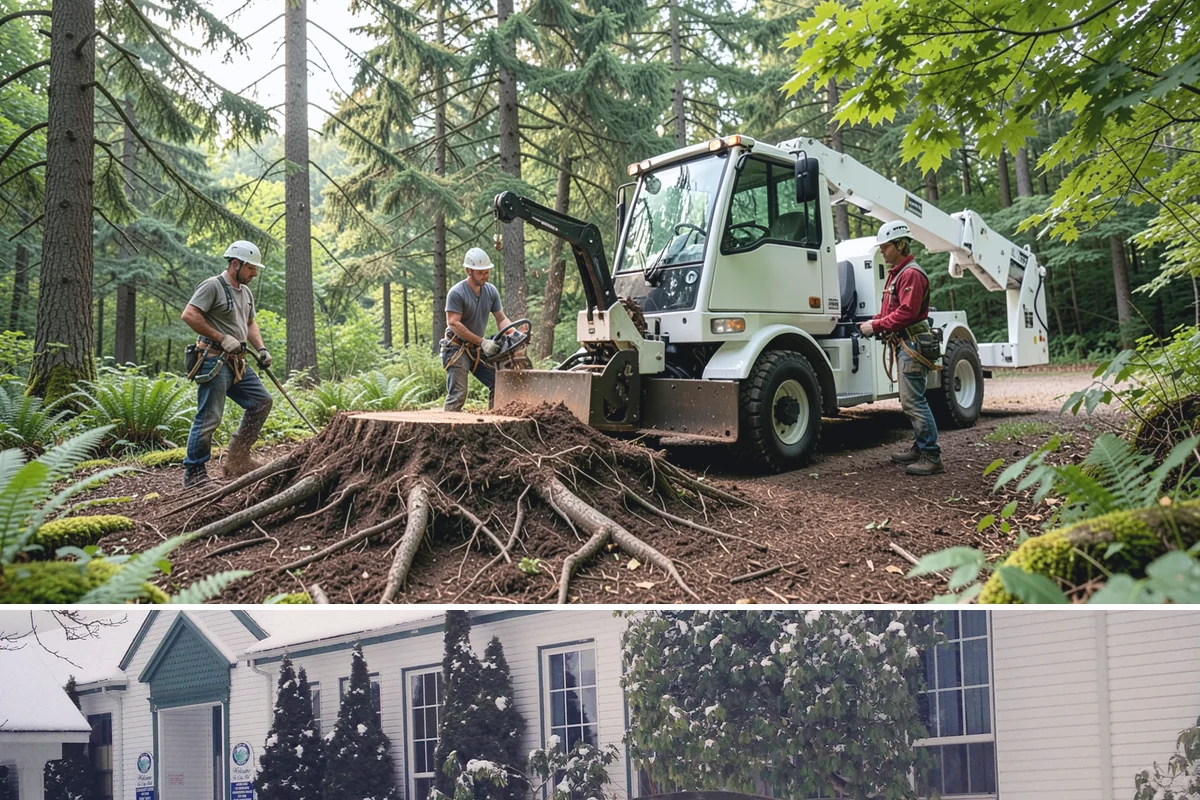
To handle these challenging conditions, we use chainsaws along with specialized rigging gear to control heavy loads safely. Depending on your specific site needs, an aerial lift or crane may be brought in to reach difficult branches without causing further harm. We also utilize professional chippers and hauling equipment to manage the volume of debris generated by storm cleanup efforts.
Pacific Snow And Ice Damage Cleanup Safety & Best Practices
Storm-damaged trees are often unstable and under significant load, so we treat every situation with extra caution during removal. Our crews stay alert for downed or hidden utility lines that could pose a danger if not identified first. We release tension carefully on bent or pinned material while keeping bystanders clear to ensure everyone remains safe throughout the operation.
Signs You Need Snow And Ice Damage Cleanup in Pacific
You likely need this service when you see trees under stored tension, such as limbs bowing heavily from accumulated snow and ice. Other warning signs include hidden cracks in branches that have partially failed or downed power lines blocking your driveway. If limited access makes it hard to move around safely after a storm, our team can help clear the path for emergency vehicles or daily use.
What Affects the Cost of Snow And Ice Damage Cleanup in Pacific
The final cost is influenced by factors such as tree species and how difficult the site conditions are following a severe weather event. Access limitations caused by fallen debris or snow accumulation will also impact the time required to complete your cleanup project. Additionally, the total volume of debris that needs processing and hauling plays a major role in determining the overall price for this work.
Best Time of Year for Pacific Snow And Ice Damage Cleanup
This service is performed during winter months specifically after snow and ice loading events have occurred on your property. We wait until immediate hazards are addressed before we begin relieving tension on limbs to prevent further damage or collapse. Scheduling this cleanup promptly helps you recover from severe weather while minimizing the risks associated with unstable trees in cold conditions.

Cleanup options after snow and ice damage in Pacific
Owners usually choose between three approaches. The right one depends on what broke, how the tree is built, and what the weather is likely to do next.
Option 1: Clean up and leave the tree alone
If a limb has already fallen and the tree is sound, the job may be clearing debris and making a proper pruning cut where the break left a torn stub. Under standard ANSI A300 practice, the cut is made just outside the branch collar so the wound can seal. Ragged breaks heal poorly.
Option 2: Prune to reduce further risk
When limbs are cracked, hanging or split at a union, removing them is the usual step. Broken wood tends to fail again. We would not top the tree to fix it. Topping leaves weakly attached regrowth and invites decay.
Option 3: Assess for removal
A split trunk, a large leader loss or a heavy lean with lifted soil may mean the tree cannot be made safe. Because Pacific sits in both King County and Pierce County, we check with the city about any rules before removal work starts.
What local conditions favor
- Pacific averages 6.5 inches of snow per season, so heavy loading is occasional. A tree that bent once may not have been stressed before, which favors a careful look before deciding on removal.
- The forecast zone that includes Pacific had 3 ice storm episodes from 2005 to 2025. Ice adds weight along every twig, so hidden cracks in the crown are worth checking even when little fell.
- Daymet data shows about 28 nights a year that freeze and thaw by day. Repeated cycles can widen cracks and loosen torn bark, so damaged wood should not sit for months.
If you are unsure which option fits, call or text 425-484-4442. Our ISA Certified Arborist can look at the tree, and estimates are free.
Pacific tree conditions at a glance
| High and strong wind episodes, 2005-2025 | 38 in the forecast zone |
|---|---|
| Ice storm episodes, 2005-2025 | 3 in the forecast zone |
| Average snowfall | 6.5 in a season |
| Soils | 29% of land has hardpan or another restrictive layer within 40 in; most common series Puyallup; 27% well drained |
| Rain and snow falling October to April | 81% of the year’s total |
| Electric utility | unconfirmed |
Tree removal rules in Pacific
Pacific’s published rules don’t spell out clearly which removals need city approval. We check with the city before work starts.
Strongest wind events near Pacific
- Dec 14, 2006: gusts to 74 mph
- Feb 3, 2006: gusts to 67 mph
- Jan 12, 2021: gusts to 61 mph
NOAA Storm Events, forecast zone that includes Pacific, 2005-2025.
Sources: Daymet daily weather (NASA/ORNL), NOAA Storm Events, USDA plant hardiness map 2023, NRCS soil survey, USGS elevation, WA DNR landslide inventory, USDA Forest Service aerial survey, WSDA, city tree assessments and street-tree inventories, SILVIS Lab, Arbor Day Foundation, and official city and utility pages.
Snow And Ice Damage Cleanup Serving Pacific
Pacific
Also serving Pacific
- Storm Damage Inspection in Pacificat Washington Roofing
- Bowing Wall Repair in Pacificat Washington Construction
- Yard Waste Removal in Pacificat Washington Landscaping
- Fire Lane Clearing in Pacificat Washington Snow Removal