Where Safety Meets Expert Tree Service.

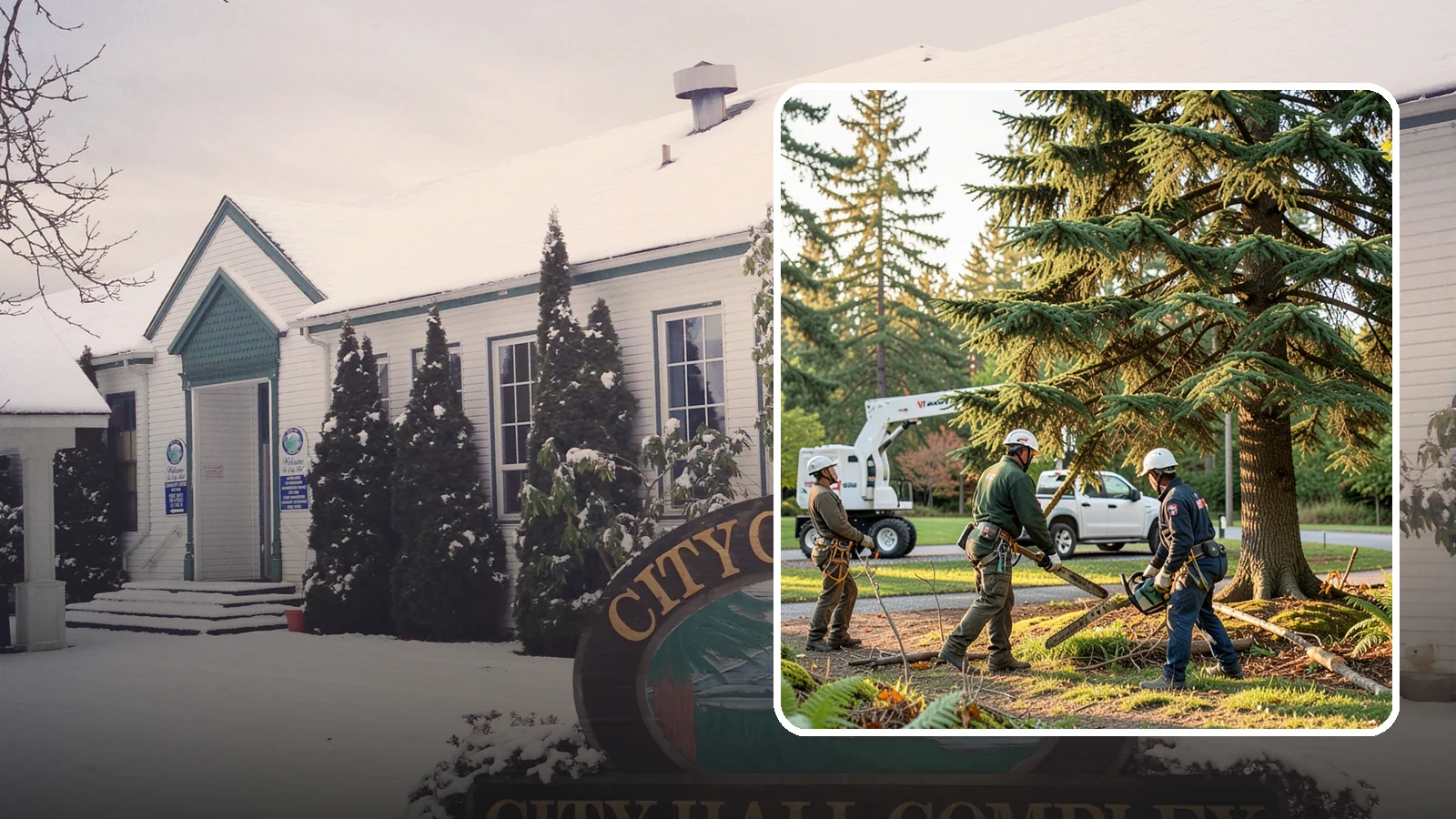
Pacific Park Tree Maintenance
Tree care for parks and recreational areas.
The best time to plan park tree work in Pacific is late fall through winter, once leaves are down and branch structure is easy to read. Pruning in that window lets a crew see dead limbs, cracks and weak unions that summer foliage hides. In zone 8b, winters are generally mild enough that ground work is often possible between storms.
Park tree maintenance covers shared green space: trees along paths, near play areas, around picnic spots and at the edges of nature areas. The goal is to keep people safe and keep trees healthy, one tree at a time.
About Park Tree Maintenance in Pacific
Park tree maintenance is a specialized care approach designed specifically for parks and recreational areas where public safety is paramount. This service helps keep trees in these shared spaces healthy while ensuring they remain safe for everyone who visits them daily. It supports communities by maintaining the beauty and security of local green spaces without requiring complex municipal contracts from individual owners.
What Pacific Park Tree Maintenance Includes
This category covers comprehensive tree care tailored to parks, focusing on keeping trees presentable and secure for public use. Our trained crews follow recognized arboricultural standards to address unique site conditions while matching their methods to specific tree species. The work includes recurring pruning, detailed inspections, and ongoing maintenance plans that evolve as the property’s needs change over time.
Pacific Park Tree Maintenance Process
We begin by inventorying all trees on a park or recreational area to assess their current health and structural stability. Based on this assessment, we develop a customized schedule that prioritizes urgent care while planning for long-term maintenance goals. Throughout the year, our team performs documented work such as pruning and inspections, updating plans regularly to reflect new findings or changing conditions.
Equipment We Use for Pacific Park Tree Maintenance
To handle large park areas safely, crews utilize specialized gear including rigging equipment and aerial lifts when necessary. We bring along inspection tools to evaluate tree health, alongside chippers and hauling units for efficient debris removal on site. All personnel wear personal protective equipment while operating these machines in high-traffic public environments.
Pacific Park Tree Maintenance Safety & Best Practices
Coordinating work around active occupants and traffic flows is a central part of our safety protocol for park maintenance. We establish clear safe work zones within public areas to protect both the crew and visitors during every operation. By following recognized standards and keeping detailed records, we ensure accountability while minimizing risks in busy recreational spaces.
Signs You Need Park Tree Maintenance in Pacific
You may need this service if you notice deferred maintenance backlogs affecting multiple trees across a large site or high-traffic park grounds. Varied conditions among different tree species often require coordinated access planning that standard residential care does not address. If your property faces challenges scheduling work around peak recreation periods, our specialized approach can help manage these complex logistical needs.
What Affects the Cost of Park Tree Maintenance in Pacific
The investment for this service is influenced by existing maintenance backlogs and the specific high-traffic nature of park environments. Costs also vary based on the wide variety of tree species found across large recreational sites and the complexity of coordinating crew access. These factors ensure that care remains consistent and budget-friendly while addressing the unique demands of public spaces.
Best Time of Year for Pacific Park Tree Maintenance
Work is performed year-round to maintain essential safety standards, though pruning efforts are often prioritized during dormant seasons for better results. Inspections are typically scheduled around peak recreational use periods to minimize disruption to visitors enjoying the park facilities. This flexible timing allows us to address urgent needs immediately while planning major care tasks when they will be most effective.
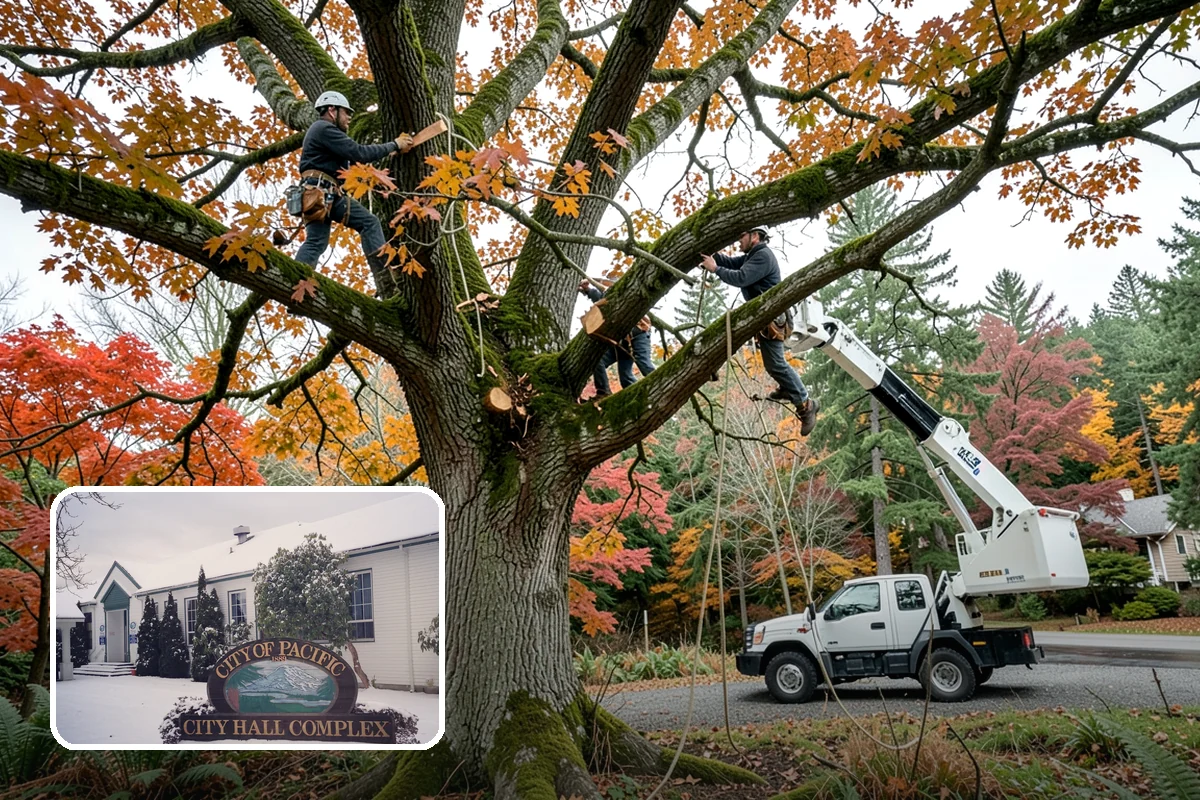
Planning park tree maintenance in Pacific, Washington
Start with a walk-through. Pacific has 11 parks and nature reserves covering about 11 hectares, according to OpenStreetMap. That is a figure for mapped park areas, not a count of trees or a statement about their condition. It does tell you the sites are often small, so a single tree can sit close to a path, a fence or a neighbor's yard. Tight spaces shape how work gets done.
What affects scope
Scope depends on tree size, species, defects and what sits underneath. A tree over a play surface or bench needs more careful rigging than one in an open lawn. Deadwood removal, crown cleaning and clearance pruning for paths follow ISA/ANSI A300 practice, which means cutting at proper points and not removing more live crown than the tree can tolerate. We do not recommend topping.
Local forest health is worth a mention, with limits. A federal aerial survey (USDA Forest Service and WA DNR, 2021-2025) of forest within 10 km of Pacific mapped 890 acres of decline with no cause identified, mostly in hardwoods and western redcedar. It also mapped 14 acres of unknown root disease or decay and 3 acres of fir engraver damage. This covers forest land, not park or yard trees. Still, it is a reason to look closely at crown thinning, dieback and root flare on park trees, since dieback can have several causes.
Because Pacific spans King and Pierce counties, we check with the city about any permit or approval before work starts, especially for removals.
What to expect on the day
Expect the work area to be marked off and paths or seating closed nearby. The crew inspects the tree again, sets ropes or lifts, makes the cuts, then chips the small material and clears debris. Larger removals may be cut into sections and lowered rather than dropped.
Practical tip: before we visit, note which trees concern you and photograph any dead branches, fungus at the base or leaning. Those notes help us focus the estimate, and you can reach us at 425-484-4442 for a free one.
Pacific tree conditions at a glance
| USDA hardiness zone | 8b |
|---|---|
| High and strong wind episodes, 2005-2025 | 38 in the forecast zone |
| Soils | 29% of land has hardpan or another restrictive layer within 40 in; most common series Puyallup; 27% well drained |
Tree removal rules in Pacific
Pacific’s published rules don’t spell out clearly which removals need city approval. We check with the city before work starts.
Sources: Daymet daily weather (NASA/ORNL), NOAA Storm Events, USDA plant hardiness map 2023, NRCS soil survey, USGS elevation, WA DNR landslide inventory, USDA Forest Service aerial survey, WSDA, city tree assessments and street-tree inventories, SILVIS Lab, Arbor Day Foundation, and official city and utility pages.
Park Tree Maintenance Serving Pacific
Pacific
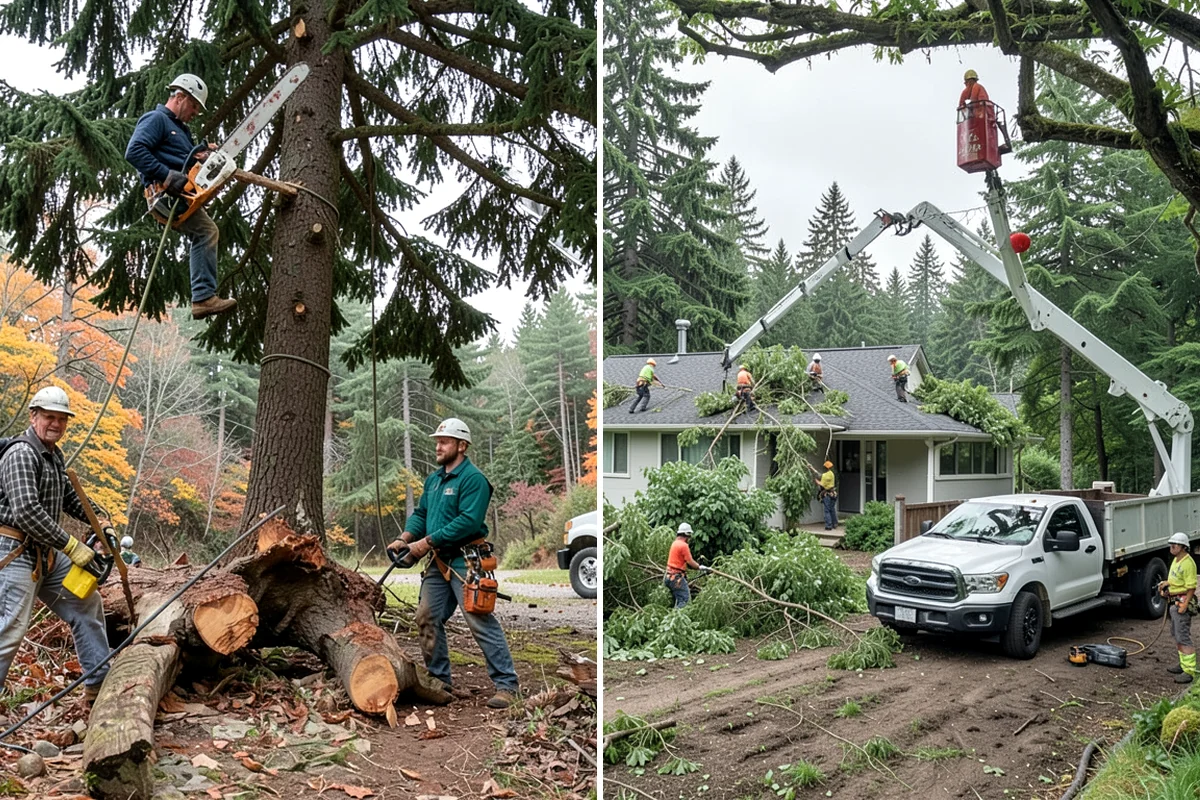

Also serving Pacific
- Tree Inventory in Pacificat Washington City Services
- Commercial Landscape Maintenance in Pacificat Washington Landscaping
- ADA Commercial Compliance in Pacificat Washington Construction
- Storefront Washing in Pacificat Washington Pressure Washing