Where Safety Meets Expert Tree Service.

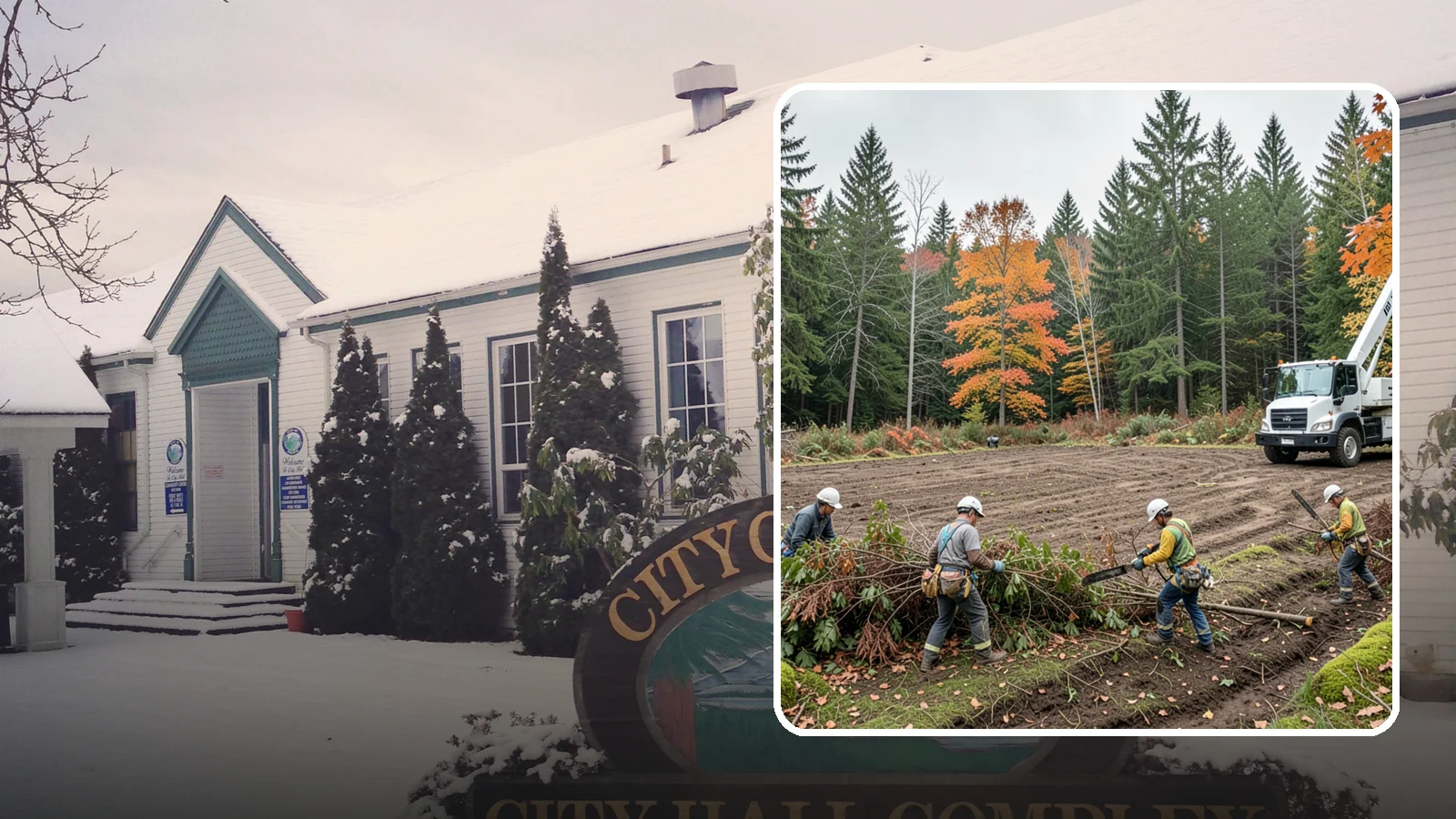
Pacific Invasive Vegetation Removal
The removal of invasive plant species.
This service is for owners in Pacific whose yard, fence line or back lot is being taken over by English ivy, Himalayan blackberry, Scotch broom or similar plants. It also fits anyone who has bought a property with an overgrown edge and cannot tell what is growing there or where to start.
The first step is identifying what you have. Some plants spread by seed, some by runners, and some resprout from root pieces left in the ground. The plant decides the method, so a walk through the property with photos in hand helps before any cutting begins.
About Invasive Vegetation Removal in Pacific
We help homeowners manage overgrown areas by safely removing invasive plant species that threaten your property’s health. Our team is dedicated to restoring site conditions so you can enjoy a safer and more usable outdoor space. This service supports native vegetation while addressing common issues like dense, thorny growth or fire hazards.
What Pacific Invasive Vegetation Removal Includes
Invasive vegetation removal focuses on clearing unwanted plants to protect existing trees and improve overall land quality. We use methods tailored to your specific site conditions, ensuring that retained features remain safe during the process. The goal is to eliminate invasive species while preparing your land for its intended future use.
Pacific Invasive Vegetation Removal Process
Our trained crews begin by assessing your property and marking important features they need to protect throughout the job. Vegetation is cleared in a planned sequence using appropriate techniques matched to each tree species and access point. After clearing, we process materials, tidy the area as needed, and responsibly dispose of all debris left behind.
Equipment We Use for Pacific Invasive Vegetation Removal
To handle various growth types effectively, our crews utilize brush cutters, chainsaws, chippers, and hauling equipment alongside hand tools. We also wear full personal protective gear to ensure everyone stays safe while working around uneven terrain or hidden obstacles. The right combination of machinery allows us to tackle even the densest patches without damaging your retained trees.
Pacific Invasive Vegetation Removal Safety & Best Practices
Safety is a priority as we identify property lines, utilities, and features that must be kept intact during clearing operations. Our team carefully manages debris piles to prevent hazards while watching for uneven ground or wet spots on steep sites. We take extra care to protect the root zones of any healthy trees you want to keep standing after the work is done.
Signs You Need Invasive Vegetation Removal in Pacific
You may need this service if your site has dense, thorny growth that limits access and makes outdoor activities difficult. Signs include invasive species continuing to regrow despite previous attempts or vegetation creating a fuel load that increases fire risk. If uneven terrain or wet conditions are making parts of your yard unusable, clearing these areas can restore their function.
What Affects the Cost of Invasive Vegetation Removal in Pacific
The price for this work depends on factors like how dense the vegetation is and whether it has thorny characteristics that slow down removal. Uneven or difficult-to-access terrain will also influence the cost, as will our commitment to responsibly disposing of all debris generated during the project. These variables ensure we provide a fair quote based strictly on your specific site conditions rather than fixed rates.
Best Time of Year for Pacific Invasive Vegetation Removal
While work can generally proceed year-round in Puget Sound weather, heavy rain may delay projects involving wet or steep sites where safety is paramount. We plan our schedules to accommodate these natural conditions and avoid starting when the ground is too saturated for safe operation. This flexibility allows us to get your land cleared whenever it fits best with your needs while maintaining high safety standards.
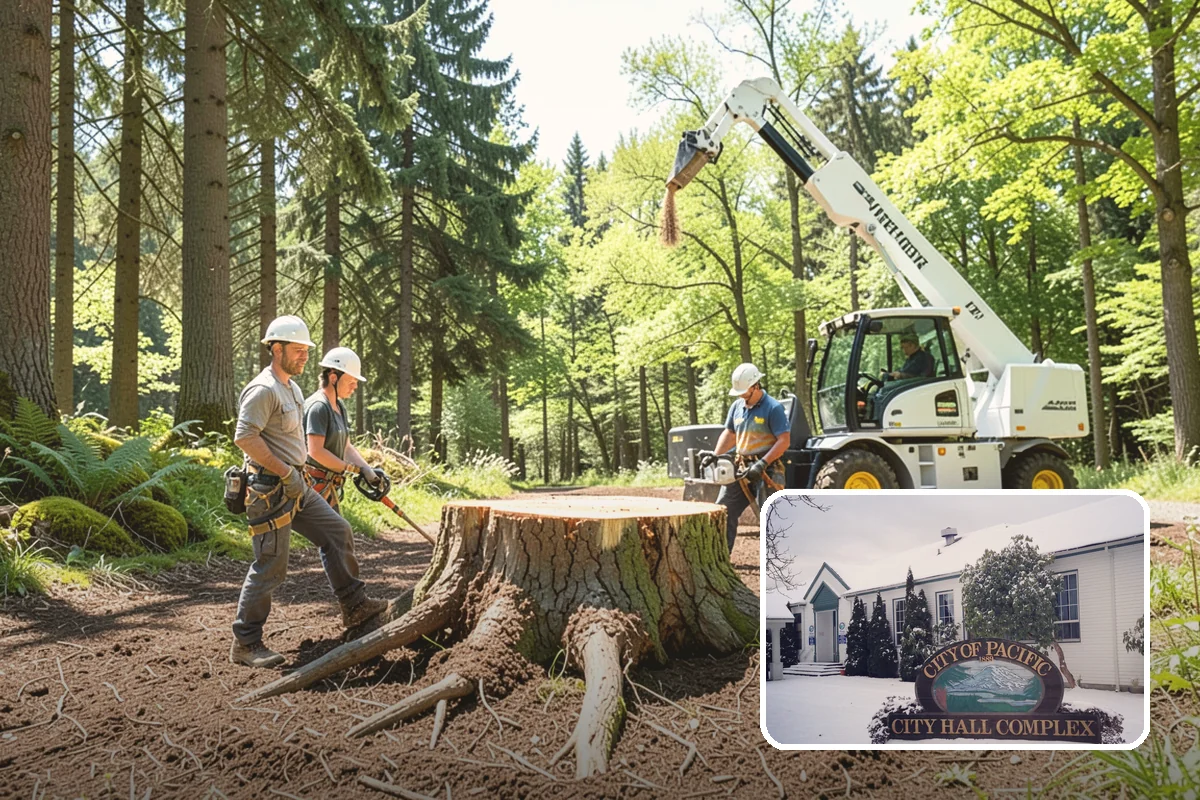
Choosing a removal approach for invasive plants in Pacific
Owners usually choose between a few approaches. The right one depends on the plant, how large the patch is, and what stands next to it.
Your options
- Hand pulling and digging: Works for young plants, small patches and loose soil. It removes roots directly and disturbs little ground around desirable plants.
- Cutting and repeated clearing: Stems are cut back, then regrowth is cleared again as it appears. It suits dense blackberry and broom, but it takes several visits.
- Mechanical clearing: Brush cutters or small machines cover large areas quickly. They leave root crowns behind, so follow-up work matters.
- Herbicide on cut stems: Sometimes used for stubborn species. Product choice and label rules apply, and it needs care near water and desirable plants.
What local conditions favor
Rain and snow in Pacific are concentrated in the cooler months. According to Daymet data for 2005 to 2025, about 81% of the yearly total falls from October to April. Wet soil makes pulling roots easier, so that stretch often suits hand removal. Dry summer ground is harder to dig, but it is a good time to cut back and treat regrowth.
Ivy deserves special attention where it climbs trees. Vines are best cut at the base so the upper growth dies back, and they should not be pulled off bark, which can cause damage. Satellite data shows only about 8% of Pacific's land has dense tree cover of 50% canopy or more. In an area with fewer trees, open ground can be recolonized quickly by sun-loving species like blackberry and broom. Plan for replanting or mulching after clearing so bare soil does not fill back in.
Permits and next steps
The published tree rules we found for Pacific do not spell out clearly which removals need city approval. If a job involves removing a tree, such as one smothered by vines, we check with the city before work starts. Bring photos and a rough idea of the area, and we can talk through which approach fits.
Pacific tree conditions at a glance
| Homes in the wildland-urban interface | 0% |
|---|---|
| Land under dense tree cover (50%+ canopy) | 8% |
| Rain and snow falling October to April | 81% of the year’s total |
Tree removal rules in Pacific
Pacific’s published rules don’t spell out clearly which removals need city approval. We check with the city before work starts.
Tree health near Pacific
- Decline, cause not identified890 ac
- Unknown root disease or decay14 ac
- Fir engraver3 ac
Forest damage mapped from the air within 10 km of Pacific, 2021-2025 (USDA Forest Service and WA DNR). This covers forest land, not street or yard trees. “Decline, cause not identified” is dieback with no single cause found.
Sources: Daymet daily weather (NASA/ORNL), NOAA Storm Events, USDA plant hardiness map 2023, NRCS soil survey, USGS elevation, WA DNR landslide inventory, USDA Forest Service aerial survey, WSDA, city tree assessments and street-tree inventories, SILVIS Lab, Arbor Day Foundation, and official city and utility pages.
Invasive Vegetation Removal Serving Pacific
Pacific
Also serving Pacific
- Trenching in Pacificat Washington Landscaping
- Excavation in Pacificat Washington Construction
- Roadside Spraying in Pacificat Washington City Services
- Storm Wood Processing in Pacificat Washington Firewood