Where Safety Meets Expert Tree Service.


Pacific Fence Line Clearing
The clearing of vegetation along fence lines.
Fence line clearing makes most sense in late fall through winter, when deciduous growth is dormant and you can see exactly where branches, vines and saplings are pushing on the fence. It also gets ahead of the windy months, when loaded limbs lean on boards and wire.
Walk the fence now and mark what you find: limbs resting on the top rail, trunks growing into posts, and brush hiding the base. That walk is the start of a clear plan for the work.
About Fence Line Clearing in Pacific
Fence line clearing helps homeowners keep their property lines defined and easy to maintain while protecting your fencing from overgrowth. Our trained crews work carefully through dense vegetation along fence lines to simplify future upkeep for you. This service is ideal if you want a cleaner, safer edge between your yard and neighboring properties or public spaces.
What Pacific Fence Line Clearing Includes
This land clearing task focuses specifically on removing unwanted plants that grow right next to your fences. The goal is to reduce fire risk by lowering fuel loads while controlling invasive species that might otherwise take over the area. We clear these areas in a planned sequence to ensure the fence remains secure and accessible for daily use.
Pacific Fence Line Clearing Process
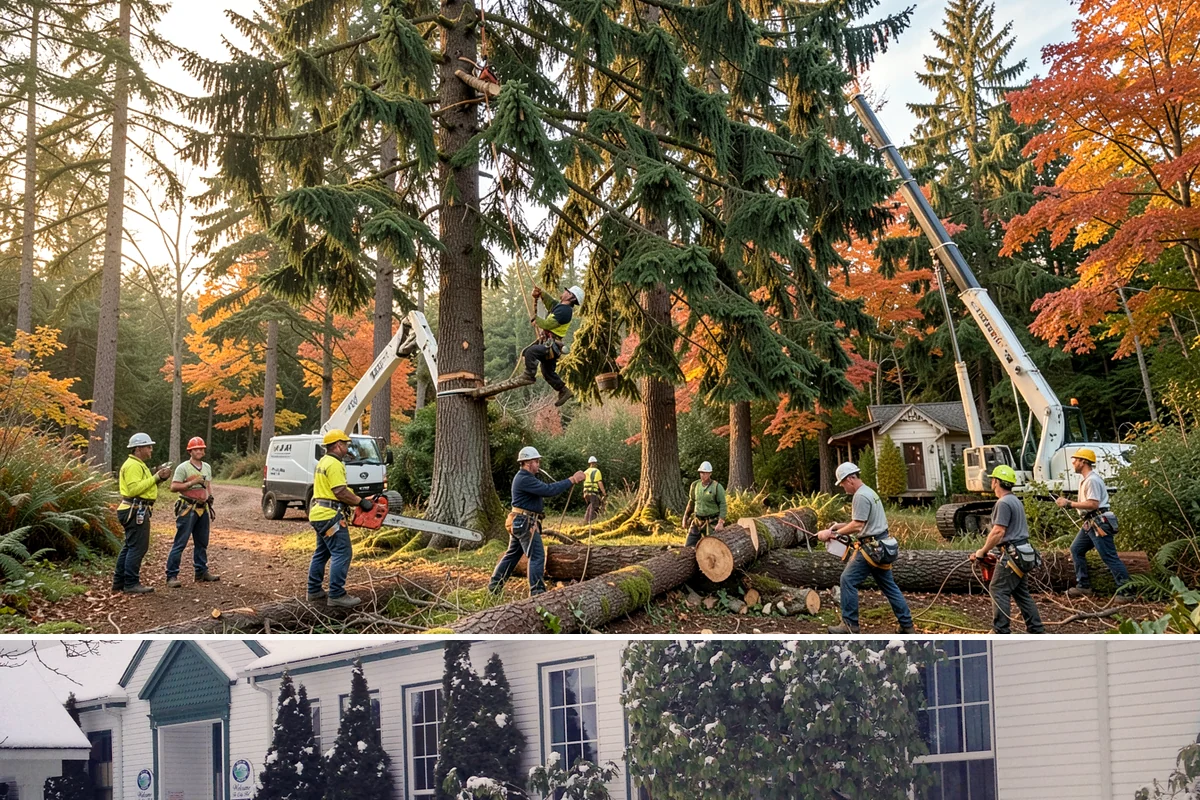
Our team begins by assessing the site, marking important features like utility lines or specific plants you wish to keep intact. Once marked, we remove vegetation using methods matched to your specific tree species and current ground conditions. After clearing is complete, we process and haul away debris responsibly, then tidy up the area so it looks neat again.
Equipment We Use for Pacific Fence Line Clearing
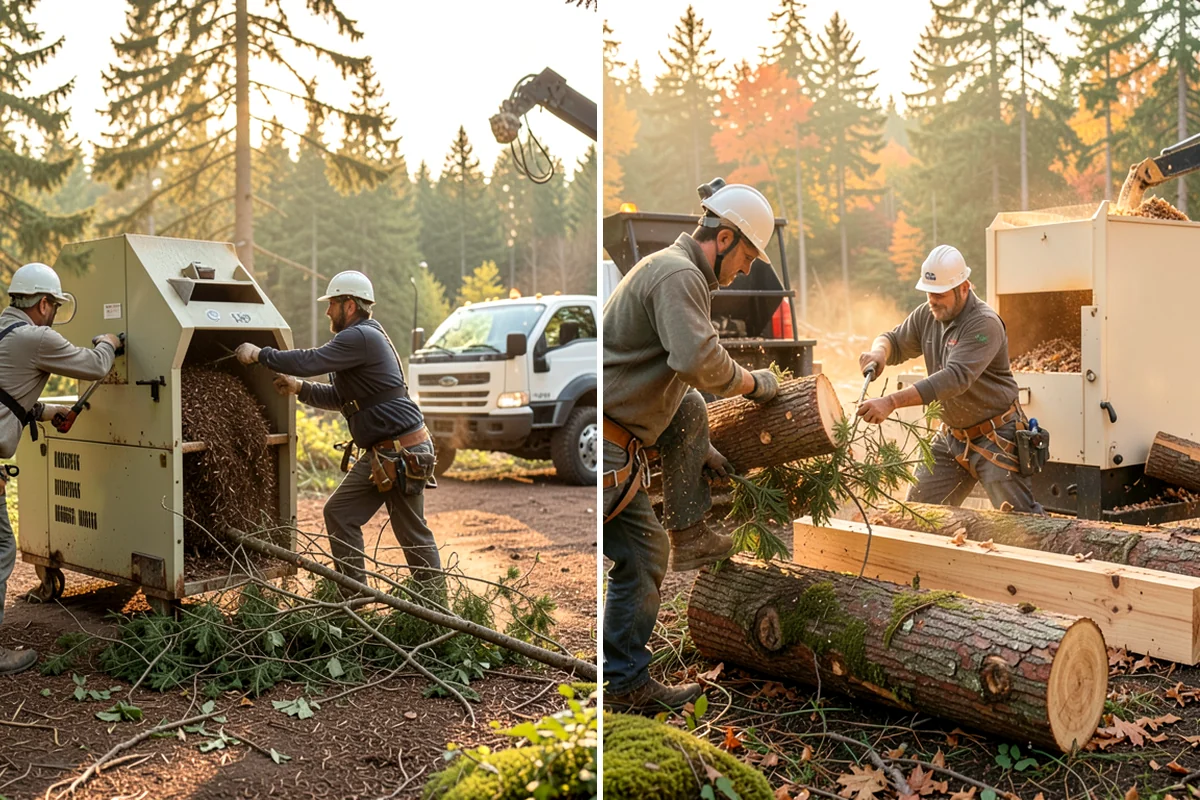
We utilize a mix of brush cutters, chainsaws, chippers, and hauling equipment tailored to the job at hand. Hand tools are often used for delicate work near fences or around sensitive root zones that need extra care. All crew members wear necessary personal protective gear while operating this machinery safely along your property lines.
Pacific Fence Line Clearing Safety & Best Practices
Safety is our priority as we identify utility locations and uneven terrain before starting any cutting or clearing work. We take special precautions to protect retained trees, their roots, and the fence structure from accidental damage during operations. By managing debris effectively on site, we prevent hazards that could arise from loose branches or slippery conditions after rain.
Signs You Need Fence Line Clearing in Pacific
You may need this service if you notice thorny growth making your property difficult to walk through or inspect regularly. Invasive species are another sign it is time for clearing, as they can quickly regrow and overwhelm fence lines without help. If wet mud makes access tricky or the vegetation looks too dense to manage on your own, professional assistance may be needed.
What Affects the Cost of Fence Line Clearing in Pacific
The price of this work depends largely on how thick the vegetation grows along your specific fence line. Uneven ground that is hard to navigate will also influence the final cost compared to flat and easy-to-access areas. Additionally, if you have thorny plants requiring special protection methods or a large volume of debris for disposal, these factors play a role in pricing.
Best Time of Year for Pacific Fence Line Clearing
While we can perform this work year-round given our local climate conditions, wet weather may complicate access on uneven terrain at times. It is best to schedule projects when the ground is not overly muddy so that heavy equipment and crews can move safely along your property lines. We will always account for current soil moisture levels before beginning any clearing operation near fences or slopes.
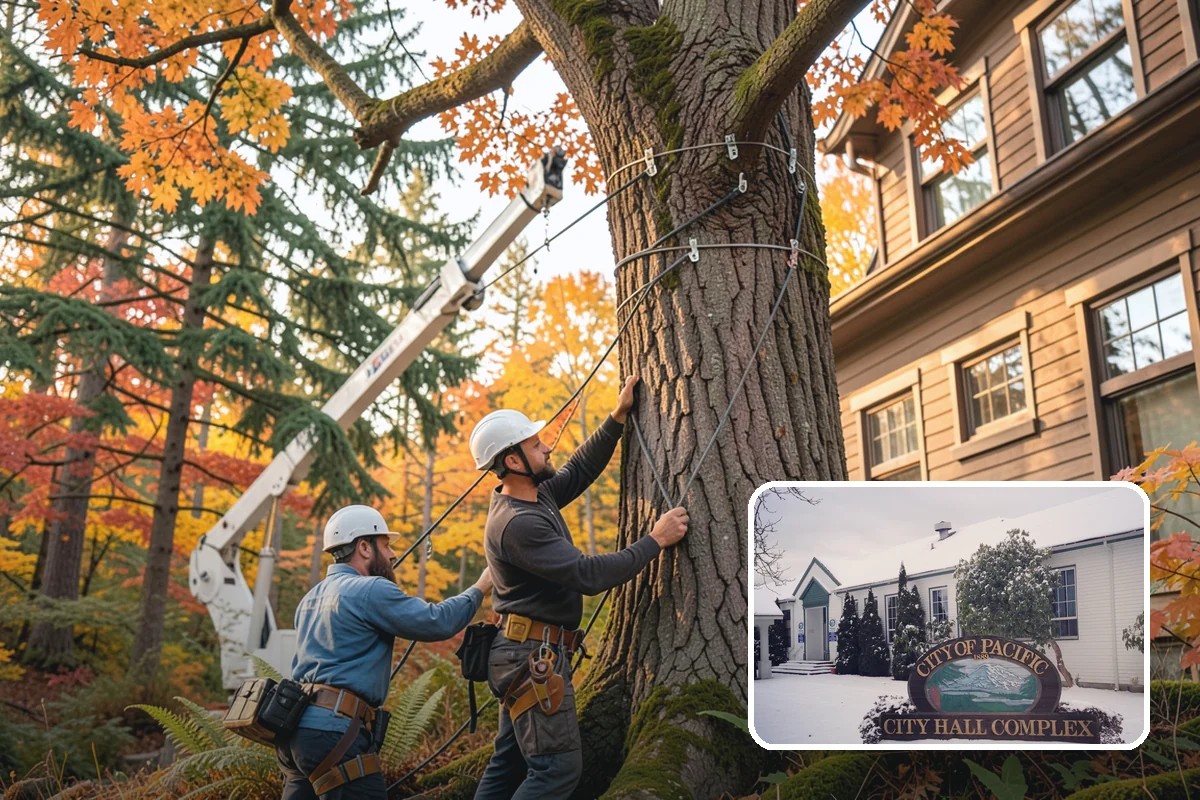
Planning fence line clearing in Pacific, Washington
Start with the boundary. Pacific sits across King County and Pierce County, so confirm which side of the line your property is on and where the fence actually stands compared with the property line. Trees and brush that sit on a neighbor's side are a conversation to have with them before anyone cuts.
What affects the scope
The biggest factors are how much growth has built up, how close trunks are to posts, and whether anything is already leaning. Small brush and overhanging limbs are quick work. A trunk that has grown around wire or a post is slower, because removing it can damage the fence or the tree's remaining structure.
Wind matters here. The National Weather Service forecast zone that includes Pacific recorded 38 high and strong wind episodes between 2005 and 2025. That is zone-wide data, not a reading for your yard, but it is a good reason to deal with weak, leaning or heavily loaded limbs along a fence before a storm pushes them over it.
Housing in Pacific is mostly single-family. Census ACS data for 2020-2024 puts detached houses at about 63% of homes. That usually means close neighbors on side fences, so we plan where cut material will fall and how to keep debris off the other side.
Tree removal rules can apply even on a fence line. If a tree may be large enough to be regulated, we check with the city before work starts. Pruning and brush clearing are different work from removal, and we confirm what applies to your job rather than assume.
What to expect on the day
We walk the fence with you first and confirm what stays and what goes. Pruning follows standard practice: cuts made back to a branch or trunk, not stubs, and no topping. Brush and vines are cut at the base and removed from the fence. Debris is chipped or hauled as agreed.
Our ISA Certified Arborist can advise on any tree you are unsure about, and estimates are free. Call or text 425-484-4442.
One practical tip: take photos of the fence before and after, and tie bright flagging tape to anything you want kept, such as a shrub or a young tree.
Pacific tree conditions at a glance
| Homes in the wildland-urban interface | 0% |
|---|---|
| Land under dense tree cover (50%+ canopy) | 8% |
| Rain and snow falling October to April | 81% of the year’s total |
Tree removal rules in Pacific
Pacific’s published rules don’t spell out clearly which removals need city approval. We check with the city before work starts.
Tree health near Pacific
- Decline, cause not identified890 ac
- Unknown root disease or decay14 ac
- Fir engraver3 ac
Forest damage mapped from the air within 10 km of Pacific, 2021-2025 (USDA Forest Service and WA DNR). This covers forest land, not street or yard trees. “Decline, cause not identified” is dieback with no single cause found.
Sources: Daymet daily weather (NASA/ORNL), NOAA Storm Events, USDA plant hardiness map 2023, NRCS soil survey, USGS elevation, WA DNR landslide inventory, USDA Forest Service aerial survey, WSDA, city tree assessments and street-tree inventories, SILVIS Lab, Arbor Day Foundation, and official city and utility pages.
Fence Line Clearing Serving Pacific
Pacific
Also serving Pacific
- Land Clearing in Pacificat Washington Landscaping
- Garage Demolition in Pacificat Washington Construction
- Roadside Spraying in Pacificat Washington City Services
- Firewood Hauling in Pacificat Washington Firewood