Where Safety Meets Expert Tree Service.

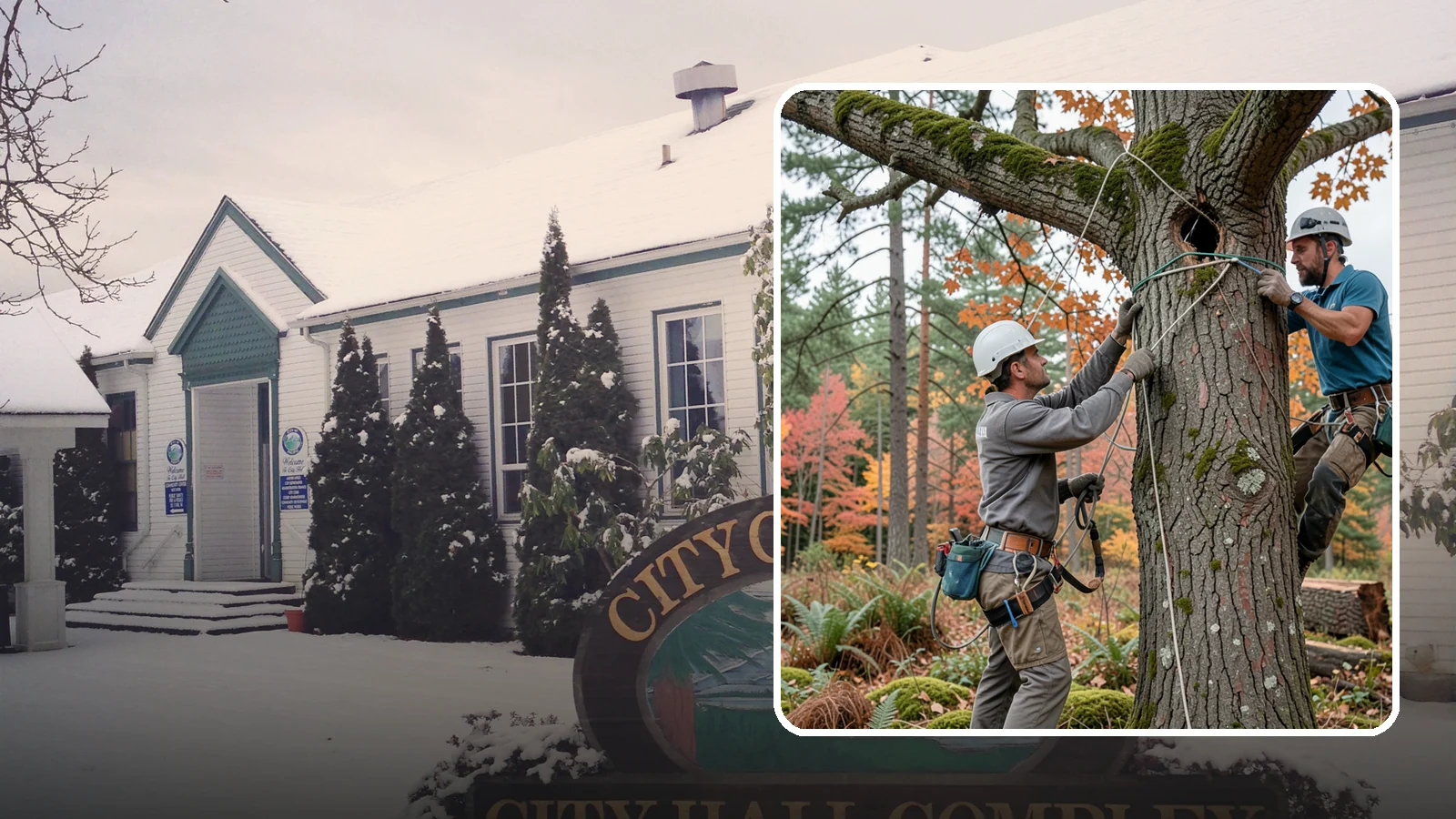
Pacific Dynamic Cabling Installation
The installation of flexible support systems that allow natural movement.
You may be looking up at a tree with a tight fork, two trunks growing close together, or a large limb that leans over the house, and wondering whether it will hold in the next storm. Cracks at the union, bark squeezed between stems, or a limb that sags are common reasons people start asking about cabling.
Dynamic cabling is one way to give a weak union some support without making it rigid. This page explains how it works, when it fits, and how wind and ice records for the Pacific area bear on the decision.
About Dynamic Cabling Installation in Pacific
Dynamic cabling installation helps protect your valued trees by adding flexible support systems that allow them natural movement. This service is ideal for homeowners who want to reduce the risk of limb or stem failure while preserving significant specimens on their property. We work with trained crews to ensure every tree receives care matched specifically to its species and site conditions.
What Pacific Dynamic Cabling Installation Includes
This category of cabling involves installing hardware designed to support weak unions without restricting a tree’s ability to build reinforcing wood over time. The process focuses on stabilizing heavy limbs or included-bark areas while following recognized arboricultural standards for safety and effectiveness. Our goal is to extend the safe life of your trees by addressing structural weaknesses before they become dangerous failures.
Pacific Dynamic Cabling Installation Process
Work begins with an assessment of structural defects, load paths, and specific access conditions at your property site. We select an appropriate support system based on these findings and install hardware precisely where it is needed for maximum benefit. After installation, we document the work performed and set up a schedule to inspect the systems periodically as part of ongoing maintenance.
Equipment We Use for Pacific Dynamic Cabling Installation
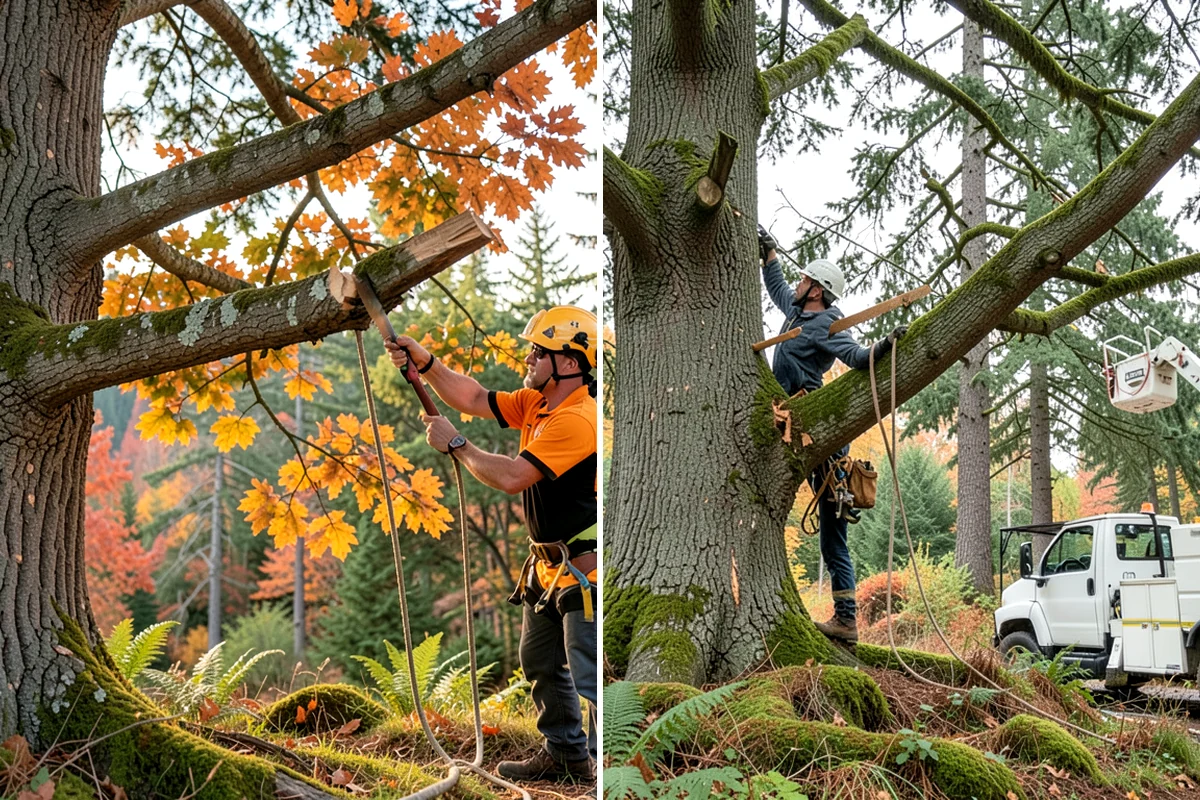
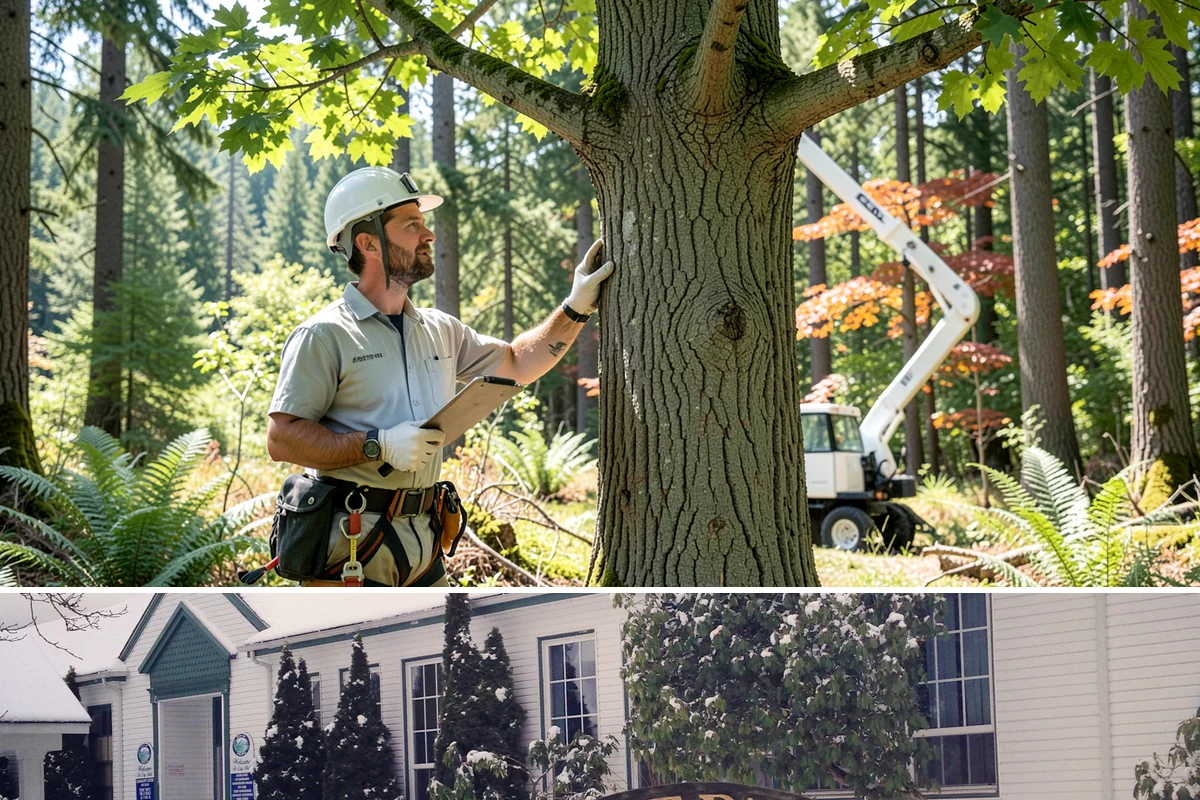
Our crews utilize specialized cabling and bracing hardware along with professional installation tools to complete each job safely. Depending on the tree’s height and location, we may use climbing and rigging gear or an aerial lift to reach difficult areas. All personnel wear personal protective equipment throughout the project to ensure a secure working environment for everyone involved.
Pacific Dynamic Cabling Installation Safety & Best Practices
We install cabling only where support is appropriate and effective, using hardware that is correctly rated for the specific load it will carry. It is important to recognize when removal might be the safer option rather than attempting to save a tree with compromised structural integrity. Regular inspections help identify aging hardware or shifting conditions so adjustments can be made before they become hazards.
Signs You Need Dynamic Cabling Installation in Pacific
You may need this service if you notice cracks, cavities, overextended limbs, or included-bark unions forming in your trees. Codominant stems that split under stress are another common situation where dynamic cabling provides necessary reinforcement to prevent sudden breakage. If a tree has reached an age where its hardware needs inspection and replacement, it is also time to consider this support system.
What Affects the Cost of Dynamic Cabling Installation in Pacific
The price of installation varies based on the species of your trees and how complex their structural defects are at each location. Site access conditions play a major role in cost, as reaching certain branches or navigating tight spaces requires additional planning and effort. Additionally, installing hardware at correct positions for multiple weak unions will naturally influence the final investment required for the project.
Best Time of Year for Pacific Dynamic Cabling Installation
There is no fixed season when this work must be done; instead, timing should follow recognized arboricultural standards matched to current site conditions. We evaluate weather patterns and tree health throughout the year to determine the best moment to install or inspect your cabling systems. This flexible approach ensures that our methods are always safe regardless of whether we are working in early spring or late fall.
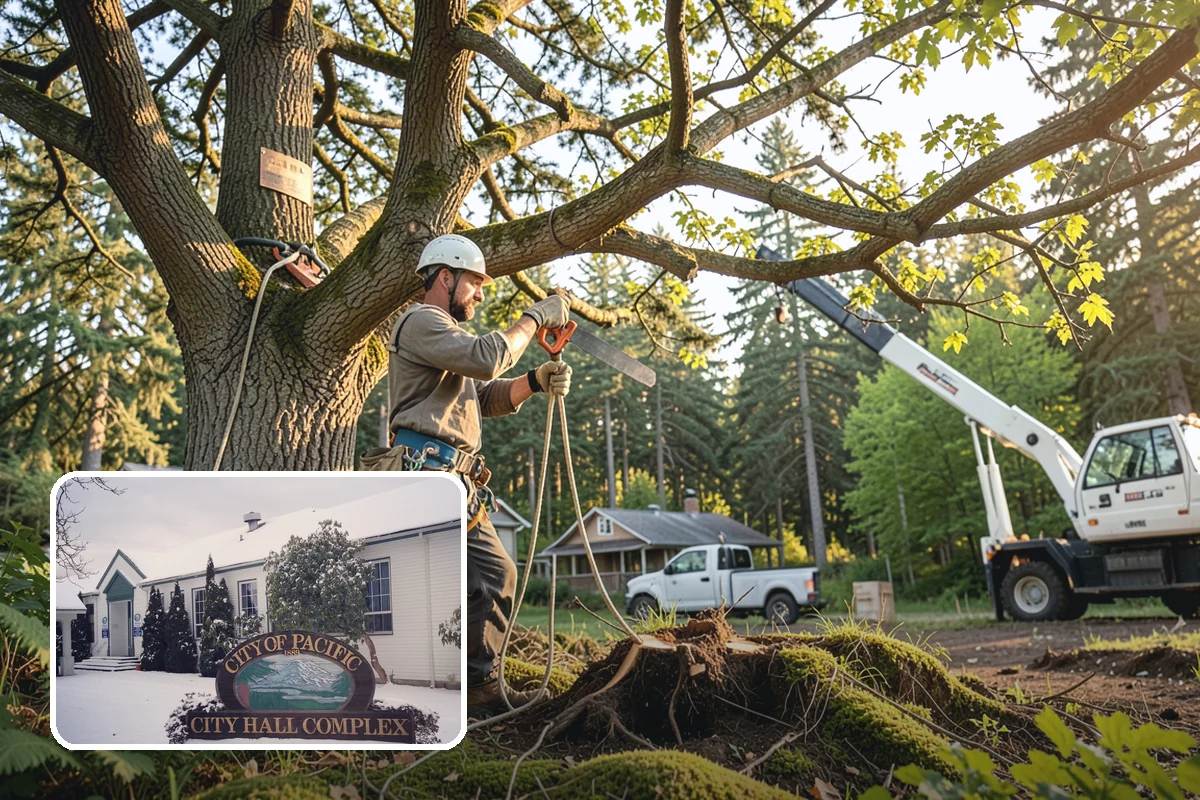
Dynamic cabling and storm risk for trees in Pacific
Many tree failures start at a weak point, often a V-shaped fork where two stems press together and trap bark between them. That bark does not form a strong joint. Add the weight of a full crown, and one stem can split away in a gust.
Dynamic cabling uses a flexible synthetic rope, installed high in the crown above the weak point. The rope is slack in calm weather, so the tree can still move and build strength. When a stem swings far enough, the rope takes up the load and limits how far it travels. It does not repair a crack, and it cannot promise a tree will stay standing. Standard practice under ANSI A300 is to have the work planned by someone trained to judge where the rope belongs and how much slack it needs.
Why wind and ice matter here
The forecast zone that includes Pacific logged 38 high and strong wind episodes between 2005 and 2025. The strongest gust recorded in that zone since 2005 was 74 mph, on December 14, 2006. These are zone-wide records, not measurements from your yard. They do show that a tree with a weak union can expect repeated heavy loading over its life, not a single rare event.
The same zone had 3 ice storm episodes in that period. Ice adds weight to branches and stems, which is the kind of load a support rope is meant to share. If your tree has a split-prone fork, ice and wind together are the situation to plan for.
What the visit looks like
We start by looking at the tree itself: the fork, any cracks, dead wood, and the condition of the roots and trunk. Cabling suits sound trees with a specific structural defect. A tree with advanced decay may need different work, including removal, and we will say so. Where a city permit could apply to what you want done, we check with the city before work starts.
If you want an assessment, call or text 425-484-4442. Estimates are free, and an ISA Certified Arborist is on staff.
Pacific tree conditions at a glance
| High and strong wind episodes, 2005-2025 | 38 in the forecast zone |
|---|---|
| Ice storm episodes, 2005-2025 | 3 in the forecast zone |
| Average snowfall | 6.5 in a season |
| Soils | 29% of land has hardpan or another restrictive layer within 40 in; most common series Puyallup; 27% well drained |
Strongest wind events near Pacific
- Dec 14, 2006: gusts to 74 mph
- Feb 3, 2006: gusts to 67 mph
- Jan 12, 2021: gusts to 61 mph
NOAA Storm Events, forecast zone that includes Pacific, 2005-2025.
Sources: Daymet daily weather (NASA/ORNL), NOAA Storm Events, USDA plant hardiness map 2023, NRCS soil survey, USGS elevation, WA DNR landslide inventory, USDA Forest Service aerial survey, WSDA, city tree assessments and street-tree inventories, SILVIS Lab, Arbor Day Foundation, and official city and utility pages.
Dynamic Cabling Installation Serving Pacific
Pacific