Where Safety Meets Expert Tree Service.

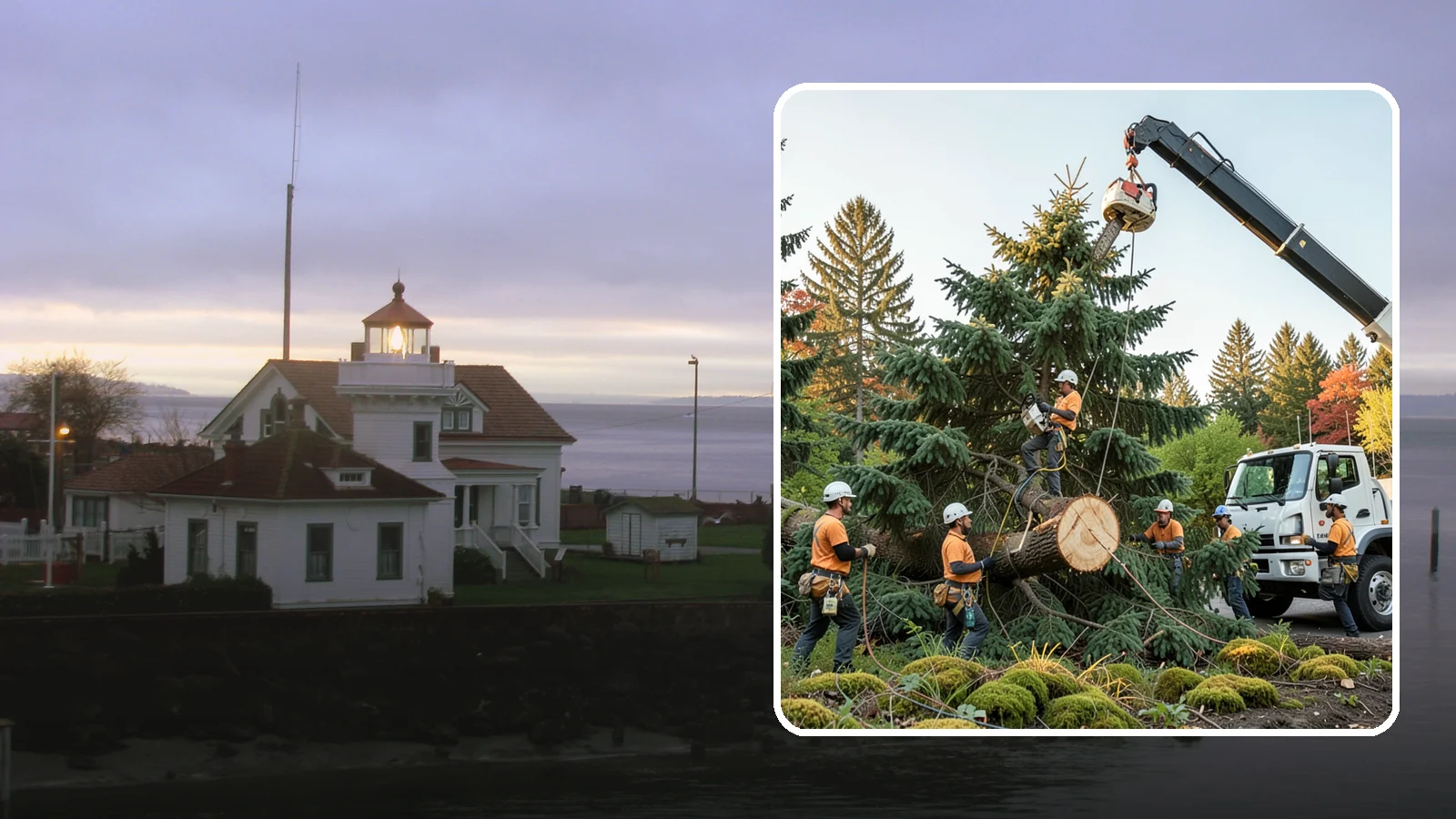
Mukilteo Crane-assisted Tree Removal
The removal of trees using a crane to lift sections clear of obstacles.
Crane-assisted removal makes the most sense when the ground is firm and the tree is not under stress from storms. In the Puget Sound region, that often means a dry spell in late summer or early fall, when soft, wet soil is less likely to rut under equipment. Book ahead of the wet season so the job is not squeezed in between storms.
A crane lifts sections of the tree out from above instead of dropping them. That matters when a tree leans over a house, sits close to wires, or stands where nothing can be dropped safely. Here is how planning, scope and the day itself usually go in Mukilteo.
About Crane-assisted Tree Removal in Mukilteo
If your property has a large tree or tight access that makes standard removal difficult, crane-assisted services offer a safe solution for homeowners in our area. This method helps clear obstacles while protecting nearby structures and landscaping from potential damage during the job. We are here to help you manage challenging trees with care and precision.
What Mukilteo Crane-assisted Tree Removal Includes
Crane-assisted tree removal uses specialized equipment to lift sections of a tree, keeping them clear of sensitive targets like homes or power lines. This approach is ideal when access is restricted, nearby features require extra protection, or the size of the tree makes conventional rigging impractical. Our crews follow recognized arboricultural standards to ensure every step matches your specific site conditions and tree species.
Mukilteo Crane-assisted Tree Removal Process
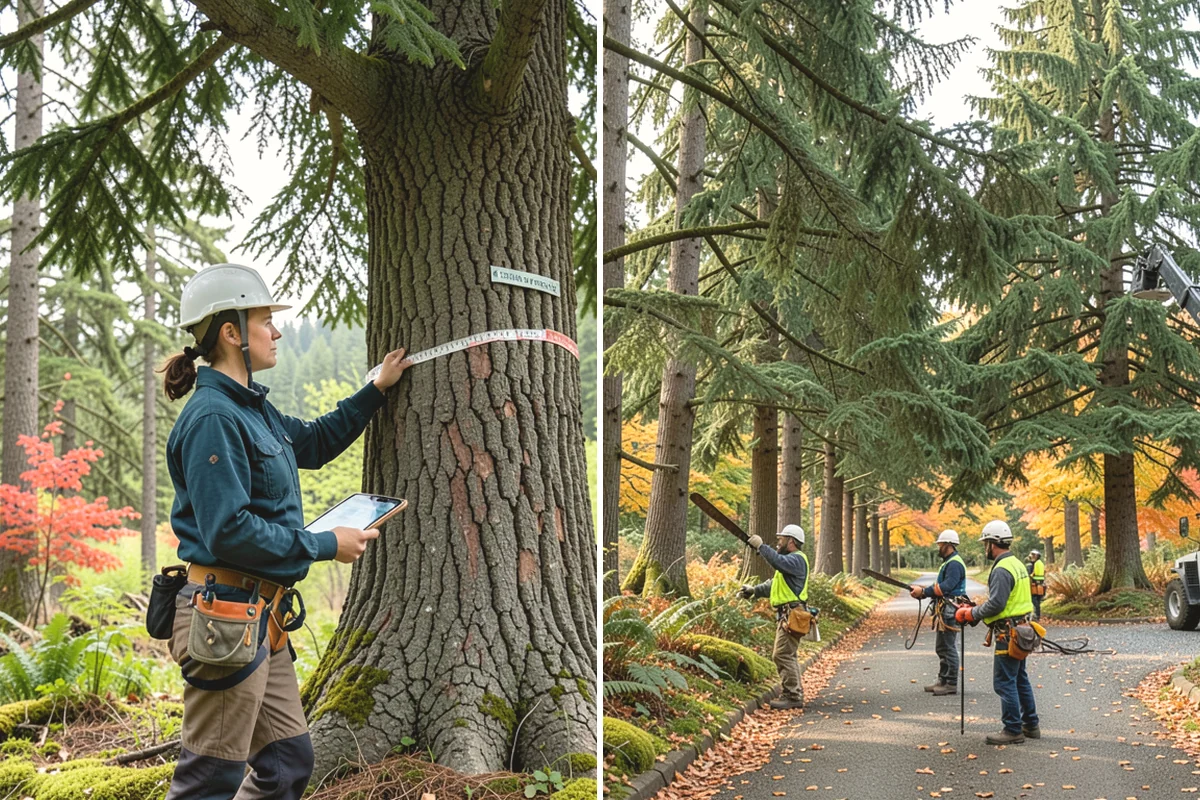
The work begins with an on-site assessment to evaluate hazards and establish safe drop zones around the property. Crews then carefully rig limbs or fell the stem in a controlled sequence before processing the wood and hauling debris away. Once all material is removed, we complete final cleanup to leave your site clear and ready for use again.
Equipment We Use for Mukilteo Crane-assisted Tree Removal
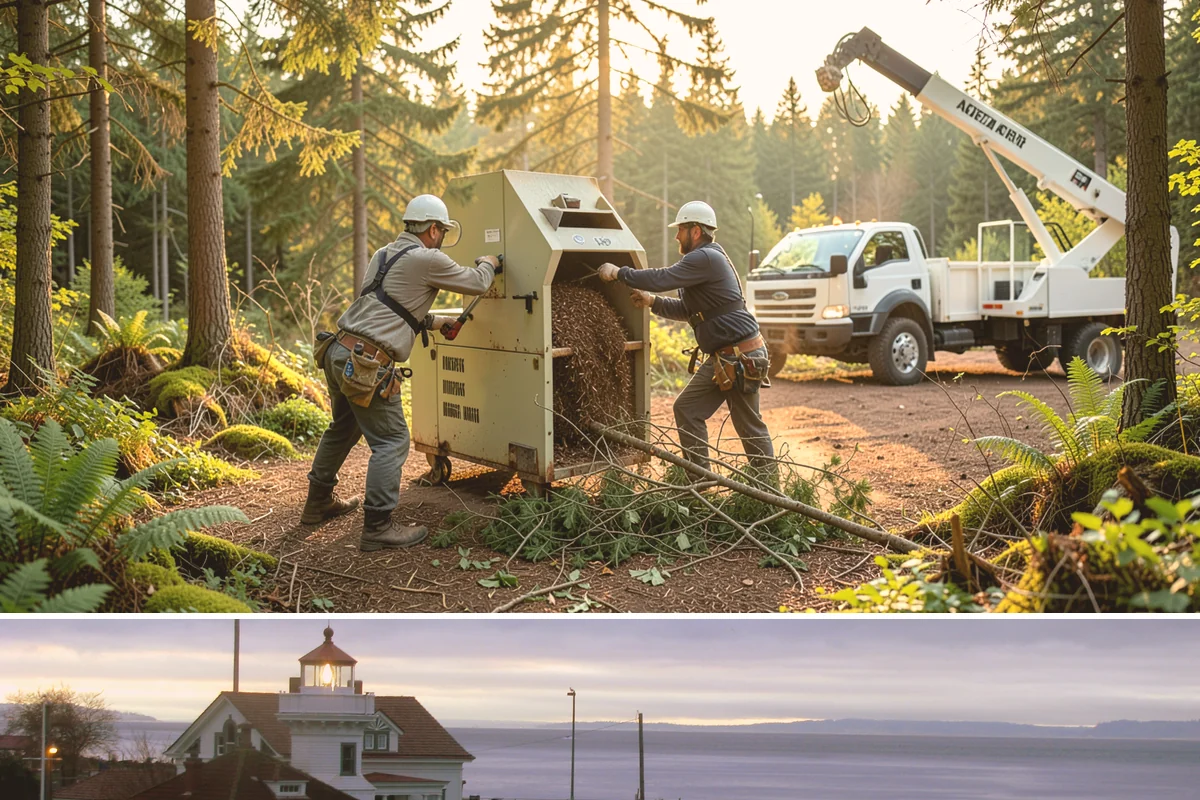
Our teams utilize chainsaws, climbing gear, and ground protection equipment alongside cranes or aerial lifts as needed for each job. A wood chipper helps manage branches on-site while personal protective equipment ensures the safety of everyone involved in the operation. All tools are selected to match the specific requirements of your tree’s size and location.
Mukilteo Crane-assisted Tree Removal Safety & Best Practices
Safety is a priority, so we maintain clear drop zones and follow controlled fall paths throughout the removal process. Before starting any work, our crews identify overhead utility lines and inspect trees for hidden decay or structural defects that could affect stability. We also use coordinated ground communication and proper fall protection to manage risks during every phase of the job.
Signs You Need Crane-assisted Tree Removal in Mukilteo
You may need this service if you notice a tree leaning unpredictably or have limited space for standard equipment on your property. Situations where targets are sensitive, such as homes close by, or internal decay makes conventional methods unsafe also indicate when crane assistance is required. This method helps prevent pests and disease from spreading to nearby trees while removing safety hazards quickly.
What Affects the Cost of Crane-assisted Tree Removal in Mukilteo
The final cost depends on factors like the size of the tree and any hidden conditions affecting its structural integrity. Proximity to structures and power lines, limited equipment access, and specific wood disposal requirements will also influence pricing for your project. These variables ensure we provide an accurate estimate that reflects the unique challenges of your site.
Best Time of Year for Mukilteo Crane-assisted Tree Removal
This service can be performed year-round in our local weather patterns with appropriate planning for ground stability during wetter seasons. While rain requires careful management to keep crane operations safe, crews are ready to work whenever conditions allow and access is available. We prioritize managing moisture levels on the ground to ensure a secure operation regardless of the season.
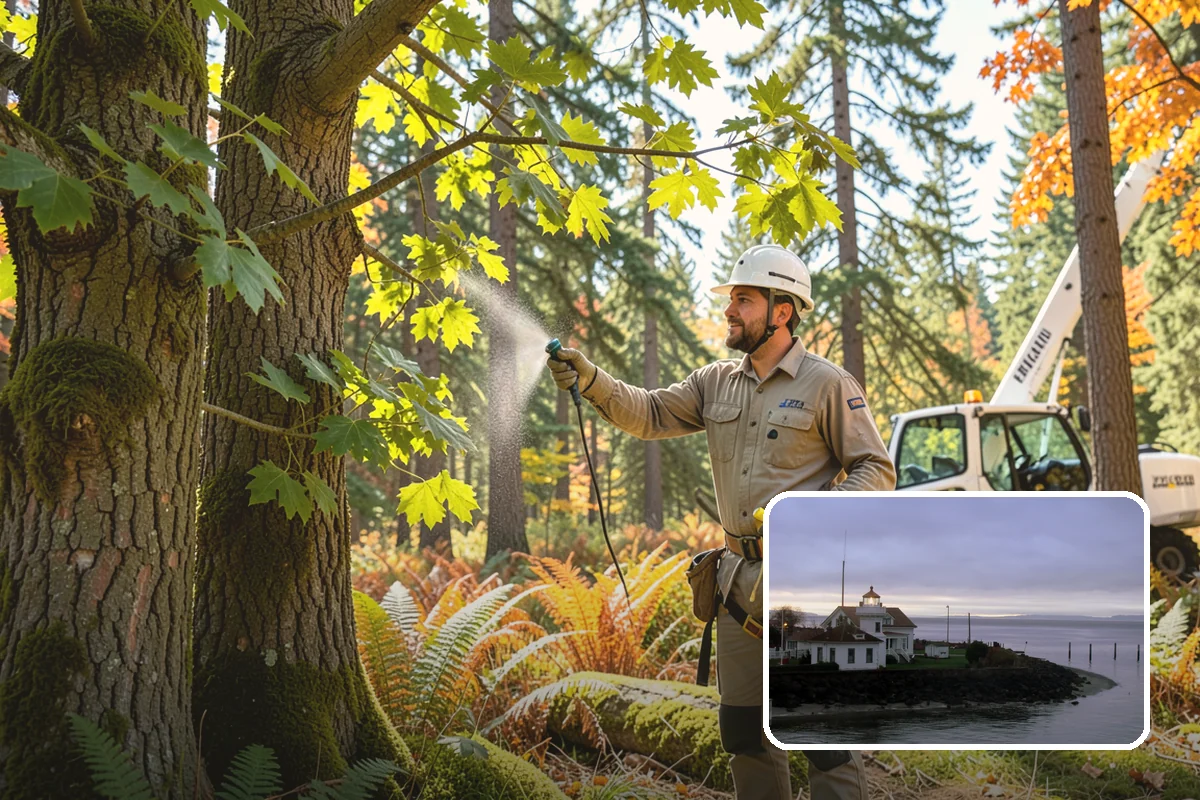
Planning a crane removal on Mukilteo's sloped lots
Start with access. A crane needs a place to set up, and it needs a firm, reasonably level spot. USGS elevation data shows Mukilteo has a lot of steep ground compared with other Puget Sound cities. On a sloped lot, the crane may have to sit in the street or on a driveway, and the lift distance to the tree can change. We look at that during the estimate, because it shapes the whole plan.
Next, the wires. Snohomish County PUD says it does not maintain vegetation around service lines, meaning the wire running to the house. The customer must keep 5 feet of clearance on all sides of the service drop, a 10-foot diameter, except the first 10 feet nearest the primary line, which the PUD trims. If your tree touches or crowds that wire, tell us early. It affects how the work is sequenced and whether the utility needs to be involved.
Scope depends on a few things: the tree's height and lean, its condition, what sits below it, and how far the crane must reach. Decay or a split trunk can change how the tree is rigged. Some trees are removed in one piece at a time from the top down. Others need a mix of climbing and lifting.
On the day, expect the crew to set up the crane, mark a drop zone and rig the first section. A climber, or the crane operator working with a ground team, cuts each piece while the crane holds its weight, then swings it to a clear area. Pieces are then cut up and hauled or chipped. Plan to keep cars off the driveway and street near the work.
Permits are a separate question. The published Mukilteo rules we found don't spell out clearly which removals need city approval, so we check with the city before work starts.
One practical tip: walk the property before the estimate and note gates, fences, irrigation lines and anything fragile near the tree. Photos help us plan the crane position.
Mukilteo tree conditions at a glance
| USDA hardiness zone | 8b (8b to 9a across the city) |
|---|---|
| Tree canopy | Among the most heavily treed Puget Sound cities (satellite data) |
| Slopes | More steep ground than most Puget Sound cities |
| Landslides mapped by WA DNR | 11 |
| Soils | 80% of land has hardpan or another restrictive layer within 40 in; most common series Alderwood |
| High and strong wind episodes, 2005-2025 | 38 in the forecast zone |
| Electric utility | Snohomish County PUD |
Tree removal rules in Mukilteo
Mukilteo’s published rules don’t spell out clearly which removals need city approval. We check with the city before work starts.
Trees near the power line to your house
Snohomish County PUD: PUD "does not maintain vegetation around service lines or standalone communication lines." Customer must keep 5 ft clearance on all sides of the service drop (10 ft diameter), except the first 10 ft nearest the primary line which the PUD trims.
Customer Service Regulations list tree trimming as a non-routine disconnection/reconnection of residential service;00 each on overtime. Customers must not cut/disconnect the drop themselves (tampering charge).
Tree/vegetation questions: 425-783-5579 (Mon-Fri 7am-3pm) or [email protected]. Utility page.
Any fee for a disconnect is set by the utility.
Strongest wind events near Mukilteo
- Dec 20, 2018: gusts to 66 mph
- Dec 14, 2006: gusts to 66 mph
- Apr 2, 2010: gusts to 62 mph
NOAA Storm Events, forecast zone that includes Mukilteo, 2005-2025.
Sources: Daymet daily weather (NASA/ORNL), NOAA Storm Events, USDA plant hardiness map 2023, NRCS soil survey, USGS elevation, WA DNR landslide inventory, USDA Forest Service aerial survey, WSDA, city tree assessments and street-tree inventories, SILVIS Lab, Arbor Day Foundation, and official city and utility pages.
Crane-assisted Tree Removal Serving Mukilteo
Mukilteo
Also serving Mukilteo
- Perennial Planting in Mukilteoat Washington Landscaping
- Street Tree Removal in Mukilteoat Washington City Services
- Fallen Tree Firewood in Mukilteoat Washington Firewood