Where Safety Meets Expert Tree Service.

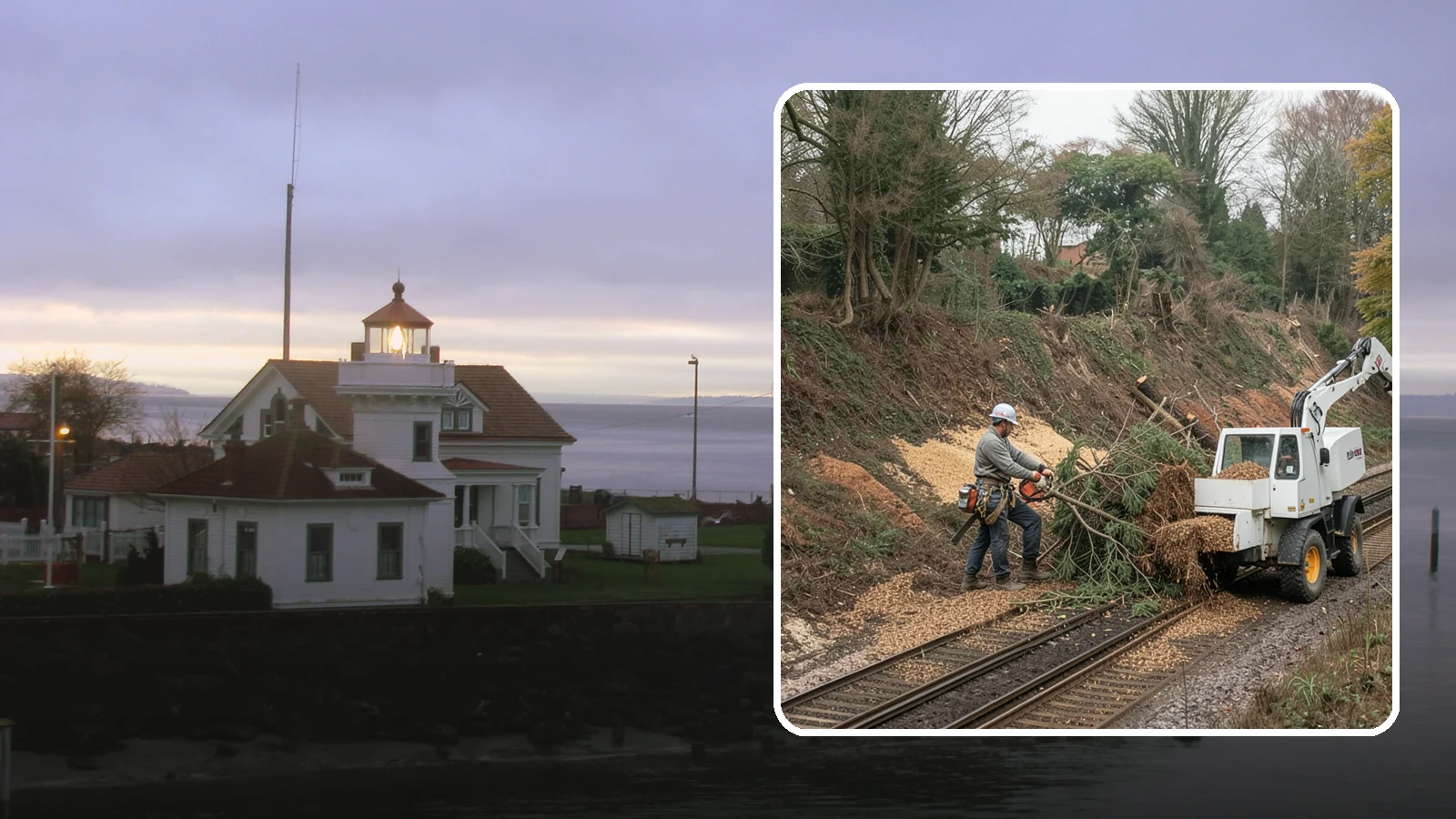
Mukilteo Wood Chipping
The on-site chipping of branches and limbs.
Wood chipping makes the most sense right after pruning or removal work, so plan it with the cutting. In Mukilteo, that often means fall and winter, when many owners trim back storm-damaged limbs and clear fallen branches before the next round of wet weather.
Chipping turns brush into material you can use or have hauled away. Fresh chips are handy for paths and planting beds, if you spread them correctly. Decide ahead of time how much you want to keep and how much should leave the property.
About Wood Chipping in Mukilteo
Wood chipping turns your removed branches into useful products while keeping your property clean and free of debris burdens. Our trained crews are ready to help homeowners process wood efficiently using methods that match their specific site conditions. This service supports responsible reuse by converting waste material into usable chips right where it is needed.
What Mukilteo Wood Chipping Includes
We perform on-site chipping for branches and limbs, processing the debris directly at your location. The work follows recognized arboricultural standards to ensure every task fits the tree species present and the access available. By handling this process locally, we reduce disposal needs while creating a supply of wood chips you can use elsewhere.
Mukilteo Wood Chipping Process
Our team begins by sorting material based on its type and size before moving it through our chipping or milling equipment. We then load the processed product for transport or delivery to your preferred destination. Finally, we clean up the entire work area to leave your site neat after completion.
Equipment We Use for Mukilteo Wood Chipping
To get the job done safely, we use wood chipers along with chainsaws and necessary milling tools. Loaders and hauling vehicles move materials efficiently while personal protective equipment keeps our crew safe throughout the day. We bring all required gear on-site so you do not need to worry about providing any specialized machinery.
Mukilteo Wood Chipping Safety & Best Practices
Safety is a priority, which means keeping hands and bystanders clear of feed equipment at all times during operation. Our crews wear eye and hearing protection while handling logs with proper technique and secure loads for transport. We take extra care when dealing with embedded debris or metal to prevent accidents and ensure everyone goes home safely.
Signs You Need Wood Chipping in Mukilteo
You may need this service if you have large amounts of branches that require efficient processing into usable chips. Situations involving oversized material, moisture concerns affecting quality, or access limits often call for our professional handling. If your site has hidden debris in logs or wet conditions typical of the Pacific Northwest seasons, we can manage these challenges carefully.
What Affects the Cost of Wood Chipping in Mukilteo
The price is influenced by the size and type of material you have to process rather than a fixed rate. Access limitations that restrict equipment movement or embedded debris requiring careful handling will also impact the final cost. Additionally, moisture levels in your wood can affect chip quality, which may be considered when determining pricing factors.
Best Time of Year for Mukilteo Wood Chipping
This service is available year-round for homeowners who need their branches processed efficiently regardless of the season. However, we exercise extra caution during wet Pacific Northwest seasons to avoid mud-related access issues or processing delays. Planning ahead helps us maintain high standards even when weather conditions require additional care and attention.
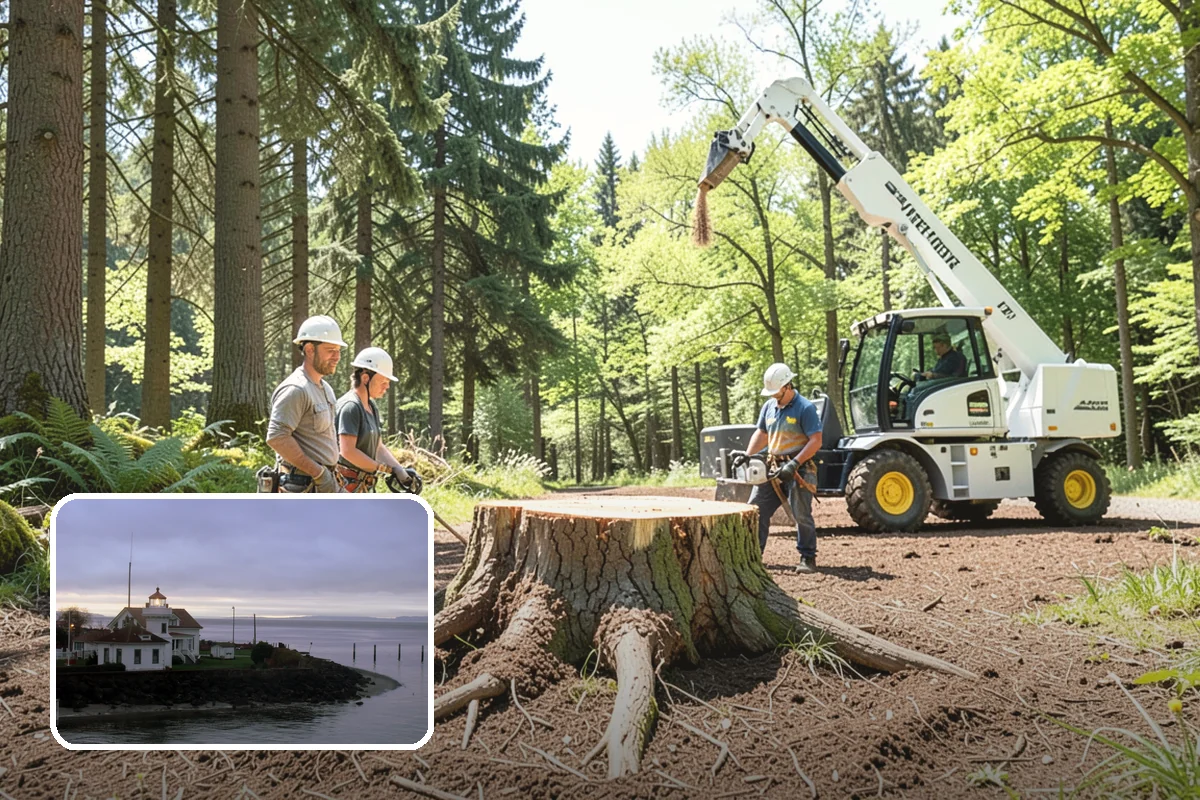
Planning wood chipping on a Mukilteo property
Start by deciding what the chips are for. Some owners want a pile for garden paths and beds. Others want everything gone. Settling that before work begins keeps the day simple.
What affects the scope
Volume is the main factor. Satellite tree-canopy data (USFS/NLCD 2025) puts Mukilteo among the most heavily treed Puget Sound cities we compared. That is a citywide figure, not a statement about your lot, but it is a fair reason to expect more brush and leaf-bearing debris than you might guess, especially after pruning several trees. Branch size matters too. Small limbs go through a chipper easily. Large trunk sections are usually cut to length for firewood or hauled instead.
Access also counts. Chipping needs a clear path from the work area to where the machine can sit, so gates, steep slopes and tight driveways shape how brush gets moved.
Chips and yard waste rules
Snohomish County is inside the WSDA apple maggot quarantine. Homegrown fruit and yard waste may not be moved out of the quarantine area into pest-free areas. If you plan to give chips or brush to someone elsewhere, confirm where they are going first. Keeping chips on your own property avoids the question.
What to expect on the day
Brush is fed into the chipper, and the chips are either piled where you choose or loaded for removal. Expect noise for a few hours and some leftover fine debris, which gets raked up afterward. Tell the crew about irrigation lines, septic areas and delicate plantings before the machine starts.
If wood chipping comes with pruning or removal, we check city requirements before work starts, since rules differ by task.
Practical tip: when you spread chips around trees, keep them a few inches back from the trunk and avoid piling them up. WSU Extension warns against mulch volcanoes because mounded mulch inhibits soil gas exchange and water infiltration. A flat layer works better.
Mukilteo tree conditions at a glance
| Tree canopy | Among the most heavily treed Puget Sound cities (satellite data) |
|---|---|
| Land under dense tree cover (50%+ canopy) | 28% |
| Rain and snow falling October to April | 79% of the year’s total |
| Days with 0.1 in or more of rain | 110 a year |
Tree health near Mukilteo
Spongy moth (WSDA 2022): WSDA trap detection(s): 1 catch record(s) listed (per-trap counts not given).
Spongy moth (WSDA 2018): WSDA trap detection(s): 2 moth(s) in 1 trap catch record(s).
- Decline, cause not identified312 ac
Forest damage mapped from the air within 10 km of Mukilteo, 2021-2025 (USDA Forest Service and WA DNR). This covers forest land, not street or yard trees. “Decline, cause not identified” is dieback with no single cause found.
Sources: Daymet daily weather (NASA/ORNL), NOAA Storm Events, USDA plant hardiness map 2023, NRCS soil survey, USGS elevation, WA DNR landslide inventory, USDA Forest Service aerial survey, WSDA, city tree assessments and street-tree inventories, SILVIS Lab, Arbor Day Foundation, and official city and utility pages.
Wood Chipping Serving Mukilteo
Mukilteo

Also serving Mukilteo
- Premium Firewood in Mukilteoat Washington Firewood
- Gravel Pathway Installation in Mukilteoat Washington Landscaping