Where Safety Meets Expert Tree Service.

Mountlake Terrace Tree Replacement
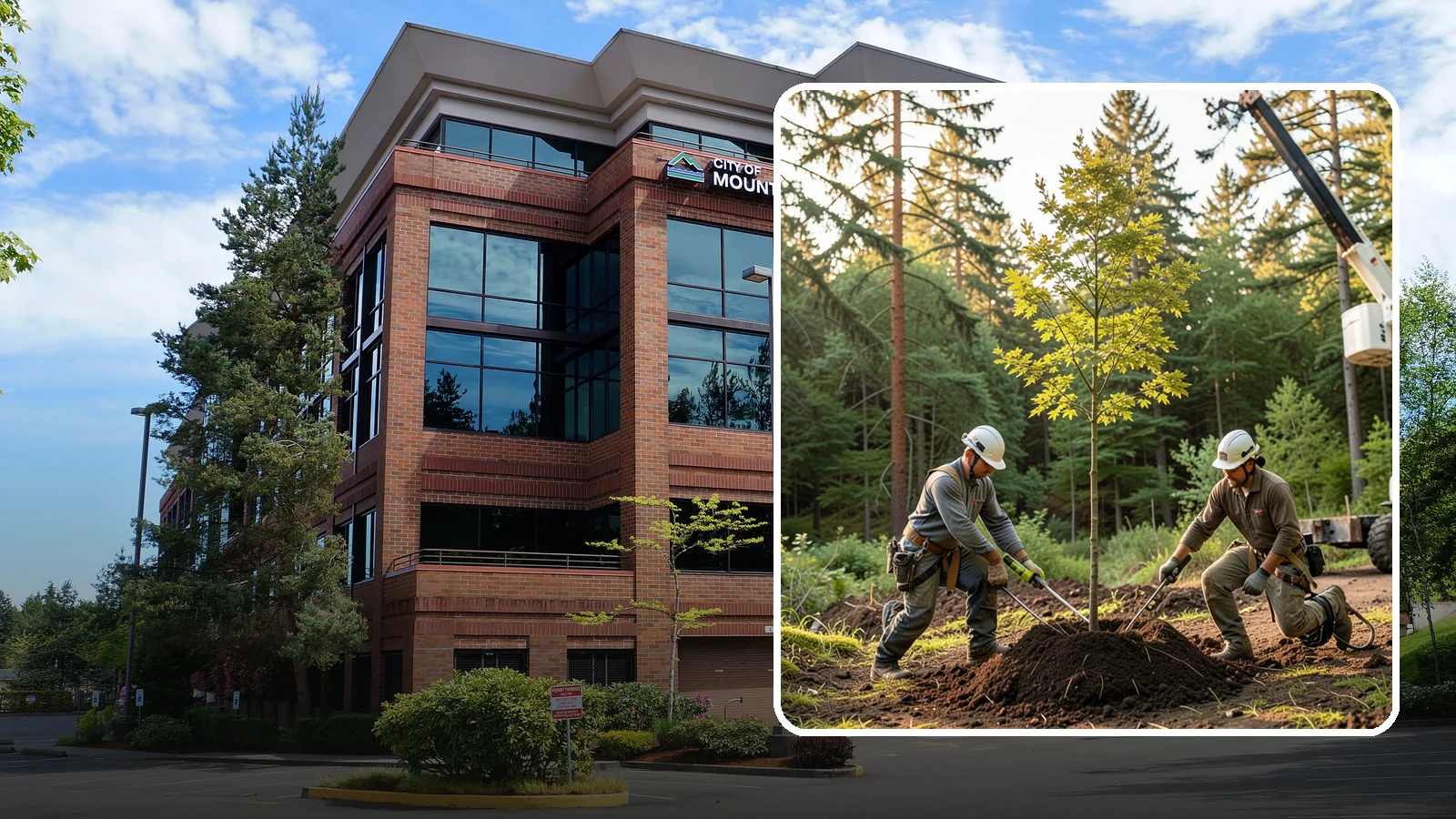
The replanting of trees to replace those removed.
If a tree is coming out as part of a building project in Mountlake Terrace, plan the replacement before the removal. The city's tree code ties replacement trees on development sites to the size of the tree removed, so the number and size of new trees depends on what comes down.
On other properties, replacement is mostly your decision. That gives you room to choose a species that suits the space, the soil and the light. Planning it early also lets you decide where the new tree goes before a stump or equipment is in the way.
About Tree Replacement in Mountlake Terrace
We help homeowners restore their landscape by replanting trees after removals or other changes. This approach brings back essential shade, privacy, and ecological benefits to your property. Our trained crews work carefully to ensure each new tree is well-suited to its specific site conditions.
What Mountlake Terrace Tree Replacement Includes
Tree replacement focuses on restoring canopy cover with healthy specimens chosen for their local adaptability. We match planting methods to the species selected while considering soil quality and access constraints at your location. The goal is to establish a robust foundation that supports long-term growth and stability in your yard.
Mountlake Terrace Tree Replacement Process
Our team begins by assessing site conditions to select suitable tree varieties before preparing the planting area. Soil amendments are added as needed, followed by careful placement at the correct depth with proper spacing between trees. We finish each job by applying mulch, watering thoroughly, and providing guidance on care during the establishment phase.
Equipment We Use for Mountlake Terrace Tree Replacement
Successful replanting relies on digging tools designed for precise hole preparation alongside equipment for efficient soil handling. We bring necessary supplies such as soil amendments, mulch, and specialized watering gear to support new growth immediately after planting. Staking materials are used when required to help young trees withstand wind until their root systems strengthen.
Mountlake Terrace Tree Replacement Safety & Best Practices
Before any digging begins, we take steps to locate underground utilities to protect both workers and your infrastructure. We select species that fit the site dimensions to prevent future conflicts with structures or power lines. Proper planting depth is maintained throughout the process, and care is taken during handling to avoid damaging delicate root systems.
Signs You Need Tree Replacement in Mountlake Terrace
You may need this service if you are looking to replace trees removed for safety reasons or development projects. Situations where canopy has been lost often call for replanting to regain privacy screening and cooling shade. If your soil feels compacted or if previous plantings struggled, establishing new, healthy trees can improve overall site ecology.
What Affects the Cost of Tree Replacement in Mountlake Terrace
The investment varies based on the specific species chosen and how accessible the planting location is for our equipment. Soil conditions that require amendments will influence the final cost along with any necessary staking requirements to support young saplings. These factors ensure we provide a solution tailored to your unique landscape needs without unnecessary expenses.
Best Time of Year for Mountlake Terrace Tree Replacement
The ideal time for replanting arrives in late fall or early spring when soil work is easier and roots can establish before summer heat sets in. We avoid periods of deep dormancy that slow growth as well as times of extreme wetness that make proper depth placement difficult. Choosing the right season gives your new trees the best chance to thrive year after year.
How tree replacement works in Mountlake Terrace
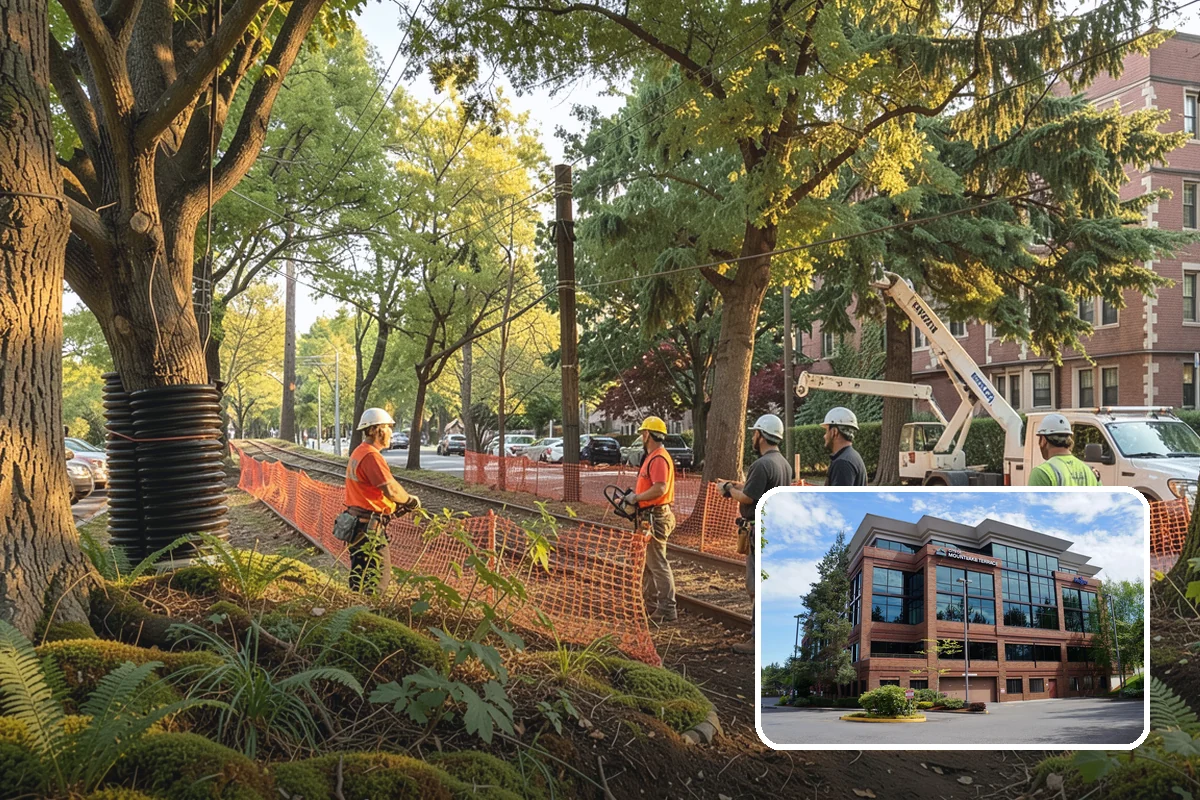
Replacement is more than putting a new tree in the old hole. A good plan starts with the site and ends with care after planting. Here is how we usually approach it.
Step by step
- Look at the site: space overhead, space for roots, sun, drainage and nearby buildings, driveways and utilities.
- Check the city rules before work starts, including whether a permit or replacement requirement applies.
- Choose a species and size that fit the spot at full maturity, not just today.
- Deal with the old tree and stump so the new planting has room.
- Plant at the right depth, with the root flare at or just above the soil line, then mulch and water.
What the city code says
The city's tree code addresses replacement trees in two settings. On development sites, replacement is based on the size of the tree removed, or the owner can pay a fee in lieu into the city's tree fund. In critical areas, the code calls for a replacement or mitigation plan, with restoration started within one year. If your project falls in either group, the timing of that plan matters. That code covers removal and replacement. It does not tell us about every other kind of work, so where something is unclear, we check with the city before work starts.
Choosing the species
Mountlake Terrace is in USDA plant hardiness zone 9a, according to the 2023 USDA map. That figure reflects average winter lows. It helps narrow the list of trees that tolerate the cold here, but it does not replace a look at your soil, shade and moisture.
The city is also a current Tree City USA, a designation from the Arbor Day Foundation that it has held for 7 years. It suggests trees are a community priority here, which is a good reason to plant something that will last.
Call or text 425-484-4442 for a free estimate, and we can talk through what fits your property.
Mountlake Terrace tree conditions at a glance
| USDA hardiness zone | 9a |
|---|---|
| Soils | 59% of land has hardpan or another restrictive layer within 40 in; most common series Alderwood |
| Rain and snow falling October to April | 80% of the year’s total |
| Days that freeze at night and thaw by day | 33 a year |
| Tree City USA | 7 years |
Tree removal rules in Mountlake Terrace
City critical-areas tree FAQ: in general single-family homeowners do not need a permit to remove a tree unless it is in a critical area or the removal is associated with a land use action such as a development proposal; a clearing and grading permit may be needed if the ground is significantly disturbed by equipment (especially multiple trees). Under MTMC 19.130.170 (Ord.
Regulated size: Deciduous trees 6 inches DBH or greater, or coniferous trees at least 7 ft tall, excluding trees on the City's Prohibited Tree List (MTMC 16.30, Ord.
Official city source. Rules change; we confirm with the city before work starts.
Sources: Daymet daily weather (NASA/ORNL), NOAA Storm Events, USDA plant hardiness map 2023, NRCS soil survey, USGS elevation, WA DNR landslide inventory, USDA Forest Service aerial survey, WSDA, city tree assessments and street-tree inventories, SILVIS Lab, Arbor Day Foundation, and official city and utility pages.
Tree Replacement Serving Mountlake Terrace
Mountlake Terrace

Also serving Mountlake Terrace
- Pollinator Garden Installation in Mountlake Terraceat Washington Landscaping
- Municipal Irrigation Installation in Mountlake Terraceat Washington City Services