Where Safety Meets Expert Tree Service.


Mountlake Terrace Soil Testing
The analysis of soil conditions around a tree.
Should you test the soil before planting or after a tree starts to struggle? Ideally before. A soil test shows pH, nutrient levels and organic matter, so you can choose a tree that suits the ground and correct problems while the planting hole is still open.
A lab report cannot show everything, though. Drainage and compaction depend on what lies below the topsoil, and those often decide whether a tree thrives. Here is what to check in Mountlake Terrace and how testing fits into the decision.
About Soil Testing in Mountlake Terrace
Soil testing helps you understand what is happening beneath your trees’ roots so they can thrive in our local climate. This simple analysis guides smart decisions about fertilization, soil amendments, and drainage to keep your landscape healthy for years. It supports long-term stability by catching potential issues before they grow into bigger problems.
What Mountlake Terrace Soil Testing Includes
Our trained crews perform a detailed look at the conditions surrounding each tree using recognized arboricultural standards. We match our methods specifically to the species of your trees, the site where they stand, and how easy it is for us to reach them. The goal is always to improve root health and extend the useful life of these valued assets in your yard.
Mountlake Terrace Soil Testing Process
Work begins with a careful inspection of both the tree and its immediate site to spot any contributing factors like poor soil or past construction issues. We then recommend and apply treatments that address pests, disease, or drainage needs based on our findings. Finally, we document everything clearly so you have a record for future follow-up care and maintenance plans.
Equipment We Use for Mountlake Terrace Soil Testing
To get accurate results, we use specialized diagnostic tools along with soil probes and sampling kits to gather the right information. Depending on what is needed at your specific site, air excavation tools or injection equipment may be brought in carefully. We also wear personal protective gear throughout the job to ensure everyone stays safe while working around your property.
Mountlake Terrace Soil Testing Safety & Best Practices
Our team always follows label guidelines for any products used and takes steps to protect existing soil and nearby plantings from damage. During sampling, we take great care to avoid hurting roots or trunks so that our work does not harm the very trees it aims to help. We also make sure all conditions are documented accurately before leaving your site after completing the necessary tasks.
Signs You Need Soil Testing in Mountlake Terrace
You might need this service if you notice signs of decline caused by compacted soil, girdling roots, or changes in ground grade from old construction. It is especially useful when pests and disease appear to be affecting multiple trees on a property at once. If your drainage seems poor or fertilizer efforts have not improved the landscape, testing can clarify what adjustments are actually needed.
What Affects the Cost of Soil Testing in Mountlake Terrace
The price for this service depends largely on the specific species of tree you have planted in your yard. Site conditions such as difficult access or steep slopes will also determine which diagnostic tools and sampling methods our crew must use. These factors combine to set a cost that reflects the unique needs of each individual job without any hidden fees.
Best Time of Year for Mountlake Terrace Soil Testing
In Washington’s Puget Sound climate, soil testing can generally be done at any time during the year for most properties. However, we may need to adjust our approach slightly or wait for drier conditions if heavy rain makes sample collection difficult. When wet seasons require extra care, we might use air excavation tools gently to ensure we get clean samples without damaging roots.
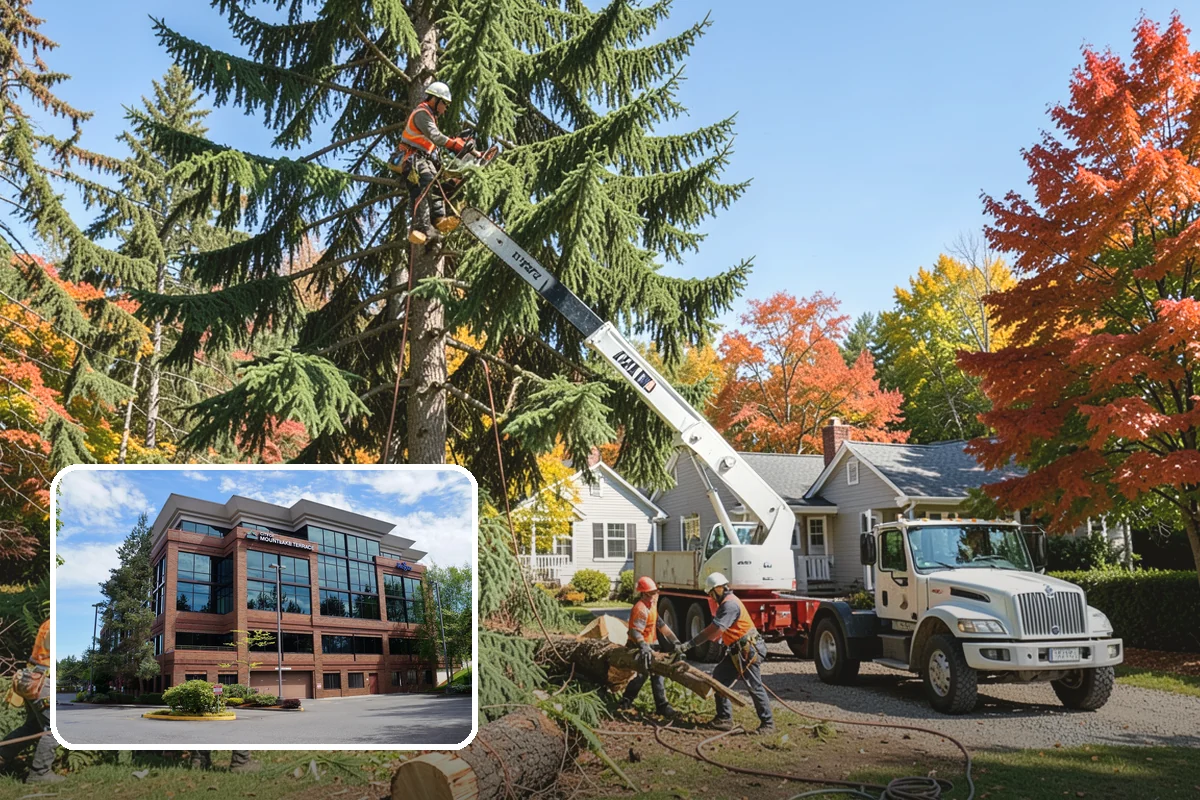
Soil testing in Mountlake Terrace: what the local data means
A hard layer under the surface
The NRCS soil survey reports that 59% of the land in Mountlake Terrace has a hard or restrictive layer, such as glacial hardpan, within 40 inches of the surface. The most common soil series is Alderwood. This is survey data for the city as a whole, not a reading for your yard. It does mean a test of the top few inches tells only part of the story. Roots may spread sideways or sit in wet soil if water cannot drain through a dense layer. When we sample, we also look at how deep the soil is and how water moves through it.
Why the wet season matters
Daymet data for 2005 to 2025 shows that 80% of the city's yearly rain and snow falls from October to April. If a hardpan layer is present, a planting hole can hold water through those months. Poor drainage can harm roots no matter how good the nutrient levels are. For that reason, a test is best paired with a look at the site after heavy rain, or at least a simple check of how quickly a hole drains.
Planting and watering after the test
Results help you decide what to add, and sometimes what not to add. Many yards need no amendments at all, and extra fertilizer without a reason can do harm. Most new trees need weekly irrigation during establishment unless rain is sufficient, according to the WSU Extension Pacific Northwest Gardener's Handbook. Your USDA hardiness zone is 9a (USDA map, 2023), which helps when choosing species.
A typical visit includes:
- Collecting samples from several spots and depths
- Sending them to a lab for pH, nutrients and organic matter
- Checking drainage and compaction on site
- Explaining the results in plain terms
Our ISA Certified Arborist can walk through the report with you. Call or text 425-484-4442 for a free estimate.
Mountlake Terrace tree conditions at a glance
| USDA hardiness zone | 9a |
|---|---|
| Soils | 59% of land has hardpan or another restrictive layer within 40 in; most common series Alderwood |
| Rain and snow falling October to April | 80% of the year’s total |
| Days with 0.1 in or more of rain | 107 a year |
| Days that freeze at night and thaw by day | 33 a year |
Sources: Daymet daily weather (NASA/ORNL), NOAA Storm Events, USDA plant hardiness map 2023, NRCS soil survey, USGS elevation, WA DNR landslide inventory, USDA Forest Service aerial survey, WSDA, city tree assessments and street-tree inventories, SILVIS Lab, Arbor Day Foundation, and official city and utility pages.
Soil Testing Serving Mountlake Terrace
Mountlake Terrace

Also serving Mountlake Terrace
- Garden Bed Maintenance in Mountlake Terraceat Washington Landscaping
- Turf Edging in Mountlake Terraceat Washington City Services