Where Safety Meets Expert Tree Service.

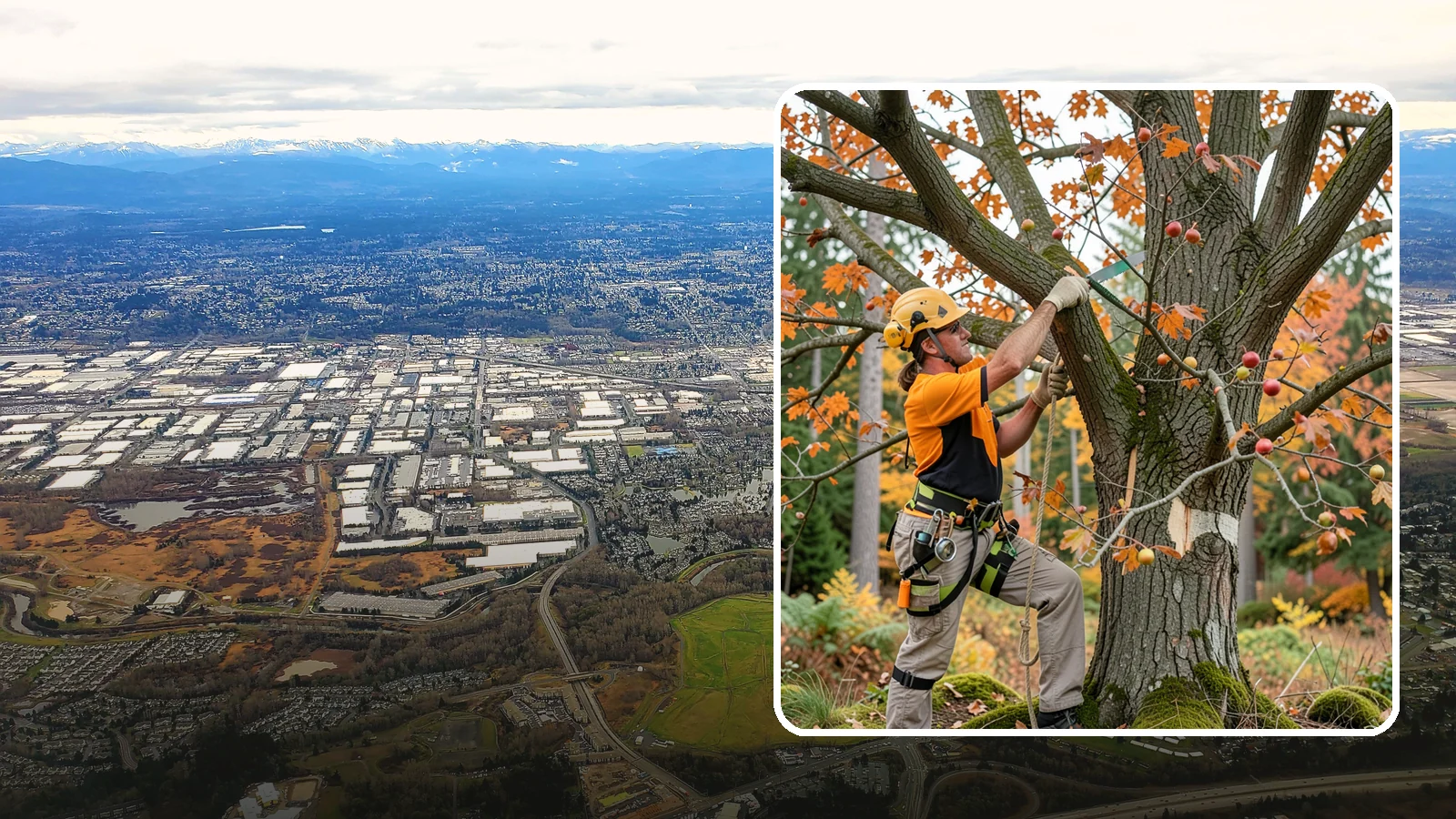
Kent Fruit Tree Pruning
The pruning of fruit trees for structure, health, and productivity.
In Kent, about 81% of the year's rain and snow falls between October and April, according to Daymet data for 2005 to 2025. That matters for fruit trees because wet, mild months are when fungal problems spread, and fresh cuts stay damp longer.
Plan your pruning around that wet season. Look at your trees now: note crossing branches, dead wood, and crowded centers. Then choose cutting days with a dry forecast and decide how much canopy each tree can lose in a single year.
About Fruit Tree Pruning in Kent
Fruit tree pruning helps maintain your orchard’s structure, health, and productivity while improving light penetration for better fruit quality. Our trained crews work carefully to support the long-term vigor of your trees without causing unnecessary stress. This service is ideal for homeowners who want their fruit-bearing trees to thrive in our local climate conditions.
What Kent Fruit Tree Pruning Includes
We perform precise cuts designed specifically for each tree species and its current season needs. The process includes assessing canopy condition, selecting proper cut locations, and removing deadwood or weak unions safely. After the work is complete, we lower all material and clean up the entire area to leave your property tidy.
Kent Fruit Tree Pruning Process
Our team begins by evaluating which branches need attention based on recognized arboricultural standards for fruit trees. We make clean cuts at the right points without over-pruning, ensuring each tree receives only healthy amounts of live tissue removal. Once the pruning is finished, we process and remove all cut material while restoring your work area to its original state.
Equipment We Use for Kent Fruit Tree Pruning
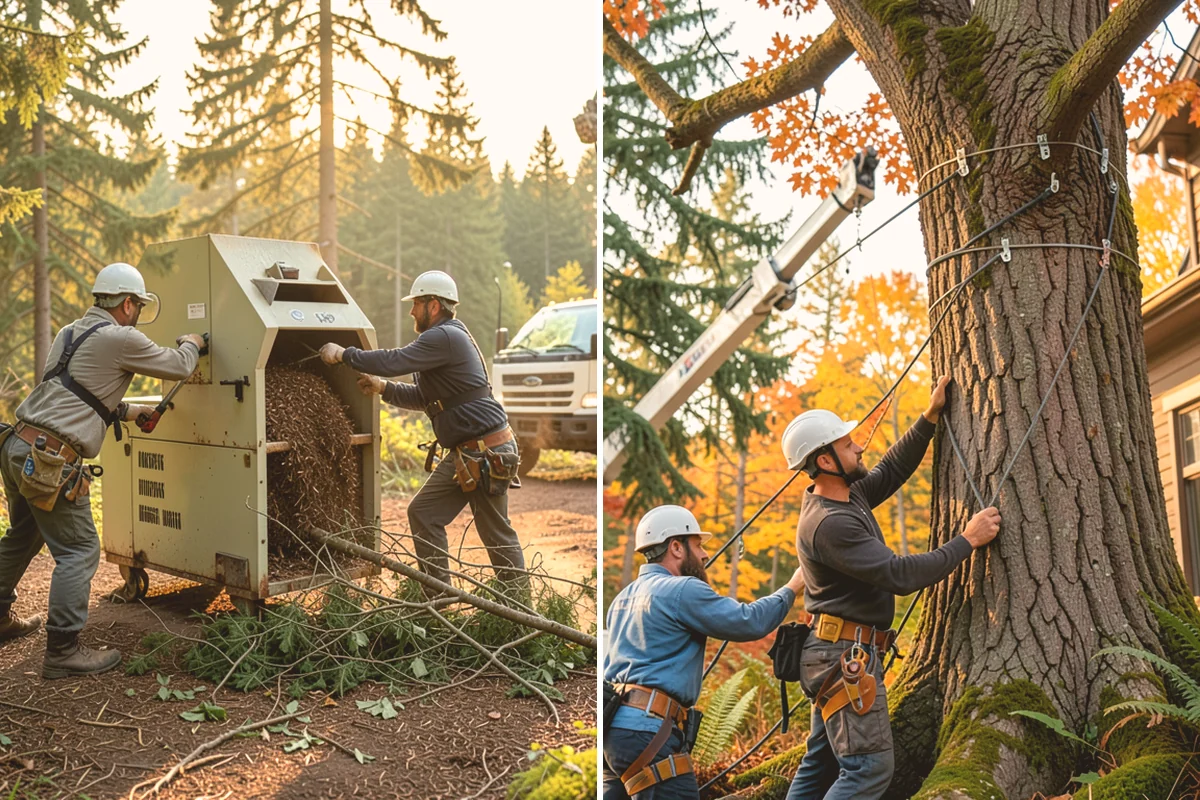
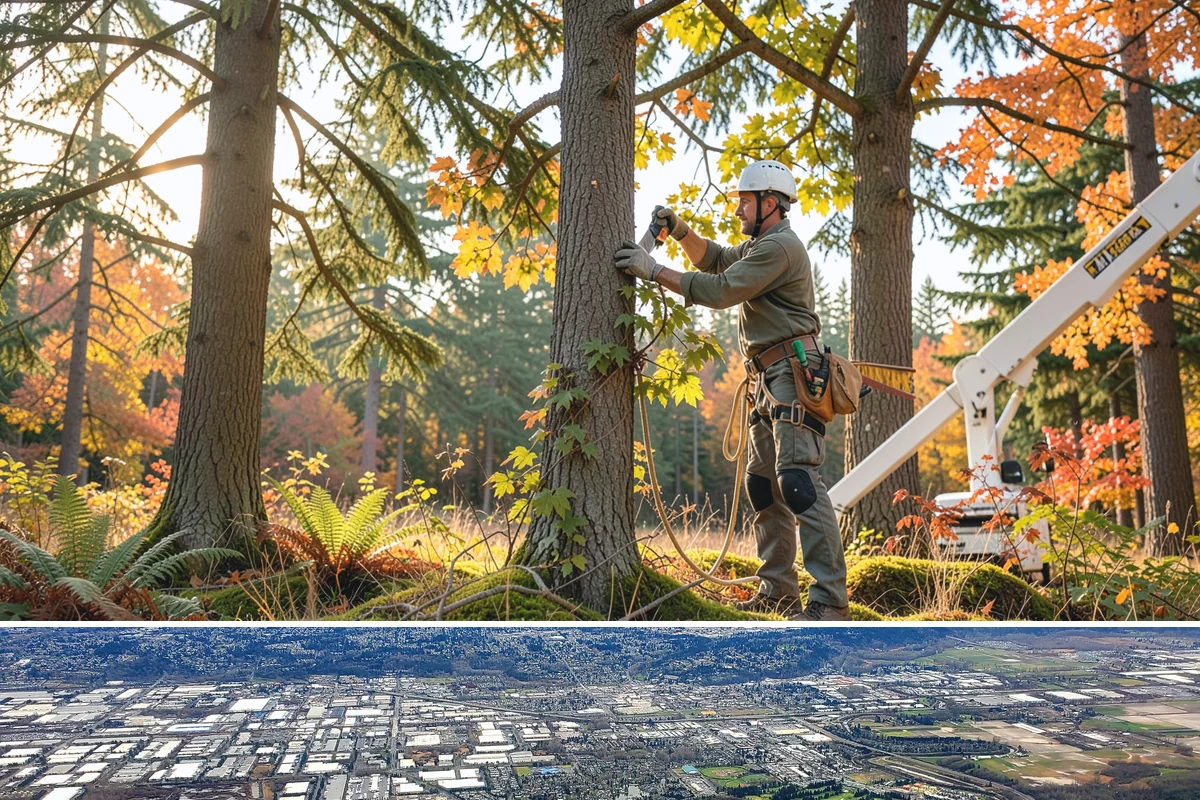
To complete this job safely and efficiently, our crews use hand saws, pole saws, chainsaws, and wood chippers as needed for each tree’s size. We also utilize climbing gear, rigging equipment, or aerial lifts when site access requires working at height or from a distance. All personnel wear appropriate personal protective equipment throughout the project to ensure everyone stays safe on-site.
Kent Fruit Tree Pruning Safety & Best Practices
Safety is our priority, so we strictly follow standards that prevent harmful cuts and limit removal to what trees can handle well. We take extra care around overhead power lines and unstable limbs while using fall protection whenever anyone works aloft. By adjusting methods for specific site conditions, we avoid stressing your trees during critical growth or dormancy periods.
Signs You Need Fruit Tree Pruning in Kent
You may need this service if you notice reduced air movement within the canopy or interference with nearby structures and sightlines. Deadwood present in weak unions or signs of over-pruning from previous attempts are clear indicators that professional attention is required. If fruit quality has declined due to poor light penetration, pruning can help restore your trees’ ability to produce well.
What Affects the Cost of Fruit Tree Pruning in Kent
The final cost depends on the size of each tree and how complex its canopy structure requires specific cuts for proper species care. Factors such as difficult site access conditions and the volume of processed cut material that needs disposal also influence pricing. We tailor our approach to match individual site constraints rather than applying a one-size-fits-all solution to every property.
Best Time of Year for Kent Fruit Tree Pruning
In our Puget Sound climate, we adjust pruning schedules based on each fruit tree species’ specific sensitivities to seasonal changes. Our goal is to avoid stressing your trees during their active growth periods or deep dormancy phases by timing cuts correctly for the season. We follow recognized arboricultural standards that ensure every cut supports long-term health regardless of when you request service.
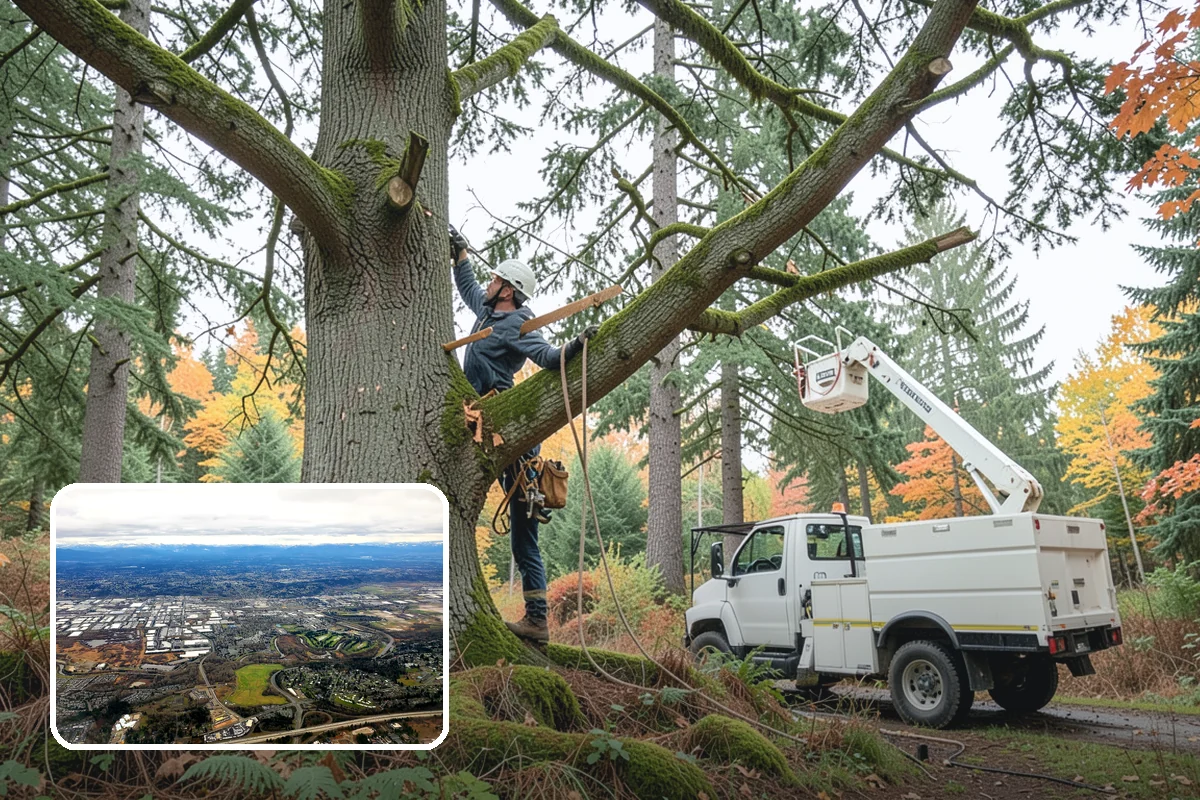
How fruit tree pruning works in Kent yards
Good fruit tree pruning is done in a set order. Each step has a reason, and none of it needs heavy cutting.
The basic steps
- Remove dead, broken and diseased wood first.
- Take out branches that cross or rub against each other.
- Open the center so light and air reach the fruiting wood.
- Shorten or thin overly long limbs back to a side branch or a bud, not to a stub.
- Step back often and look at the whole tree before the next cut.
Deadwood is the flexible part of the job. The WSU Extension Pacific Northwest Gardener's Handbook says deadwood, or less than 10% of live tissue, can be removed at almost any time. So a dead limb does not have to wait for the ideal pruning window. Cutting live wood beyond that small amount is a bigger decision, and it is best timed with the tree's growth in mind.
Climate and timing
The USDA map from 2023 places Kent in plant hardiness zone 8b, with parts of the city running from 8b to 9a. That is a mild range for apples, pears, plums and many other common fruit trees. It does not tell you which cuts to make, but it means winter cold is rarely the main worry. The wet October to April stretch is the bigger concern, so we favor dry days for cutting and avoid leaving large wounds open during a long rainy spell.
What to do with the cuttings
King County sits inside the WSDA apple maggot quarantine. Homegrown fruit and yard waste may not be moved out of the quarantine area into pest-free areas. If you are hauling prunings, fallen fruit or branches, keep them within the quarantine area and ask us before anything travels. We can talk through disposal when we look at your trees.
If you want a second opinion on what to cut, call or text 425-484-4442 for a free estimate. An ISA Certified Arborist on staff can walk through the plan with you.
Kent tree conditions at a glance
| USDA hardiness zone | 8b (8b to 9a across the city) |
|---|---|
| Rain and snow falling October to April | 81% of the year’s total |
| Days that freeze at night and thaw by day | 30 a year |
| Tree City USA | 24 years |
| Electric utility | unconfirmed |
Sources: Daymet daily weather (NASA/ORNL), NOAA Storm Events, USDA plant hardiness map 2023, NRCS soil survey, USGS elevation, WA DNR landslide inventory, USDA Forest Service aerial survey, WSDA, city tree assessments and street-tree inventories, SILVIS Lab, Arbor Day Foundation, and official city and utility pages.
Fruit Tree Pruning Serving Kent
Kent
Fruit tree pruning in nearby areas
Also serving Kent
- Magnolia Pruning in Kentat Washington Landscaping
- Annual Roof Maintenance Program in Kentat Washington Roofing
- Invasive Vegetation Removal in Kentat Washington City Services